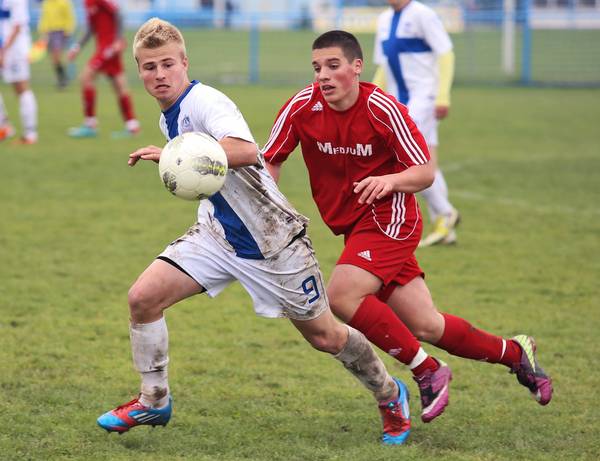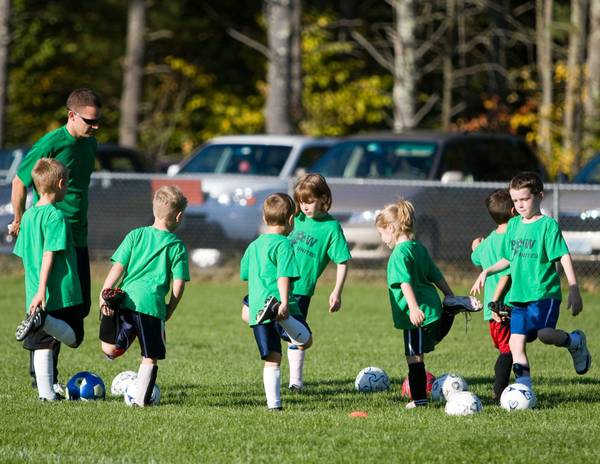

My Junior Grassroots team is surrounded by a number of professional clubs with strong Academies and so it is to be expected that we have a number of scouts that find their way onto the touchline of our games. This has always been the case and we’ve had loads of players that have gone into Academy football and beyond yet I still find that few topics in grassroots football carry as much mystique as the presence of a scout on the touchline.
There are whispered conversations, exchanged glances and raised eyebrows between parents and the effect it can have on players is tangible with some trying too hard to impress and others visibly shrinking. No matter how low a profile a scout tries to keep, they rarely stay a secret for long.
Of course, the statistical reality of football's talent pipeline provides a really sobering context for people’s expectations of being spotted and going all the way through to the professional game.
Barely 500 of the 1.5 million boys playing organised football in England will eventually make a living from the professional game as players, representing odds of approximately 0.03%. Even within the top professional academy systems, fewer than one in two hundred players who enter at under 9 level will sign a professional contract in their lives. It’s not that these figures reflect failures in the scouting system and talent spotting but instead highlight the enormous competition and just how hard it is to achieve in this game as well as the many variables that influence football a career beyond having talent and getting it recognised.
Most professional clubs maintain sophisticated scouting networks that operate very differently from some grassroots perceptions of random talent discovery. A typical Category One academy employs a minimum of 8 full time scouts supported by over 100 part time talent identifiers covering specific geographical regions and age groups. These scouts work within structured frameworks that prioritise systematic player tracking over chance discoveries, following promising individuals across multiple matches and tournaments rather than making snap judgements based on a single performance. The romantic image of a scout stumbling upon a hidden world class talent at the local park is from the pages of a comic book rather than the modern recruitment reality.
The attributes that professional scouts genuinely value often surprise grassroots communities fixated on technical skills and tricks. Scouts spend more time observing how players receive the ball under pressure, how they position themselves when their team doesn't have possession, how they communicate with teammates, how determined they are to win first contact of the ball rather than tracking the spectacular moments that generate excitement amongst parents. Decision making, quality, game awareness and resilience tend to rank higher in professional assessments than flicks and tricks or even speed and strength because physical attributes can be developed significantly during adolescence whilst thinking skills and character traits prove a better predictor of long-term success.
Despite this we all know that birth date effects create systematic biases in talent identification that grassroots communities rarely acknowledge but which profoundly influence scouting outcomes.
Children born in September, October, and November often possess significant physical and cognitive advantages over peers born later in the academic year, advantages that compound over time through increased selection for representative teams, better coaching opportunities and enhanced confidence from early success. Despite this long being acknowledged, professional academies still contain a disproportionate numbers of players born in the first quarter of the academic year, revealing how biological accidents of timing can sometimes overshadow genuine talent differences in ways that persist through youth development.
The invitation process to go into an Academy for a period (usually 4-6 weeks) represents an often misunderstood aspect of grassroots scouting. Families often interpret trial invitations as a guarantee of an academy place, yet clubs routinely invite several players for every available position and retain the player they already have. Many talented players attend multiple trials across different clubs before potentially receiving an offer, whilst others perform well but remain unsigned. A former player of mine was invited to the same club 4 times during his grassroots days and was never offered a full time opportunity. The psychological preparation required for handling a rejection can prove to be challenging.
Having been through the FA’s Talent ID qualifications, it’s clear that modern academies increasingly recognise that traditional scouting methods contain inherent biases that can exclude potentially successful players. Urban clubs naturally identify more talent from metropolitan areas with dense football infrastructure, whilst rural excellence remains largely invisible to scouts whose coverage focuses on population centres and established youth leagues.
Despite all the challenges and with the odds still stacked so heavily against, many parents won’t be shaken from their belief that it’s their child’s destiny to be ‘tapped on the shoulder’ by a scout and go all the way through the system to the professional ranks. Parents who invest so heavily in these dreams often develop what researchers term "achievement-by-proxy" where their self worth becomes entangled with their child's sporting success. This psychological pressure frequently manifests into behaviour that actually decreases scout interest, including over coaching from touchlines, excessive focus on individual achievements rather than the contribution to the team and the creation of a performance anxiety that actually inhibits their child. Better to just let them play and what will be, will be.
The emphasis on competition for talent and early identification often creates artificial urgency around youth development that can prove to be counterproductive for long term player growth.
Many professional footballers weren't selected for academy programmes until relatively late, after developing fundamental skills and passion for the game in a less pressurised grassroots environment. The obsession with being discovered young can rush players into intensive training regimes before they've developed the physical maturity or mental resilience necessary for sustaining elite performance the years to come.
With Academies so dominant, alternative pathways to professional football tend not to receive the attention from grassroots communities fixated on academy selection as the only viable route to success. University programmes, programmes at non league clubs, overseas opportunities and late developer initiatives provide legitimate alternatives that often prove more suitable for players who mature later than their peers. These alternative routes usually offer better educational balance, reduced psychological pressure and a more sustainable approach to combining football aspirations with broader life development.
Understanding the realities of scouting the grassroots game can liberate players and parents from destructive anxieties. Yes, the network of scouts is real, active and potentially opens the door to great opportunity but it represents one small component within youth football's vast developmental landscape rather than being the one the defining element that determines success or failure. By maintaining a realistic perspective on the possibility of being scouted in grassroots football, we can all continue with developing confident, capable and passionate young people who carry their positive sporting experience throughout their lives, whether or not they ever attract professional interest.