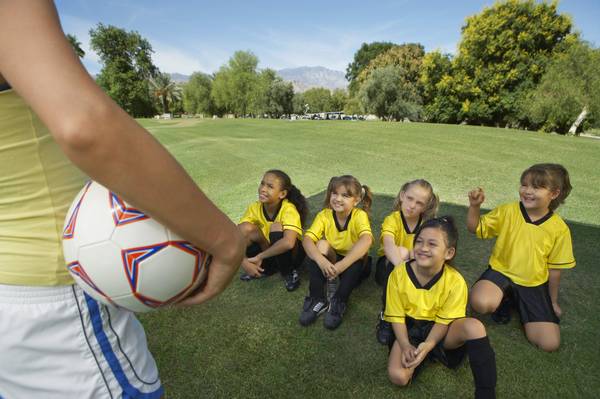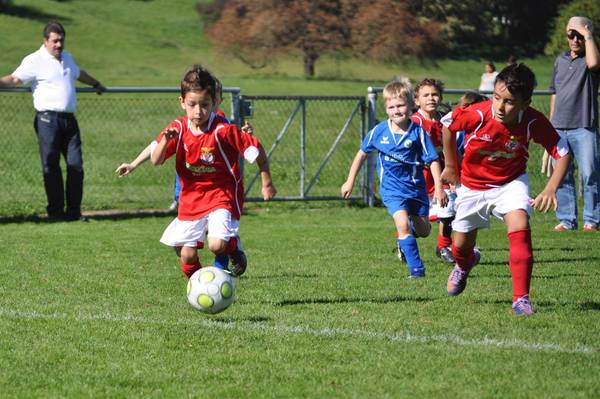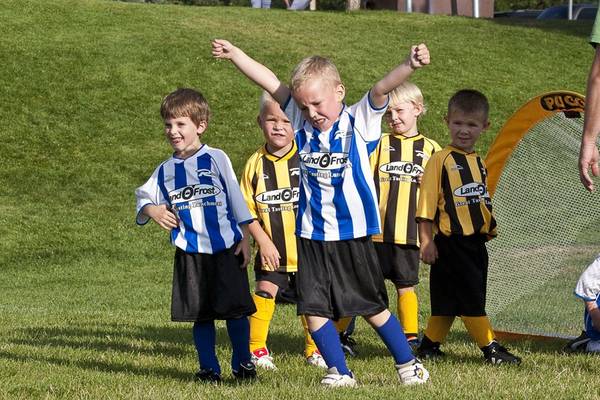

I’m sure many of us have been there. One of the most familiar sights in grassroots football across the United Kingdom, is the parent who steps up to run their child’s team and finds themselves with more than they’d bargained for!
Often this process begins as an act of necessity, with clubs short of volunteers and children eager to play matches that cannot go ahead without someone willing to take responsibility. For many, coaching becomes an extension of supporting their own child’s sporting journey, a way of ensuring opportunities exist where otherwise there might not be one. This is widespread through our game and has had a profound impact on how football at our level is organised, but experience would suggest it comes with a complex blend of benefits and challenges that require some thought.
The positives of parents entering the coaching world are clear to see. Without them, countless grassroots clubs would simply cease to function properly. Volunteer shortages are a persistent issue, and the willingness of Mum’s and dad’s to give up evenings and weekends ensures that thousands of children get the chance to enjoy football in safe, structured environments. Our parent / coaches always bring fabulous passion, commitment and a sense of continuity, since they are heavily invested in the wellbeing of the players and the success of the team. The atmosphere they create is usually warm and supportive, with children feeling reassured by the presence of familiar adults who understand not just their footballing needs but also their personalities, strengths and vulnerabilities.
At its best, this brings trust and enthusiasm to the club and encourages children to embrace the game.
I’ve also known parents who step into coaching roles to discover skills they never knew they had!
Many undertake formal qualifications through the Football Association, learning about safeguarding, player development and the importance of inclusivity. As they grow into the role, they gain new confidence in communication, organisation and leadership which benefits not only the team but themselves. Parent coaches often become central figures who hold local football together, their commitment rippling outwards to keep opportunities alive for hundreds of young people who might otherwise be left without the chance to play.
Yet alongside these positives lies the other edge of the sword. The most widely discussed difficulty concerns bias, whether real or perceived.
When a parent is in charge of their own child’s team, questions inevitably arise about fairness. Does the coach’s son or daughter receive more playing time than others? Are they favoured with more prominent roles on the pitch? Even when decisions are made with the best intentions, the suspicion of bias can start to erode trust between the coach and the other parents, creating tensions that linger on the touchline and sometimes spill into open conflict.
For children, too, this can be uncomfortable. A young player may feel pressure to prove they deserve their place, knowing others may think they are selected only because of who their parent is. Conversely, some children of coaches find themselves treated more harshly than their teammates, as their parent strives to avoid accusations of favouritism by holding them to higher standards.
In both cases, the simple joy of playing can become entangled with adult perceptions, reducing the freedom and the innocence that should be there in grassroots football.
Another challenge is when there is a weight of expectation that falls on a child whose parent manages the team. Instead of football being a release from family life, it can become an extension of it, with conversations about performance spilling into the car journey home and then into the household. This can blur boundaries, with children feeling there is no escape from scrutiny. What might be seen as encouragement in the coach’s eyes can feel like constant pressure in their child’s.
Over time, this risks damaging not only the player’s love of the game but also their relationship with their parent. We know that research into youth sport has shown that one of the main reasons children drop out is because of perceived pressure from adults, and the overlap of parent and coach intensifies this dynamic. Balancing constructive guidance with unconditional support is a fine art that not every parent finds easy to master.
For the parent coach themselves, the role can be emotionally demanding. They are not only responsible for their child but for an entire group of young people, each with different abilities, motivations and individual needs. Navigating this while maintaining impartiality requires patience and resilience. Many parents have little or no background in football beyond casual playing or spectating, and they are thrust into situations where they must manage behaviour, communicate with officials and make tactical decisions often under the watchful gaze of the other parents. It is little wonder that stress is common, especially when the games do not go the way the team hopes.
Any muffled criticism from the sidelines can be difficult to absorb, particularly when it questions not only coaching choices but also personal integrity.
My experience is that parent coaches tend to prioritise winning matches in the short term over long term player development, feeling that victories is the surest way to validate their efforts. While this approach can deliver immediate results, it risks stifling the growth of young players whose enjoyment and development should be the priority at our level. The Football Association has long emphasised the importance of putting development before results, but parent coaches may unconsciously reinforce the culture of valuing scorelines above individual improvement.
Many of the most respected figures in grassroots football began by taking charge of their child’s team and grew into highly capable, inspiring leaders. Their insight into the personal lives of players can create bonds that no outside coach can replicate. They often understand the cultural context, and the challenges young people face beyond football, allowing them to support children holistically.
In some cases, this closeness produces environments that are uniquely nurturing, where players feel valued not just for their ability but for who they are. The key lies in awareness and balance.
Recognising the risks of bias, being conscious of how pressure is communicated, and actively promoting fairness are all essential.
On a broader level, the presence of parent coaches highlights the fundamental reliance of grassroots football on volunteers. The game at our level simply would not function without the countless hours given freely by those who care deeply about their children and their opportunities. This dependence creates vulnerability, as the quality of coaching is tied to who is available rather than to consistent professional expertise. Yet it also reflects one of the game’s greatest strengths in its ability to bring people together, to turn parents into leaders and empower them to create extraordinary opportunities for children.
Grassroots football will always depend on those who are willing to volunteer, and parents will always continue to make up the largest share of this. Their involvement is a double edged sword, but one that, if handled with care, can achieve great things and the role of the parent coach remains one of the most valuable features of the grassroots game.