
Grassroots football thrives on moments - the last-minute winner, the debut goal, the player who finally nails that skill they've practised for months. Yet most of these moments vanish into memory, shared only among the handful of parents who made it to a muddy touchline on a Saturday morning. Social media changes this equation entirely. When used thoughtfully, football social media strategies transform fleeting achievements into lasting recognition that strengthens team identity, attracts new players, and builds genuine community pride.
The challenge facing volunteer managers and coaches isn't whether to use social media - most teams already have a Facebook page or WhatsApp group. The real question is how to showcase achievements in ways that celebrate players meaningfully while avoiding the pitfalls that plague amateur sports content: privacy concerns, comparison culture, and the administrative burden that makes one more task feel impossible.
Why Achievement Recognition Matters in Grassroots Football
The Psychological Impact on Young Players
Recognition shapes young players' relationship with football. Research from the Youth Sport Trust demonstrates that children who feel valued for their progress - not just their natural ability - remain engaged in sport 73% longer than those who receive only outcome-based praise. Social media, when handled properly, extends this recognition beyond the immediate team bubble.
Consider the psychological impact. A 12-year-old defender who makes a crucial tackle rarely receives the same attention as the striker who scores. Yet posting about that defensive intervention - explaining the reading of play, the timing, the commitment - validates skills that might otherwise go unnoticed. This matters profoundly in youth development, where building confidence across all positions creates more resilient players and balanced teams.
The Community Dimension
The community dimension proves equally significant. Parents who cannot attend fixtures still want a connection to their child's football experience. Grandparents living elsewhere treasure updates. Posting match highlights and training achievements creates shared talking points that strengthen the family's engagement with the team. This ripple effect often translates into practical support - volunteers for fundraising events, offers to help with transport, and increased retention when seasons get challenging.
Establishing Clear Social Media Boundaries
Before celebrating a single achievement online, teams need explicit policies that protect players while enabling recognition. The starting point is always parental consent, obtained in writing during registration and reviewed annually. This consent should specify exactly what will be shared: photos, videos, names, match statistics, and on which platforms.
FA Safeguarding Requirements
The Football Association provides comprehensive guidance through its Safeguarding Children policy, which mandates that clubs using social media must have designated administrators, clear photography policies, and processes for handling inappropriate content. County FAs offer templates that grassroots football teams can adapt, removing the burden of creating policies from scratch.
Privacy Settings and Digital Safety
Privacy settings require particular attention. Many teams default to public profiles to maximise visibility, but this exposes young players to unnecessary risk. A private or closed group approach - where parents and club members must request access - provides the right balance. Content can still be shared beyond the group when appropriate, but the default setting prioritises safeguarding.
Naming conventions matter too. Full names paired with photos create identifiable profiles that follow children online for years. Many clubs adopt first-name-only policies or use squad numbers instead. This simple adjustment maintains the celebratory nature of posts while reducing digital footprints.
Choosing the Right Platforms for Football Content
Different platforms serve distinct purposes in football social media strategies. Understanding these differences prevents wasted effort and ensures content reaches its intended audience effectively.
Platform-Specific Strengths
Facebook remains dominant for grassroots club communication. Its group functionality supports private sharing, event management, and threaded discussions that WhatsApp cannot match. Parents over 35 - the primary demographic for youth team communication - overwhelmingly prefer Facebook for club updates. The platform's photo albums provide natural archives of seasons, creating digital scrapbooks that families revisit years later.
Instagram suits visual storytelling brilliantly, but requires more curated content. Teams using Instagram effectively focus on high-quality match day photos, training session highlights, and player spotlights. The platform's younger user base makes it ideal for engaging teenage players directly, though this demands additional safeguarding considerations.
Twitter works for clubs wanting to connect with local football communities and leagues. Quick match updates, score threads, and interactions with opposition teams build broader networks. However, the public nature and rapid pace make it less suitable for detailed player recognition unless privacy is carefully managed.
WhatsApp groups excel at immediate communication - fixture changes, urgent updates, quick questions. They work poorly for achievement showcasing because the content disappears into scrolling history. Important recognitions deserve permanent, searchable homes that WhatsApp cannot provide.
Integrated Platform Solutions
The team management app approach integrates these communication needs into a single platform, allowing managers to share achievements with appropriate audiences while maintaining central records. This reduces the platform-juggling that overwhelms volunteer administrators.
Creating Achievement Content That Resonates
The difference between social media content that strengthens teams and content that creates problems often comes down to framing. Effective achievement posts celebrate effort, progress, and team contributions rather than pure outcomes.
Framing Match Reports Effectively
Match reports exemplify this principle. A post reading "Jamie scored four goals - player of the match!" focuses entirely on individual outcome and natural ability. Compare this to: "Brilliant team performance today. Jamie's movement created space all game, finishing four chances that the midfield worked hard to create. Fantastic link-up play across the team." The second version recognises the scorer while acknowledging the collective effort, modelling the team-first mentality that grassroots football should nurture.
Progress Stories Generate Engagement
Progress stories generate particularly strong engagement. Posting about a player who struggled with confidence but completed their first full match, or a goalkeeper who saved a penalty after weeks of specific training, demonstrates that the club values development over winning. These narratives resonate deeply with parents and attract families seeking positive football environments.
Visual Content Composition
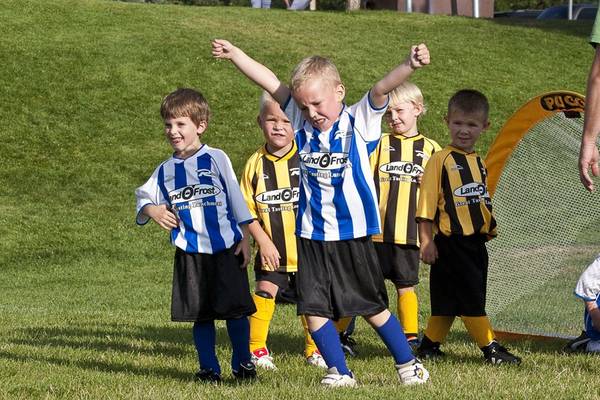
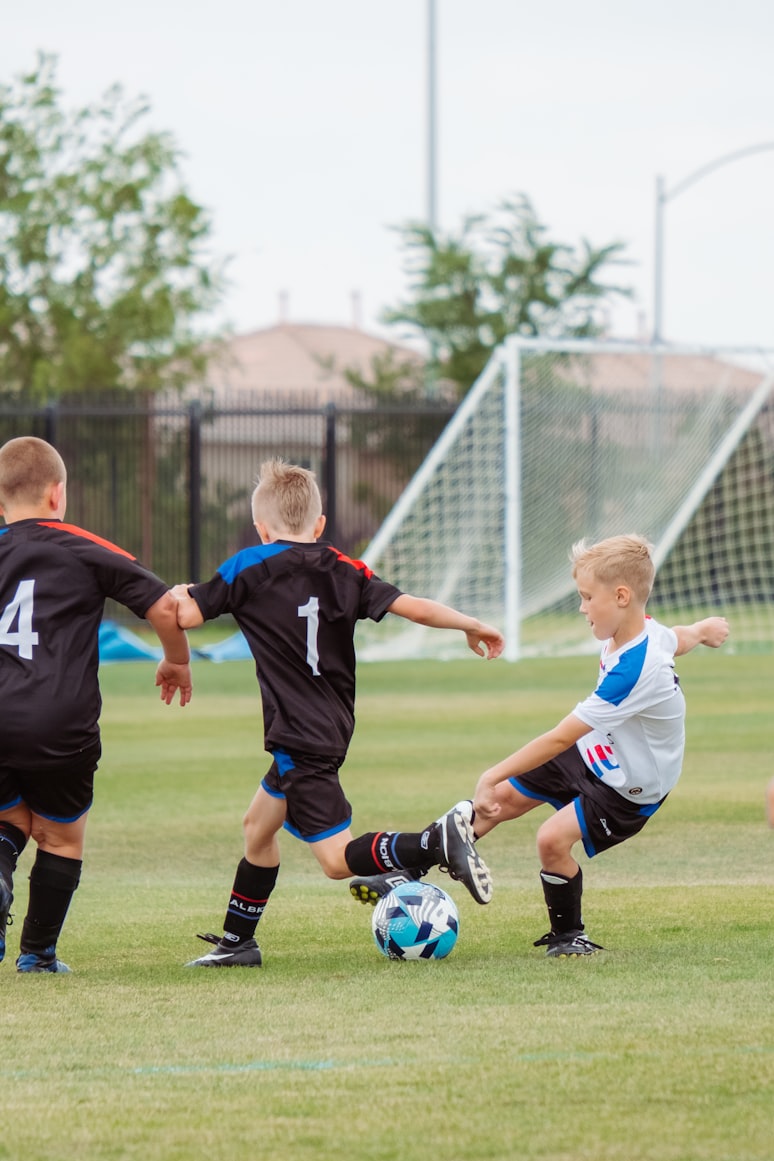
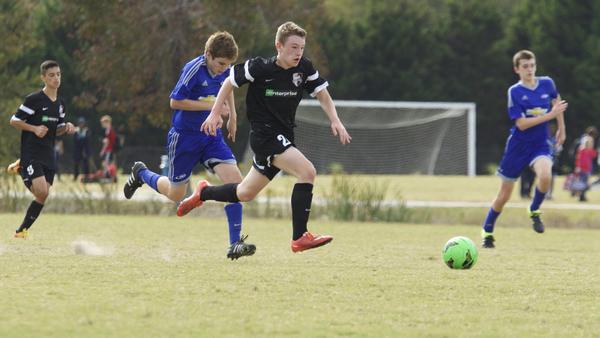
Visual content requires thoughtful composition. Action shots during play work better than posed celebrations, which can appear staged. Wide shots showing team shape and movement tell richer stories than close-ups of individual players. Candid moments - players encouraging teammates, coaches explaining tactics, the post-match huddle - capture authentic team culture that polished photos cannot convey.
Handling Statistics Carefully
Statistics deserve careful handling. Posting league tables and individual goal tallies creates comparison and pressure, particularly for teams in development phases. Sharing team statistics - passes completed, distance covered collectively, improvement in possession percentages - maintains analytical interest without singling out individuals.
Building Consistent Posting Rhythms
Sporadic social media presence confuses audiences and wastes the effort invested in individual posts. Establishing predictable patterns ensures content reaches people when they're most receptive while making the administrative task manageable.
Match Day Content Schedule
Match day represents the obvious focal point. Post a team photo before kick-off, brief updates during the match (if someone is available to manage this safely), and a post-match summary within 24 hours. This rhythm creates anticipation and closure around fixtures. Parents checking their phones after Saturday errands know they'll find updates, building habitual engagement.
Mid-Week Training Features
Mid-week training sessions offer different content opportunities. Rather than posting after every session - which quickly becomes repetitive - focus on specific skills or tactical concepts being developed. A short video showing players practising a new drill, with an explanation of why it matters, educates parents while celebrating player commitment. This positions the team as development-focused and gives players concrete talking points to discuss at home.
Regular Achievement Spotlights
Achievement spotlights work well on a rotating schedule. "Player Progress Friday" or "Midfielder Monday" creates regular features that ensure every squad member receives recognition over a season. These formats reduce decision fatigue for administrators - the structure is predetermined, only the specific content changes.
The football coaching apps that integrate social sharing streamline this rhythm significantly. Rather than manually creating posts across platforms, coaches can share training plans, match statistics, and player development notes directly to team channels, maintaining consistency without additional administrative burden.
Handling Sensitive Achievement Recognition
Not every achievement suits public celebration, yet these moments often matter most to player development. Distinguishing between shareable successes and private recognition prevents well-intentioned posts from causing unintended harm.
Privacy in Injury and Behavioural Updates
Players returning from injury exemplify this complexity. Celebrating their comeback publicly might feel supportive, but it also broadcasts medical information and can create pressure around performance expectations. A private message to parents acknowledging the milestone, combined with a general post about squad depth returning, respects privacy while recognising the achievement.
Behavioural improvements require similar discretion. A player who previously struggled with discipline and now demonstrates excellent attitude has achieved something significant. Posting "Great to see Jordan's improved behaviour" inadvertently references past problems. Instead, highlighting positive contributions - "Jordan's encouragement of teammates today showed real leadership" - recognises growth without exposing history.
Selection and Non-Football Achievements
Selection decisions create particularly fraught territory. Posting the starting XI before matches publicly identifies who is not starting, potentially embarrassing players and creating difficult conversations. Sharing team news privately through secure channels, while keeping public posts focused on collective preparation, maintains competitive information control while avoiding hurt feelings.
Academic achievements and non-football successes deserve acknowledgement, but require parental consent beyond standard football photography permissions. A post celebrating a player's exam results or school award ventures into territory parents may wish to control themselves. Offering to share these achievements if parents provide the informatio,n respects boundaries while enabling recognition.
Measuring Social Media Impact on Team Culture
Grassroots clubs rarely have resources for sophisticated analytics, but simple metrics reveal whether football social media efforts strengthen team culture or merely create content for its own sake.
Engagement Rate Insights
Engagement rates provide immediate feedback. Posts generating numerous comments, shares, and reactions indicate content that resonates with the community. Patterns emerge quickly - which types of posts spark conversation, which fall flat. A team noticing that training drill explanations generate more discussion than match scores might adjust their content balance accordingly.
Long-Term Cultural Measures
Retention and recruitment offer longer-term measures. Teams with active, positive social media presence typically report higher player retention between seasons and increased trial attendance. Parents researching local clubs increasingly check social media before making contact, using content quality and tone as proxy measures for club culture.
Volunteer engagement correlates strongly with social media activity. When achievements are regularly recognised and team culture is visibly celebrated online, parents feel more connected to the club and more willing to contribute time. Clubs report that volunteers often reference specific social media posts when explaining why they chose to get involved.
Quality Over Quantity
The quality of interactions matters more than quantity. A team with 50 engaged followers who regularly comment and interact creates a stronger community than a team with 500 passive followers. Football social media success in grassroots contexts is measured in depth of connection, not vanity metrics.
Integrating Social Media with Broader Communication
Social media should complement rather than replace direct communication channels. The most effective grassroots teams use platforms strategically, recognising that different messages suit different media.
Strategic Channel Selection
Urgent information - fixture cancellations, injury updates, immediate availability requests - belongs in direct messaging systems where notification settings ensure visibility. Posting these critical updates only on Facebook or Instagram risks people missing them entirely, creating operational chaos.
Detailed tactical information or sensitive team matters require private channels. A team management app provides a secure space for discussing selection, addressing behavioural issues, or sharing detailed performance analysis that would be inappropriate to share publicly.
Reducing Administrative Duplication
Celebratory content and community building naturally fit social media's public or semi-public nature. These posts benefit from visibility and sharing, strengthening connections between team members and the broader club community.
Administrative efficiency improves when platforms have clear purposes. Rather than posting fixture schedules on Facebook, WhatsApp, email, and the club website, establish one authoritative source (typically a management platform) and use social media to direct people there. This reduces duplication while ensuring accuracy.
Avoiding Common Social Media Pitfalls
Even well-intentioned grassroots teams fall into patterns that undermine their social media efforts. Recognising these pitfalls enables proactive avoidance.
Over-Posting and Comparison Content
Over-posting exhausts audiences quickly. Teams flooding feeds with multiple daily updates train followers to scroll past content, reducing engagement when important posts appear. Quality and consistency trump volume - three thoughtful weekly posts outperform daily low-effort updates.
Comparison content creates toxicity despite appearing harmless. Posts highlighting individual statistics, player rankings, or "most improved" awards invariably exclude more players than they recognise. The children do not notice their absence, as do their parents.
Reactive Posting and Community Management
Reactive posting during matches often causes problems. Frustrated comments about referee decisions, opposition behaviour, or team performance made in the heat of competition can escalate conflicts and reflect poorly on club culture. Establishing a cooling-off period - no posts until at least two hours post-match - prevents regrettable content.
Neglecting negative comments or inappropriate content in team channels allows problems to fester. Clear community guidelines, consistently enforced, maintain positive spaces. This requires designated administrators with authority to remove content and address behaviour that violates standards.
Maintaining Consistent Voice
Inconsistent voice across multiple administrators confuses audiences. Some posts are formal and detailed, others casual and brief. Some celebrate effort, others focus on results. Establishing content guidelines that all administrators follow creates a coherent team identity across posts.
Conclusion
Social media offers grassroots football teams unprecedented opportunities to celebrate achievements, strengthen community, and build lasting records of players' development journeys. The difference between social media that enhances team culture and social media that creates additional problems lies entirely in approach - thoughtful boundaries, consistent rhythms, inclusive recognition, and integration with broader communication strategies.
Teams succeeding with football social media share common characteristics: clear safeguarding policies that protect players, content strategies that celebrate collective effort over individual outcomes, posting rhythms that maintain engagement without overwhelming volunteers, and platforms chosen deliberately for specific purposes. They recognise that every post shapes team culture, either reinforcing positive values or inadvertently undermining them.
The administrative challenge remains real for volunteer managers juggling numerous responsibilities. TeamStats addresses this directly by integrating achievement tracking, communication tools, and social sharing into unified platforms that reduce rather than increase workload. When sharing player progress, match statistics, and team milestones requires clicks rather than manual content creation across multiple platforms, consistent recognition becomes sustainable.
Ultimately, the purpose of showcasing achievements through social media extends far beyond likes and shares. These posts tell young players that their efforts matter, show parents that their children belong to communities that value development, and create digital archives that families will treasure long after football boots are hung up. When handled with care, social media transforms grassroots football from isolated weekly fixtures into connected communities where every achievement - from debut goals to improved attitudes - receives the recognition it deserves. For teams ready to streamline their communication and celebration processes, a team management app provides the integrated solution that makes sustainable social media management possible.
═══════════════════════════════════════════════════════════════