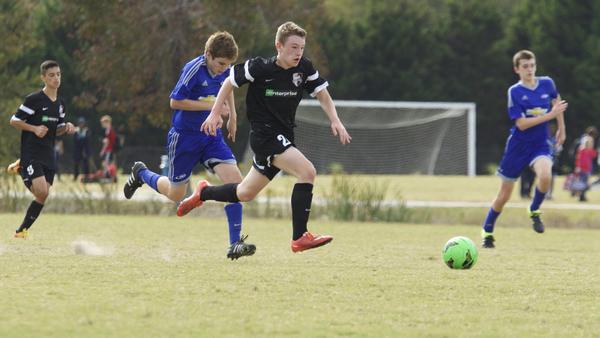

The season is finished, boots are packed away, and players are ready for a breather. But the weeks between campaigns are just as important as the months spent battling for points. A well-planned approach to off season training grassroots football can keep players engaged, maintain sharpness, and ensure everyone comes back stronger when pre-season begins.
The goal isn’t to push players to their limit during the break. It’s about striking a balance , keeping them fit, connected, and motivated without risking burnout. Smart off-season plans help squads return prepared, confident, and less vulnerable to injury.
Why Off-Season Training Matters
It’s tempting to let everyone switch off completely, but neglecting training for several weeks comes at a cost. Players lose conditioning, sharpness fades, and pre-season becomes a steep uphill climb. A lighter, carefully structured off-season programme solves this problem.
Key benefits of off-season training:
Maintains Fitness: Stops conditioning levels from dropping too far.
Retains Skills: Keeps technical sharpness alive.
Sustains Mental Engagement: Keeps players connected to football even when not competing.
Reduces Injury Risk: Active players are less likely to pick up early-season knocks.
Encourages Team Cohesion: Staying in touch prevents players drifting away during long breaks.
One grassroots coach once told me his under-16 side used to vanish over the summer , half wouldn’t come back until two weeks before the new season. When he introduced fun weekly challenges and light training sessions, his retention doubled, and the squad started pre-season miles ahead of their competition.
Key Takeaway: Off-season isn’t a holiday from football; it’s an opportunity to prepare the right way.
Types of Off-Season Training Plans
There’s no single method that works for every grassroots squad. The best coaches mix approaches to create a programme that suits their players’ age, fitness levels, and ambitions.
Individualised Fitness Plans
Tailor conditioning to players’ positions and needs:
Strikers: Emphasise speed and agility. Include 10–20 metre sprints, ladder footwork, and finishing under fatigue.
Midfielders: Prioritise endurance and recovery running. Shuttle runs, interval training, and small-sided games at high intensity are ideal.
Defenders: Build strength and core stability. Bodyweight exercises (planks, squats, push-ups) and resistance work prevent injuries in tackles.
Goalkeepers: Focus on explosiveness and reflexes. Jump squats, medicine ball throws, and quick-reaction drills keep them sharp.
You can share position-specific programmes directly with individuals using the Team Management App so every player knows what’s expected of them.
Skill-Based Drills
Off-season training shouldn’t be fitness-only. Players can keep their touch sharp with daily technical work:
Dribbling Runs: 5–10 minutes weaving through cones at different speeds.
First-Touch Exercises: Bounce passes off a wall, control with one touch, and return the ball.
Passing Routines: Use a rebound net or partner to rehearse one-touch passing.
Shooting Drills: Work on finishing with weaker foot or targeting corners.
Adding variety prevents boredom. You could also set challenges, like “complete 100 accurate passes off the wall every day for a week.”
For more tactical context, see our blog on the best football formations , players can use off-season drills to practise skills that suit specific roles within common setups.
Cross-Training Activities
Football doesn’t need to dominate every training day. Other sports and activities provide balance and all-round athleticism:
Swimming: Builds stamina and improves recovery while being joint-friendly.
Cycling: Enhances leg power and endurance.
Yoga/Pilates: Improves flexibility, balance, and reduces injury risk.
Basketball or Futsal: Fast-paced, builds agility and quick decision-making.
Encouraging players to cross-train not only boosts performance but keeps them engaged by breaking routine.
Rest and Recovery
One of the most overlooked aspects of off season training grassroots football is rest. Young players, especially, need downtime to recover physically and mentally. Encourage:
8+ hours of quality sleep.
Active recovery: Light jogs, walks, or casual games.
Stretching routines with bands or foam rollers.
Burnt-out players don’t perform, so emphasise rest as a vital part of the off-season plan.
Key Takeaways:
Mix conditioning, technical drills, cross-training, and recovery.
Adjust training plans to players’ positions.
Encourage variety to maintain interest.
Creating Personalised Off-Season Plans
Generic plans rarely stick. Players engage more when they feel their programme is tailored to them.
Steps to create effective personalised plans:
Assess Player Needs: Use data, match reports, and conversations to understand what they need to improve.
Set Realistic Goals: Focus on achievable outcomes like “improve 20m sprint time” or “weaker foot passing consistency.”
Incorporate Variety: Rotate between fitness, technical, and fun drills.
Offer Guidance: Provide video demos or written guides for drills.
Get Player Input: Ask players to help shape their plan. Ownership increases commitment.
Example: A winger who excels at pace but struggles with crossing could spend 3 days a week on stamina intervals and 2 days on technical crossing drills, using cones as target zones.
With TeamStats’ Analyse feature, you can log initial stats (speed, accuracy, endurance) and then track weekly progress. This gives players tangible evidence of improvement, which boosts motivation.
Communication Is Key
Plans are useless if communication breaks down. During the off-season, it’s easy for players to drift if coaches don’t stay in touch.
Best practices for communication:
Regular Check-Ins: Weekly updates by message or call.
Group Messaging: Keep the squad connected with training reminders and challenges.
Feedback Sessions: Short calls or meetings to discuss progress and issues.
The Communicate tool is perfect for this. Coaches can share updates, encourage players, and track engagement. Parents can also be kept informed if working with younger squads.
Key Takeaway: Consistent communication keeps accountability high.
Making It Fun
If players see off-season work as a chore, participation plummets. Fun and creativity are essential.
Ideas to gamify off-season work:
Skill of the Week Challenge: Players record themselves completing a new skill, and teammates vote for the best.
Distance Competition: Track who runs the most kilometres in a week.
Mini-Leagues: Use casual 5-a-side or futsal sessions with rotating teams.
Player Input: Let them choose challenges or activities they enjoy.
One summer, I gave my squad a challenge: film themselves pulling off a “nutmeg of the week” on a family member or friend. The laughter it generated kept morale high, and even reluctant players joined in.
Key Takeaway: Fun builds buy-in and improves retention.
Monitoring Progress
Tracking progress ensures accountability and improvement.
Ways to monitor effectively:
Fitness Tests: Use the Yo-Yo test, 20m sprint times, or agility ladders.
Skill Assessments: Passing accuracy drills, first-touch tests, or shooting targets.
Player Feedback Forms: Quick surveys to measure enjoyment and motivation.
Data Tracking: Log training frequency, progress, and consistency.
The Analyse feature in TeamStats makes this easier. Coaches can record stats, generate progress reports, and spot areas for development.
Key Takeaway: Measurable progress motivates players to keep working.
Using TeamStats for Off-Season Management
Managing off-season training requires more than motivation , it requires structure. TeamStats brings everything under one roof.
Organise: Schedule light sessions, challenges, or check-ins. Track availability.
Communicate: Send reminders, motivational notes, and share skills challenges.
Analyse: Log stats, compare data across weeks, and spot improvements.
Finances: Record any facility hire or event costs during the break.
By combining these tools, coaches can maintain engagement and structure across the entire off-season.
Final Thoughts
A successful off-season programme is one of the best ways to improve player retention in grassroots football. By mixing individualised fitness plans, skill-based drills, fun challenges, and consistent communication, coaches can ensure players return fit, sharp, and motivated.
Tools like TeamStats make the process easier, streamlining organisation, feedback, and performance tracking. Off-season isn’t just downtime , it’s a chance to build momentum that carries into the next campaign.
Actionable Next Steps
Assess your squad’s individual needs.
Design balanced plans mixing fitness, skills, and rest.
Use TeamStats to plan, track, and communicate.
Add fun challenges to keep players motivated.
Monitor progress with measurable stats and player feedback.
By treating the off-season as an opportunity rather than a gap, you’ll have players who return sharper, fitter, and more united than ever.