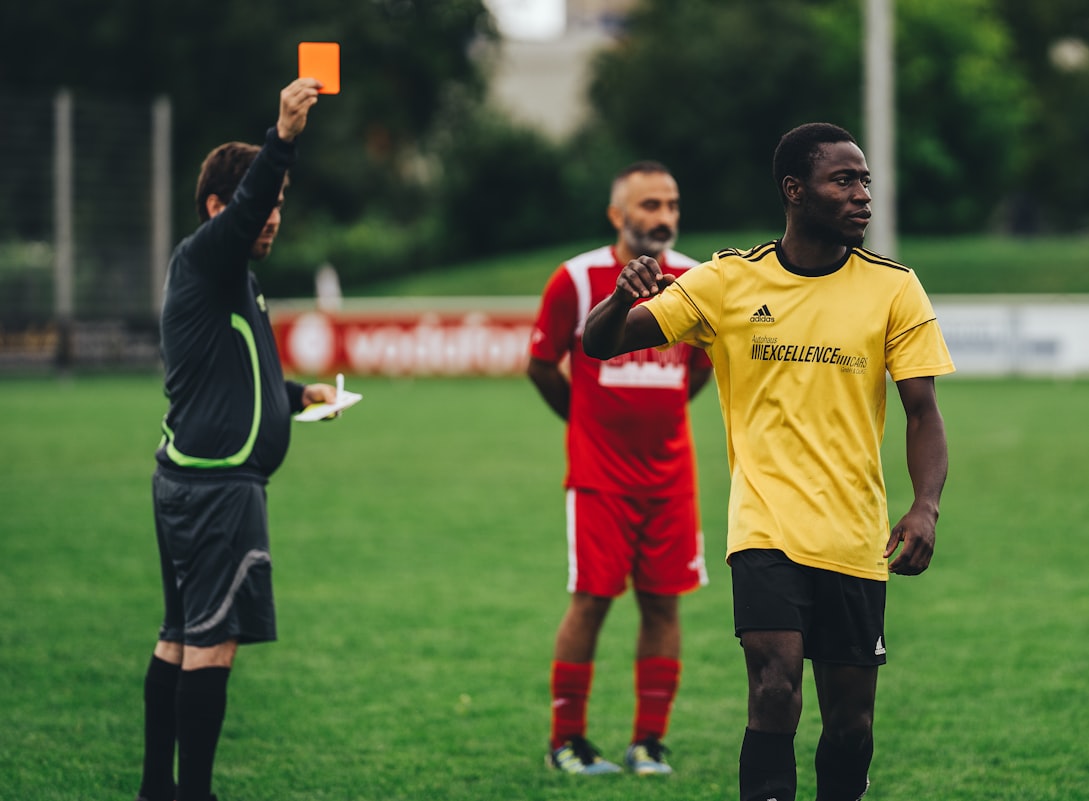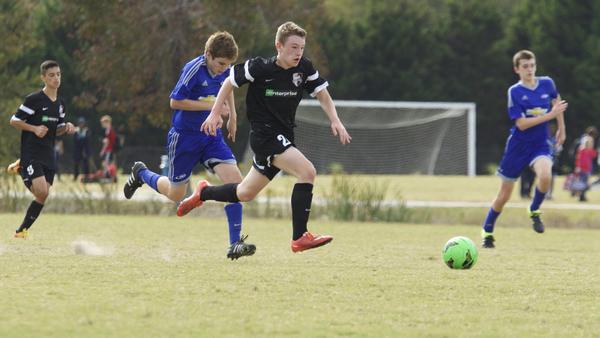

Every youth football team needs a captain who can unite players, communicate with coaches, and set the standard on match day. Yet most grassroots coaches hand out the armband based on skill alone, missing the opportunity to develop genuine leadership that transforms both the individual and the team.
The captain's role extends far beyond coin tosses and handshakes. A strong captain bridges the gap between coaching staff and players, maintains team discipline during heated moments, and embodies the club's values both on and off the pitch. When developed properly, these young leaders carry these skills into adulthood, becoming better teammates, colleagues, and community members.
Understanding the Captain's True Role
Multiple Functions Beyond Traditional Duties
The modern football captain serves multiple functions that many volunteer coaches overlook. Beyond the traditional duties of leading warm-ups and representing the team with officials, captains act as culture carriers who reinforce positive behaviours and challenge negative ones.
Effective captains demonstrate football captain leadership through actions rather than words. They arrive early to help set up training equipment, stay late to collect bibs, and check in with teammates who seem withdrawn or frustrated. These small acts build trust and respect that no amount of shouting or chest-thumping can match.
Communication and Psychological Impact
Communication forms the backbone of football captain leadership. Captains must relay tactical instructions during matches, provide constructive feedback to teammates, and articulate team concerns to the coaching staff. They need to read the emotional temperature of the group and respond appropriately - knowing when to motivate, when to calm, and when to listen simply.
The psychological impact of a well-trained captain ripples through the entire squad. Players feel more confident knowing they have peer support, parents see mature behaviour modelled for their children, and coaches can focus on tactics rather than constantly managing discipline issues.
Identifying Leadership Potential
Looking Beyond Talent
Selecting the right captain requires looking beyond the most talented player. Natural leaders often reveal themselves through subtle behaviours during training and matches. They help younger players with technique, organise equipment without being asked, and maintain composure when things go wrong.
Age and experience matter less than emotional maturity and communication skills. Some under-12s demonstrate remarkable leadership qualities while certain under-16s still struggle with basic responsibility. The key lies in identifying players who genuinely care about team success over individual glory.
Watch for players who instinctively encourage teammates after mistakes, mediate conflicts during training, and maintain effort levels when losing heavily. These behaviours indicate the foundation for football captain leadership development.
Rotation Systems
Consider implementing a rotation system where multiple players experience leadership responsibilities throughout the season. This approach develops depth in leadership while preventing any single player from becoming overwhelmed. Team management apps can track leadership assignments and monitor how different players handle captain duties.
Building Core Leadership Skills
Communication Training
Developing strong captains requires structured training beyond regular football sessions. Communication skills need specific attention - teaching players how to deliver clear, positive messages under pressure takes practice and patience.
Start with basic scenarios during training. Have potential captains lead small-sided games, explaining rules and managing disputes. Progress to more complex situations like addressing the team after a heavy defeat or motivating players during a winning streak. These controlled environments allow young leaders to experiment with different approaches whilst coaches provide immediate feedback.
Decision-Making Under Pressure
Decision-making under pressure separates good captains from great ones. Create training exercises that force quick choices - who takes the penalty, which formation to suggest when trailing, and how to respond to an aggressive opponent. Discuss these decisions afterwards, exploring alternatives and consequences without criticism.
Emotional Intelligence Development
Emotional intelligence often determines captaincy success more than tactical knowledge. Teach captains to recognise frustration in teammates, identify when someone needs encouragement versus space, and understand how their own emotions affect the group. Simple observation exercises during training help develop these crucial awareness skills.
Practical Training Exercises
Captain's Challenge
Leadership development happens through deliberate practice, not lectures. Incorporate these exercises into regular training sessions to build captaincy skills progressively.
The "Captain's Challenge" exercise places the captain in charge of a 15-minute training segment. They must plan the activity, explain it clearly, manage the group, and adapt when things don't go as planned. This builds confidence whilst revealing areas needing improvement.
Communication Drills
Communication drills sharpen the verbal skills essential for match-day leadership. Have captains stand at one end of the pitch and guide blindfolded teammates through an obstacle course using only voice commands. This exercise highlights the importance of clear, calm instruction under pressure.
Scenario-Based Discussions
Scenario-based discussions after training explore leadership dilemmas. Present situations like "Your best friend keeps arriving late to training" or "Two players won't pass to each other during matches." Let the captains propose solutions, then discuss as a group. These conversations develop problem-solving skills and ethical decision-making.
Rotate leadership responsibilities during different training activities. One captain leads the warm-up, another manages equipment distribution, and a third runs the cool-down. This approach develops versatile leaders whilst preventing captain burnout. Football coaching apps help track these rotations and ensure equal development opportunities.
Managing Team Dynamics
Personality Types and Adaptation
Strong captains understand that every team contains different personalities requiring different approaches. The class clown needs boundaries without crushing their spirit, the perfectionist needs permission to make mistakes, and the quiet achiever needs recognition without embarrassment.
Teach captains to identify these personality types and adapt their communication style accordingly. Role-playing exercises where captains practise motivating different character types build this flexibility. A shy defender might respond to quiet encouragement, whilst an overconfident striker might need respectful challenge.
Conflict Resolution
Conflict resolution skills prove invaluable when tensions rise during competitive matches. Captains must learn to separate people from problems, finding solutions that preserve relationships whilst addressing issues. Teaching basic mediation techniques - active listening, finding common ground, proposing compromises - equips young leaders for inevitable team conflicts.
Coach Relationships
The captain's relationship with the coaching staff requires careful navigation. They need to support coaching decisions whilst maintaining credibility with teammates. Regular captain-coach meetings create space for honest dialogue about team issues, upcoming challenges, and leadership development progress.
Developing Resilience and Mental Strength
Gradual Pressure Introduction
Football captain leadership faces its toughest tests during adversity. Losing streaks, injuries to key players, and conflicts within the squad all challenge a captain's resolve. Building mental resilience before these situations arise proves far more effective than reactive damage control.
Introduce pressure gradually during training. Start with small challenges like leading the team whilst trailing 2-0 in a training match, then progress to managing more complex scenarios. Debrief these experiences thoroughly, focusing on what worked rather than dwelling on mistakes.
Self-Reflection
Self-reflection forms a crucial component of leadership development. Encourage captains to maintain a simple journal noting leadership challenges faced, actions taken, and outcomes achieved. Reviewing these entries with coaches identifies patterns and growth opportunities whilst building self-awareness.
Learning From Failure
Failure provides powerful learning opportunities when framed correctly. When captains make poor decisions or communication breaks down, treat these moments as development chances rather than disciplinary issues. Analyse what happened, explore alternatives, and plan different approaches for similar future situations.
Supporting Different Age Groups
Age-Appropriate Development
Leadership development must align with cognitive and emotional development stages. Under-10 captains might focus on basic responsibilities like leading stretches and collecting bibs, whilst under-16 captains tackle complex interpersonal dynamics and tactical leadership.
Younger age groups benefit from simple, concrete leadership tasks. "Captain of the Day" programmes, where different players rotate through basic leadership roles, introduce concepts without overwhelming developing minds. Focus on one skill at a time - this week communication, next week organisation, then encouragement.
Adolescent Challenges
Adolescent captains face unique challenges as peer relationships become increasingly complex. Hormonal changes, social pressures, and identity formation all impact leadership effectiveness. Provide extra support during these transitions, acknowledging that leadership ability might fluctuate with personal development.
Adapt expectations based on team maturity levels. A captain in an under-12 recreational team needs different skills than one leading a competitive under-16 squad. Consider the broader context when setting leadership development goals and measuring progress.
Creating a Leadership Culture
Distributed Leadership
Strong captains emerge from strong leadership cultures where responsibility and initiative are valued throughout the squad. When every player understands leadership principles, the captain's role becomes easier and more effective.
Implement leadership groups rather than relying on a single captain. Vice-captains, team representatives, and equipment managers all contribute to distributed leadership that builds depth and resilience. This approach also provides development pathways for emerging leaders.
Celebrating Leadership Behaviours
Celebrate leadership behaviours regardless of who demonstrates them. When a substitute player encourages the starting eleven or a defender organises the back line without prompting, public recognition reinforces these positive actions. This creates an environment where leadership becomes everyone's responsibility.
Parent Education
Parent education plays a vital role in supporting youth leadership development. When parents understand the captain's role and challenges, they can reinforce positive messages at home while avoiding undermining the captain's authority. Regular communication about leadership development goals helps align club and family values.
Measuring Leadership Progress
Clear Benchmarks
Effective leadership development requires clear benchmarks and regular assessment. Rather than relying on match results or subjective impressions, establish specific leadership indicators to track progress objectively.
Create simple rubrics covering key leadership areas: communication clarity, conflict resolution, team motivation, and training organisation. Rate performance on a basic scale, providing specific examples to support assessments. This structured approach identifies strengths and development areas whilst showing captains their growth over time.
Peer Feedback
Peer feedback provides valuable insights often missed by adult observers. Anonymous team surveys asking about captain effectiveness, areas for improvement, and specific helpful actions reveal how leadership impacts the squad. Handle this feedback sensitively, focusing on constructive themes rather than individual criticisms.
Video Analysis
Video analysis of captain behaviour during matches offers objective evidence of leadership development. Review footage focusing on body language, communication patterns, and responses to challenging situations. TeamStats platforms can help track and analyse these leadership metrics alongside traditional performance data.
Common Pitfalls and Solutions
Over-Reliance on a Single Captain
Many well-intentioned football captain leadership programmes fail due to predictable mistakes. Recognising these pitfalls helps coaches avoid them whilst building more effective development systems.
Over-reliance on a single captain creates fragility in team leadership. When that player gets injured, suspended, or simply has an off day, the entire team structure wobbles. Develop multiple leaders to ensure continuity and reduce pressure on individual players.
Selection Based Solely on Ability
Selecting captains based solely on ability sends the wrong message about leadership values. When the best player automatically gets the armband regardless of leadership qualities, it undermines the importance of communication, empathy, and responsibility. Make selection criteria explicit and stick to them.
Insufficient Post-Appointment Support
Insufficient support after the appointment leaves captains struggling with new responsibilities. Regular check-ins, specific skill development, and clear expectations prevent overwhelm whilst building confidence. Schedule monthly captain development sessions separate from regular training.
Lack of Meaningful Involvement
Failing to involve captains in meaningful decisions reduces them to ceremonial figureheads. Include captains in discussions about training focus, team rules, and match tactics (at an age-appropriate level). This involvement builds genuine leadership experience whilst improving buy-in from the wider squad.
Conclusion
Developing strong captains requires intentional effort beyond simply handing out armbands to talented players. Through structured training, clear expectations, and consistent support, youth football coaches can nurture leaders who positively impact their teams both on and off the pitch.
The investment in football captain leadership development pays dividends far beyond match results. These young leaders learn communication skills, emotional intelligence, and responsibility that serve them throughout life. They become better students, employees, and citizens because they learned to lead with empathy and integrity on the football pitch.
Start small with captain development programmes. Choose one or two key skills to focus on this season, implement regular leadership exercises during training, and create opportunities for captains to practise in low-pressure situations. Track progress through simple assessments and celebrate growth regardless of match outcomes.
Remember that every professional captain started as a youth player learning these fundamental skills. By taking leadership development seriously at the grassroots level, coaches contribute to both immediate team success and long-term player development. The captain developed today might inspire the next generation of players tomorrow. Ready to develop youth leaders systematically? Join TeamStats to track leadership assignments and monitor captain development alongside team performance.
═══════════════════════════════════════════════════════════════