
There’s no question that the game has evolved in the last few years with virtually every team at the top level becoming more possession based with the effects of this filtering down through to the junior grassroots game. Most teams I watch on Sunday mornings make an attempt to play out from the back and through the thirds. Sometimes this is effective and other times, as is to be expected, there are a few mishaps. Obviously, the technical capability of the players is the key factor that determines whether this strategy is successful or not but there is another important factor that has a huge bearing on what the game looks like, the pitches that we play on.
The relationship between surface and skill has never been more relevant than in today's game where players contact time with the ball is much higher. For years the muddy parks pitches were the standard we were expecting to develop players on, but more recently very well maintained grass pitches tended by our dedicated volunteers have become more common and of course the increase in 3G state of the art surfaces have been literally game changing. This transformation hasn't occurred in isolation, it reflects broader changes to improve all levels of the game and shifting philosophies about how young footballers should be developed.
The common perception is that we need better pitches to create better football players. Yet for all the technological advancement and scientific understanding we've gained, can we really understand what type of surface truly produces the most complete player, and are we inadvertently narrowing the developmental pathway by moving away from football's chaotic, unpredictable roots?
Are we creating technically superior players through consistent, predictable surfaces? Or are we inadvertently removing the challenges that have historically forged the resilience and adaptability that characterise the best footballers? The answer, as with most things in football, is more complex than it first appears.
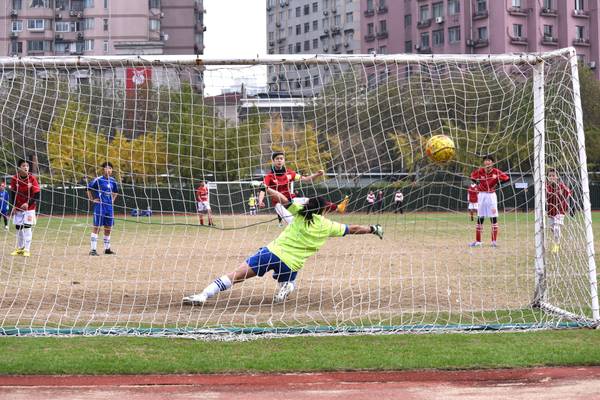
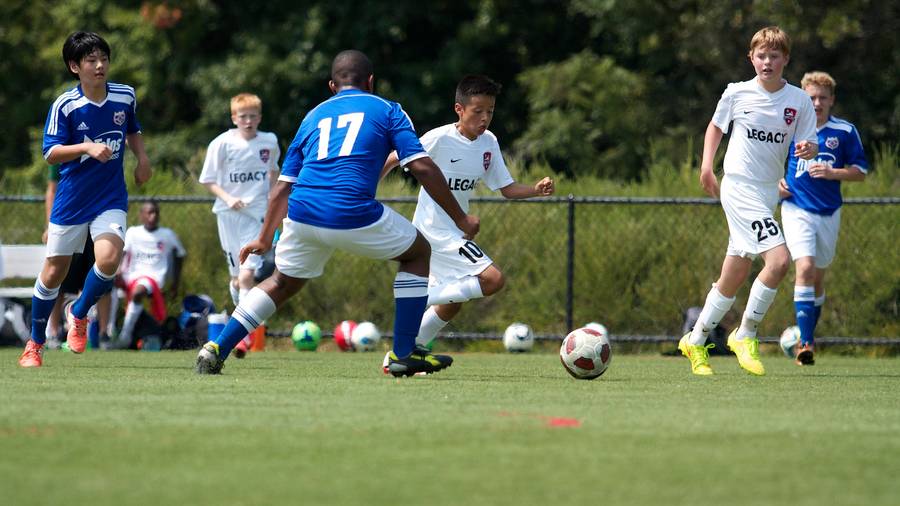
Traditional grass pitches remain the emotional heart of grassroots football, representing not just a playing surface but a connection to the game's deepest roots. Yet the reality of natural grass varies enormously across the grassroots landscape. At one end of the spectrum, we have lovingly maintained club pitches with perfect drainage, lush green surfaces, and consistent playing conditions that allow for fluid, technical football. Here, young players learn that they can trust their first touch, develop intricate passing patterns and build confidence in their technical ability. The ball behaves predictably, bouncing true and rolling smoothly, enabling players to focus on the finer points of technique rather than simply maintaining possession.
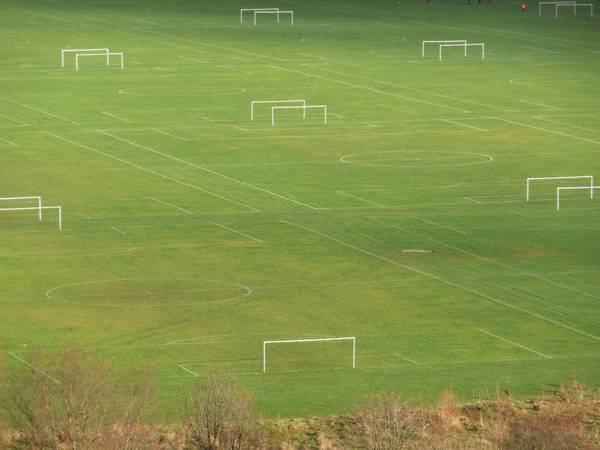
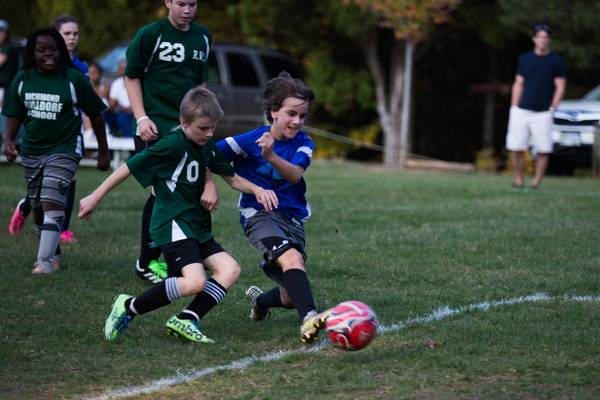
However, this represents only a fraction of grassroots football experiences. Far more common are the council-maintained pitches that serve multiple purposes throughout the week. Dog walking areas by day, football pitches by weekend with limited resources for proper maintenance. These surfaces present a completely different developmental environment. Every touch of the ball becomes a problem solving exercise, every pass requires adjustment for surface irregularities, and every player learns to expect the unexpected. The 8 year old who masters the ball on a bumpy, uneven pitch isn't just developing a better technique, they're building a resilience, learning to adapt under pressure and developing football intelligence that comes from constant micro-adjustments to their conditions.
The seasonal transformation of natural grass adds another dimension to player development that's often overlooked. A pitch in September presents entirely different challenges to the same surface in February. Early season games on firm, fast surfaces teach players about timing, pace and precision.
As winter approaches and conditions deteriorate, the same players learn to adjust their touch, modify their passing weight and find different ways to be effective when the surface no longer cooperates.
Winter football on heavy, muddy pitches when conditions become genuinely difficult require young players to find solutions they never knew they possessed. The defender may learn to position themselves more carefully because recovery runs become laborious on heavy surfaces, the midfielder discovers new ways to protect possession and the striker finds different methods of holding up play when explosive pace is neutralised by heavy ground. These are technical adjustments and also fundamental lessons in problem solving and finding ways to be effective when circumstances are far from ideal.
From a physical development perspective, playing on variable surfaces can provide benefits that can’t always replicated in controlled environments. The constant adjustments required on uneven ground develop proprioception and core stability. The additional effort needed to move through muddy conditions builds functional strength and cardiovascular endurance. The unpredictable bounces and surface changes improve reaction times and spatial awareness. These physical adaptations occur almost unconsciously, building a foundation of athleticism that helps players throughout their footballing lives.
Footage of some of the world’s greatest ever players shows them honing their skills on back streets and waste ground pitches as juniors. Diego Maradona famously grew up in poverty and would spend his days mastering kicking a small ball around the dirt track streets outside his home. There are few more skilful players to have ever played the game.
Yet this romantic idea of building through adversity must be balanced against practical realities.
Modern football development increasingly demands high levels of technical proficiency from young ages. Professional clubs expect players to arrive with refined skills already in place, and the narrow pathway to elite football means that developmental opportunities cannot be squandered on surfaces that might hinder technical progress because the ball never behaves properly. The emergence of 3G artificial turf has introduced an entirely new variable into this developmental equation. Modern 3G surfaces offer consistency that was unimaginable just a generation ago, providing predictable ball roll, reliable footing and weather resistant playing conditions that have revolutionised facility management. For grassroots clubs, these surfaces represent liberation from ever present weather cancellations, waterlogged pitches and the constant struggle to maintain playable natural grass on limited budgets.
From a technical development perspective, the benefits of artificial surfaces are now well documented. Research has shown that FIFA 2-star rated artificial turf is a viable alternative to natural grass in elite level competition, and many coaches report accelerated skill development when players train consistently on predictable surfaces. The ball behaves according to physical laws rather than surface irregularities, allowing players to focus entirely on technique refinement. Passing drills can be executed with snap and precision, shooting practice produces consistent results and tactical exercises that rely on exact ball movement become more accessible at all levels. This enables a more systematic approach to player development that aligns with modern coaching techniques.
However, this technical enhancement may come with hidden developmental costs. The very predictability that makes artificial surfaces attractive for skill development simultaneously reduces the problem solving demands that build truly elite players. Those split second adjustments, instinctive balance corrections and adaptive thinking required on variable surfaces may be crucial components of expertise development that cannot be replicated in controlled environments.
The injury debate surrounding artificial surfaces has evolved significantly in recent times. Early concerns about increased injury rates on synthetic surfaces have given way to more nuanced understanding. Recent studies have found no significant difference in overall injury rates between artificial turf and natural grass though there are some specific concerns. The available research suggests a higher rate of foot and ankle injuries on artificial turf compared with natural grass, with ankle ligament damage being particularly prevalent.
Economic realities ultimately determine what surfaces are available to most players. Grass pitches require constant upkeep with mowing, marking, reseeding and drainage which all cost time and money, and without investment they quickly fall into disrepair. Artificial pitches, while much more durable, demand significant capital outlay and eventual replacement, as the synthetic fibres wear down after a decade or so. For grassroots clubs operating on tight budgets, these costs dictate the opportunities available to their players.
Ultimately, no single surface holds all the answers. Grass connects football to its heritage, teaching players to adapt and respond to changing conditions. Mud breeds resilience and physical strength, instilling lessons in determination. Artificial turf provides consistency, enabling technical refinement and uninterrupted access to the game. Each carries strengths and drawbacks, and the true impact on player development depends on how these environments are integrated into a young footballer’s journey. Exposure to different types of playing surface encourages versatility and prepares players for the varied conditions they will inevitably face across their footballing lives. The danger lies in relying only on one type, whether through neglect of natural pitches or complete dependence on synthetic ones. The richness of grassroots football has always come from its diversity, from Sunday league teams sliding about in the rain to private academies training on immaculate floodlit turf.
Preserving that variety, and ensuring players experience the full spectrum of footballing environments may be the key to developing not only skilful players but also resilient young people.