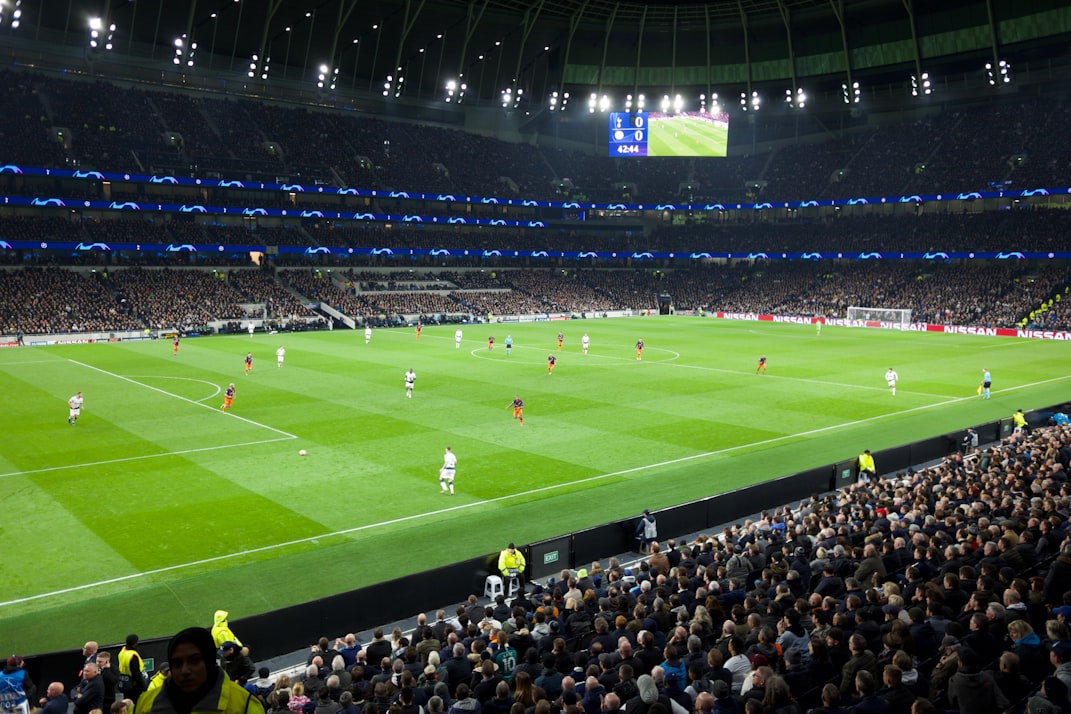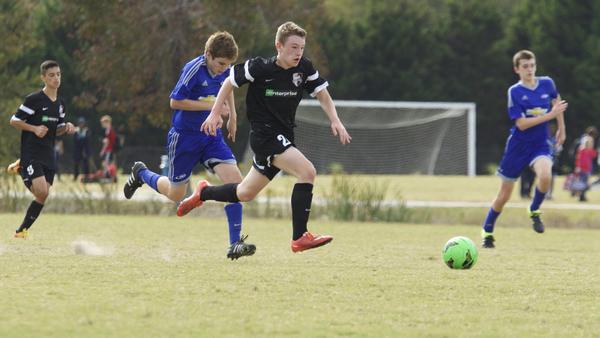

You’re one-nil up, the clock is ticking into the final 15 minutes, and the opposition is throwing everything at you. Your players are starting to look tired, and every long ball into your box feels like a potential disaster. This is where matches are won and lost. It’s not about luck; it’s about control. Mastering the art of game management tactics amateur football is what separates a good team from a team that knows how to win.
This isn’t about the dark arts of time-wasting. It’s about being smart, organised, and tactically disciplined when the pressure is at its highest. It’s about controlling the tempo, making intelligent decisions, and ensuring that you dictate the final, crucial moments of the match.
Understanding Game Management: More Than Just Wasting Time
Think of yourself as the conductor of an orchestra. For the first 75 minutes, you might have been playing a fast, attacking tune. But for the final crescendo, you need to change the tempo. You need to quieten things down, ensure every player is playing their part perfectly, and guide them to a controlled, successful finish. That’s game management.
It’s the conscious, tactical decisions you and your players make to maintain control of a match, especially when you’re in a winning position. It is not simply ‘parking the bus’. It’s an active, intelligent strategy that requires concentration from every single player. It’s about recognising the flow of the game and making the necessary adjustments to see it out safely.
Tactical Adjustments to Protect a Lead
When you’re ahead, the game changes. Your priority shifts from chasing goals to protecting the one you have. This requires a change in mindset and often a change in shape.
Shifting Your Defensive Shape
One of the most common game management tactics amateur football is to alter your formation. If you’ve been playing an attacking 4-3-3, consider switching to a more solid 4-5-1. This packs the midfield, making it much harder for the opposition to play through you. It provides extra cover for your defence and reduces the space for their creative players to operate in.
When to Make the Switch
Timing is everything. Make a defensive switch too early, say with 30 minutes to go, and you invite relentless pressure onto your team, which can be mentally and physically exhausting. Make it too late, and the opposition may have already built up a dangerous head of steam.
A good rule of thumb is to make the change around the 70-75 minute mark, or when you see the first signs of your players tiring or the opposition starting to create clear chances. It gives your team enough time to adapt to the new shape without being under siege for a prolonged period.
Controlling the Tempo
Slowing the pace of the game is vital. This doesn’t mean blatantly wasting time, but being deliberate in your actions.
Slow Down Set Pieces: Take your time with goal kicks, free kicks, and corners. Use this as an opportunity for your players to get their breath back and reorganise.
Keep Possession: Encourage your players to play short, simple passes in their own half. Make the opposition chase the ball. This is not only frustrating for them, but it’s also the safest way to defend.
Play to the Corners: If you get a throw-in or a free kick deep in the opposition’s half, it’s a golden opportunity. Keep the ball in the corner. It’s incredibly difficult to defend against and eats up precious seconds.
The On-Pitch Leaders: Communication and Using Your Bench
Effective game management relies on clear instructions and having players on the pitch who can execute the plan.
I’ll never forget a tense semi-final a few years back. We were 2-1 up, but our opponents were relentless. My captain, a centre-back who wasn’t the most gifted player but was a brilliant leader, was like a second coach on the pitch. He was constantly talking, organising the defensive line, telling the wingers when to track back, and reminding the midfielders to hold their shape. In the 88th minute, I brought on a tall, strong midfielder with fresh legs, with the simple instruction to win headers and break up play. He won three crucial aerial duels in the final minutes. We won the game not because we were the better team on the day, but because we managed those final moments perfectly.
Clear Communication is Key
Your players need to know exactly what you want from them. Use simple, clear instructions from the touchline. Encourage your players to talk to each other constantly. Simple shouts like “hold,” “squeeze,” or “tuck in” can keep the team’s shape compact and organised.
Using Your Bench Wisely
Your substitutes are a powerful tool for game management.
Fresh Legs: Bringing on an energetic player can make a huge difference against a tiring opposition. They can close down players, make recovery runs, and inject some much-needed intensity.
Tactical Switches: Use your subs to facilitate a change in formation. Bringing on a defensive midfielder for a striker is a classic move to shut up shop.
Breaking Up Play: A late substitution can disrupt the opposition’s rhythm and run down the clock. Just be smart about it to avoid a yellow card.
Countering the Opposition's Final Push
When you start to manage the game, the opposition will react. They’ll likely become more direct, push their big defenders forward, and take more risks. You must be prepared for this.
Keeping one of your faster strikers on the pitch, even in a more defensive formation, can be a brilliant counter-tactic. It gives your team an out-ball to relieve pressure and, crucially, it forces one or two of their defenders to stay back. This prevents them from throwing absolutely everyone forward and gives their manager something to worry about.
The Mental Game: Staying Calm Under Pressure
Tactics are important, but game management is also a mental battle. As a coach, your composure is infectious. If you are calm and confident on the touchline, your players will be too.
Dealing with Frustration
The opposition will get frustrated. This can lead to late tackles and verbal altercations. It is absolutely essential that your players do not react. A silly retaliatory foul or a moment of dissent can lead to a dangerous free kick or even a red card, undoing all your hard work. Preach discipline and focus.
Building a Winning Mentality
Practising these scenarios in training is key. Play 11v11 games where one team is tasked with protecting a one-goal lead for the final 15 minutes. This builds the tactical understanding and the mental resilience required to do it when it really matters. It builds belief.
Learning and Improving Your Game Management
The best way to get better at managing games is by analysing your past performances. This is where a platform like TeamStats becomes essential. After a match, you can review key statistics and reports to understand what went right and what went wrong.
Our team management app allows you to track player performance and analyse match data, providing valuable insights to help you refine your game management tactics amateur football. By understanding the data, you can make more informed decisions when you’re under pressure.
Being able to adapt your tactics is crucial in grassroots football. Don’t be afraid to make changes. Winning smart is just as important as playing well.