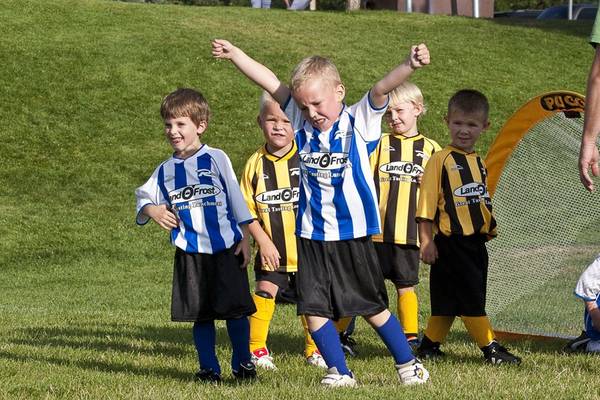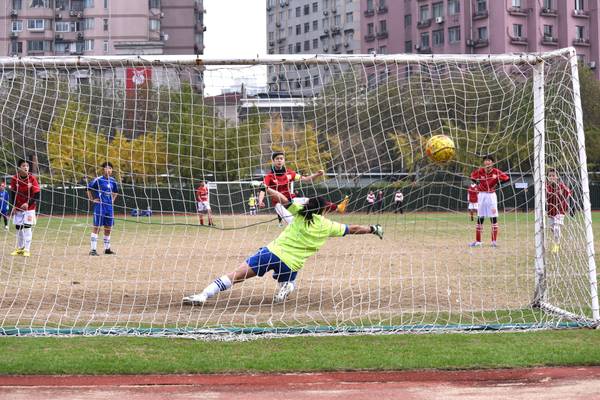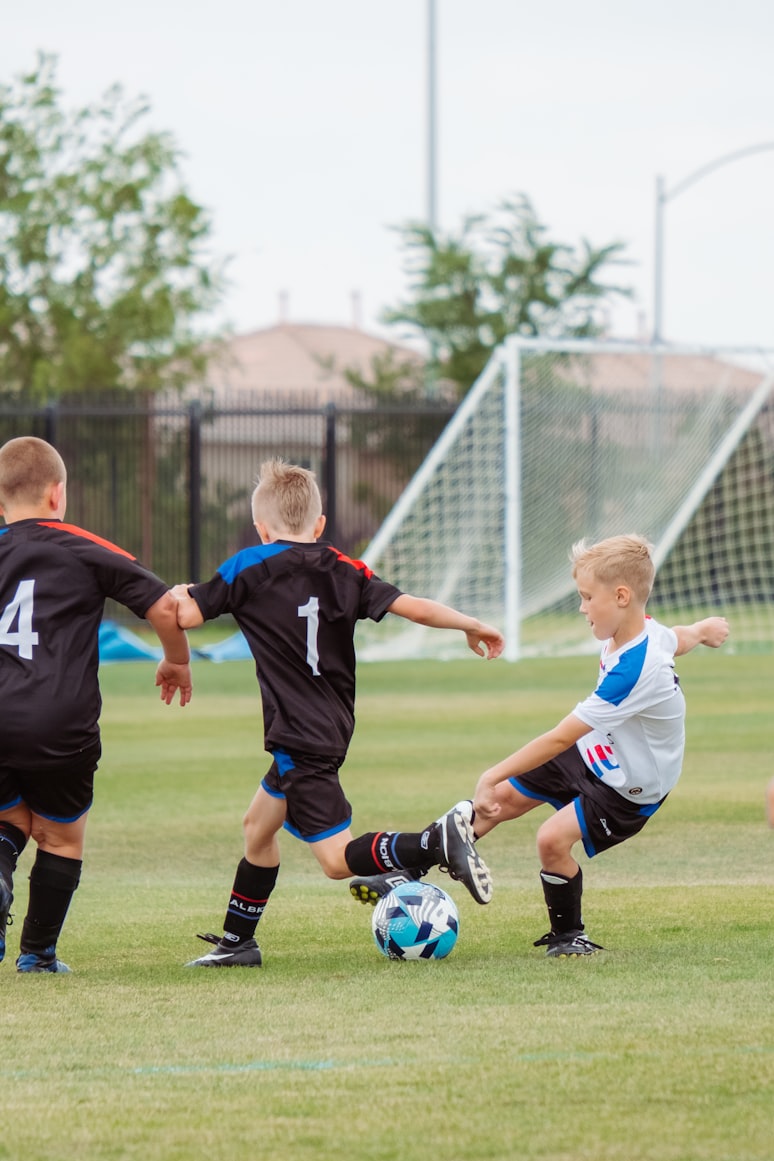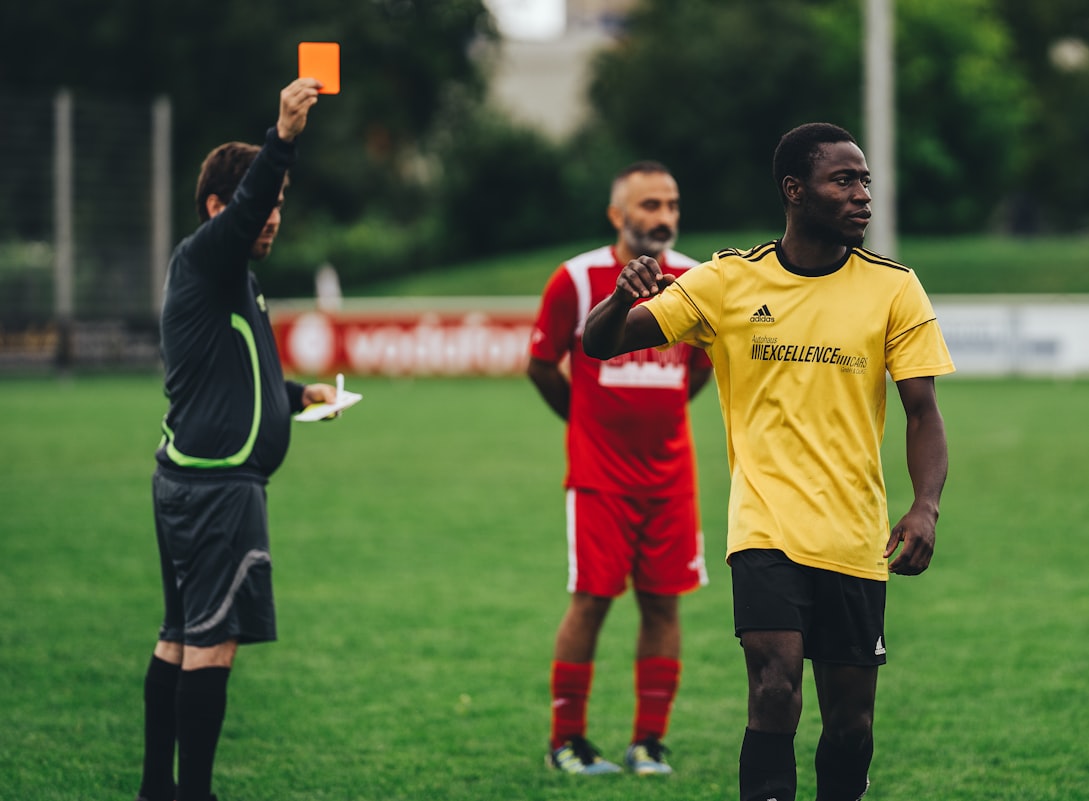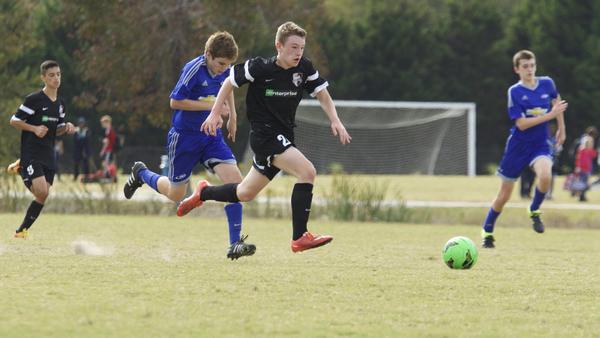

The shrill blast of a whistle, a pointed finger, and a decision is made. In the heart of a grassroots football match, that sound can feel like the most important thing in the world. For young players, learning to handle those moments, the good, the bad, and the controversial, is as fundamental as learning to pass a ball. It’s crucial to instil respect for match officials in young footballers from the get-go.
Referees are absolutely essential for fair play and the smooth running of any match. When we teach respect for referees in youth football, we are doing more than just encouraging good manners. We are building the foundation for a positive, resilient, and enjoyable sporting culture that benefits everyone, both on and off the pitch. It’s a collective responsibility, and it starts with the adults on the touchline.
Why Respect for Referees is the Bedrock of Youth Football
Teaching youth football players to respect referees is about fostering a healthy sporting environment where the game itself can flourish. When young players appreciate the role of the official, they develop a deeper understanding of rules, fairness, and structure. This creates a more enjoyable and productive atmosphere for everyone involved, from the players to the parents shivering on the sideline.
Think of a referee as being like a traffic warden at a busy intersection during rush hour. Their job isn't to pick a favourite car or to make one driver's journey harder than another's. Their job is to keep the traffic flowing safely and fairly, applying a consistent set of rules so that everyone can get where they're going. Without them, you’d have chaos. Some drivers might get through faster by being aggressive, but the whole system would break down. It’s the same on the pitch. The referee keeps the game moving, and respecting their authority is what allows for a fair contest.
This respect translates directly into player development. It teaches:
Discipline: Accepting a decision, even when it’s difficult, builds mental toughness.
Emotional Control: Players learn to manage frustration and channel it into their performance, not into dissent.
Focus: Arguing with an official wastes energy and takes a player's head out of the game. Respect keeps them focused on what they can control.
The Ripple Effect: How Adults Shape Player Attitudes
Children are experts at mimicry. They don’t just copy the fancy footwork they see from their favourite players; they copy the attitudes they see from the most influential adults in their lives, their coaches and parents. If the touchline is a constant barrage of criticism aimed at the referee, what message does that send?
The Coach's Sideline Demeanour
As coaches, we set the tone. Our reactions are a live demonstration of the team's values. A calm and composed coach breeds a calm and composed team. A coach who constantly questions, complains, or yells at the official gives players a green light to do the same.
I remember a young coach I knew, let's call him Mark. He was passionate and brilliant with tactics, but he had a short fuse with referees. During a tight U12s cup match, a 50/50 penalty appeal was waved away. Mark was furious, pacing his technical area and muttering loudly about the decision for the next five minutes. His star player, a talented midfielder named Leo, saw this. A few moments later, Leo lost the ball in a tackle and immediately threw his hands up, screaming at the ref for a foul. He was booked for dissent. For the rest of the game, Leo’s focus was gone; he was playing against the official, not the opposition.
After the match, Mark realised his own behaviour had directly impacted his player's. He’d taught Leo that blaming the official was an acceptable response to adversity. It was a powerful lesson. The following week, he apologised to his team and made a commitment to them that he would only communicate with officials respectfully. His team’s discipline improved almost overnight.
The Parents' Role in the Stands
Parents want the best for their children, and that passion is a huge part of what makes grassroots football special. However, that passion can sometimes spill over into criticism of the referee. A groan after a free-kick is given against your team, a loud "How was that not a foul, ref?!", these things don't go unnoticed by the players.
It’s vital for parents to remember that their role is to be a source of positive support. Cheering for effort and good play, for both teams, creates an atmosphere where respect is the norm. It reinforces the coach’s message and allows the kids to simply enjoy the game.
Practical Strategies for Teaching Respect in Your Squad
Building a culture of respect isn't a one-off conversation; it's an ongoing process woven into your team's fabric. It requires proactive and consistent effort, starting from the best age to start playing football.
Making the Rules of the Game Accessible
Many young players simply don't have a deep understanding of the laws of the game. Their frustration often stems from ignorance rather than malice.
Hold short, regular rule sessions. Dedicate five minutes at the start of training to explain a specific rule, like offside or what constitutes a foul.
Use visual aids. Show short video clips of decisions to help them understand the referee's perspective.
Run a quiz. Make it a fun, competitive part of training. Understanding the rules is a core part of how to teach respect to referees in youth football.
Bringing the Referee's Perspective to Life
The referee can often seem like an abstract figure of authority. Humanising them is a powerful tool. If possible, invite a local youth referee to a training session to speak to the team. They can explain their journey, the challenges they face, and how difficult it is to make split-second decisions. This insight can be transformative for a young player's perspective.
Positive Reinforcement in Action
Catch players being respectful and make a big deal of it. When a player helps an opponent up, accepts a throw-in decision without complaint, or shakes the referee's hand sincerely after the match, praise them publicly.
"Great sportsmanship today, Sarah, for accepting that call and getting on with the game."
"Tom, I was really impressed with how you supported your teammate when he was feeling frustrated."
This reinforces that you value character as much as you value goals.
Establishing a Code of Conduct
Work with your players to create a simple Team Code of Conduct at the start of the season. Include a specific point about behaviour towards match officials. Having the players contribute to this document gives them a sense of ownership.
You can easily share this document with players and parents using our TeamStats platform, ensuring everyone is aware of the standards expected. It becomes a reference point for the entire season.
Handling Disagreements the Right Way
Disagreements are a natural part of football. The key is teaching players how to handle them constructively. Arguing is not an option, but asking for clarification can be, if done correctly.
The Captain's Role as a Communicator
Empower your team captain to be the sole player who can approach the referee during a stoppage in play. Teach them how to ask questions respectfully.
Instead of: "Ref, that was never a foul!"
Try: "Excuse me, referee, could you please explain what you saw on that play so I can let my team know?"
This simple change in language transforms a confrontation into a conversation. It shows a desire to understand, not to challenge. This is a core lesson when you teach respect for referees in youth football.
Learning from Mistakes – Theirs and the Referee's
Referees are human, and they will make mistakes. Use these moments as coaching opportunities. Explain to your players that just like they might misplace a pass, an official might miss a call. The response shouldn't be anger; it should be resilience. The challenge is to not let a decision you can't control affect your next action in the game.
How Our Team Management App Helps Build a Culture of Respect
Creating this environment is made simpler with the right tools. Our team management app is designed to help you streamline communication and reinforce your team's values.
Organise: Use the scheduling feature to plan pre-season meetings with parents and players where you can explicitly discuss and agree upon your Code of Conduct regarding match officials.
Communicate: Share educational resources, rule-explainer videos, or positive articles on sportsmanship directly through the app. This keeps the message consistent and at the forefront of everyone’s mind.
Analyse: After a match, you can make notes on instances of great sportsmanship, not just goals and assists. These can be highlighted in your next team talk to celebrate the players who are living the team's values.
The Final Whistle
The most effective ways to teach respect for referees in youth football are rooted in consistency, communication, and leading by example. It’s about shifting the focus from simply winning to developing well-rounded, disciplined, and respectful young people who love the game.
By taking these steps, you create an environment where players can thrive, referees feel valued, and the beautiful game is played in the right spirit.
Ready to build a stronger, more respectful team culture? Explore how TeamStats can help you organise and communicate more effectively. If you have any questions, feel free to get in touch with our team.