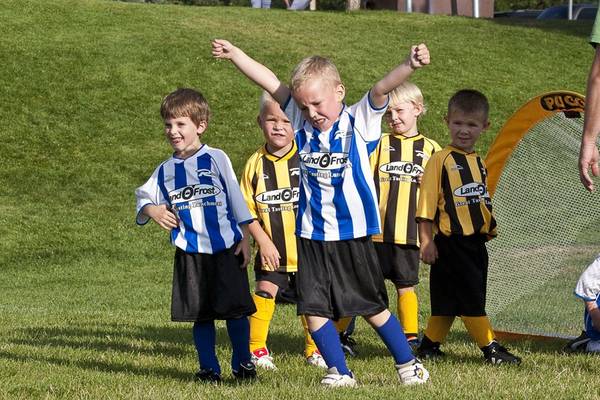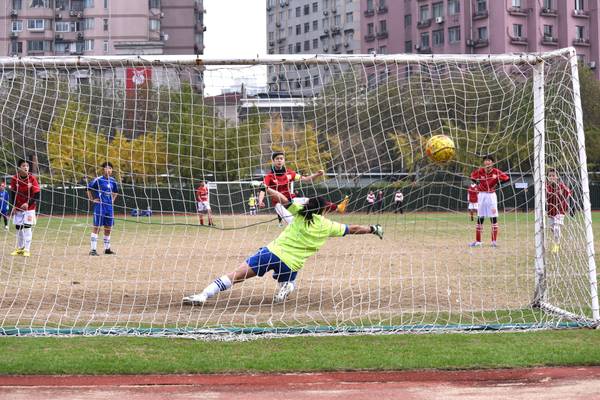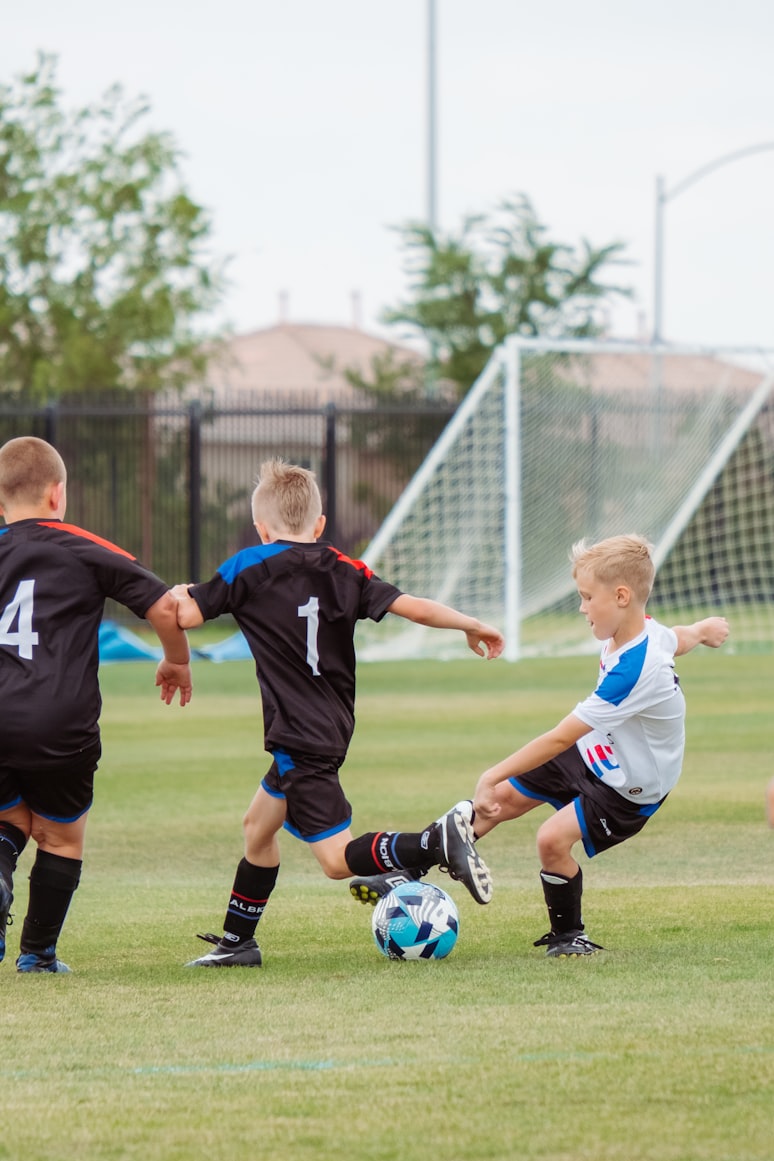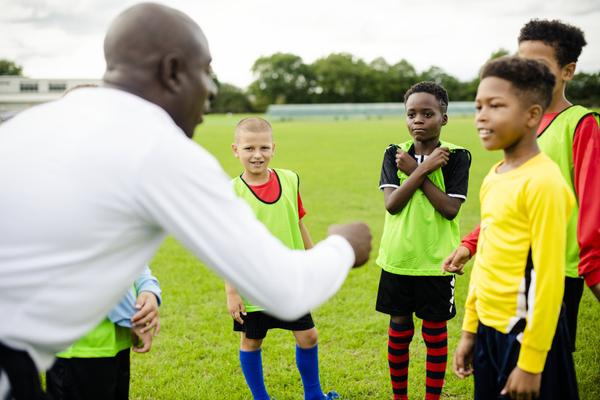

Technical ability and physical fitness receive significant attention in grassroots football development, yet the cognitive skills separating exceptional players from merely competent ones often remain underdeveloped. Reading the game football intelligence determines whether talented players fulfill their potential or struggle despite superior technical gifts. Teaching young players to anticipate situations, recognize patterns, and make intelligent decisions transforms their effectiveness dramatically.
Many coaches assume game intelligence develops naturally through match experience alone. Whilst exposure matters, systematic teaching accelerates development far beyond passive observation. Players consciously taught to scan their surroundings, understand positional concepts, and analyze situations make better decisions under pressure than those relying purely on instinct and limited experience.
This guide examines practical methods for teaching game-reading skills across different age groups. From foundation phase players learning basic awareness to youth players analyzing tactical nuances, these approaches develop the cognitive abilities that distinguish intelligent footballers throughout their careers.
What Does Reading the Game Actually Mean?
Defining Game Intelligence
Game intelligence encompasses the ability to anticipate play development before actions occur. Players demonstrating strong reading the game football skills position themselves advantageously, intercept passes others miss, and create scoring opportunities through clever movement rather than pure speed. They process visual information quickly, recognizing patterns from previous experiences and applying solutions instinctively.
Spatial awareness forms a crucial component of game intelligence. Understanding where teammates, opponents, and space exist relative to the ball enables better positioning decisions. Players lacking this awareness constantly react to situations rather than proactively positioning themselves to influence play.
Decision-making quality directly reflects game-reading ability. Players who read situations accurately choose appropriate actions - when to pass versus dribble, when to press versus hold position, when to shoot versus create better opportunities. These countless micro-decisions throughout matches accumulate into significantly different performance levels.
Pattern recognition develops through experience but accelerates through conscious teaching. Common attacking sequences, defensive vulnerabilities, and tactical tendencies become recognizable with exposure. Understanding best football formations helps players anticipate teammate positions and opponent movements within different tactical structures.
Why It Matters More Than Pure Athleticism
Physical gifts provide advantages, but intelligent players compensate for athletic limitations through superior positioning and anticipation. A slower defender reading attackers' intentions intercepts through balls that faster but less aware defenders chase unsuccessfully. Technical ability combined with intelligence proves far more valuable than either attribute alone.
Mistake frequency decreases dramatically as game intelligence improves. Players reading situations accurately make fewer poor decisions under pressure. They recognize danger earlier, maintain better defensive positions, and avoid turnovers in dangerous areas. These reductions in costly errors often prove more impactful than occasional brilliant actions.
Creating scoring opportunities requires intelligence beyond technical ability to strike the ball well. Recognizing when defenders lose concentration, timing runs to exploit spaces, and identifying passing lanes others miss all demand strong game-reading skills. Teams with collectively intelligent attackers generate significantly more chances than those relying on individual brilliance alone.
Foundation Skills for Reading the Game
Scanning and Visual Awareness
Teaching players to scan their surroundings represents the foundation of game intelligence development. Before receiving passes, players should check over both shoulders, gathering information about space, teammates, and opponents. This habit, whilst initially unnatural, becomes automatic through consistent reinforcement and eventually distinguishes aware players from those playing blindly.
Building 360-degree awareness challenges young players accustomed to focusing exclusively on the ball. Effective scanning happens before receiving possession, whilst the ball travels toward them, enabling immediate decision-making upon receiving. Players scanning only after controlling the ball have already missed crucial information and opponents can close them down.
Practice drills emphasizing scanning create positive habits. Rondo exercises where central players must name colours displayed behind them before passing, or games requiring players to shout how many defenders are nearby before receiving, consciously develop awareness. These artificial constraints become internalized, eventually occurring naturally without conscious thought.
Understanding Space and Positioning
Recognizing attacking spaces - areas where receiving passes provides advantages - develops gradually. Young players naturally cluster around the ball rather than positioning intelligently relative to space. Teaching them to identify and occupy valuable spaces rather than simply following play transforms team shape and attacking effectiveness.
Defensive positioning concepts prove equally important. Understanding when to step toward opponents versus dropping off, maintaining appropriate distances between defenders, and covering spaces behind teammates all require spatial intelligence. Teams maintaining good defensive shape through collective positioning prove far harder to break down than those defending individually.
Supporting angles and distances enable effective possession play. Players positioned too close to teammates offer limited passing options, whilst those too far apart struggle to connect passes successfully. Understanding optimal positioning relative to teammates and opponents develops through specific coaching rather than emerging automatically.
Using team management app platforms helps coaches track positional improvements across matches. Recording where players position themselves in various situations reveals development patterns and areas requiring additional focus.
Pattern Recognition Development
Common attacking sequences repeat across matches at every level. Through balls behind defences when fullbacks push high, switches of play when opponents press one side aggressively, and overlapping runs when wide players receive facing inward all represent recognizable patterns. Teaching players to identify these situations enables proactive positioning rather than reactive adjustments.
Defensive vulnerabilities often follow predictable patterns. Teams playing high defensive lines become susceptible to balls in behind, whilst narrow formations leave wide areas exposed. Players learning to recognize these vulnerabilities exploit them systematically rather than accidentally discovering occasional opportunities.
Opposition tendencies provide valuable information. Some players consistently favour stronger feet, particular defenders struggle with pace, or certain goalkeepers position poorly on crosses. Consciously teaching players to observe and exploit these tendencies increases effectiveness without requiring superior technical ability.
Age-Appropriate Teaching Methods
Foundation Phase (Under-7 to Under-9)
Very young players benefit from basic positional awareness games rather than complex tactical concepts. Activities emphasizing looking around, identifying teammates in space, and making simple decisions about where to move build foundational awareness without overwhelming cognitive capabilities.
Simple decision-making scenarios suit this developmental stage. Should they pass or dribble? Which teammate offers the best option? Where should they position themselves to receive? These binary or limited-option choices develop decision-making abilities without paralyzing young players with excessive complexity.
Fun activities building scanning habits work better than formal instruction. Games requiring players to spot colours, count teammates in areas, or identify coaches' signals whilst playing encourage constant observation. The playful nature maintains engagement whilst developing crucial awareness habits.
Age-appropriate expectations matter significantly. Foundation phase players won't maintain perfect positioning or make sophisticated tactical decisions consistently. Celebrating improvements and gradually raising expectations matches cognitive development stages appropriately.
Development Phase (Under-10 to Under-12)
Introducing tactical concepts becomes appropriate as cognitive abilities develop. Teaching basic formations, defensive shape principles, and attacking patterns provides frameworks for understanding positioning. Players at this stage can grasp why certain positions matter and how their role contributes to team tactics.
Small-sided games emphasizing decision-making accelerate cognitive development. Games with specific objectives (maintain possession for 10 passes, score only from set patterns, defend outnumbered) force players to think tactically whilst executing technical skills. Understanding 7-a-side formations helps coaches design appropriate tactical frameworks for this age group.
Video analysis basics become valuable development tools. Watching short clips of their own performances, professional examples, or team tactical situations with guided coaching questions helps players understand concepts visually. This combination of observation and discussion develops game intelligence more effectively than verbal instruction alone.
Questioning and guided discovery prove more effective than simply telling players what to do. Asking "what do you see?" and "what options do you have?" encourages active thinking rather than passive instruction-following. Players discovering solutions through guided analysis internalize concepts more deeply than those simply executing directions.
Youth Phase (Under-13 to Under-16)
Advanced tactical understanding becomes appropriate as players mature cognitively. Discussing complex concepts like defensive transition principles, attacking patterns against different defensive systems, and position-specific tactical responsibilities matches their developing analytical capabilities. Players at this level can understand sophisticated game concepts and apply them situationally.
Opposition analysis involvement develops analytical skills whilst providing tactical preparation. Having players watch upcoming opponents, identify patterns, and suggest exploitation strategies builds investment in tactical planning whilst accelerating their game-reading development. This involvement transforms them from passive instruction recipients to active tactical contributors.
Self-analysis and reflection create independent learners. Encouraging players to review their own performances, identify good decisions and mistakes, and plan improvements builds ownership of development. Players analyzing themselves develop far more sophisticated game intelligence than those waiting for coaches to identify everything for them.
Leadership and on-field communication roles accelerate game intelligence development. Players organizing defensive shape, recognizing tactical adjustments opponents make, and communicating instructions to teammates think about the game at higher levels than those simply executing their own roles. Identifying and developing these emerging leaders benefits entire teams.
Practical Training Exercises
Scanning Drills and Games
Rondo variations emphasizing awareness develop scanning habits effectively. Central players must check shoulders before receiving, identifying defender positions and available passing angles. Coaches can add constraints like "announce how many defenders are behind you" or "name teammate positions before passing" to reinforce conscious awareness.
Numbers games forcing observation work well for all age groups. Coaches display numbered cards around the training area, requiring players to shout numbers they see whilst maintaining possession in small-sided games. This artificial constraint develops the habit of constantly scanning surroundings whilst playing.
Pressure exercises requiring quick decisions replicate match conditions. Possession games with aggressive pressing force players to scan earlier and decide faster. Gradually increasing pressure intensity as scanning habits improve creates progressive challenges matching development stages.
Reward systems for good scanning provide positive reinforcement. Awarding points when players demonstrate excellent awareness, praising specific instances of effective scanning, or creating competitions around awareness frequency encourages consistent practice until habits become automatic.
Decision-Making Scenarios
Possession games with objectives force tactical thinking. Requiring teams to complete passes in specific sequences, score only after achieving certain patterns, or transition between attacking and defending based on coach signals demands constant decision-making. These constraints develop game intelligence whilst maintaining engaging, game-realistic practice.
Transition exercises specifically challenge decision-making under pressure. When possession changes, players must instantly switch from attacking to defending mindsets or vice versa. This cognitive demand replicates match situations where reading the game football intelligence proves most valuable - during rapid transitions when positioned poorly proves costly.
Small-sided games with constraints develop specific tactical concepts. Limiting touches forces quicker decisions, restricting playing areas emphasizes positioning, and creating numerical advantages or disadvantages teaches players to recognize and exploit situations. These modified games teach tactical intelligence whilst maintaining technical practice.
Freeze-and-analyze moments provide powerful teaching opportunities. Stopping play during training games to discuss decisions, positioning, and available options makes abstract concepts concrete. Players seeing situations analyzed in real-time connect theoretical understanding to practical application more effectively than post-session discussions alone.
Positional Play Activities
Zone-based possession games teach spatial awareness directly. Dividing training areas into zones and requiring specific numbers of players in each zone, or awarding points for passes into valuable spaces, consciously develops understanding of positioning relative to space rather than simply ball location.
Shape maintenance exercises emphasize collective positioning. Activities requiring teams to maintain formation shape whilst moving across the pitch, adjust shape as the ball moves to different areas, or compress and expand space collectively develop understanding of positional relationships within tactical systems.
Overload and underload situations teach numerical advantage recognition. Creating exercises where attackers outnumber defenders or vice versa helps players recognize these situations in matches and make appropriate decisions. Understanding when to play quickly, maintain possession, or defend compactly develops through experiencing these scenarios repeatedly.
Role-specific tactical training accelerates position-appropriate game intelligence. Defenders practicing reading attacking patterns, midfielders working on scanning before receiving, and attackers developing movement patterns all develop specialized game-reading skills their positions demand. Understanding position-specific roles like the number six position helps players develop appropriate tactical awareness for their roles.
Using Video Analysis Effectively
Recording Training and Matches
Simple smartphone setups provide sufficient footage quality for grassroots analysis. Positioning phones to capture wide angles of play, using inexpensive tripods for stability, and recording 10-15 minute segments provides manageable footage for analysis without overwhelming storage or review time.
Capturing training sessions offers advantages over match footage for teaching purposes. The ability to control situations, repeat scenarios, and immediately review decisions creates ideal learning conditions. Combining training footage showing successful execution with match footage demonstrating real-game application proves particularly effective.
Organizing footage systematically prevents it becoming useless accumulation. Creating simple filing systems by date, training focus, or specific skills enables finding relevant clips quickly when needed. TeamStats platforms help coaches organize video alongside other development data, creating comprehensive player records.
Reviewing with Players
Highlighting good decisions proves as important as identifying mistakes. Showing players examples of excellent scanning, smart positioning, or clever anticipation reinforces positive behaviours whilst building confidence. The ratio of positive to corrective feedback should favour recognition of good game intelligence.
Analyzing missed opportunities provides powerful learning experiences. Showing players spaces they didn't see, passing options they missed, or better positioning choices available helps them recognize these situations in future matches. This analysis should feel developmental rather than critical - missed opportunities represent learning moments rather than failures.
Comparing professional examples contextualizes concepts. Showing how elite players scan before receiving, position themselves intelligently, or anticipate situations helps grassroots players understand sophisticated concepts. This comparison should emphasize learnable skills rather than unrealistic technical expectations.
Individual and team sessions serve different purposes. Team analysis develops collective understanding and tactical cohesion, whilst individual sessions address specific development needs without boring unaffected teammates. Balancing both approaches maximizes efficiency whilst maintaining engagement.
Questioning Techniques That Develop Intelligence
Asking the Right Questions
Open-ended questions during training stimulate thinking more effectively than providing answers. "What do you see?" "What are your options?" "Why did you choose that action?" encourage players to analyze situations themselves rather than passively receiving instruction. This approach develops independent thinkers who read games intelligently without constant guidance.
Guided discovery approaches lead players toward insights without simply telling them answers. Sequential questions building toward understanding - "Where were defenders positioned?" "What spaces were available?" "How could you exploit that?" - help players connect observations to tactical solutions.
Encouraging player analysis creates active learners. Asking players what worked well, what could improve, or what they noticed about opponents treats them as analysts rather than passive participants. This analytical mindset transfers directly to in-match game reading and intelligent decision-making.
Building critical thinking requires patience accepting imperfect answers. When players offer incomplete or partially incorrect analyses, guiding them toward better understanding through additional questions proves more valuable than simply correcting them. This process develops thinking skills alongside tactical knowledge.
Post-Match Discussions
Discussing what worked and why reinforces successful game reading. Identifying examples where players made intelligent decisions, positioned well, or anticipated play helps them recognize and repeat these positive behaviours. Connecting successful outcomes to smart game reading rather than luck or chance emphasizes its importance.
Exploring alternative choices available develops understanding of decision-making complexity. Discussing what other options existed in specific situations, evaluating why certain choices proved better than others, and analyzing situational factors affecting optimal decisions builds sophisticated game intelligence.
Learning from mistakes requires psychologically safe environments. Players must feel comfortable discussing poor decisions without fear of harsh criticism. Framing mistakes as learning opportunities, emphasizing what was learned, and focusing on future improvement rather than past failures creates productive discussions.
Player-led analysis proves particularly valuable. Having players identify key moments, explain what happened, and suggest improvements develops ownership of their development whilst building analytical skills. Coaches guiding rather than dominating these discussions empowers players to think independently.
Position-Specific Game Reading Skills
Defenders Reading Danger
Anticipating through balls requires reading attacking patterns and recognizing when strikers time runs. Defenders understanding these patterns position themselves to intercept passes rather than reacting once balls release. This anticipation depends on reading body language, recognizing space behind, and understanding passing angles.
Marking decisions demand constant assessment. Should defenders stick tight to opponents or hold position covering space? The answer varies based on situation - ball location, teammate positions, and match circumstances. Teaching defenders to evaluate these factors and make appropriate decisions develops defensive intelligence beyond simple "mark tightly" instructions.
Deciding when to step toward attackers versus dropping off represents another crucial game-reading skill. Stepping commits defenders but allows winning possession earlier, whilst dropping maintains defensive security but concedes space. Reading situations to determine appropriate action separates intelligent defenders from those applying same approach regardless of context.
Communication and organization require reading situations from defensive perspectives. Organizing defensive lines, identifying dangerous attackers requiring attention, and communicating adjustments as attacks develop all demand sophisticated game intelligence. Developing these skills in central defenders particularly benefits entire defensive units.
Midfielders Controlling Games
Scanning before receiving proves most critical for midfielders who receive passes whilst facing their own goal. Checking over shoulders, understanding pressure from behind, and recognizing forward passing options before controlling the ball enables midfielders to receive and play forward in single actions rather than controlling, turning, then looking for options.
Space creation and exploitation defines effective midfield play. Recognizing when to occupy spaces between defensive lines, when to drop deep receiving, or when to join attacks demands reading situations and understanding positional relationships. Midfielders controlling space control matches regardless of technical brilliance.
Defensive transition awareness prevents counter-attacks. Midfielders recognizing when possession may be lost, positioning themselves to press immediately, or tracking runners prevents dangerous transitions. This awareness requires reading subtle situation cues before possession actually turns over.
Tempo management through game reading demonstrates advanced intelligence. Recognizing when to slow play maintaining possession, when to accelerate attacking quickly, or when teammates need relief from pressure allows midfielders to control match rhythm beyond simply executing passes well.
Attackers Finding Opportunities
Movement off the ball creates scoring chances more than dribbling ability for most grassroots attackers. Reading defensive positioning, identifying spaces behind defenders, and timing runs to arrive as passes release all require game intelligence. Teaching attackers to read defensive behaviour patterns rather than hoping for random opportunities dramatically increases their effectiveness.
Timing runs behind defences requires reading multiple factors simultaneously. Defender positioning, ball carrier's head position and body shape, and offside line location all inform whether runs will succeed. Attackers reading these elements make runs opponents cannot defend despite lower speed than those making poorly timed runs.
Recognizing when to dribble versus pass demands situational intelligence. Factors like defensive positioning, teammate availability, score and time remaining, and pitch location all affect optimal decisions. Teaching attackers to evaluate these factors rather than defaulting to preferred actions develops complete forwards.
Creating space for teammates demonstrates collective attacking intelligence. Understanding when runs occupy defenders creating space for others, when dropping deep pulls defenders creating gaps, or when wide movement stretches defences benefits entire attacks. This selfless intelligence often proves more valuable than individual goal-scoring ability.
Common Mistakes and How to Fix Them
Ball-Watching Instead of Scanning
Players naturally focus on the ball rather than scanning surroundings, particularly younger players. This fixation feels instinctive - the ball moves fastest and determining its location feels most urgent. However, this habit prevents gathering information needed for intelligent decisions.
Breaking ball-watching requires conscious effort and consistent reinforcement. Training exercises explicitly rewarding scanning, coaching consistently praising awareness, and video analysis highlighting scanning benefits all contribute to habit change. The process takes months but fundamentally transforms player effectiveness.
Reinforcement strategies must remain positive rather than punitive. Celebrating good scanning proves more effective than criticizing failures to scan. Recognition systems, points awarded for awareness, or public acknowledgment of scanning habits encourage behaviour change through positive associations.
Tracking scanning frequency progress helps maintain focus on this foundational skill. Simple observation noting how often players scan provides objective feedback demonstrating improvement over time. This evidence motivates continued effort whilst proving that consistent practice produces measurable results.
Poor Decision-Making Under Pressure
Rushed decisions under pressure stem from insufficient preparation before receiving possession. Players who scan effectively before controlling balls possess information enabling quick decisions. Those looking only after receiving face pressure without time to evaluate options, forcing rushed, often poor choices.
Building composure through practice requires gradually increasing pressure intensity. Starting with unopposed practices, adding passive defenders, then active but controlled pressure, and finally match-realistic defending creates progressive challenges. Players developing composure gradually handle pressure more effectively than those thrown into intense situations prematurely.
Simplifying choices reduces decision-making burden under pressure. Teaching default options for common situations - "if pressed from behind, play square to nearest teammate" - provides frameworks reducing cognitive load. These simplified rules support decision-making until game intelligence develops sufficiently for more nuanced choices.
Practice under pressure replicates match conditions better than unopposed training. Exercises involving time limits, defensive pressure, and consequences for mistakes prepare players for real match decision-making demands. Teams playing in football leagues benefit from pressure training matching competition intensity.
Measuring Progress in Game Intelligence
Observable Indicators
Improved positioning represents the most visible game intelligence indicator. Players consistently appearing in better locations, maintaining better defensive shape, or occupying valuable spaces demonstrate developing understanding. This improvement often appears before statistical changes become evident.
Better anticipation manifests through earlier reactions to situations. Defenders stepping to intercept passes, attackers moving into spaces before balls arrive, and goalkeepers positioning for saves before shots occur all indicate improved game reading. These subtle timing improvements accumulate into significant performance differences.
Successful interceptions often reflect game intelligence more than defensive ability. Reading passing intentions, recognizing patterns, and positioning accordingly enables interceptions that reactive defenders miss. Tracking interception frequency alongside positioning assessment provides objective evidence of developing game intelligence.
Assist and chance creation statistics partially reflect game reading ability. Players consistently creating opportunities demonstrate understanding of when and where teammates make runs, recognition of defensive vulnerabilities, and awareness of passing angles. Whilst technical ability affects these statistics, improved intelligence often correlates with increased chance creation.
Tracking Development Over Time
Using statistics meaningfully requires understanding their limitations. Pure numbers don't capture game intelligence completely but can indicate development trends. Comparing statistics across multiple matches whilst accounting for opposition quality and match circumstances provides useful development indicators.
Video comparison dramatically demonstrates development. Showing players footage from several months earlier alongside current performance reveals positioning improvements, better scanning habits, and enhanced decision-making. This visual evidence often surprises players who don't recognize their gradual improvement through daily incremental changes.
Coach observations provide qualitative assessment complementing quantitative data. Regular notes about specific players' game intelligence, awareness improvements, or decision-making development create development narratives statistics alone cannot capture. These observations inform training focus whilst providing feedback for player development conversations.
Player self-assessment encourages reflective thinking whilst providing development insights. Having players regularly evaluate their own game intelligence, identify strengths and weaknesses, and set improvement goals builds metacognitive awareness. This self-reflection ability represents sophisticated game intelligence itself.
Building Intelligent Footballers
Teaching players to read games intelligently requires systematic, patient coaching across multiple seasons. Reading the game football abilities develop gradually through consistent emphasis, varied training methods, and regular reinforcement. Coaches prioritizing game intelligence alongside technical development produce more complete players capable of maximizing their abilities.
The methods explored throughout this guide - from scanning drills to video analysis, questioning techniques to position-specific training - provide practical approaches for developing cognitive abilities at every age level. Implementation needn't be complex or require expensive resources. Consistent application of simple principles produces remarkable improvements over time.
Success comes from embedding game intelligence development throughout training rather than treating it as separate from technical work. Every drill offers opportunities to emphasize scanning, decision-making, or positional awareness. This integration ensures game intelligence receives attention matching its importance for player development.
For coaches seeking to systematically track game intelligence development alongside other abilities, comprehensive team management platforms help organize observations, video footage, and development data. These tools support rather than replace good coaching but enable more organized, evidence-based approaches to developing intelligent footballers.
═══════════════════════════════════════════════════════════════