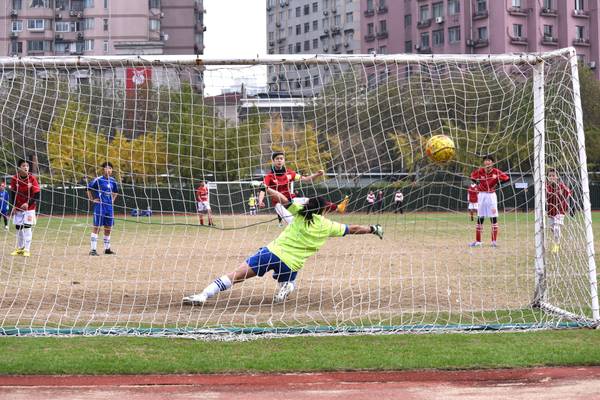

Running a grassroots football club demands more than tactical knowledge and fixture scheduling. The managers who build lasting success share a common trait: they develop football leadership skills that transform groups of volunteers into cohesive, effective teams. These skills separate clubs that merely survive from those that thrive season after season.
Leadership at the grassroots level differs fundamentally from professional football management. Volunteer coaches juggle day jobs, parents balance multiple commitments, and resources are stretched thin. Yet the most successful clubs navigate these constraints through deliberate leadership approaches that create stability, engagement, and positive culture.
The Foundation of Effective Club Leadership
Understanding Grassroots Challenges
Strong club leadership begins with understanding the unique challenges facing grassroots football. Unlike professional environments, grassroots managers lead volunteers who contribute time despite competing demands. This reality requires leadership that inspires rather than commands, supports rather than criticises.
The most effective club leaders establish clear structures whilst maintaining flexibility. They create defined roles for committee members, coaches, and volunteers, ensuring everyone understands their responsibilities. Simultaneously, they adapt when circumstances change - a coach falls ill, a fundraising event needs rescheduling, or a parent steps down mid-season.
Research from the Football Association shows clubs with structured leadership frameworks retain volunteers 60% longer than those without. This stability directly impacts player development, as consistent coaching teams build stronger relationships with young players and implement coherent development pathways.
Balancing Multiple Priorities
Successful leaders also recognise that grassroots football serves multiple purposes beyond winning matches. Player welfare, community engagement, and positive youth development sit alongside competitive success. Balancing these priorities requires leaders who articulate values clearly and model them consistently.
Building Communication Systems That Work
Single Source of Truth
Communication failures sink more grassroots clubs than tactical mistakes. Parents miss fixture changes, volunteers duplicate efforts, and committee members work from different information. Leaders who strengthen their clubs prioritise robust communication systems that prevent these breakdowns.
The foundation starts with establishing a single source of truth. Rather than scattering information across text messages, emails, and social media, effective leaders centralise communication through dedicated platforms. Football coaching apps provide this centralisation, ensuring everyone accesses the same fixture details, training schedules, and club announcements.
Beyond technology, strong communicators establish regular rhythms. Monthly committee meetings maintain strategic alignment. Weekly coach briefings ensure consistent messages reach teams. Pre-match communications confirm logistics and expectations. These rhythms create predictability that busy volunteers appreciate.
Transparency and Listening
Transparency distinguishes exceptional club leaders. They share financial information openly, explain decision-making processes, and acknowledge challenges honestly. When fundraising falls short or registration numbers drop, transparent leaders involve the community in solutions rather than hiding problems until they become crises.
Effective leaders also master the art of listening. They create channels for feedback from parents, players, and volunteers, then demonstrate they value input by acting on it. Anonymous surveys, suggestion boxes, and informal conversations all generate insights that improve club operations.
Developing Decision-Making Frameworks
Value-Based Decisions
Grassroots club leaders face constant decisions: which players make representative teams, how to allocate limited budgets, whether to merge age groups with low numbers, and how to handle behavioural issues. Leaders who develop clear decision-making frameworks make better choices and build trust through consistency.
The strongest frameworks start with defined values. When clubs articulate core principles - player development over winning, inclusivity, and financial sustainability - these values guide decisions naturally. A club committed to inclusivity approaches team selection differently than one focused purely on competitive success.
Effective leaders also distinguish between decisions they must make alone and those requiring consultation. Strategic direction, safeguarding matters, and urgent operational issues may demand individual leadership. Team selection, fundraising approaches, and social events often benefit from wider input. Knowing the difference prevents both decision paralysis and autocratic management.
Documentation and Risk Assessment
Documentation strengthens decision-making significantly. Leaders who maintain records of past decisions, their rationale, and outcomes build institutional knowledge. When similar situations arise, these records provide guidance and prevent repeated mistakes. This approach proves especially valuable when leadership transitions occur.
Risk assessment forms another crucial component. Grassroots football involves inherent risks - player safety, financial exposure, and reputational challenges. Leaders who systematically identify and mitigate risks protect their clubs whilst enabling activity. This might mean reviewing insurance coverage, implementing safeguarding procedures, or establishing financial controls.
Creating Positive Club Culture
Respect and Recognition
Culture determines whether clubs attract and retain volunteers, develop players effectively, and maintain community support. Leaders shape this culture through deliberate actions and consistent modelling.
The most positive club cultures prioritise respect across all relationships. Players respect coaches, parents respect officials, and committee members respect each other. Leaders establish this expectation clearly, then enforce it consistently. They challenge inappropriate behaviour immediately, whether from a parent shouting abuse or a coach undermining colleagues.
Recognition strengthens cultural power. Effective leaders celebrate volunteer contributions publicly, acknowledge player improvements specifically, and thank parents for supporting the club. This recognition needn't be elaborate - a mention in club communications or a brief acknowledgement at presentations means more than many realise.
Traditions and Inclusivity
Successful clubs also build traditions that create identity and belonging. Annual tournaments, end-of-season awards, club social events, and pre-match rituals all contribute to shared culture. Leaders who protect these traditions whilst allowing them to evolve create continuity that spans generations.
Inclusivity forms another cultural cornerstone. Leaders who ensure all families feel welcome, regardless of background or ability, build stronger clubs. This means considering financial barriers to participation, accommodating diverse needs, and actively welcoming new members rather than expecting them to integrate themselves.
Managing Volunteer Teams Effectively
Recruitment and Role Definition
Volunteers power grassroots football, yet managing them differs fundamentally from managing employees. Leaders cannot rely on financial incentives or hierarchical authority. Instead, they must inspire commitment through purpose, recognition, and support.
The recruitment process sets the tone. Rather than desperately accepting anyone willing to help, effective leaders match volunteers to roles that suit their skills, interests, and availability. Someone passionate about coaching but uncomfortable with administration makes a poor treasurer but an excellent assistant coach.
Clear role definitions prevent volunteer burnout and frustration. When volunteers understand exactly what they've committed to - time requirements, responsibilities, support available - they deliver more consistently. Vague expectations create stress as volunteers wonder whether they're doing enough or overstepping boundaries.
Training and Support
Training and development demonstrate that clubs value volunteers beyond their immediate contribution. Offering coaching courses, safeguarding training, or first aid certification shows investment in people. Many volunteers appreciate developing skills that benefit them beyond football.
Leaders who check in regularly with volunteers catch problems early. A brief conversation asking how someone's finding their role, whether they need support, or if anything's frustrating them, prevents many resignations. These conversations also generate ideas for improving club operations.
Navigating Difficult Conversations and Conflict
Preparation and Structure
Every club leader eventually faces uncomfortable situations: telling a parent their child won't make the representative team, addressing a coach's inappropriate behaviour, managing disputes between committee members, or handling complaints about team selection. How leaders navigate these moments defines their effectiveness.
Preparation proves crucial. Before difficult conversations, effective leaders clarify the facts, consider the other person's perspective, and determine desired outcomes. They choose appropriate settings - private locations for sensitive matters, neutral spaces for conflicts - and schedule adequate time without rushing.
The conversation itself benefits from structure. Leaders should state concerns clearly and specifically, avoiding vague accusations. They focus on behaviours and impacts rather than character judgements. "Your comments to the referee undermined the club's reputation" works better than "You're disrespectful."
Active Listening and Documentation
Active listening transforms difficult conversations. Leaders who genuinely seek to understand the other perspective, ask clarifying questions, and acknowledge valid points build resolution rather than resentment. Even when the outcome remains unchanged - a player still doesn't make the team - feeling heard matters enormously.
Documentation protects everyone involved. Leaders should record what was discussed, agreed actions, and follow-up dates. This creates accountability and prevents misunderstandings about what was decided. For serious matters, having a witness present provides additional protection.
Developing Strategic Thinking
Position Assessment
Grassroots club leaders often become consumed by immediate demands - next week's fixtures, this month's fundraiser, today's complaint. Yet clubs that thrive demonstrate strategic thinking that looks beyond urgent tasks to long-term development.
Strategic leaders regularly assess their club's position. They analyse registration trends, evaluate financial sustainability, review facility adequacy, and consider competitive positioning. This assessment identifies both opportunities and threats before they become crises.
Vision and Resource Planning
Vision setting provides direction that unifies efforts. When leaders articulate where they want the club in three or five years - perhaps expanding girls' football, achieving Charter Standard status, or developing better facilities - this vision guides decision-making and inspires volunteers. The vision must feel achievable yet ambitious enough to motivate action.
Resource planning enables strategic execution. Leaders identify what the club needs to achieve its vision - funding, facilities, volunteers, partnerships - then develop plans to secure these resources. This might involve fundraising campaigns, grant applications, or facility-sharing arrangements with other organisations.
Succession planning ensures leadership continuity. Too many clubs struggle when key leaders step down without preparing replacements. Strategic leaders identify potential successors, provide development opportunities, and gradually transfer responsibilities. This creates smooth transitions that maintain momentum.
Leveraging Technology for Leadership Efficiency
Administrative Efficiency
Modern club leaders who embrace appropriate technology multiply their effectiveness significantly. Digital tools don't replace leadership but enable leaders to focus energy where it matters most - building relationships, making strategic decisions, and developing culture.
Centralised platforms transform administrative efficiency. Rather than spending hours coordinating availability through dozens of text messages, leaders using team management apps streamline this process dramatically. Parents update availability directly, coaches see real-time information, and everyone receives consistent communications.
Data access improves decision-making quality. Leaders who track attendance patterns, analyse match statistics, and monitor financial trends make evidence-based decisions rather than relying on impressions. This might reveal that Tuesday training sessions consistently attract fewer players than Thursday sessions, suggesting a schedule change.
Time Reclamation
Communication efficiency frees time for meaningful interaction. Automated fixture reminders, digital permission forms, and online payment systems eliminate repetitive administrative tasks. Leaders reclaim hours previously spent on logistics, redirecting this time toward coaching development, volunteer support, or strategic planning.
Technology also enhances transparency and accountability. Digital systems create audit trails showing who accessed information, when decisions were made, and what communications were sent. This transparency protects leaders whilst building trust with club members.
TeamStats incorporates these principles, enabling leaders to focus on developing football leadership skills rather than drowning in administrative tasks.
Building External Relationships
League and County FA Connections
Club success depends partly on relationships beyond the club itself. Leaders who cultivate connections with grassroots football leagues, county FAs, local authorities, and community organisations access resources and opportunities unavailable to isolated clubs.
League relationships require consistent professionalism. Leaders who submit paperwork promptly, communicate proactively about issues, and contribute to league development build reputations that benefit their clubs. League administrators remember clubs that make their jobs easier and often provide flexibility or support when these clubs need assistance.
County FA connections provide development resources. Most county FAs offer coaching courses, safeguarding training, funding opportunities, and technical advice. Leaders who engage actively with their county FA access these resources whilst staying informed about regulatory changes and grassroots initiatives.
Local Authority and Corporate Partnerships
Local authority relationships can unlock facility access and funding. Councils often control pitches, changing facilities, and grant programmes. Leaders who understand local authority priorities - community health, youth engagement, facility utilisation - position their clubs as partners delivering these outcomes.
Corporate partnerships supplement club finances and resources. Local businesses often support grassroots football through sponsorship, equipment donations, or volunteer time. Leaders who demonstrate professionalism, provide visibility for sponsors, and maintain relationships beyond asking for money build sustainable partnerships.
Measuring Leadership Effectiveness
Key Metrics
Leaders who strengthen their clubs regularly assess their own effectiveness. This self-awareness enables continuous improvement and prevents complacency.
Volunteer retention provides one clear metric. Clubs with effective leadership retain coaches, committee members, and helpers across seasons. High volunteer turnover signals leadership problems - unclear expectations, inadequate support, or negative culture.
Registration trends reveal community confidence. When families choose a club and recommend it to others, registrations grow steadily. Declining numbers suggest problems that leadership must address - poor communication, negative reputation, or inadequate player development.
Financial stability indicates sound governance. Clubs with healthy reserves, diverse income streams, and controlled expenses demonstrate effective financial leadership. Those lurching from crisis to crisis or depending on single funding sources reveal leadership gaps.
Player Development and Feedback
Player development outcomes matter most. Beyond winning percentages, effective leadership shows in player progression - technical improvement, tactical understanding, and enjoyment of football. Exit interviews with families leaving the club provide invaluable feedback about leadership effectiveness.
Feedback mechanisms provide direct assessment. Anonymous surveys, suggestion boxes, and informal conversations generate insights about leadership performance. Leaders secure enough to seek criticism rather than praise improve most consistently.
Sustaining Personal Leadership Development
Formal Education and Peer Learning
The strongest club leaders recognise that football leadership skills require continuous development. Complacency leads to stagnation while deliberate growth strengthens effectiveness.
Formal education provides structured development. FA coaching courses, sports management qualifications, and leadership training all enhance capabilities. Many courses offer flexible online options that accommodate busy schedules.
Peer learning accelerates development efficiently. Connecting with leaders from other clubs - through county FA networks, league meetings, or informal groups - enables sharing challenges, solutions, and innovations. Other leaders face similar problems and often discover creative solutions worth adopting.
Reflection and Mentorship
Reflection builds self-awareness. Leaders who regularly review what worked well, what didn't, and why make better decisions over time. Keeping a brief leadership journal or scheduling monthly reflection time creates space for this learning.
Mentorship relationships provide guidance and perspective. Experienced club leaders often willingly mentor those newer to leadership roles. These relationships offer safe spaces to discuss challenges, test ideas, and receive honest feedback.
Reading and research expose leaders to new ideas. Books on leadership, articles about grassroots football development, and case studies from successful clubs all stimulate thinking and suggest approaches worth testing.
Conclusion
Strengthening leadership in club management transforms grassroots football organisations from fragile volunteer groups into resilient, effective institutions. The football leadership skills that matter most - clear communication, strategic thinking, volunteer management, and cultural development - can be learned and improved through deliberate practice.
Effective club leaders recognise that grassroots football leadership differs fundamentally from professional management. Success comes not through command and control but through inspiration, support, and consistent modelling of values. Leaders who establish clear structures whilst maintaining flexibility, who communicate transparently, and who develop others create clubs that thrive across seasons.
Technology amplifies leadership effectiveness when used appropriately. Platforms eliminate administrative burdens, enabling leaders to focus energy on relationships, strategy, and culture. Yet technology serves as a tool, not a replacement for human leadership.
The investment in leadership development pays dividends far beyond individual clubs. Strong leaders develop other leaders, creating ripple effects throughout grassroots football. They model approaches that volunteers carry to other organisations. Most importantly, they create environments where young players develop not just football skills but life lessons about teamwork, respect, and perseverance.
Every grassroots club contains potential waiting to be unlocked through stronger leadership. The question isn't whether leadership matters - evidence proves it does overwhelmingly - but whether current leaders will commit to continuous development. Those who do transform not just their clubs but their entire football communities.
═══════════════════════════════════════════════════════════════