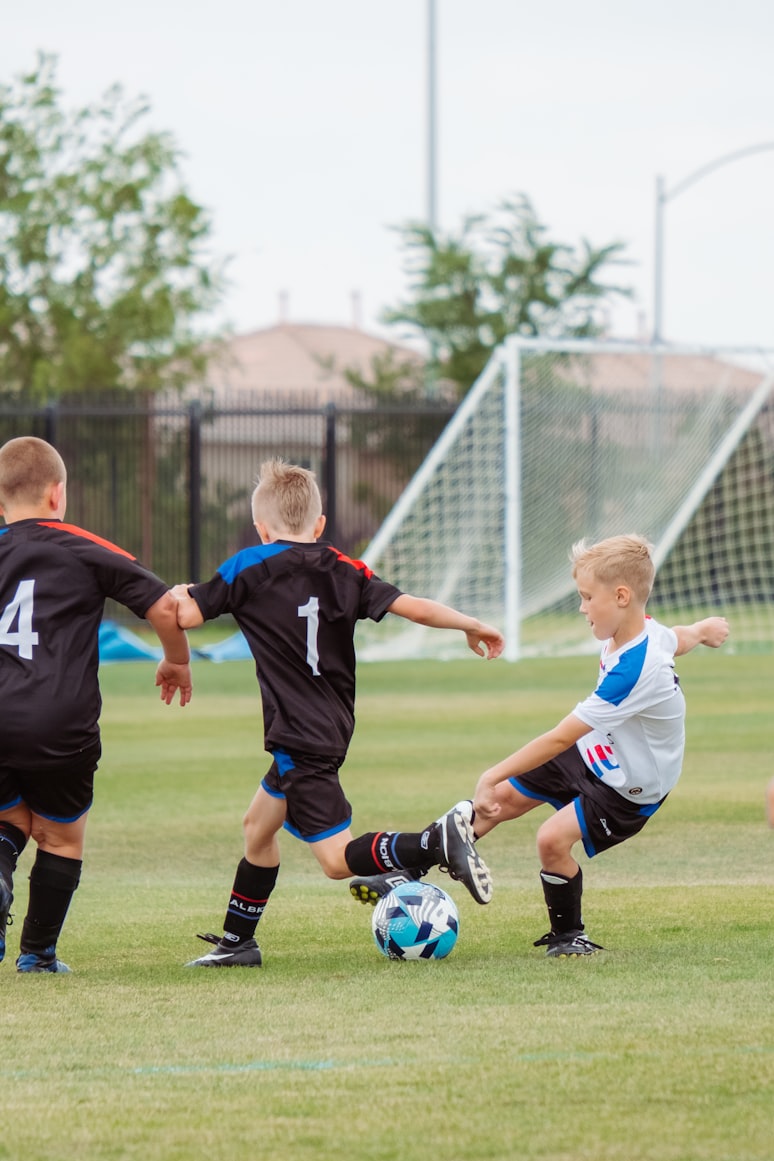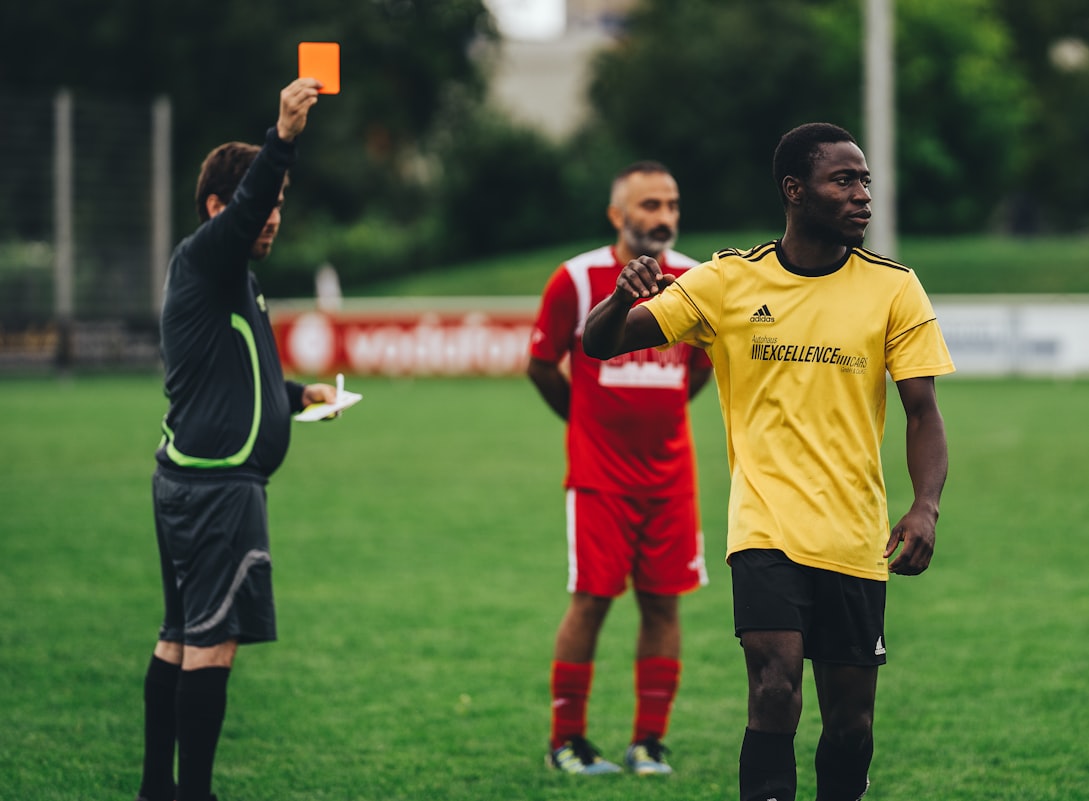

When a parent messages at 11 pm asking about Saturday's fixture, when a coach misses a training session because nobody told them about the venue change, when players turn up in the wrong kit because information never reached them - these aren't isolated incidents. They're symptoms of unclear football coaching communication standards.
Grassroots football clubs operate with volunteer staff juggling full-time jobs, family commitments, and coaching responsibilities. Without clear communication protocols, information gets lost, messages go unanswered, and the administrative burden falls unevenly across the team. The result? Frustrated parents, confused players, and coaches are spending hours on their phones instead of planning training sessions.
Setting communication standards isn't about adding bureaucracy. It's about creating systems that protect everyone's time whilst ensuring critical information reaches the right people at the right moment.
Why Communication Standards Matter in Grassroots Football
Message Volume and Decision Fatigue
The average grassroots team manager receives 47 messages per week across multiple platforms - WhatsApp, email, text messages, and social media. Without clear guidelines about where information lives and who responds to what, coaches face decision fatigue before they've even stepped onto the pitch.
Communication standards are established:
Response time expectations - Parents know when they'll hear back, reducing anxiety and repeat messages
Platform clarity - Everyone knows where to find fixture updates versus tactical discussions
Responsibility boundaries - Clear ownership prevents tasks from falling through gaps or duplicating effort
Information hierarchy - Critical updates don't get buried in group chat banter
Time Savings Through Documentation
A study of 200 grassroots football clubs found that teams with documented communication protocols spent 6.2 fewer hours per week on administrative tasks compared to those without clear standards. That's six hours coaches could spend analysing match footage, planning sessions, or simply reducing burnout.
Defining Communication Channels and Their Purpose
The first step involves mapping which channels serve which purposes. Most grassroots teams use three to five platforms, but rarely define what each one's for.
Team Management Apps
TeamStats and similar platforms centralise essential information - fixture schedules, player availability, match results, and training attendance. When these apps become the single source of truth for operational details, it eliminates the "I didn't see the message" problem. Players and parents check one place for confirmed information rather than scrolling through 200 WhatsApp messages.
The standard should specify: "All fixture details, venue information, and availability tracking happen in the team app. Responses required within 48 hours of match day."
Group Messaging Platforms
Group chats work well for time-sensitive updates and team morale, but they become problematic when used for everything. The standard might state: "Team WhatsApp group is for urgent day-of-match updates, celebration of achievements, and social coordination. Not for availability tracking, tactical discussions, or complaints."
Consider separate groups for parents versus players at the youth level. Players need motivational messages and tactical reminders. Parents need logistics and administrative updates. Mixing these audiences creates noise.
Email Communication
Email suits longer-form communication - monthly newsletters, policy updates, safeguarding information, or detailed tactical analysis. The standard could specify: "Email used for non-urgent information requiring more than two paragraphs. Check twice weekly minimum."
This becomes particularly important when communicating fundraising activities that require a detailed explanation of events, participation requirements, and financial goals - information that needs permanent reference rather than disappearing into chat histories.
Direct Messages
One-to-one communication handles sensitive matters - individual player development discussions, personal circumstances affecting availability, or concerns requiring confidentiality. The protocol should emphasise: "Private matters stay private. Use direct messages for anything you wouldn't say in front of the whole team."
Establishing Response Time Expectations
Volunteer coaches aren't customer service representatives available 24/7. Clear response time standards protect staff from burnout whilst managing parent expectations.
Tiered Response Framework
Different message types warrant different response speeds. Emergency and safeguarding concerns require immediate acknowledgement with escalation to the club welfare officer within two hours. Match day logistics within 24 hours of fixtures need responses within two hours during waking hours. Availability requests require responses 48 hours before match day, whilst general questions need addressing within 48 hours on weekdays. Non-urgent matters receive responses within five working days.
Document these standards in a team handbook and reference them during parent meetings at season start. When a parent messages at 11 pm, they've already been told they'll receive a response by the end of the next working day - eliminating the expectation of instant replies.
Out-of-Hours Boundaries
Specify when coaching staff are unavailable: "Coaches respond to messages between 6 pm-9 pm on weekdays and 9 am-6 pm on weekends. Emergency safeguarding concerns can be directed to the club welfare officer at any time."
This protects volunteer staff from the expectation that grassroots football access means 24/7 availability. It also models healthy boundaries for parents and players.
Creating Communication Responsibility Matrix
Confusion about who handles what creates duplicated effort and missed messages. A responsibility matrix maps message types to specific staff roles.
Assigning Message Types to Contacts
Player availability queries go to the team manager with 24-hour response times, backed up by the assistant coach. Tactical questions reach the head coach within 48 hours, with the senior coach as backup. Kit and equipment issues route to the kit manager with 48-hour responses, backed by the team manager. Safeguarding concerns require immediate response from the club welfare officer, with the club chairman as backup. Payment queries reach the treasurer within five days, backed by the club secretary. Fixture changes need two-hour responses from the league secretary, with the team manager providing backup coverage.
This structure appears in the team handbook and gets shared at the start of each season. When parents know exactly who handles fixture queries versus payment questions, they direct messages appropriately rather than bombarding the head coach with everything.
Backup Contact Provision
The backup contact provision ensures continuity when the primary person is unavailable - particularly important for volunteer staff taking family holidays or managing work commitments. This becomes especially critical for Sunday league football teams, where adult players may have work, travel or weekend commitments that prevent immediate responses.
Setting Information Update Protocols
Stale information causes more problems than no information. Football coaching communication standards must specify when and how updates get distributed.
Weekly Communication Rhythm
Establish a predictable schedule. Sunday evening brings the week-ahead preview covering upcoming fixtures, training focus, and any schedule changes. Wednesday delivers the mid-week update with confirmed availability, travel arrangements, and opposition research. Friday provides match day final details, including meet time, kit requirements, and team selection. Post-match communication shares results, performance highlights, and next fixture reminders.
This rhythm creates predictability. Parents and players know when information arrives, reducing "checking behaviour" and repeated questions. A team management app can automate much of this communication, sending scheduled reminders without manual effort.
Change Management Protocol
When fixtures move or venues change, follow a structured cascade. Update the central system of record immediately, then send push notifications or urgent group messages within 15 minutes. Request individual confirmation from affected players and parents, send reminders 24 hours before revised fixture times, and provide final confirmation two hours before kick-off.
This redundancy ensures critical changes reach everyone, even those who don't check messages constantly.
Managing Group Chat Dynamics
Group chats either strengthen team culture or create dysfunction. Communication standards need explicit guidelines about acceptable group behaviour.
Content Guidelines
Specify what belongs in team groups: match results and celebrations, training session reminders, team social events, motivational messages before fixtures, and recognition of individual or team achievements.
Equally important is defining what doesn't belong: criticism of players, coaches, or referees; tactical disagreements that should go to the coaching staff privately; payment chasing that belongs with the treasurer; personal disputes; and excessive off-topic conversation.
Moderation Approach
Designate group administrators - usually the head coach and team manager - with authority to redirect inappropriate content: "That's a great question for the treasurer - I'll ask them to contact you directly" or "Let's take tactical discussions to the coaches' planning group."
For persistent issues, the standard might include: "Repeated violations of group guidelines may result in removal from the group. Critical information will still reach you via email and the team app."
Communicating with Different Stakeholders
Youth football involves multiple audiences with different information needs. Communication standards should acknowledge these distinctions.
Players
Age-appropriate channels matter. Under-12s shouldn't be in WhatsApp groups with parents discussing adult concerns. Their communication focuses on what they need to bring to training and matches, tactical focus for upcoming fixtures, individual development feedback, and team social activities.
For older youth players aged 14 and above, consider separate player-only groups for tactical discussions and team bonding, whilst maintaining parent groups for logistics.
Parents
Parent communication emphasises logistics and development: fixture schedules and venue details, financial requirements and payment deadlines, club policies and safeguarding information, age-appropriate development expectations, and how they can support without overstepping.
The standard should explicitly state: "Parents direct questions to coaching staff, not other parents in group settings. This prevents misinformation and maintains appropriate boundaries."
Coaching Staff
Internal coach communication requires its own channel - a private group or section within a football coaching app for training session planning and resource sharing, player development observations, tactical analysis and opposition research, sensitive matters requiring confidentiality, and coordination of coaching responsibilities.
Club Administration
League secretaries, club committees, and county FA contacts need formal communication channels separate from team operations. Email typically works best for governance matters, policy updates, and official correspondence.
Training Staff on Communication Standards
Standards only work when everyone understands and follows them. New coaches joining the team need onboarding on communication protocols.
Onboarding Process
When new coaching staff join, provide written communication standards documents, add them to appropriate channels with clear role explanations, explain the responsibility matrix and their specific duties, demonstrate the team management system, clarify escalation procedures for safeguarding or emergencies, and set expectations about response times and availability.
Regular Review Sessions
Football coaching communication standards evolve. Schedule quarterly reviews with coaching staff to assess what's working well in the current communication approach, identify where messages get lost or duplicated, evaluate whether response times remain realistic given volunteer commitments, determine if channels need adjusting based on team feedback, and consider whether technology has changed with new platforms, features, or tools.
This iterative approach prevents standards from becoming outdated or disconnected from reality.
Handling Communication Breakdowns
Despite clear standards, communication failures happen. The protocol should include recovery procedures.
Incident Response Framework
When important information doesn't reach someone, acknowledge the impact without being defensive, identify the breakdown point to understand where communication failed, take corrective action by resending information and updating affected parties, review the standard to determine if the protocol needs adjustment, and document the learning to share with coaching staff and prevent recurrence.
Avoid blame. Grassroots football runs on volunteers managing complex schedules. A missed message doesn't indicate incompetence - it highlights where systems need strengthening.
Feedback Mechanisms
Create safe channels for communication feedback through anonymous suggestion boxes (physical or digital), mid-season parent surveys specifically about communication, regular check-ins with players about whether they're getting information they need, and coaching staff retrospectives after each half-season.
Measuring Communication Effectiveness
Standards need metrics to assess whether they're working.
Quantitative Indicators
Track these measures quarterly: average response time to parent queries, percentage of players confirming availability by deadline, number of "I didn't know about that" incidents per month, time coaching staff spend on administrative messaging, and group chat message volume. High volume might indicate unclear channels redirecting too much communication to inappropriate platforms.
Qualitative Feedback
Supplement numbers with experience data, including parent satisfaction with communication clarity on a one-to-ten scale, player understanding of expectations and logistics, coaching staff burnout indicators related to communication burden, and incidents of miscommunication causing fixture problems.
When metrics show deterioration, revisit standards rather than blaming individuals.
Technology as Communication Infrastructure
Modern grassroots football teams benefit from purpose-built technology that enforces football coaching communication standards through design.
Platform Requirements
Dedicated team management platforms centralise information, automate routine updates, and create clear communication trails. When availability tracking happens in-app rather than across scattered WhatsApp messages, the system itself enforces the standard.
Look for platforms offering automated fixture reminders at specified intervals, push notifications for urgent updates, separate channels for different communication types, role-based permissions determining what managers see versus what parents access, read receipts for critical messages, and integration with league systems to auto-update fixtures.
Technology doesn't replace human communication - it creates infrastructure that makes standards easier to follow than to ignore. Modern platforms also help clubs manage the administrative side of operations more efficiently, from tracking player development progress to coordinating complex multi-team schedules.
Conclusion
Clear communication standards transform grassroots football from a chaotic scramble of missed messages and confused parents into an organised operation where everyone knows what's expected. When coaches spend less time answering the same questions repeatedly and more time developing players, everyone benefits.
Start by documenting current communication chaos - which platforms exist, who uses what, and where information gets lost. Then build standards addressing those specific pain points rather than importing generic templates that don't fit the team's reality.
The goal isn't perfect communication - that's impossible with volunteer staff and busy families. The goal is predictable communication where people know where to find information, when they'll get responses, and who handles what. That predictability reduces anxiety, prevents burnout, and creates space for what actually matters: helping young players develop their skills and love for the game.
Review standards every six months, adjust based on what's working, and remember that communication protocols exist to serve the team, not the other way around. When a system stops helping, change it. The best football coaching communication standard is the one people actually follow because it makes their lives easier, not harder. For teams ready to implement these standards through integrated technology, a team management app provides the infrastructure that transforms communication protocols from documents into daily practice.
═══════════════════════════════════════════════════════════════