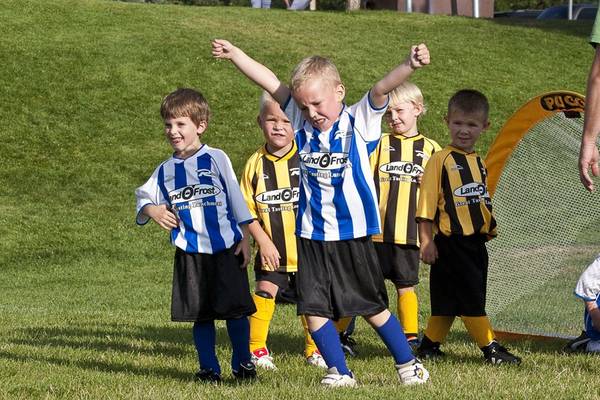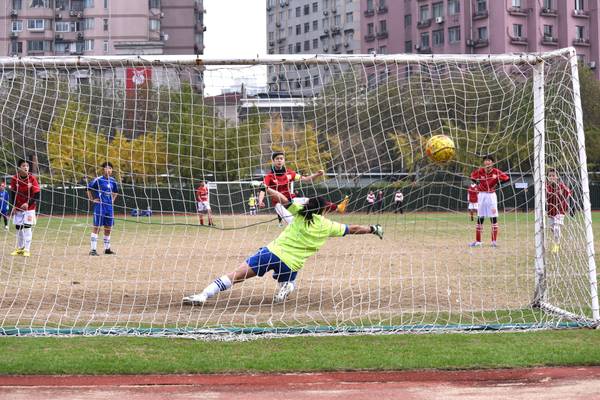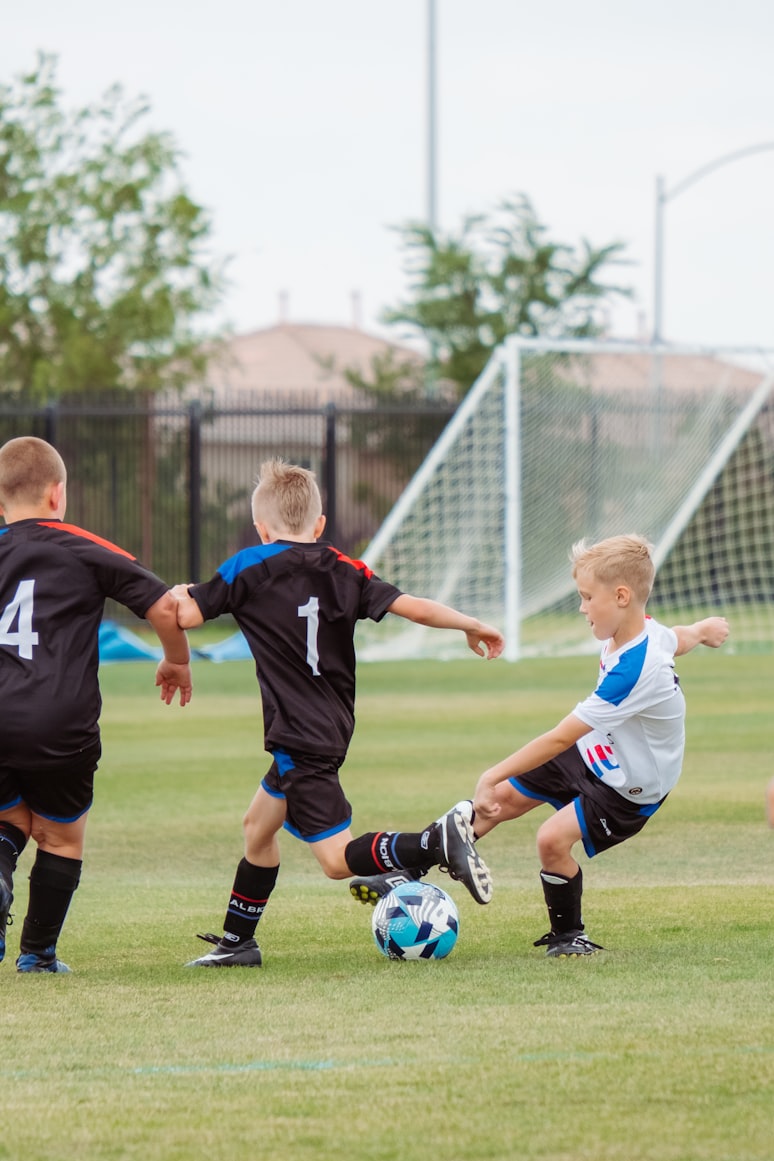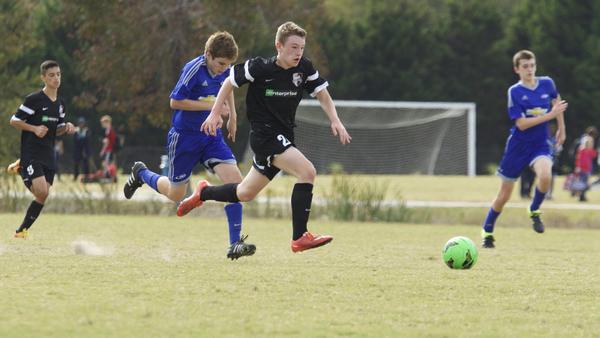

Youth football coaches face a delicate challenge: developing physical fitness whilst respecting developmental limitations. Many well-intentioned coaches apply adult training principles to young players, risking injury, burnout, and long-term disengagement from sport. Setting appropriate youth football fitness goals requires understanding growth patterns, individual variation, and age-specific capabilities. When coaches align fitness expectations with developmental reality, players build sustainable athletic foundations that support lifelong participation.
The pressure to produce winning teams often drives coaches towards intensive fitness programmes unsuitable for growing bodies. Young players develop at vastly different rates, making standardised fitness targets potentially harmful. This article explores how to establish developmentally appropriate fitness goals that enhance performance whilst protecting young athletes.
Understanding Youth Physical Development
Growth Stages and Athletic Capability
Children progress through distinct physical development stages, each with unique characteristics affecting fitness capacity. Between ages 6-9, fundamental movement patterns take priority over structured fitness work. Players learn running mechanics, coordination, and basic agility through play-based activities rather than regimented training.
Ages 10-13 represent a critical window for aerobic development. Cardiovascular systems respond well to endurance training during this period, though intensity must remain moderate. Players build substantial aerobic capacity through game-based activities rather than long-distance running.
Adolescence brings rapid growth spurts that temporarily disrupt coordination and increase injury vulnerability. During growth phases, players may appear less coordinated than they did months earlier. Youth football fitness programmes must account for these temporary setbacks, adjusting expectations accordingly rather than pushing through difficulties.
The Dangers of Adult-Style Training
Professional footballers train 5-6 days weekly with dedicated strength, conditioning, and recovery sessions. Replicating these programmes for youth players ignores crucial differences in physiology, recovery capacity, and developmental needs. Young bodies lack the hormonal profile supporting intensive training loads that adults tolerate.
Overtraining syndrome appears increasingly common in youth sports. Warning signs include persistent fatigue, declining performance, mood changes, and increased illness frequency. Coaches who ignore these signals risk serious long-term consequences, including growth plate injuries, chronic pain conditions, and psychological burnout.
Long-term athletic development models emphasise building broad physical literacy before specialising. Young players benefit from diverse movement experiences - running, jumping, throwing, and climbing - rather than football-specific conditioning. This varied foundation supports later specialisation whilst reducing injury risk and maintaining motivation.
Age-Appropriate Fitness Goals
Foundation Phase (Ages 6-9)
Early childhood fitness development should feel indistinguishable from play. Goals during this phase centre on fundamental movement competency: running with proper mechanics, jumping and landing safely, changing direction confidently, and maintaining balance during various activities.
Structured fitness testing proves inappropriate for this age group. Instead, coaches observe movement quality during games and activities. Can players run without awkwardness? Do they demonstrate basic coordination? Can they maintain activity for age-appropriate durations?
Fitness "training" emerges naturally through tag games, relay races, obstacle courses, and small-sided football. Sessions lasting 60 minutes provide ample stimulus without requiring dedicated conditioning work. Recovery happens quickly at this age, though rest days remain important for overall development.
Development Phase (Ages 10-13)
Pre-adolescent players can handle more structured youth football fitness work, though it should remain integrated within football activities. Aerobic capacity develops excellently during this window - players can train their cardiovascular systems effectively through sustained game-based activities.
Appropriate fitness goals might include: maintaining activity throughout 60-minute training sessions, recovering quickly between high-intensity efforts, and demonstrating improved endurance across the season. These targets remain broad rather than prescriptive, acknowledging individual variation.
Speed and agility work becomes more deliberate during this phase. Players benefit from learning proper acceleration mechanics, change-of-direction techniques, and reactive agility. However, volume must remain modest - 10-15 minutes of focused speed work within a session provides sufficient stimulus.
Bodyweight strength exercises introduce players to resistance training concepts safely. Press-ups, planks, squats, and lunges build foundational strength without requiring external load. Goals focus on movement quality and progressive capacity - can players perform exercises with proper technique? Can they complete more repetitions or hold positions longer than earlier in the season?
Maturation Phase (Ages 14-16+)
Adolescent players can engage with more sophisticated fitness programming, though caution remains essential. Growth spurts create temporary vulnerability - bones lengthen before muscles and tendons adapt, increasing injury risk. Football coaching apps help track individual growth patterns and adjust training loads accordingly.
Fitness goals during this phase become more specific to football demands. Players might target improvements in repeated sprint ability, acceleration over 10-20 metres, or maintaining high-intensity running throughout 90-minute matches. These goals should reflect individual positions and playing styles rather than imposing uniform standards.
Strength training can incorporate external resistance during later adolescence, following proper technical instruction. Goals emphasise safe movement patterns before loading increases. Can players squat with proper depth and alignment? Do they demonstrate core stability during movements? Progressive overload follows mastery of technique.
Key Fitness Components for Youth Football
Cardiovascular Endurance
Aerobic fitness underpins football performance - players require sustained energy throughout matches. However, developing cardiovascular endurance in youth players should avoid monotonous long-distance running. Small-sided games provide superior training stimulus whilst maintaining engagement and football relevance.
Games of 4v4 or 5v5 on appropriately sized pitches elevate heart rates into training zones naturally. Players accumulate substantial aerobic training volume whilst making decisions, practising skills, and experiencing tactical situations. This integrated approach develops fitness alongside technical and tactical abilities.
Monitoring intensity helps prevent excessive loads. Heart rate tracking during training provides objective feedback, though perceived exertion scales work effectively for youth players. Can they speak comfortably during the activity? Are they breathing heavily but not gasping? These simple checks ensure appropriate intensity without requiring sophisticated equipment.
Speed and Agility Development
Speed develops naturally during childhood and adolescence, with specific windows offering enhanced responsiveness to training. Ages 6-9 emphasise movement literacy - learning to run with proper mechanics. Ages 10-13 represent optimal timing for speed development work, as nervous systems mature rapidly.
Agility training should emphasise reactive decision-making rather than pre-planned patterns. Players face constantly changing situations during matches, requiring rapid perception and response. Drills incorporating visual cues and decision-making develop game-relevant agility more effectively than cone courses.
Volume control prevents overuse injuries. Young players need not perform extensive sprint repetitions - quality matters more than quantity. Eight to twelve high-quality sprints within a session provide adequate stimulus. Recovery between efforts must allow full regeneration, typically 30-90 seconds depending on sprint duration and intensity.
Strength and Power Considerations
Resistance training benefits adolescent players when implemented appropriately. Contrary to outdated beliefs, properly supervised strength training does not stunt growth or increase injury risk. However, programmes must respect developmental limitations and prioritise movement quality.
Bodyweight exercises form the foundation of youth strength development. Players master press-ups, planks, squats, lunges, and single-leg variations before progressing to loaded exercises. These movements develop strength, stability, and body awareness essential for football performance and injury prevention.
Core stability receives particular emphasis. Strong, stable trunk muscles protect the spine during the rapid direction changes and physical contacts common in football. Planks, side planks, and anti-rotation exercises build this foundational strength. Goals focus on progressive duration and difficulty rather than absolute strength measures.
Flexibility and Mobility
Growing bodies experience tightness as bones lengthen faster than soft tissues adapt. Maintaining flexibility during growth spurts helps prevent muscle strains and supports proper movement mechanics. However, static stretching alone provides limited benefit for youth players.
Dynamic flexibility work proves more valuable. Movement-based flexibility exercises prepare muscles for activity whilst maintaining readiness for explosive actions. Leg swings, walking lunges, and dynamic stretches address flexibility within functional movement patterns.
Recovery habits established during youth influence long-term athletic careers. Players should learn basic self-care practices: proper cool-downs, adequate sleep, nutrition fundamentals, and recognition of fatigue signals. These habits support current performance whilst building sustainable approaches to athletic development.
Creating SMART Fitness Goals
Specific and Measurable Targets
Vague goals like "get fitter" provide no actionable direction. Specific targets guide training design and allow progress tracking. However, specificity for youth players differs from adult approaches. Rather than precise performance benchmarks, youth goals might target participation, consistency, or qualitative improvements.
Measurable targets help players recognise progress. Can they complete training sessions without excessive fatigue? Do they recover more quickly between high-intensity efforts? Have they improved coordination during agility drills? These observable changes provide tangible evidence of development without requiring formal fitness testing.
Individual goals suit youth development better than team-wide standards. Players develop at different rates and possess varying starting points. Best football formations accommodate different player capabilities - fitness goals should similarly respect individual variation.
Achievable and Realistic Expectations
Ambitious goals motivate players, but unrealistic targets discourage effort. Youth fitness goals must account for school commitments, other activities, family obligations, and social development needs. Football represents one component of holistic youth development, not the singular focus.
Early developers may demonstrate superior fitness temporarily, whilst late developers struggle with identical targets. Setting goals based on individual developmental stage rather than chronological age creates fairer expectations. Late developers require patience and appropriate modification, not pressure to match early-maturing teammates.
Comparison with older players sets unrealistic benchmarks. A 14-year-old cannot match an 18-year-old's fitness levels regardless of training intensity. Youth football fitness goals should emphasise personal improvement rather than comparison with differently developed players.
Time-Bound Goal Setting
Seasonal planning provides natural time frames for youth fitness development. Pre-season focuses on building aerobic base and movement quality. Mid-season maintains fitness through match play and training. Off-season emphasises recovery, multi-sport participation, and addressing individual needs.
Short-term goals sustain motivation better than distant targets. Monthly or 6-week micro-cycles allow regular success experiences. Players might target improved performance in specific drills, increased training session completion rates, or enhanced recovery speeds.
Long-term perspective remains crucial despite short-term focus. Youth football should develop lifelong athletic habits rather than immediate competitive advantages. Players who enjoy training, understand fitness principles, and build sustainable habits ultimately achieve superior long-term outcomes.
Common Pitfalls to Avoid
Overemphasis on Early Specialisation
Single-sport specialisation before adolescence increases injury risk, burnout likelihood, and limits overall athletic development. Grassroots football should encourage multi-sport participation, particularly during younger age groups. Playing multiple sports develops diverse movement patterns, maintains motivation, and reduces overuse injury risk.
Burnout prevention requires monitoring training loads, ensuring adequate rest, and maintaining perspective about the purpose of youth sports. Coaches and parents who prioritise enjoyment and long-term development over immediate results create healthier athletic environments.
Long-term athlete development models recommend against intensive specialisation before mid-adolescence. Players benefit from broad athletic foundations established through varied activities. Football-specific fitness becomes increasingly important during adolescence, but never to the exclusion of overall physical literacy.
Inappropriate Fitness Testing
Formal fitness testing can motivate or discourage, depending on implementation. Tests emphasising weaknesses rather than celebrating strengths damage confidence, particularly for late developers or less naturally athletic players. When testing occurs, results should inform training design rather than ranking players.
Age-appropriate assessment methods differ from adult protocols. The beep test, whilst popular, may be psychologically damaging for players who perform poorly publicly. Alternative assessments embedded within training activities provide information without creating negative experiences.
Using testing constructively means focusing on individual improvement rather than absolute performance. Has the player improved since the last assessment? Do results suggest specific areas for development support? This growth-oriented approach maintains motivation whilst providing useful information.
Ignoring Individual Development Timelines
Biological age varies considerably from chronological age during adolescence. Two 13-year-olds might differ by 3-4 years in biological development, dramatically affecting fitness capacity and appropriate training loads. TeamStats helps coaches manage varied development by tracking individual player information and training responses.
Psychological readiness matters alongside physical capability. Some players embrace challenging fitness work, whilst others require a gradual introduction to intensity. Respecting individual psychological development prevents negative experiences that might discourage long-term participation.
Adapting programmes to individual needs requires observation, communication, and flexibility. Coaches should regularly assess how players respond to training loads, adjusting for growth spurts, fatigue, external stressors, and motivation levels. This individualised approach maximises development whilst protecting player welfare.
Practical Implementation Strategies
Integrating Fitness into Training Sessions
Dedicated fitness sessions bore young players and missed opportunities for integrated development. Ball-based conditioning activities develop fitness whilst maintaining engagement and practising football skills simultaneously. Possession games, small-sided matches, and transitional exercises provide excellent fitness stimulus within a football context.
Making fitness work feel like football requires creativity. Rather than running laps, players might complete sprint-based relay competitions. Instead of static planks, they hold positions while making saves as goalkeepers do. This sport-specific approach maintains motivation whilst achieving fitness objectives.
Session design should vary activities regularly. Young players have shorter attention spans and benefit from diverse stimuli. Rotating through different small-sided games, varied drills, and changing intensities maintains engagement throughout 60-90 minute sessions.
Monitoring and Adjusting Goals
Regular check-ins allow goal adjustment without creating pressure. Informal conversations - "How are you feeling with the training?" or "Have you noticed improvements?" - provide valuable feedback. Players should feel comfortable discussing challenges without fearing negative consequences.
Celebrating progress appropriately builds confidence and motivation. Recognition need not be elaborate - a simple acknowledgement of improvements, effort, or consistency reinforces positive behaviours. Public praise should emphasise effort and improvement rather than absolute performance to maintainan inclusive environment.
Growth changes require responsive adjustments. During rapid growth phases, fitness may temporarily decline despite continued training. Coaches must recognise these periods, adjust expectations, and reassure players that temporary setbacks are normal developmental occurrences.
Working with Parents and Players
Communication about fitness expectations helps manage external training loads. Some players train with multiple teams, attend academies, or participate in other sports. Without coordination, cumulative loads exceed recovery capacity. Coaches should discuss total weekly training volume with parents to prevent overtraining.
Managing external training requires diplomatic communication. Parents often want maximum opportunities for their children, not realising that accumulated fatigue increases injury risk. Explaining recovery principles and developmental needs helps parents make informed decisions about appropriate training volumes.
Education on recovery and rest empowers players and families. Sleep proves particularly crucial for youth athletes - growth hormone release occurs primarily during sleep. Adequate sleep supports growth, recovery, and performance. Similarly, nutrition fundamentals and hydration habits influence training adaptation and should feature in player education.
Conclusion
Appropriate youth football fitness goals balance performance development with player welfare. Age-specific targets that respect individual developmental timelines, avoid adult training methods, and emphasise long-term athletic development create sustainable pathways. Coaches must resist pressure for immediate results, instead prioritising broad physical literacy, enjoyment, and gradual progression that protects growing bodies whilst building robust athletic foundations.
Successful youth fitness development integrates conditioning work within football activities, making training engaging whilst achieving physiological adaptations. SMART goal-setting frameworks adapted for youth contexts provide direction without creating harmful pressure. Regular monitoring, open communication, and flexibility allow responsive adjustments that accommodate growth patterns and individual needs.
Transform your approach to youth player development with comprehensive planning and tracking tools. A team management app helps coordinate training loads, monitor individual responses, communicate with parents, and maintain developmental records that inform appropriate fitness goal-setting throughout players' grassroots football journeys.
═══════════════════════════════════════════════════════════════