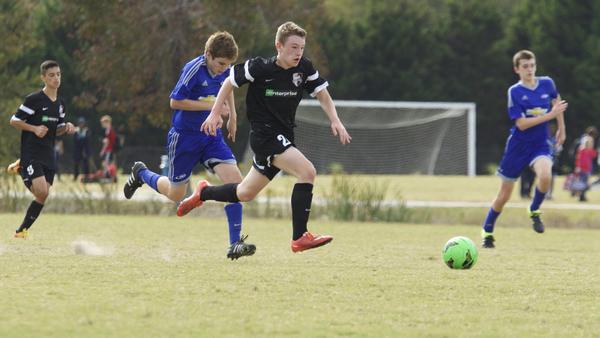

Grassroots football clubs face two persistent challenges: filling team rosters and securing enough funding to operate. Traditional recruitment methods - posting in local Facebook groups, pinning flyers at leisure centres, or relying on word-of-mouth - reach the same limited audience. Meanwhile, potential players living just streets away never hear about the club, and local businesses with sponsorship budgets remain unaware of the opportunity.
Paid social media advertising solves this problem by putting the club's message directly in front of people who match specific criteria: parents of football-aged children within a three-mile radius, or business owners in relevant industries. Unlike organic posts that reach perhaps 5-10% of followers, football social ads deliver guaranteed visibility to precisely targeted audiences at costs that fit grassroots budgets.
The shift from hoping the right people see a post to ensuring they see it changes everything. A Sunday league club recruited 14 new players in three weeks after spending £47 on Facebook ads targeting local parents. A youth club secured two new kit sponsors within a month by running LinkedIn ads to local business owners, generating £1,200 in sponsorship from a £60 ad spend.
This guide explains how to create effective paid advertising campaigns for player recruitment and sponsor acquisition, with practical steps that work for volunteer managers without marketing experience.
Why Paid Advertising Works for Grassroots Football
Organic social media posts face algorithmic suppression. Facebook shows posts to roughly 5% of page followers, meaning a club with 300 followers reaches perhaps 15 people per post - likely the same engaged parents who already know about the club.
Precision Targeting and Reach
Paid advertising bypasses this limitation entirely. For £20-50, clubs can reach 2,000-5,000 people who match specific demographic criteria but have never interacted with the club before. The targeting capabilities available through platforms like Facebook, Instagram, and LinkedIn allow clubs to define audiences by geographic location (radius around the club's ground), age of children in household, interests related to football, youth sports, or family activities, job titles and industries (for sponsor targeting), and behaviours indicating business ownership or purchasing authority.
This precision means every pound spent reaches people likely to respond, rather than broadcasting to everyone regardless of relevance.
Cost-Per-Result Metrics
The cost-per-result metrics prove the value. Player recruitment ads typically cost £2-5 per enquiry, meaning a £30 campaign generates 6-15 genuine expressions of interest. Sponsor-focused ads cost more per lead but deliver higher value - a £50 campaign might generate 3-4 qualified sponsor enquiries, each representing potential funding of £200-1,000.
Compare this to traditional advertising: a quarter-page ad in a local newspaper costs £150-300, reaches an undefined audience, and generates no measurable results. Football social ads cost less, target better, and provide exact data on performance.
Setting Up Player Recruitment Campaigns
Player recruitment ads work best on Facebook and Instagram, where parents actively engage with local community content. The campaign structure follows a simple framework: define the audience, create compelling content, set a modest budget, and track responses.
Audience Targeting for Player Recruitment
Start with geographic targeting. Set the location to a 3-5 mile radius around the club's home ground - close enough that attending training and matches feels convenient, but wide enough to reach sufficient people. A 3-mile radius in suburban areas typically includes 50,000-150,000 people.
Add demographic filters based on the age group being recruited. For under-8s recruitment, target parents aged 28-40 with children aged 5-7. Facebook's demographic data includes household composition, allowing this level of specificity. For adult Sunday league recruitment, target men and women aged 18-35 living in the local area.
Layer interest-based targeting to improve relevance. Include interests like "Association football," "Premier League," "Youth sports," "Children's activities," and specific clubs or players popular in the area. This narrows the audience to people already demonstrating football interest.
The final audience size should show 20,000-80,000 people for suburban areas. Smaller audiences (under 10,000) limit reach; larger audiences (over 150,000) dilute targeting and increase costs.
Creating Effective Player Recruitment Content
The ad creative needs to answer three questions immediately: What is this? Who is it for? What happens next?
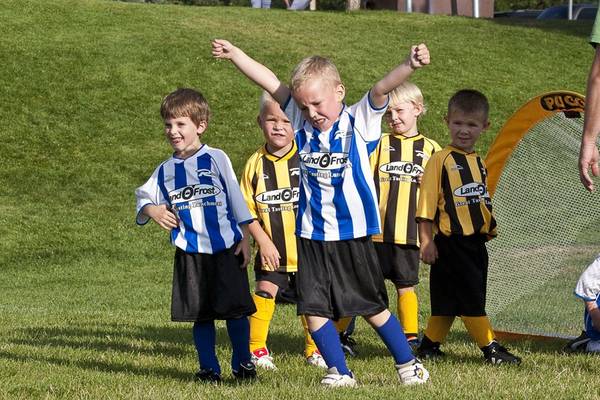
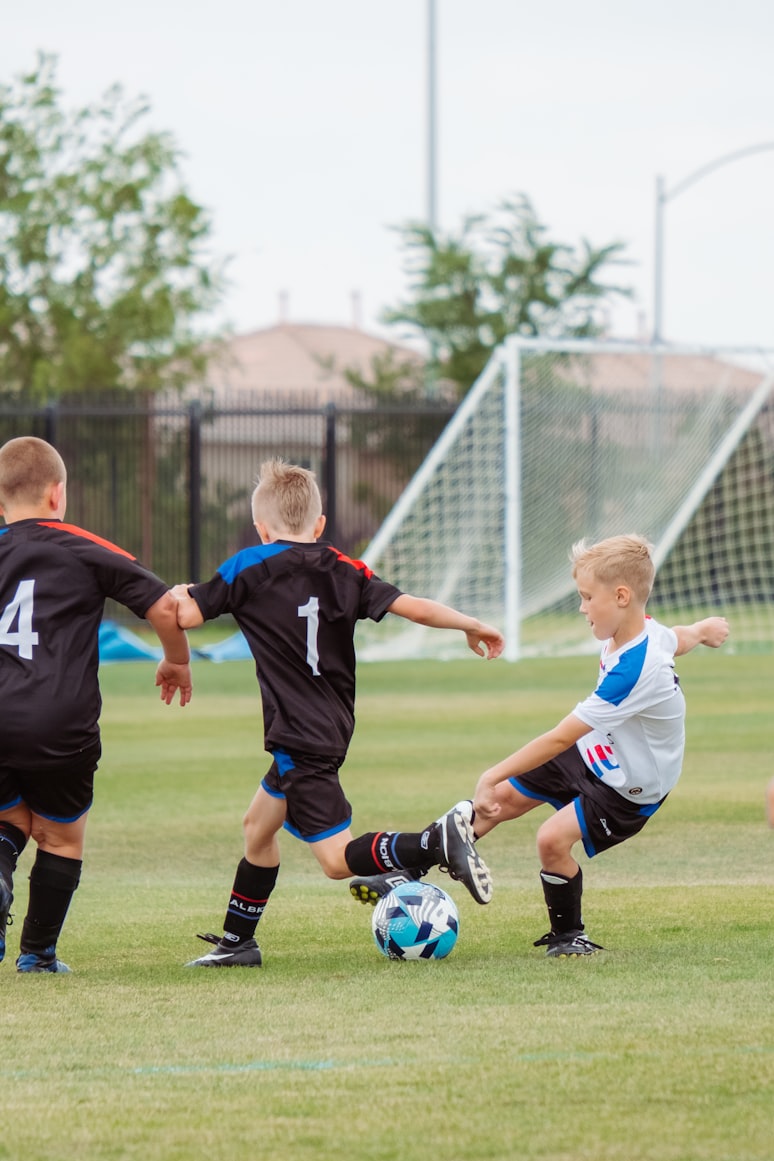
Use an action photo showing players in the club's kit, preferably from a match or training session that captures the energy and enjoyment. Avoid posed team photos - action shots showing players engaged in the game perform 40-60% better in testing.
Write ad copy that speaks directly to the target audience's situation. For youth recruitment targeting parents:
"Looking for a local football club for your child? [Club name] has spaces available in our Under-9s squad. FA Charter Standard club, qualified coaches, training Tuesdays and Thursdays 5:30 pm at [location]. Friendly, inclusive environment focused on development and enjoyment. First three sessions free."
For adult recruitment:
"New to the area or looking to get back into football? [Club name] Sunday League team has spaces for the 2024/25 season. We play in Division 3 of [league name], trainingon Wednesday evenings. All abilities welcome - we're more about the social side than winning trophies. Message for details."
Call-to-Action and Practical Details
The call-to-action should be specific and low-friction. "Message us for details" works better than "Visit our website" because it requires less commitment. People will message on impulse, but often won't click through to websites.
Include key practical details in the ad copy itself: training times, location, cost if applicable, and the club's approach or values. This pre-qualifies respondents - people who message already know the basics and are genuinely interested.
Budget and Duration
Start with £5-7 per day for 7 days (£35-50 total). This provides enough data to assess performance without significant financial risk. Run the campaign for a full week to capture different days - weekend reach differs from weekday reach.
Facebook's ad system optimises delivery over the first 2-3 days, learning which specific users within the target audience respond best. Campaigns shorter than 5 days don't allow sufficient optimisation time.
Set the campaign objective to "Messages" if using Facebook Messenger for enquiries, or "Engagement" if directing people to comment or share. Avoid "Reach" objectives - they prioritise showing ads to more people rather than to people likely to respond.
Managing Responses
Enquiries typically arrive within hours of the campaign starting. Assign someone to monitor messages and respond within 2-3 hours maximum. Response speed directly affects conversion rates - people messaging multiple clubs will commit to whichever responds first.
Use TeamStats to track enquiries and follow-ups. Record each person's name, contact details, age group interested in, and conversation status. This prevents duplicate responses and ensures no one falls through the gaps.
Provide clear next steps in the first response: "Great to hear from you! Our Under-9s train Tuesdays and Thursdays, 5:30-6:30 pm at [location]. Your son is welcome to join us this Tuesday for a free trial session - just turn up in trainers and we'll provide a bib. Can I take your name and mobile number?"
Follow up with non-responders after 24 hours. A simple "Just checkin,g you got my message about trial sessions?" recovers 20-30% of conversations that went quiet.
Creating Sponsor Acquisition Campaigns
Sponsor recruitment requires different platforms, messaging, and expectations than player recruitment. Businesses respond to professional presentations and clear value propositions, not emotional appeals.
Platform Selection
LinkedIn delivers better results for sponsor acquisition than Facebook or Instagram. Business owners and decision-makers use LinkedIn professionally, putting them in a mindset receptive to commercial opportunities. Facebook ads can work for targeting local business owners, but response quality tends to be lower.
For local businesses targeting (pubs, restaurants, tradespeople), Facebook's business owner targeting combined with geographic filters works well. For larger sponsors (regional companies, professional services firms), LinkedIn's job title and industry targeting provide better access to decision-makers.
Audience Targeting for Sponsors
On LinkedIn, target job titles indicating decision-making authority: Owner, Director, Managing Director, CEO, Marketing Manager, Brand Manager. Combine with company size filters (10-200 employees for grassroots clubs) and industry filters relevant to the club's area.
Add geographic targeting to the region surrounding the club - typically a 15-20 mile radius, wider than player recruitment ,because sponsor value justifies longer travel for match attendance or brand visibility.
On Facebook, use the "Business owners" demographic category combined with local area targeting and interest filters related to business networking, local business groups, or specific industries.
The audience size for sponsor campaigns should be smaller than player recruitment - 5,000-20,000 people on LinkedIn, 10,000-40,000 on Facebook. Sponsor targeting prioritises quality over volume.
Crafting Sponsor-Focused Content
Sponsor ads need to communicate clear commercial value. Businesses want to know what they receive and how it benefits them, not emotional stories about grassroots football's importance.
Use professional imagery showing the sponsorship opportunity: players wearing kit with sponsor logos visible, pitch-side advertising boards, or match-day attendance figures. Include specific numbers that demonstrate reach.
Write copy focused on business benefits:
"Local business looking to increase brand visibility in [area]? [Club name] offers kit and pitch-side sponsorship packages reaching 200+ local families every week. Our Under-7s to Under-16s teams play in [league name], with 150-200 spectators at weekend fixtures. Packages from £500/season include logo on team kit, pitch-side board, website feature, and social media exposure to 800+ followers. Professional club, established 15 years ago, FA Charter Standard. Message for full sponsorship pack."
The value proposition should emphasise community connection, local visibility, and family audience reach - benefits that resonate with local businesses seeking community presence.
Include pricing or price ranges in the ad copy. Transparency pre-qualifies leads and prevents wasting time on businesses whose budget doesn't match the club's packages.
Budget and Expectations
Sponsor acquisition campaigns require higher budgets than player recruitment due to lower response rates. Start with £50-80 for a 7-10 day campaign. Expect 3-8 enquiries from this spend, with 1-2 converting to actual sponsorship agreements.
The cost-per-lead appears higher than player recruitment (£8-15 per enquiry versus £2-5), but the value-per-conversion is dramatically higher - one sponsor at £500-1,000 versus one player at £50-150 annual fees.
Set the campaign objective to "Lead generation" on Facebook or "Website conversions" on LinkedIn if directing to a sponsorship information page. Include a lead form directly in the ad to reduce friction - businesses can submit details without leaving the platform.
Following Up with Sponsor Leads
Respond to sponsor enquiries within 24 hours with a professional, detailed reply. Send a PDF sponsorship pack outlining packages, benefits, pricing, and club background. Include testimonials from existing sponsors if available.
Arrange phone calls or in-person meetings rather than handling everything via message. Sponsorship decisions involve larger financial commitments than player registration, requiring relationship-building and detailed discussion.
Track all sponsor leads through a structured pipeline: Enquiry → Pack Sent → Meeting Arranged → Proposal Sent → Agreement Signed. This prevents leads from being forgotten and allows systematic follow-up.
For clubs managing multiple teams and sponsor relationships, football coaching apps often include sponsor management features that centralise contact details, agreement terms, and renewal dates.
Technical Setup and Campaign Management
Both Facebook and LinkedIn require business pages and ad accounts before running campaigns. The setup process takes 15-30 minutes and requires basic business information.
Facebook Ads Manager Setup
Create a Facebook Business Page for the club if one doesn't exist. Navigate to ads.facebook.com and create an ad account, selecting the business page as the account owner. Facebook requires payment method details (debit/card or PayPal) before launching campaigns.
The Ads Manager interface offers "Guided Creation" mode, which walks through campaign setup step-by-step. This simplified interface works well for first-time advertisers without requiring technical advertising knowledge.
Select the campaign objective (Messages, Engagement, or Lead Generation, depending on goals), then define the audience using the targeting filters discussed earlier. Upload the ad creative (image or video plus text), set the budget and duration, and review before publishing.
Facebook reviews ads before they run, typically approving within 1-2 hours. Ads must comply with community standards and advertising policies - grassroots football ads rarely face issues unless they include prohibited content.
LinkedIn Campaign Manager Setup
LinkedIn advertising costs more than Facebook but delivers higher-quality leads for sponsor acquisition. Create a LinkedIn Company Page for the club, then access campaign.linkedin.com to set up Campaign Manager.
LinkedIn requires minimum daily budgets of £8-10, making it less suitable for very small campaigns. However, the targeting precision and professional context justify the higher cost for sponsor-focused campaigns.
Select "Lead Generation" as the campaign objective, then define the audience using job title, company size, industry, and location filters. LinkedIn's audience size estimator shows how many users match the criteria - aim for 5,000-15,000 for local sponsor campaigns.
Upload ad creative using LinkedIn's sponsored content format: a professional image, headline (max 200 characters), description (max 300 characters), and call-to-action button. Include a lead form that collects name, email, company, and phone number.
Monitoring Campaign Performance
Check campaign performance daily for the first 2-3 days, then every 2 days for the remainder. Key metrics to monitor include impressions (how many times the ad was shown), reach (how many unique people saw the ad), engagement rate (percentage of people who clicked, liked, commented, or shared), cost per result (how much each message, lead, or engagement cost), and total results (number of messages, leads, or engagements generated).
Player recruitment campaigns should achieve 3-6% engagement rates and £2-5 cost per message. Lower performance suggests targeting or creative issues. Sponsor campaigns typically show 1-3% engagement rates with £8-15.
Adjusting Underperforming Campaigns
If performance underperforms after 3-4 days, pause the campaign and adjust. Common fixes include narrowing or widening the audience if too small/large, testing different images (action shots versus posed photos), simplifying ad copy to focus on one clear message, and adjusting the call-to-action to lower friction ("Message us" instead of "Visit website").
Advanced Techniques and Optimisation
Once basic campaigns prove successful, several advanced techniques improve results and efficiency.
Retargeting Campaigns
Retargeting shows ads to people who previously interacted with the club's content but didn't convert. Install the Facebook Pixel on the club website (a small piece of code that tracks visitors), then create custom audiences of website visitors.
Run retargeting campaigns with more specific messaging: "Still thinking about joining [club name]? We've got spaces available and the first session is free. Message us to book in."
Retargeting costs less per result because it targets warm audiences already familiar with the club. Cost per message typically drops to £1-3, roughly half the cost of cold audience campaigns.
Lookalike Audiences
After generating 50-100 enquiries or leads, create lookalike audiences - Facebook identifies users similar to those who responded and targets them. This automated targeting often outperforms manual audience definition because it identifies patterns humans miss.
Upload the list of people who enquired (email addresses or phone numbers), create a lookalike audience in Ads Manager, and run campaigns targeting this new audience. Lookalike audiences of 1-3% similarity work best for local campaigns.
A/B Testing
Run two versions of an ad simultaneously with one element changed: different images, different headlines, or different calls-to-action. Facebook's split testing feature divides the budget evenly and reports which version performed better.
Test one element at a time to isolate what drives performance differences. Common high-impact tests include action photo versus team photo, short copy (50 words) versus detailed copy (150 words), "Message us" versus "Learn more" call-to-action, and different value propositions in headlines.
Implement the winning variation in future campaigns, then test another element. Continuous testing improves results by 20-40% over 3-4 campaign iterations.
Seasonal Timing
Player recruitment ads perform best 4-8 weeks before the season starts when parents actively seek clubs. Running campaigns in mid-season generates fewer responses and lower conversion rates.
Sponsor campaigns work best in the early season (August-October) when businesses set annual budgets and seek opportunities, or in the spring (March-May) when businesses plan for the following year.
Avoid running campaigns during school holidays when families travel and during December when advertising costs spike due to retail competition.
Measuring Return on Investment
Track the complete journey from ad spend to actual outcomes: players registered or sponsors secured. This demonstrates ROI and justifies continued investment in football social ads.
Player Recruitment ROI Example
Total ad spend: £45 Enquiries generated: 12 Players who attended trial: 8 Players who registered: 5 Cost per registered player: £9 Annual fees per player: £120 First-year ROI: (5 × £120) - £45 = £555 return
Sponsor Acquisition ROI Example
Total ad spend: £65 Enquiries generated: 5 Meetings arranged: 3 Sponsors secured: 1 Sponsorship value: £600 First-year ROI: £600 - £65 = £535 return
These calculations justify paid advertising as a legitimate club expense. A £50 ad campaign that recruits five players generates more revenue than the club earns from a typical fundraising event, with less volunteer time required.
Using integrated platforms to track player registrations and sponsor agreements provides clear data on which advertising campaigns delivered results, allowing clubs to refine targeting and messaging for future campaigns.
Conclusion
Football social ads transform grassroots football recruitment from hoping the right people see posts to guaranteeing they do. For £30-80 per campaign, clubs reach thousands of targeted local parents or business decision-makers, generating measurable enquiries at costs of £2-15 per lead.
The technical barriers that once made advertising inaccessible to volunteer managers have disappeared. Facebook and LinkedIn's guided campaign creation tools walk through setup step-by-step, requiring no specialist knowledge. The entire process from account creation to launching a campaign takes 30-45 minutes.
Results arrive quickly - most campaigns generate first enquiries within 24 hours and complete their run within 7-10 days. This allows clubs to recruit players or secure sponsors in weeks rather than months, solving immediate roster gaps or funding shortfalls.
The key to success lies in precise targeting, clear value propositions, and systematic follow-up. Define audiences carefully using geographic, demographic, and interest filters. Communicate what the club offers and what happens next in simple, direct language. Respond to enquiries within hours and track every conversation through to completion.
Start with modest budgets of £30-50 to test performance and build confidence once campaigns prove successful, scale investment during key recruitment periods. Many grassroots clubs now allocate £200-400 annually to paid advertising, treating it as standard practice alongside pitch hire and equipment costs.
Clubs ready to streamline their recruitment and sponsorship management can explore integrated solutions through a team management app that combines advertising tracking, enquiry management, and player registration in one platform, ensuring no opportunity falls through the cracks.
═══════════════════════════════════════════════════════════════