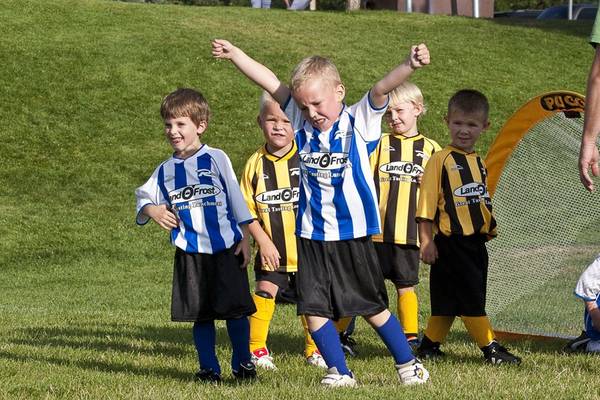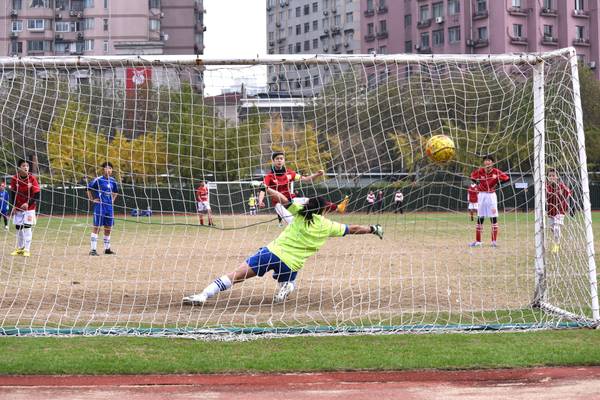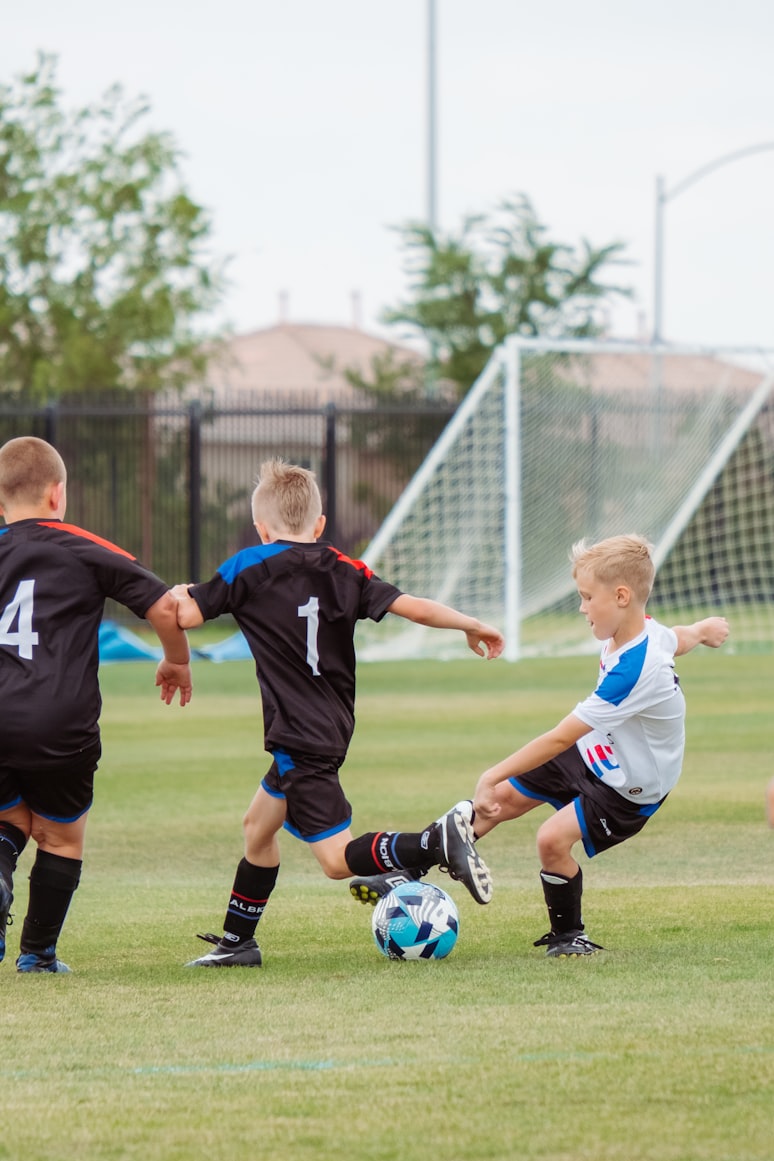

Half a season changes everything in grassroots football. The nervous Under-10s who struggled with basic positioning in September now hold their defensive shape under pressure. The Sunday league striker who couldn't finish in August has scored six goals in the last four fixtures. The parent-coach who felt overwhelmed by team management has found a rhythm that works.
Yet most grassroots teams reach the halfway point without pausing to assess what's actually working. Managers push through to the season's end, missing opportunities to adjust tactics, address emerging issues, or celebrate genuine progress. A structured mid-season football review transforms this pattern, turning the halfway mark into a strategic checkpoint rather than just another week.
Why Mid-Season Reviews Matter for Grassroots Teams
The halfway point offers unique advantages that neither pre-season planning nor end-of-season reflection can match. Teams have accumulated enough match data to identify genuine patterns, but retain sufficient fixtures to implement meaningful changes.
Tactical Dimension Insights
Consider the tactical dimension. A formation that looked promising in pre-season training might prove vulnerable against certain opposition styles. By mid-season, a team has faced varied tactical approaches - direct play, possession-based systems, high pressing - revealing which defensive and attacking patterns actually work under match pressure. Without a formal review, these insights remain scattered across individual match memories rather than consolidated into actionable adjustments.
Player Development Patterns
Player development follows similar patterns. Some players flourish in competitive environments while others need more time to translate training ground skills into match performance. The mid-season checkpoint identifies who needs additional positional coaching, which partnerships are developing well, and where squad rotation might unlock untapped potential. This timing allows coaches to implement development plans that yield results before the season concludes.
Team Dynamics Evolution
Team dynamics evolve significantly across the first half of any season. Communication patterns strengthen, leadership emerges, and squad cohesion either develops or fractures. A structured review surfaces these social elements before they calcify into problems. The Under-12s who started the season as individuals might now function as a genuine team - or they might be splitting into cliques that undermine performance. Mid-season offers the intervention point.
Administrative System Assessment
For volunteer managers juggling multiple responsibilities, the review provides breathing space to assess whether administrative systems actually work. Are players consistently available for selection? Do parents understand communication protocols? Is the team management app being used effectively, or are messages still getting lost in scattered WhatsApp threads? These operational questions directly impact on-pitch performance.
Preparing for Effective Progress Reviews
Successful mid-season evaluations require preparation rather than improvisation. The most valuable reviews draw on accumulated data, structured observation, and input from multiple perspectives.
Gathering Quantitative Evidence
Gather quantitative evidence before forming conclusions. Match results provide the obvious starting point, but deeper statistics reveal more useful patterns. Goals scored and conceded by half, possession statistics if tracked, disciplinary records, and attendance patterns all inform tactical and squad decisions. Teams using football coaching apps to track player availability and match statistics can quickly identify trends that might otherwise remain hidden in memory.
Individual Player Development Metrics
For youth teams, individual player development metrics matter more than results. Has each player increased their involvement in matches? Are they attempting more complex skills under pressure? Do they understand their positional responsibilities better than at the season's start? These qualitative assessments require systematic observation notes rather than post-match impressions.
Compiling Fixture Analysis
Compile fixture analysis by reviewing each match played. Which tactical approaches caused problems? Against which opposition styles did the team perform best? Were there common patterns in goals conceded - set pieces, transitions, individual errors? This analysis reveals whether current training priorities address actual match challenges.
Seeking Multiple Perspectives
Seek multiple perspectives beyond the manager's view. Assistant coaches notice different tactical details. Parents observe squad dynamics and player confidence levels that coaches might miss while focused on match management. For older age groups, player input provides essential perspective on team culture and tactical clarity.
Schedule the review during a natural break in fixtures rather than between back-to-back matches. The mental space to reflect properly yields better insights than rushing through analysis while preparing for the next opponent.
Conducting Tactical and Performance Reviews
The tactical review examines whether the team's playing style matches its capabilities and whether current approaches remain effective.
Assessing Formation Effectiveness
Assess formation effectiveness by examining how the team's shape performs across different match phases. Does the defensive structure remain organised under pressure? Do attacking transitions create genuine goal-scoring opportunities? Are players comfortable in their assigned positions, or do positional uncertainties create repeated problems?
Many grassroots teams discover mid-season that their formation doesn't suit their available players. The 4-4-2 that looked sensible in pre-season might leave midfield overrun against better opposition, while switching to a three-player midfield could provide better control. For small-sided formats, teams might find that their 7-a-side formations need adjustment as players develop different capabilities.
Evaluating Set Piece Performance
Evaluate set-piece performance in both attacking and defensive situations. Set pieces account for significant goal contributions at the grassroots level, yet teams often neglect systematic review. Which corner kick routines actually create chances? Are free kicks in dangerous areas being converted into shots? Defensively, do players understand their marking responsibilities, or do set pieces consistently create panic?
Reviewing Transition Moments
Review transition moments - the critical seconds when possession changes hands. Does the team counter-attack effectively when winning the ball, or do promising situations break down through poor decision-making? Defensively, does the team recover shape quickly, or do opposition counters repeatedly create dangerous situations? These transition patterns often determine match outcomes more than possession statistics.
Analysing Goal Patterns
Analyse goal patterns by examining how the team scores and concedes. Scoring predominantly from individual brilliance might indicate insufficient pattern work in attack. Conceding repeatedly from similar situations suggests specific defensive vulnerabilities that training can address. This analysis directly informs the second half's training priorities.
For teams tracking detailed statistics, compare first-half and second-half performance across multiple fixtures. Consistent second-half drops suggest fitness issues or tactical adjustments by opponents that the team hasn't learned to counter.
Evaluating Individual Player Development
Youth football prioritises individual development over results, making player progress reviews essential at the halfway point.
Technical Development Assessment
Assess technical development by comparing current capabilities against pre-season baselines. Has each player's first touch improved? Are they more confident using both feet? Do they demonstrate better ball manipulation under pressure? These technical foundations determine long-term development regardless of current match results.
Tactical Understanding Review
Review tactical understanding through observation of decision-making patterns. Do players recognise when to pass versus when to dribble? Are they improving at scanning before receiving the ball? Do they understand their role within the team's defensive structure? Tactical intelligence develops gradually, and mid-season football review identifies who needs additional positional coaching.
Physical Development Monitoring
Evaluate physical development, particularly for youth players experiencing growth spurts. Significant physical changes affect coordination, stamina, and injury risk. Players struggling with previously comfortable skills might need temporary adjustments while their bodies adapt rather than additional technical coaching.
Confidence Level Tracking
Monitor confidence levels as these profoundly affect performance. Some players grow in confidence across the first half-season, attempting more ambitious play and recovering quickly from mistakes. Others become increasingly tentative, suggesting they need different support or possibly a positional change that better suits their temperament.
Playing Time Distribution
Consider playing time distribution to ensure all squad members receive appropriate development opportunities. Grassroots football aims to develop all players, not just the strongest eleven. Mid-season reviews reveal whether rotation policies actually work or whether some players are being inadvertently marginalised.
Document these assessments systematically rather than relying on general impressions. Written notes from September compared against January observations reveal genuine progress that memory might underestimate.
Addressing Team Culture and Squad Dynamics
Performance issues often stem from team culture rather than tactical or technical deficiencies.
Communication Patterns Evaluation
Evaluate communication patterns during matches and training. Do players talk to each other on the pitch, providing support and tactical information? Or does silence indicate uncertainty or fractured relationships? Effective team communication develops gradually but requires active coaching when absent.
Leadership Emergence Assessment
Assess leadership emergence within the squad. Natural leaders who organise teammates, maintain standards, and model positive behaviour are invaluable. Their absence suggests the need for explicit leadership development activities. For youth teams, rotating captain responsibilities helps develop these qualities across the squad.
Disciplinary Record Review
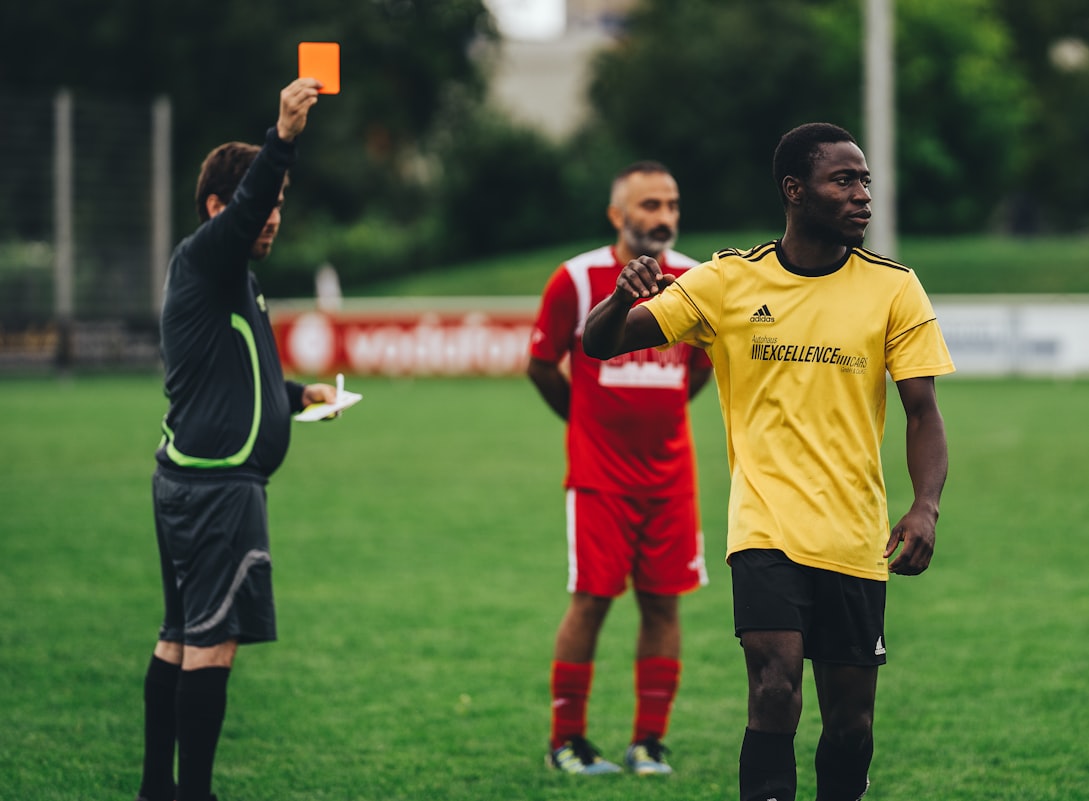
Review disciplinary records for patterns beyond individual incidents. Increasing yellow cards might indicate frustration with results, tactical confusion creating repeated fouls, or deteriorating team discipline. The underlying cause determines the appropriate response.
Squad Cohesion Monitoring
Monitor squad cohesion through observation of training behaviour and parent feedback. Do players socialise across different friendship groups, or have cliques formed that exclude certain individuals? Does the squad support each other during difficult matches, or do players blame teammates for mistakes? These dynamics directly affect performance and player welfare.
Parent Engagement Patterns
Examine parent engagement patterns. Are parents supportive and appropriately involved, or have problematic behaviours emerged? Sideline behaviour, communication patterns with coaches, and attitudes toward playing time all influence team culture. Mid-season provides an opportunity to address issues before they escalate.
For teams struggling with communication or organisation, implementing proper digital systems helps significantly. TeamStats provides structured channels for team communication, reducing the confusion that often undermines grassroots team culture.
Reviewing Administrative and Organisational Systems
Operational efficiency directly impacts on-pitch performance by reducing stress and ensuring smooth match day preparation.
Player Availability Tracking
Assess player availability tracking systems. Do players confirm attendance reliably, or does the manager face last-minute uncertainty before every fixture? Inconsistent availability information creates selection headaches and prevents tactical preparation. Teams still relying on scattered text messages often discover mid-season that structured availability systems would eliminate significant frustration.
Communication Effectiveness
Review communication effectiveness across all stakeholders. Do parents receive fixture information with sufficient notice? Are training schedules clear and consistently communicated? Does important information reach everyone, or do some families regularly miss updates? Communication failures create unnecessary administrative burden and frustration.
Financial Management Evaluation
Evaluate financial management by reviewing budget tracking and expenditure patterns. Are costs tracking as expected, or have unexpected expenses emerged? Is subscription revenue being collected efficiently? Do families understand payment expectations? Financial uncertainty creates stress that distracts from coaching priorities.
Match Day Logistics Examination
Examine match day logistics by identifying recurring organisational challenges. Are players arriving properly prepared with the correct kit and equipment? Is pre-match preparation rushed or calm? Do substitution patterns work smoothly, or does confusion create problems? These operational details affect performance more than many coaches recognise.
Training Organisation Review
Review training organisation, including facility bookings, equipment availability, and session planning workflows. Efficient systems allow coaches to focus on development rather than administration. Mid-season football review reveals which processes work and which create unnecessary complications.
Teams discovering that administrative systems consume excessive time should explore digital solutions that streamline the organisation. Modern team management platforms automate routine tasks, freeing volunteer managers to focus on coaching and player development.
Implementing Changes for the Second Half
Reviews only deliver value when insights translate into action. The second half strategy should directly address identified issues while building on established strengths.
Prioritising Tactical Adjustments
Prioritise tactical adjustments based on match analysis. If the current formation consistently creates problems, implement changes gradually through training before deploying them in competitive fixtures. Explain tactical changes clearly to players, ensuring they understand both what to do and why the adjustment matters.
Modifying Training Priorities
Modify training priorities to address specific development needs. If set-piece defending causes repeated problems, dedicate more training time to organisation and marking responsibilities. If attacking transitions break down through poor decision-making, structure practices that develop pattern recognition and passing options.
Adjusting Squad Rotation
Adjust squad rotation to ensure all players receive appropriate development opportunities. Some players might need more challenging responsibilities while others require additional support. These adjustments should be communicated clearly to avoid confusion or perceived favouritism.
Addressing Team Culture Issues
Address team culture issues through explicit activities and expectations. If communication needs improvement, implement specific on-pitch protocols and practice them deliberately. If leadership is lacking, create opportunities for different players to develop these qualities through rotated responsibilities.
Refining Administrative Systems
Refine administrative systems by implementing solutions to identified organisational problems. If availability tracking causes problems, establish clearer processes and potentially adopt digital tools that simplify the workflow. If communication gaps exist, create more structured information channels.
Setting Second-Half Objectives
Set specific second-half objectives that provide clear direction without creating excessive pressure. For youth teams, these should emphasise development goals - improved positional understanding, better communication, stronger technical execution - rather than results. For adult teams, objectives might include tactical consistency, reduced disciplinary issues, or improved goal-scoring patterns.
Document these changes and communicate them clearly to all stakeholders. Players, parents, and assistant coaches should understand what's changing and why, creating shared commitment to second-half improvements.
Conclusion
The mid-season checkpoint transforms grassroots football management from reactive scrambling into strategic development. Teams that conduct structured progress reviews identify tactical adjustments that improve performance, recognise player development needs while time remains to address them, and resolve organisational issues before they undermine team culture.
Effective reviews require systematic preparation - gathering match statistics, compiling tactical observations, seeking multiple perspectives, and creating space for genuine reflection. The evaluation itself should examine tactical effectiveness, individual player progress, team culture, and administrative systems, recognising that on-pitch performance depends on all these elements working together.
The real value emerges when insights drive second-half changes. Tactical adjustments address identified vulnerabilities, training priorities shift to meet actual development needs, and organisational improvements reduce the administrative burden that often overwhelms volunteer managers. These changes should be communicated clearly and implemented gradually, allowing players and systems to adapt successfully.
For grassroots teams managing multiple demands in a limited time, structured digital tools make comprehensive reviews more achievable. Tracking player availability, recording match statistics, and maintaining organised communication channels provides the foundation for meaningful analysis without creating additional administrative burden. The halfway point offers the perfect opportunity to assess whether current systems actually serve the team's needs or whether better approaches would reduce stress while improving outcomes.
The teams that reach the season's end having made genuine progress rarely stumble into success. They pause at the halfway point, assess what's working and what isn't, and make deliberate adjustments that compound across the remaining fixtures. This structured approach to mid-season football review separates teams that develop consistently from those that simply endure until the final whistle. Get started with TeamStats to track player development, analyse performance patterns, and conduct comprehensive mid-season evaluations that drive genuine improvement for all grassroots teams.
═══════════════════════════════════════════════════════════════