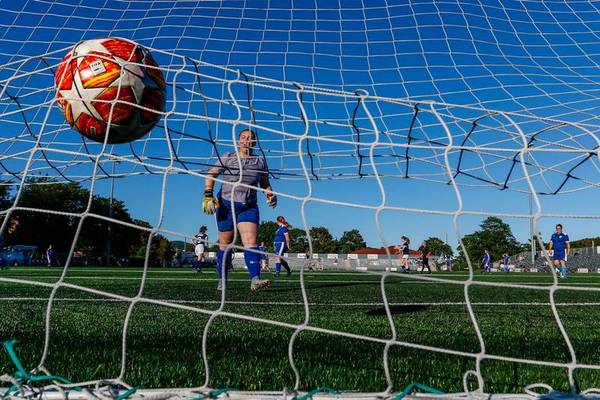

Grassroots football clubs rely on volunteer coaches who give their time, energy, and passion to develop young players. Yet few clubs have structured processes to evaluate coaching effectiveness. Without objective performance reviews, clubs struggle to support coach development, maintain standards, and ensure every player receives quality coaching.
The challenge lies in balancing appreciation for volunteers with accountability for player development. A coach might be enthusiastic and committed but lack the tactical knowledge to progress players. Another might hold FA qualifications yet struggle with communication. Objective coach performance review processes identify these gaps while recognising strengths, creating pathways for improvement that benefit coaches, players, and the entire club.
Why Grassroots Football Needs Coach Performance Reviews
The absence of structured coach evaluation creates several problems across grassroots football. Clubs often discover issues only after parents complain or players leave, by which point damage to team morale and club reputation has occurred.
Player Development Impact
Player development suffers most from unreviewed coaching. Research from The FA shows that coaching quality directly impacts technical development during critical age phases. A coach using outdated methods or inappropriate training for the age group can stall progress for an entire cohort. Without performance reviews, these issues continue season after season.
Coach Development Stagnation
Coach development stagnates without feedback. Many parent-coaches want to improve but receive no guidance on where to focus their learning. They might invest time in the wrong areas - perhaps pursuing advanced tactical courses when their immediate need is behaviour management skills.
Inconsistent Club Standards
Club standards become inconsistent. One under-9s team might follow The FA's Youth Development Review guidelines while another at the same club ignores them entirely. Parents notice these disparities, creating friction and questions about club leadership.
Objective reviews address these challenges by establishing clear expectations, providing constructive feedback, and creating development pathways that strengthen the entire coaching team.
Establishing Clear Performance Criteria
Effective coach performance review systems begin with transparent criteria that reflect club values and age-appropriate coaching standards. These criteria must balance technical competence with the softer skills that define quality grassroots coaching.
Technical Knowledge and Tactical Application
Technical knowledge and tactical application form the foundation. Coaches should demonstrate understanding appropriate to their level and the age group they manage. An under-7s coach needs expertise in fundamental movement skills and small-sided games, not complex tactical systems. The FA's England DNA framework provides age-specific guidelines that clubs can adapt for their performance criteria.
Session Planning and Delivery
Session planning and delivery reveal how coaches translate knowledge into practice. Effective coaches arrive with structured plans that include warm-ups, skill development, game-realistic practices, and cool-downs. They adapt sessions based on player response, weather conditions, and available resources. Using a team management app to document session plans creates evidence for reviews while helping coaches develop planning habits.
Communication Skills Assessment
Communication skills separate adequate coaches from exceptional ones. This includes explaining concepts clearly to players, providing constructive feedback, managing parent expectations, and collaborating with club leadership. Observation should assess whether players understand instructions and whether the coach adjusts communication styles for different learners.
Player Welfare and Safeguarding
Player welfare and safeguarding represent non-negotiable standards. Coaches must demonstrate up-to-date safeguarding knowledge, appropriate physical contact boundaries, inclusive language, and awareness of child protection procedures. Any deficiencies in this area require immediate intervention.
Development Focus Over Results
Player development focus over results mentality distinguishes grassroots coaching from professional environments. Reviews should examine whether coaches rotate positions, ensure equal playing time (where appropriate for the age group), prioritise skill development over winning tactics, and create positive learning environments.
Data-Driven Performance Assessment
Objective reviews require evidence beyond subjective impressions. Collecting quantitative and qualitative data throughout the season provides concrete discussion points and tracks improvement over time.
Player Attendance Rates
Player attendance rates indicate engagement levels. While external factors affect attendance, consistent drops in training attendance often correlate with coaching issues. Compare attendance across teams at similar age groups and competition levels. A team with 60% average training attendance when others achieve 80% warrants investigation.
Player Retention Between Seasons
Player retention between seasons reveals long-term satisfaction. Grassroots football naturally experiences some player turnover, but excessive losses signal problems. Track how many players return each season and conduct exit interviews with departing families to understand whether coaching meets age-appropriate development expectations. Patterns emerge when multiple families cite similar coaching-related reasons for leaving.
Parent Feedback Surveys
Parent feedback surveys provide valuable perspectives when structured properly. Anonymous mid-season and end-of-season surveys should ask specific questions: "Does the coach communicate fixture details clearly?" "Has your child's confidence improved?" "Does the coach create an inclusive environment?" Avoid vague questions like "Are you satisfied with coaching?" that generate unhelpful responses.
Player Development Metrics
Player development metrics offer objective measures of coaching effectiveness. For technical skills, periodic assessments using FA benchmarks show progression. For tactical understanding, age-appropriate tests reveal whether players grasp concepts their coach has taught. Modern football coaching apps can track individual player development across multiple parameters, providing data that distinguishes effective coaching from natural maturation.
Coaching Observation Data
Coaching observation data from structured session visits form the review centrepiece. Club welfare officers, committee members, or senior coaches should observe sessions using standardised forms that rate specific competencies. Multiple observations across a season provide reliable data while accounting for one-off bad sessions that every coach experiences.
Conducting Observation Sessions Effectively
Structured observations generate the most valuable performance data, but they require careful planning to produce fair, actionable insights.
Scheduling Considerations
Schedule observations in advance whenever possible. Surprise visits create anxiety that undermines natural coaching behaviour. Giving coaches notice allows them to prepare properly, which reflects their capability when fully focused. For safeguarding observations, unannounced visits may be appropriate, but developmental observations work best when scheduled.
Standardised Observation Forms
Use standardised observation forms that align with established performance criteria. Forms should include rating scales (1-5 or similar), space for specific examples, and sections for strengths and development areas. Standardisation enables comparison across coaches and tracking individual progress over multiple observations.
Complete Session Observation
Observe complete sessions rather than brief drop-ins. Coaching quality varies throughout sessions - a coach might excel at skill practices but struggle with game management. Full-session observations capture the complete coaching experience players receive.
Detailed Note-Taking
Take detailed notes with timestamps. Record specific incidents: "14:35 - Coach demonstrated skill before asking players to attempt it" or "15:10 - Coach raised voice unnecessarily when player made a mistake." These concrete examples make feedback discussions productive rather than abstract.
Multiple Observers for Fairness
Consider multiple observers for fairness. Different observers notice different aspects and bring varying perspectives. For significant decisions like coach removal or promotion to older age groups, multiple observations reduce bias and increase credibility.
Varied Context Observation
Observe different session types, including training, matches, and tournaments. Coaches often perform differently under match pressure than in training environments. A complete performance picture requires seeing coaches in varied contexts.
Structuring the Performance Review Meeting
The review meeting transforms collected data into developmental action. Poor execution here can demotivate committed volunteers despite good intentions.
Creating the Right Environment
Create a private, comfortable environment free from interruptions. Reviews in car parks or conducted hastily before training sessions undermine their importance. Schedule dedicated time in a neutral location where honest conversation can occur.
Beginning with Strengths
Begin with strengths and positive contributions. Volunteer coaches need recognition for their commitment before addressing development areas. Specific praise carries more weight than generic appreciation: "Warm-up activities consistently engage every player and develop fundamental movement skills" resonates more than "You're doing great."
Objective Data Presentation
Present data objectively without accusatory language. Rather than "Parents are unhappy with communication," try "Our survey showed 65% of parents want more advanced notice for fixture changes. Let's discuss how improvements can be made together." The difference lies in framing issues as shared problems to solve rather than personal failures.
Inviting Self-Assessment
Invite self-assessment before presenting external observations. Ask "How do you think the season has gone?" and "What areas would you like to develop?" Coaches often identify the same issues observers noted, making the conversation collaborative rather than confrontational.
Behaviour-Focused Feedback
Focus on specific, changeable behaviours rather than personality traits. "Players seem confused during transitions between activities - let's look at ways to give clearer instructions" works better than "You need to be more organised."
Action Plan Development
Develop an action plan together with concrete steps, timelines, and support mechanisms. Vague goals like "improve tactical knowledge" help nobody. Specific plans do: "Complete The FA's online Defending module by December, then observe how those principles are implemented in January sessions."
Documentation Requirements
Document everything in writing that both parties sign. This protects the club and coach while ensuring clarity about expectations. Documentation proves particularly important if performance issues continue and difficult decisions become necessary.
Supporting Coach Development Post-Review
Reviews identify development needs, but follow-through determines whether performance actually improves. Clubs must provide resources, mentoring, and opportunities that enable coaches to address identified gaps.
Development Budgets
Create development budgets for coaching courses and resources. Many volunteer coaches will fund their own development, but clubs should contribute where possible. Even modest support - covering one FA course per season or providing coaching books - demonstrates commitment to coach growth.
Mentoring Partnerships
Establish mentoring partnerships between experienced and developing coaches. A parent-coach struggling with session planning might shadow a qualified coach for several weeks, gradually taking on more responsibility while receiving guidance. These relationships often prove more valuable than formal courses for practical skill development.
Planning Resources and Templates
Provide planning resources and templates that reduce administrative burden while improving quality. Session plan templates, age-appropriate practice libraries, and equipment setup diagrams help coaches deliver better sessions without requiring hours of preparation they may not have. Football coaching apps centralise these resources, making them accessible during planning and reflection.
Mid-Season Check-Ins
Schedule mid-season check-ins to review progress on development plans. Waiting until year-end to assess improvement wastes opportunities for course correction. Brief monthly conversations maintain momentum and show coaches their development matters to club leadership.
Public Recognition of Improvement
Recognise improvement publicly when coaches address development areas. Highlighting a coach who has improved session structure or player communication at a club meeting reinforces positive change and motivates others to engage seriously with their own development.
External Development Opportunities
Connect coaches with external development opportunities beyond club resources. County FA workshops, online coaching communities, and grassroots football conferences expose coaches to new ideas and approaches while building networks that support long-term growth.
Handling Difficult Performance Conversations
Not every review concludes positively. Some coaches resist feedback, fail to improve despite support, or demonstrate issues serious enough to warrant removal. These situations require careful handling that balances player welfare with respect for volunteers.
Meticulous Documentation
Document everything meticulously from initial concerns through review meetings and support provided. If situations escalate to coach removal or disputes, thorough documentation protects the club legally and ethically. Records should include dates, specific incidents, witnesses, and actions taken.
Multiple Committee Involvement
Involve multiple committee members in serious performance discussions. Decisions about coach removal or significant role changes should never rest with one person. A panel approach ensures fairness, reduces personal conflict, and demonstrates proper governance.
Alternative Role Options
Offer alternative roles when coaches struggle in their current position but contribute value elsewhere. A coach lacking tactical knowledge for under-14s might excel with under-7s, where enthusiasm and energy matter more than tactical sophistication. A coach with poor communication skills might support as an assistant while developing those skills.
Clear Improvement Timelines
Set clear improvement timelines with specific checkpoints when performance issues arise. "We need to see improvement" lacks actionable clarity. "We'll observe three sessions over the next month, focusing on session structure and player engagement. We'll meet on March 15th to review progres,s" provides concrete expectations.
Player Welfare Priority
Prioritise player welfare above all other considerations, including coach feelings or volunteer retention. If a coach creates unsafe environments, uses inappropriate language, or demonstrates safeguarding concerns, immediate action takes precedence over lengthy improvement processes.
Emotional Response Preparation
Prepare for emotional responses to critical feedback. Volunteer coaches invest significant emotional energy in their roles. Criticism can feel like personal attacks even when delivered constructively. Allow space for emotional responses while maintaining focus on objective performance data and player needs.
Knowing When to End Relationships
Know when to end coaching relationships. Some situations cannot be salvaged through support and development. Coaches who reject feedback, repeatedly violate club policies, or create toxic environments must be removed despite the disruption this causes. Retaining problem coaches damages more than replacing them.
Creating a Culture of Continuous Improvement
The most effective coach performance review systems become embedded in club culture rather than isolated annual events. When coaches expect feedback, seek development opportunities, and support each other's growth, reviews feel natural rather than threatening.
Normalising Observation and Feedback
Normalise observation and feedback through regular informal sessions. If coaches only receive feedback during formal reviews, those meetings carry excessive weight and generate anxiety. Frequent low-stakes feedback - "That passing progression worked brilliantly today" or "Could we chat about managing that player behaviour differently?" - makes formal reviews feel like natural extensions of ongoing dialogue.
Peer Observation Encouragement
Encourage peer observation and feedback among coaches. Creating partnerships where coaches observe each other's sessions and discuss what worked builds collaborative learning environments. Peer feedback often resonates more than top-down assessment because it comes from people facing identical challenges.
Public Development Celebration
Celebrate coach development publicly alongside player and team achievements. Club communications should highlight coaches who complete qualifications, implement new approaches, or demonstrate improvement in development areas. This recognition reinforces that coaching growth matters as much as match results.
Performance Data Integration
Integrate performance data into regular club operations. Rather than collecting data specifically for reviews, embed data collection into normal processes. Using TeamStats to track attendance, player development, and communication provides ongoing performance insights without creating additional administrative burden. When data collection feels seamless, reviews become evidence-based rather than opinion-based.
Development Pathway Provision
Provide coaching development pathways that show volunteers how they can progress within the club. Clear progression from assistant coach to age group coach to senior coach or coaching coordinator gives ambitious volunteers goals to pursue. Coach performance review meetings then become checkpoints on development journeys rather than judgment sessions.
Leadership Feedback Modelling
Model receiving feedback at the leadership level. When club committee members, experienced coaches, and administrators openly discuss their own development areas and seek feedback, it normalises the process for everyone. Leaders who only give feedback but never receive it create cultures where reviews feel punitive rather than developmental.
Conclusion
Objective coach performance review processes strengthen grassroots football clubs by supporting volunteer development while maintaining standards that serve player welfare. The process requires establishing clear criteria, collecting diverse performance data, conducting structured observations, and delivering feedback that motivates improvement rather than discouraging volunteers.
Effective reviews balance appreciation for volunteer contributions with accountability for coaching quality. They recognise that most grassroots coaches genuinely want to improve but need guidance on where to focus their limited development time. By providing specific, evidence-based feedback alongside resources and support, clubs transform reviews from uncomfortable obligations into valued development opportunities.
The investment in structured performance reviews pays dividends across the club. Players receive consistently higher quality coaching that accelerates their development. Coaches grow their capabilities through targeted feedback and support. Parents gain confidence that the club maintains standards and addresses concerns systematically. Club leadership makes informed decisions about coach placement, development priorities, and resource allocation.
Building this culture requires patience and consistency. Initial reviews may feel awkward for clubs unaccustomed to evaluating volunteers. Coaches may resist feedback or feel their contributions are unappreciated. These growing pains diminish as reviews become routine and coaches experience the benefits of structured development support. Within a season or two, most clubs find that coaches actively seek feedback and engage enthusiastically with their development plans.
The ultimate measure of success lies not in the review process itself but in its outcomes. Are players developing more rapidly? Do coaches feel supported and valued? Is the club retaining volunteers while maintaining high standards? When these indicators improve, the investment in objective performance reviews justifies itself many times over, creating stronger teams, better coaching, and more positive experiences for everyone involved in grassroots football.
═══════════════════════════════════════════════════════════════