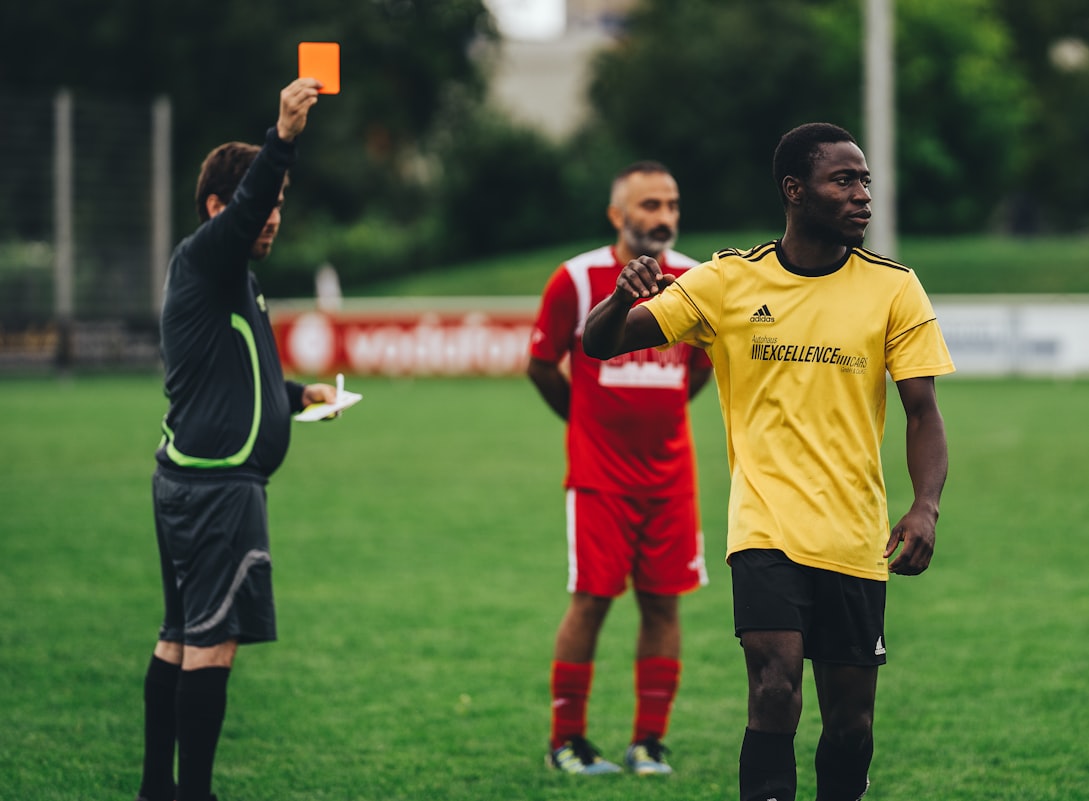

Conflict in grassroots football teams is inevitable. When parents, coaches, and players spend hours together each week - often under pressure to perform or win - tensions naturally arise. The difference between a thriving team and one that crumbles mid-season often comes down to how effectively these conflicts get resolved.
Research from UK Sport shows that 68% of volunteer coaches cite interpersonal conflicts as their biggest non-football challenge. These disputes range from disagreements over playing time to clashes between parents on the touchline. Left unaddressed, they erode team morale, drive away talented players, and burn out dedicated volunteers.
Effective football conflict resolution requires more than good intentions. It demands clear processes, consistent communication, and the courage to address problems before they fester. This guide explores practical strategies that work for real grassroots teams - not theoretical approaches that sound good but fail under pressure.
Why Conflicts Escalate in Grassroots Football
Small Issues Compound Without Intervention
Most team conflicts start small. A parent makes an offhand comment about team selection. Two players argue during training. A coach and assistant disagree on tactics. These moments feel manageable at first, but without proper resolution, they grow.
The volunteer nature of grassroots football intensifies this problem. Unlike professional environments with HR departments and formal procedures, most youth teams operate informally. Managers juggle full-time jobs alongside team duties. Coaches prioritise session planning over conflict management training. When tensions arise, many hope the problem will resolve itself.
It rarely does. Small grievances compound. Players pick up on adult tensions and form cliques. Parents stop volunteering. The team atmosphere shifts from supportive to toxic. By the time someone addresses the conflict directly, relationships have deteriorated beyond easy repair.
Three Escalation Factors
Three factors accelerate this escalation:
Lack of clear communication channels: When team members don't know how to raise concerns appropriately, they resort to gossip, passive-aggressive behaviour, or public confrontations. A team management app creates formal channels for feedback whilst keeping sensitive discussions private.
Emotional investment: Parents and coaches care deeply about their players. This passion drives grassroots football, but it also clouds judgment during disputes. What starts as concern about a child's development becomes personal criticism of a volunteer's competence.
Unclear roles and expectations: When responsibilities overlap or remain undefined, territorial disputes emerge. Two parents both think they're managing it. Three coaches give contradictory tactical instructions. Players receive mixed messages about behaviour standards.
Identifying Conflict Before It Spreads
Warning Signs to Monitor
The best football conflict resolution happens early, before positions harden and relationships fracture. Experienced managers develop sensitivity to warning signs:
Watch for changes in participation patterns. When a previously engaged parent stops attending matches or a player suddenly misses training without explanation, something has shifted. These withdrawals often signal unspoken conflict.
Notice communication breakdowns. Group chats that suddenly go quiet, parents who stop responding to messages, or players who avoid certain teammates all indicate underlying tension. The absence of communication is often more telling than heated arguments.
Pay attention to body language during matches and training. Parents who stand apart from the group, players who avoid eye contact with coaches, or volunteers who arrive late and leave early are broadcasting discomfort.
Objective Monitoring Methods
Track complaints and negative comments. A single criticism might reflect a bad day. Repeated complaints from multiple sources about the same issue - playing time distribution, training intensity, team selection - reveal systemic problems requiring attention.
Many grassroots teams now use football coaching apps to monitor these patterns objectively. When attendance data shows a player's participation dropping, or when message read receipts reveal certain parents consistently ignoring team communications, managers gain concrete evidence of problems rather than relying on gut feelings.
Establishing Clear Communication Protocols
Structured Feedback Channels
Preventing conflict requires establishing how team members raise concerns, provide feedback, and resolve disagreements. Without these protocols, every dispute becomes a crisis requiring improvisation.
Start by defining appropriate channels for different types of feedback. Minor concerns about kit or scheduling go directly to the team manager via private message. Questions about tactical decisions get addressed during designated coach consultation times. Serious complaints about safeguarding or inappropriate behaviour follow formal club procedures.
This structure achieves two goals: it ensures concerns reach the right person, and it prevents public escalation of private issues. When a parent knows exactly how to raise a playing time concern privately with the coach, they're less likely to vent frustration in the group chat or on the touchline.
Response Timeframes and Regular Opportunities
Set clear response timeframes. Volunteers can't reply instantly, but team members deserve acknowledgement within 48 hours. This simple commitment prevents the anxiety that drives people to escalate concerns prematurely or assume they're being ignored.
Create regular feedback opportunities. Monthly parent forums, post-match coach debriefs, or end-of-season surveys give people structured chances to voice concerns before frustration builds. These scheduled touchpoints normalise feedback as part of team culture rather than treating it as confrontational.
Document decisions and communications. When conflicts arise, people's memories of what was said or agreed often differ. Written records in TeamStats provide objective references that prevent "he said, she said" disputes.
Addressing Playing Time Disputes
Transparent Selection Criteria
Playing time generates more conflict in grassroots football than any other single issue. Parents watch their child sit on the bench whilst others play full matches. Players compare minutes and perceive unfairness. Coaches face impossible choices balancing development, team performance, and equal opportunity.
Transparent selection criteria reduce these tensions significantly. When everyone understands that starting positions depend on training attendance, effort, and tactical fit rather than favouritism or politics, disputes decrease. This doesn't eliminate disappointment, but it removes the sting of perceived injustice.
Communicate these criteria clearly at the season start. Explain the philosophy on player development and match participation. If an under-12s team prioritises equal playing time regardless of ability, state this explicitly. If an under-16s side selects based on performance because players need competitive preparation, make this clear. Parents and players can accept almost any approach if they understand it upfront.
Objective Tracking and Growth-Focused Conversations
Track playing time objectively. Many coaches think they rotate fairly but unconsciously favour certain players. Data reveals these patterns. Simple spreadsheets or app-based tracking shows exactly who played where and for how long. When a parent questions playing time, objective records support constructive conversations rather than defensive arguments.
Address concerns privately and promptly. When a parent raises playing time issues, schedule a face-to-face conversation within a week. Listen to their perspective without interrupting. Explain decisions with specific examples. Focus on their child's development path rather than comparing them to teammates.
Frame these discussions around growth rather than entitlement. Instead of debating whether a player "deserves" more minutes, discuss what skills they need to develop to earn increased playing time. This shifts the conversation from conflict to collaboration.
Managing Parent-Coach Disagreements
The 24-Hour Rule
Parent-coach conflicts often stem from different perspectives on the same situation. Parents see their individual child's needs. Coaches balance 15-20 players' development whilst trying to field competitive teams. Both viewpoints are valid, but they frequently clash.
The 24-hour rule prevents heat-of-the-moment confrontations. Establish that tactical or selection discussions never happen immediately after matches. Emotions run high after defeats or when a child has been substituted. Conversations held in these moments rarely resolve anything and often cause lasting damage.
Instead, invite parents to schedule meetings 24 hours after matches. This cooling-off period allows both parties to reflect rationally. Most minor frustrations fade overnight. Concerns that persist after 24 hours deserve proper attention.
Shared Concern Approach
During these meetings, use the "shared concern" approach. Start by agreeing on common ground: both parties want the player to develop, enjoy football, and contribute to the team. This foundation prevents the conversation from becoming adversarial.
Ask questions before explaining decisions. "What specific concerns do you have about Tom's positioning?" reveals whether the parent questions the tactical choice, worries about their child's confidence, or simply doesn't understand the game plan. Each concern requires different responses.
Explain the coaching rationale with concrete examples. "Tom moved to left-back because he's the most composed defender in possession, and that position requires playing out from the back" provides tactical reasoning that respects the parent's intelligence.
Acknowledge when parents raise valid points. Coaches don't have perfect information. A parent might reveal that their child feels overwhelmed in a certain position or that a training method causes anxiety. This input improves coaching decisions rather than undermining authority.
Resolving Player-to-Player Conflicts
Immediate Intervention
Youth players lack the emotional regulation and conflict resolution skills that adults develop over decades. Disagreements that adults would resolve with brief conversations can spiral into feuds that split teams.
Address player conflicts immediately and directly. When two players argue during training or avoid each other at matches, intervene in that session. Waiting allows positions to harden and other players to take sides.
Facilitate conversations rather than imposing solutions. Bring both players together in a private setting. Ask each to explain their perspective without interruption. Often, simply being heard defuses tension. Players realise disagreements stem from misunderstandings rather than genuine animosity.
Focus on Behaviour and Ongoing Monitoring
Focus on behaviour and impact rather than assigning blame. "When you criticised Jake's pass in front of the team, it affected his confidence", describes observable actions and consequences. "You're always negative" makes judgments that provoke defensiveness.
Require acknowledgement and agreement on moving forward. Both players must articulate what they'll do differently. "I'll give feedback privately instead of shouting during games" creates accountability. "I'll try to be nicer" remains too vague to change behaviour.
Monitor the situation in subsequent sessions. Check in with both players individually. Watch their interactions during training. Conflicts rarely resolve completely after one conversation - they require ongoing attention.
For serious or persistent conflicts, involve parents. Some disputes reflect deeper issues requiring family support. Bullying, social exclusion, or repeated aggression demand coordinated responses between coaches and parents, following club safeguarding procedures.
Handling Volunteer Disagreements
Clear Role Definition
Grassroots teams depend on volunteers - assistant coaches, team managers, committee members - who donate hours each week. When these key people clash, the entire team suffers. Matches lack organisation. Training sessions run poorly. Administrative tasks fall through the cracks.
Define roles and responsibilities explicitly. Many volunteer conflicts arise from unclear boundaries. When everyone knows precisely what they're responsible for, territorial disputes decrease. Written role descriptions prevent misunderstandings.
Establish decision-making hierarchies. Who has final say on team selection? Tactical approaches? Budget allocation? Match scheduling? These questions seem obvious until disagreements arise. Clear authority structures prevent power struggles.
Private Channels and Recognition
Create private channels for volunteer discussions. Disagreements about team direction or strategy shouldn't play out in parent group chats. Volunteers need spaces to debate approaches, express concerns, and work through differences away from the wider team audience.
Recognise that volunteers can step back. Unlike paid staff, grassroots volunteers choose their involvement. When conflicts become too stressful or time-consuming, they simply stop volunteering. This makes resolution even more critical - losing experienced volunteers over preventable disputes damages teams for seasons.
Express appreciation regularly. Many volunteer conflicts stem from feeling undervalued. When people invest significant time without recognition, small disagreements trigger disproportionate reactions. Regular acknowledgement of contributions creates goodwill that buffers against conflict.
Using Mediation for Complex Disputes
External Mediation Services
Some conflicts exceed a manager's ability to resolve directly. Long-standing feuds, disputes involving multiple parties, or situations where the manager is implicated require neutral mediation.
County FAs provide mediation services for grassroots clubs. These trained mediators understand football contexts and remain impartial. They facilitate conversations, help parties find common ground, and develop mutually acceptable solutions.
Club welfare officers can mediate certain disputes, particularly those involving player welfare or safeguarding concerns. Their role provides authority and expertise that helps parties take concerns seriously.
Voluntary Participation
For conflicts within grassroots football leagues, league officials sometimes mediate between clubs or address disputes that affect multiple teams. This prevents conflicts from escalating into formal complaints or legal action.
Mediation works best when all parties agree to participate voluntarily and commit to finding solutions. Forced mediation rarely succeeds. People must genuinely want resolution rather than vindication.
Knowing When to Part Ways
Persistent Violations
Not every conflict resolves positively. Sometimes, despite best efforts, relationships deteriorate beyond repair. Recognising when someone needs to leave the team - whether a player, parent, or volunteer - prevents ongoing damage to team culture.
Persistent behaviour that violates team values requires action. A parent who repeatedly abuses referees despite warnings, a player who bullies teammates, or a volunteer who undermines the manager creates toxicity that affects everyone. Protecting the wider team sometimes means asking individuals to leave.
Documentation and Procedures
These decisions demand careful documentation. Keep records of incidents, warnings given, and steps taken to address problems. This protects against accusations of unfairness and provides clear justification for difficult decisions.
Follow club disciplinary procedures. Most grassroots clubs have codes of conduct and formal processes for addressing serious issues. These procedures ensure fairness and reduce personal liability for decision-makers.
Communicate decisions clearly but without unnecessary detail. The team needs to know that someone has left and that the decision is final. They don't need to know every detail of what led to this outcome. Protect privacy whilst providing closure.
Building Conflict-Resilient Team Culture
Preventative Strategies
The most effective football conflict resolution strategy is prevention. Teams with strong cultures handle disagreements constructively before they escalate into serious conflicts.
Establish clear team values collaboratively. When players, parents, and coaches collectively define what the team stands for - respect, development, effort, enjoyment - these values become reference points for behaviour. Conflicts get resolved by asking, "Is this aligned with our team values?"
Model constructive conflict behaviour. How managers and coaches handle their own disagreements sets the tone. When leaders admit mistakes, apologise genuinely, and resolve differences respectfully, team members learn these skills.
Unity and Education
Celebrate team unity and collective achievement. Regular social events, team bonding activities, and recognition of collaborative success strengthen relationships. Strong relationships withstand disagreements that would fracture weaker connections.
Provide conflict resolution education. Brief workshops or discussions about handling disagreements give team members practical skills. Even 20 minutes spent role-playing difficult conversations improves people's ability to navigate real conflicts.
Use technology to reduce common friction points. Many disputes arise from logistical confusion - unclear training times, forgotten match details, or miscommunicated team selections. Digital platforms that centralise information and automate routine communications eliminate these preventable conflicts.
Conclusion
Effective football conflict resolution separates thriving grassroots teams from those that struggle through seasons plagued by drama and dysfunction. Conflicts themselves aren't the problem - they're inevitable when passionate people invest time and emotion in youth development. The problem is failing to address these disputes constructively.
The strategies outlined here - establishing clear communication channels, addressing playing time transparently, facilitating difficult conversations, and building conflict-resilient cultures - work because they're grounded in real grassroots football experience. They acknowledge the volunteer nature of youth football whilst maintaining professional standards for behaviour and communication.
Technology increasingly supports these efforts. Platforms like TeamStats reduce administrative friction, create transparent communication channels, and provide objective data that prevents disputes rooted in perception rather than reality. When combined with strong interpersonal skills and clear team values, these tools help managers focus on football development rather than constant crisis management.
The most successful grassroots teams aren't those without conflicts - they're teams that handle disagreements quickly, fairly, and constructively. They create environments where people feel heard, where concerns get addressed promptly, and where the focus remains on player development rather than adult politics. Building this culture requires intentional effort, but the reward is a team where players, parents, and volunteers genuinely enjoy their involvement season after season.
═══════════════════════════════════════════════════════════════