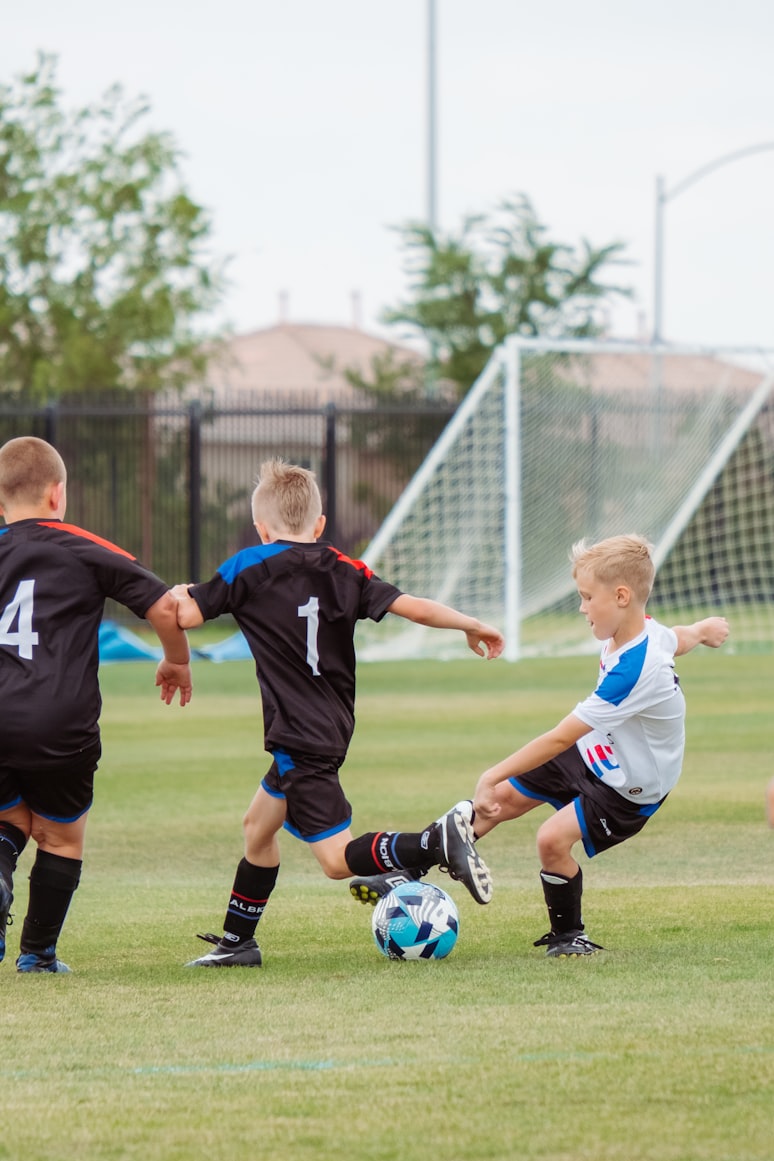

Quality coaching determines success in grassroots football more than any other factor. Skilled, committed coaches develop players technically and tactically whilst building character, confidence, and lifelong love of the game. Yet many clubs struggle to recruit football coaches in sufficient numbers to meet demand, leading to oversized training groups, limited match opportunities, and volunteer burnout. Effective recruitment strategies combined with comprehensive training and ongoing support enable clubs to build sustainable coaching capacity that drives player development, enhances reputation, and creates thriving football communities.
Why Quality Coaching Matters
Impact on Player Development
Technical and tactical skill progression depends fundamentally on coaching quality. Coaches who understand age-appropriate development, plan progressive sessions, and provide clear feedback accelerate player improvement. Conversely, well-intentioned but untrained coaches often inadvertently hinder development through inappropriate activities, unclear instruction, or emphasis on winning over learning. The difference between quality coaching and enthusiastic but uninformed volunteering significantly impacts how quickly young players develop fundamental skills.
Character and life skills development represent coaching's broader purpose beyond football technique. Quality coaches teach resilience through managing setbacks, teamwork through collaborative activities, respect through modelling appropriate behaviour, and self-discipline through consistent expectations. These lessons transfer to academic, professional, and personal contexts, justifying grassroots football's prominent role in youth development. TeamStats helps coaches track both technical progression and character development indicators, providing holistic views of player growth.
Player retention and enjoyment correlate strongly with coaching quality. Research consistently shows that children cite "fun" and "good coaching" as primary reasons for continuing sport participation, whilst poor coaching drives dropout more than competitive results. Clubs that invest in recruiting and developing quality coaches retain players through adolescence when dropout rates typically spike, building sustainable programmes less vulnerable to year-to-year recruitment fluctuations.
Club Reputation and Growth
Attracting families through coaching quality creates virtuous cycles of growth. Parents research clubs carefully before registering children, seeking evidence of qualified coaches, positive player experiences, and developmental focus. Clubs known for quality coaching attract motivated families who contribute positively to club culture, volunteer willingly, and remain loyal across seasons. This reputation becomes a valuable asset that enhances recruitment whilst reducing the marketing effort required.
Building sustainable programmes requires coaching capacity matching ambition. Clubs cannot grow beyond their volunteer coaching capacity without compromising quality or burning out existing coaches. Strategic recruitment, ensuring adequate coaching coverage for current teams plus capacity for expansion, enables sustainable growth. Planning coaching recruitment alongside player recruitment prevents a common scenario where successful player recruitment overwhelms limited coaching capacity.
Creating a positive club culture starts with coaching standards and behaviours. Coaches interact most directly with players and families, shaping perceptions of club values, professionalism, and culture. Clubs that recruit football coaches who embody desired values - respect, development focus, positive communication, inclusive practices - and train them consistently create a unified culture across all teams.
Identifying Coaching Needs and Defining Roles
Assessing Current Capacity
Evaluating teams versus available coaches reveals capacity gaps requiring attention. Calculate coach-to-team ratios realistically - most youth teams need at least two coaches (head coach plus assistant) for adequate coverage when volunteers have work commitments, holidays, or occasional unavailability. Clubs with single-coach teams operate precariously, vulnerable to disruption when that individual becomes unavailable.
Qualification levels and experience across your coaching cohort inform development priorities. Auditing current coaches' qualifications, years of coaching, and continuing professional development engagement identifies both immediate recruitment needs and long-term development opportunities. This assessment ensures recruitment targets appropriate experience levels whilst development programmes address actual skill gaps.
Age group coverage gaps often emerge as clubs expand. Some age groups attract willing coaches, whilst others struggle, creating uneven coaching quality across the club. Identifying age groups lacking qualified or experienced coaches enables targeted recruitment, emphasising those specific needs. Communicating clearly that particular age groups need coaches increases recruitment success versus generic messaging.
Succession planning requirements prepare for inevitable transitions. Experienced coaches eventually move on due to children ageing out, life changes, or the natural volunteer lifecycle. Identifying coaches likely to depart within one to two years enables proactive recruitment of successors, allowing mentored transitions that maintain continuity rather than desperate last-minute scrambles.
Defining Coach Roles Clearly
Head coach responsibilities encompass session planning, player development, team selection, match management, and parent communication. Articulating these expectations clearly helps potential volunteers assess whether they can commit meaningfully. Specific role descriptions - "Planning and delivering one 90-minute training session weekly, managing team on match days, communicating with 15 families" - enable informed volunteering decisions rather than vague "we need coaches" requests.
Assistant coach expectations differ from head coach roles, offering an entry pathway for less experienced or time-constrained volunteers. Assistants support session delivery, provide additional supervision, manage equipment, and cover when head coaches are unavailable. Defining assistant roles clearly creates opportunities for parents wanting to contribute without full head coach responsibility. Many excellent head coaches begin as assistants, gaining confidence and experience before taking primary responsibility.
Age-specific requirements vary significantly between youth age groups. Coaching under-7s requires different skills, patience, and approach than coaching under-16s. Articulating these differences helps match volunteers to appropriate age groups based on preferences and aptitudes. Some volunteers prefer working with younger children's enthusiasm and fundamental skill focus, whilst others enjoy older players' tactical sophistication and competitive drive.
Time commitments and boundaries must be communicated transparently. Volunteers need a realistic understanding of time requirements - training sessions, matches, planning time, communication with families, meetings, and administrative tasks. Underestimating time commitment leads to overwhelmed volunteers who burn out or perform poorly. Equally important is clarifying boundaries - volunteers aren't expected to be available constantly or manage unreasonable demands.
Where to Find Potential Coaches
Internal Recruitment Sources
Current parents represent the most accessible coaching recruitment pool. Parents attending matches and training already demonstrate commitment to their children's football and understand club culture. Many hesitate to volunteer due to perceived lack of qualification or experience, but with appropriate support and training, motivated parents become excellent coaches. Direct personal invitations from existing coaches or club leadership prove more effective than general announcements seeking volunteers.
Former players returning to clubs offer valuable continuity and insider knowledge. Young adults who played for your club during childhood often welcome opportunities to give back, bringing enthusiasm, recent playing experience, and existing connections. These individuals understand club values, know facilities and systems, and typically share a strong emotional connection to the club. Maintaining relationships with players as they age out facilitates recruitment when they're ready to volunteer.
Volunteers in other roles sometimes transition to coaching when approached. Team managers, committee members, or matchday volunteers who've observed coaching may consider stepping into coaching roles with encouragement and support. These individuals already demonstrate club commitment and understand operations, requiring only coaching-specific development.
Player pathways to coaching develop future volunteer capacity systematically. Encouraging teenage players to complete Introduction to Coaching courses, assist with younger age groups, and gain experience progressively builds a pipeline of qualified coaches emotionally invested in club success. Understanding football coaching apps helps young coaches access resources and plan effective sessions.
External Recruitment Strategies
Local community outreach expands recruitment beyond existing club networks. Promoting coaching opportunities through community centres, libraries, local employers, and faith organisations reaches individuals who may not have considered football coaching but possess relevant skills - teachers, youth workers, sports coaches from other disciplines. Emphasising that prior football experience isn't essential, whilst coaching passion and commitment to young people's development are paramount, broadens applicant pools.
Social media campaigns generate awareness efficiently and cost-effectively. Targeted Facebook advertising, Instagram posts sharing coach testimonials, and LinkedIn outreach to local professionals create multiple touchpoints reaching diverse audiences. Showcasing current coaches' experiences, highlighting support provided, and celebrating coaching successes make volunteering opportunities tangible and appealing.
Partnerships with schools and colleges provide access to populations with relevant skills and availability. Physical education teachers, sports students, and education degree candidates often seek coaching opportunities aligning with career interests whilst providing flexible volunteering fitting academic schedules. Formal partnerships offering placement opportunities benefit both clubs and educational institutions.
Coaching qualification courses introduce potential coaches to clubs. Attending local FA coaching courses, introducing your club, and inviting course participants to volunteer creates a recruitment pipeline. Sponsoring qualification places for potential volunteers reduces financial barriers whilst securing committed coaches.
Creating Compelling Volunteer Opportunities
Addressing Common Barriers
Time commitment concerns represent the primary obstacle to coaching volunteering. Many potential volunteers want to help but worry about excessive demands on already limited time. Addressing this directly - specifying exact time requirements, offering flexible roles, and sharing how clubs support efficient time use through team management apps - reduces anxiety about unmanageable commitments. Emphasising that typical coaching requires three to four hours weekly makes volunteering feasible for working professionals.
Lack of experience or confidence deters many potential coaches who assume coaching requires an elite playing background or extensive knowledge. Explicitly stating that playing experience isn't required, emphasising support provided through mentoring and training, and highlighting successful coaches who started as beginners, encourages applications from capable individuals who lack confidence.
Financial costs of qualifications prevent some potential volunteers from coaching. Whilst FA coaching courses are relatively affordable, costs still present barriers for some families. Clubs that fund qualification courses for committed volunteers remove this obstacle entirely. Understanding grassroots football fundraising helps clubs allocate resources for coach development.
Unclear expectations about what coaching involves create uncertainty that prevents volunteering. Potential coaches wonder about legal responsibilities, safeguarding implications, conflict management, or dealing with difficult parents. Providing transparent information through recruitment materials and arranging conversations with current coaches reduces uncertainty and increases application rates.
Offering Support and Incentives
Funded coaching courses demonstrate club investment in coach development whilst removing financial barriers. Paying for Introduction to Coaching, Level 1, and Level 2 courses for volunteers signals that clubs value coaching quality and support development. This investment typically returns significantly through improved coaching quality and volunteer retention.
Mentorship programmes pair new coaches with experienced mentors, accelerating learning whilst building confidence and community. Knowing they'll receive ongoing support from someone who understands coaching challenges reduces anxiety about starting. Effective mentorship includes regular check-ins, session observation with feedback, practical advice for common scenarios, and emotional support during difficult periods.
Equipment and resources provided eliminate logistical barriers to effective coaching. New coaches shouldn't need to purchase cones, bibs, balls, or training equipment personally. Clubs ensuring adequate equipment availability, organised storage, and easy access communicate professionalism whilst enabling coaches to focus on planning and delivery.
Recognition and appreciation maintain volunteer motivation and satisfaction. Formal recognition through coach of the year awards, qualification achievement celebrations, or public acknowledgement in newsletters validates contributions. Informal appreciation through personal thank-yous from club leadership or parent testimonials proves equally important for sustaining engagement.
Recruitment Process and Onboarding
Screening and Selection Best Practices
Safeguarding checks through DBS (Disclosure and Barring Service) represent non-negotiable requirements for anyone working with children. All coaches must complete enhanced DBS checks before beginning, with clubs managing the application process supportively. Explaining safeguarding requirements transparently during recruitment prevents surprises whilst demonstrating club's commitment to child protection.
Reference verification provides additional safeguarding whilst understanding candidate suitability. Requesting references from employers, previous volunteer roles, or character references offers perspectives beyond interview conversations. Following up with phone calls to references yields valuable insights informing decisions about working with young people, reliability, and interpersonal skills.
Interviews or conversations with potential coaches assess compatibility, communication skills, and commitment level. Informal conversations often work better than formal interviews for volunteer positions, creating comfortable environments where candidates can ask questions whilst club representatives assess suitability. Key discussion areas include motivation for coaching, previous experiences with young people, understanding of club values, and realistic availability assessment.
Trial period arrangements allow both parties to assess fit before full commitment. New coaches observing experienced coaches, assisting for several weeks before taking primary responsibility, or starting mid-season with reduced expectations, creates a lower-pressure introduction enabling both club and volunteer to evaluate compatibility.
Comprehensive Onboarding Process
Club policies and procedures orientation ensures new coaches understand operational standards, safeguarding protocols, communication expectations, and behaviour management approaches. Providing written policies in handbook format covering all key areas creates a reference resource that coaches can consult when questions arise. Scheduled orientation meetings demonstrate organisational professionalism.
Safeguarding training completion represents a mandatory requirement before coaching independently. All coaches must complete the FA Safeguarding Children workshop, understanding their responsibilities for child protection, recognising concerning behaviours, and knowing reporting procedures. Clubs should schedule or fund safeguarding training promptly after recruitment.
Introduction to the team and families establishes relationships and credibility. Formal introduction at training session, introductory email or message to families, and designation of experienced parent as point of contact for questions help new coaches integrate smoothly. Emphasising new coach qualifications and the support they'll receive builds family confidence.
Administrative systems training covering registration, attendance tracking, communication platforms, and scheduling tools prevents operational confusion. Dedicated time showing new coaches how to use club systems reduces administrative frustration whilst enabling effective operation.
Supporting Coaching Development
Qualification Pathways and Ongoing Learning
Introduction to Coaching Football provides an entry-level qualification for new coaches, covering fundamental principles of effective coaching, age-appropriate practices, and safeguarding basics. This foundational course, offered by County FAQs, introduces coaching methodology and builds confidence for volunteers without previous coaching experience.
FA Level 1 and Level 2 qualifications provide progressively advanced coaching knowledge and credibility. Level 1 focuses on delivering engaging sessions and understanding player development principles, whilst Level 2 covers tactical understanding and advanced coaching techniques. Supporting coaches through both qualifications develops a capable coaching cohort able to operate with increasing independence. For clubs establishing clear football formations, qualified coaches implement tactical concepts more effectively.
Age-specific courses targeting particular development stages enable coaches to specialise in age groups matching their interests and aptitudes. FA Youth Modules focus on coaching children at different developmental stages, addressing age-appropriate activities, communication approaches, and developmental expectations.
CPD (Continuing Professional Development) workshops and webinars maintain coaching currency and introduce new methodologies. Regular workshops on topics like behaviour management, session planning, tactical understanding, or player welfare provide ongoing learning beyond initial qualifications. Recording webinars for coaches unable to attend live creates accessible learning resources, accommodating volunteer schedules.
Mentorship and Support Networks
Pairing new with experienced coaches creates structured support relationships, accelerating development. Effective mentor relationships include regular contact, session observation with constructive feedback, availability for questions or concerns, and emotional support during challenging periods. Mentorship works best when formalised with clear expectations and mutual commitment from both parties.
Regular check-ins between club leadership and coaches identify challenges early while demonstrating ongoing support. Monthly conversations with the coaching coordinator provide opportunities to discuss concerns, request resources, celebrate successes, and maintain connection. These check-ins shouldn't feel like performance evaluations but rather supportive conversations.
Problem-solving support when challenges arise prevents volunteer discouragement and departure. Coaches face various challenges - difficult parents, behavioural issues, tactical questions, team selection dilemmas - requiring support beyond their current capability. Responsive club leadership addressing issues quickly sustains confidence and effectiveness.
Building a coach community through social activities, shared learning, and mutual support creates networks sustaining coaching volunteering long-term. Coaches who develop friendships, feel part of a community, and receive peer support persist through challenges while recruiting others into coaching.
Practical Training and Technology Support
Essential Coaching Skills Development
Session planning skills covering age-appropriate activities matching developmental capabilities prove essential for effective coaching. Young children require frequent activity changes, simple instructions, and games-based learning, whilst older players benefit from tactical complexity and extended skill work. Training new coaches to understand developmental characteristics enables appropriate planning.
Progressive skill development, structuring practices to build complexity systematically, ensures players master fundamentals before advancing. Teaching coaches to break skills into component parts, establish clear success criteria, and progressively increase difficulty creates logical learning progressions, maximising player improvement.
Managing groups effectively requires organisational skills, ensuring maximum active learning time and minimal disruption. Efficient transitions between activities, clear demonstrations, appropriate group sizes for activities, and proactive behaviour management maintain engagement whilst maximising practice time.
Match day management covering team selection approaches, tactical preparation, in-game decision making, and post-match review, emphasising development over results, prepares coaches for competitive environments whilst maintaining a developmental focus appropriate for grassroots football.
Leveraging Technology for Coaching Support
Session plan libraries providing tested, age-appropriate activities save planning time whilst ensuring quality. Clubs can compile libraries from FA resources, coaching websites, or coaches' own tested sessions, organising by age group, theme, or skill focus. Making these resources easily accessible enables coaches to browse inspiration rather than creating every session from scratch.
Communication platforms streamlining contact with players and families reduce administrative burden, enabling coaches to focus on coaching. Whether through dedicated team apps, messaging platforms, or integrated management systems, digital communication consolidates information and ensures consistent messaging.
Training activity databases from FA or commercial providers offer professionally designed practices with variations, progressions, and coaching points. Subscription access to quality databases provides coaches with endless session material whilst exposure to diverse approaches develops their understanding.
Retaining Coaches and Succession Planning
Preventing Burnout and Sustaining Engagement
Manageable workload through realistic role scoping and adequate support prevents volunteer burnout, undermining retention. Ensuring assistant coaches share responsibilities, team managers handle administration, and club infrastructure supports operational needs enables sustainable coaching. For clubs operating across multiple football leagues, administrative coordination becomes particularly important.
Time-off periods during off-season or mid-season breaks provide recovery, preventing continuous year-round demands. Encouraging coaches to take breaks and ensuring adequate coverage when coaches need time off sustains long-term engagement. Cultures valuing volunteer wellbeing ultimately retain coaches longer.
Administrative support, minimising non-coaching burdens, enables coaches to focus energy on actual coaching. Dedicated administrators handling registrations, league administration, facility bookings, and equipment management free coaches to plan sessions, develop players, and manage teams effectively.
Recognition and appreciation through formal awards, public acknowledgement, and personal thank-yous maintain volunteer satisfaction. End-of-season presentations, social media features, and sincere personal conversations acknowledging specific contributions demonstrate respect and gratitude, sustaining volunteer engagement.
Building Sustainable Coaching Pipelines
Succession planning ensures section continuity when key volunteers move on. Identifying and developing future coordinators, coaches, or administrators prevents a crisis when current leadership transitions. Gradual leadership transitions with mentoring and support maintain stability whilst bringing fresh perspectives.
Player pathways to coaching create sustainable volunteer pipelines. Encouraging teenage players to complete coaching qualifications and assist with younger age groups builds future capacity. These young coaches bring energy, contemporary playing experience, and long-term commitment potential.
Creating coaching communities through regular meetings, social activities, and shared learning sustains engagement whilst attracting new volunteers. Coaches who feel connected, supported, and valued persist through challenges whilst actively recruiting others into coaching roles.
Conclusion
Recruiting and training coaches effectively represents an essential foundation for successful grassroots football clubs. Strategic recruitment targeting internal networks and external communities, removing barriers through support and incentives, and implementing professional processes, attracts quality volunteers to recruit football coaches successfully. Comprehensive training combining formal qualifications with practical mentorship and ongoing development builds coaching capability, enabling positive player experiences.
Retention through sustainable workload, genuine appreciation, and supportive community ensures clubs maintain coaching capacity across seasons. Clubs committed to building quality coaching programmes benefit from modern management tools streamlining operations whilst enabling coaches to focus on development. Organisations ready to strengthen coaching capacity can sign up for TeamStats to coordinate recruitment, support development, and manage operations efficiently, transforming grassroots football into genuine developmental experiences, preparing young people for life beyond sport.
═══════════════════════════════════════════════════════════════