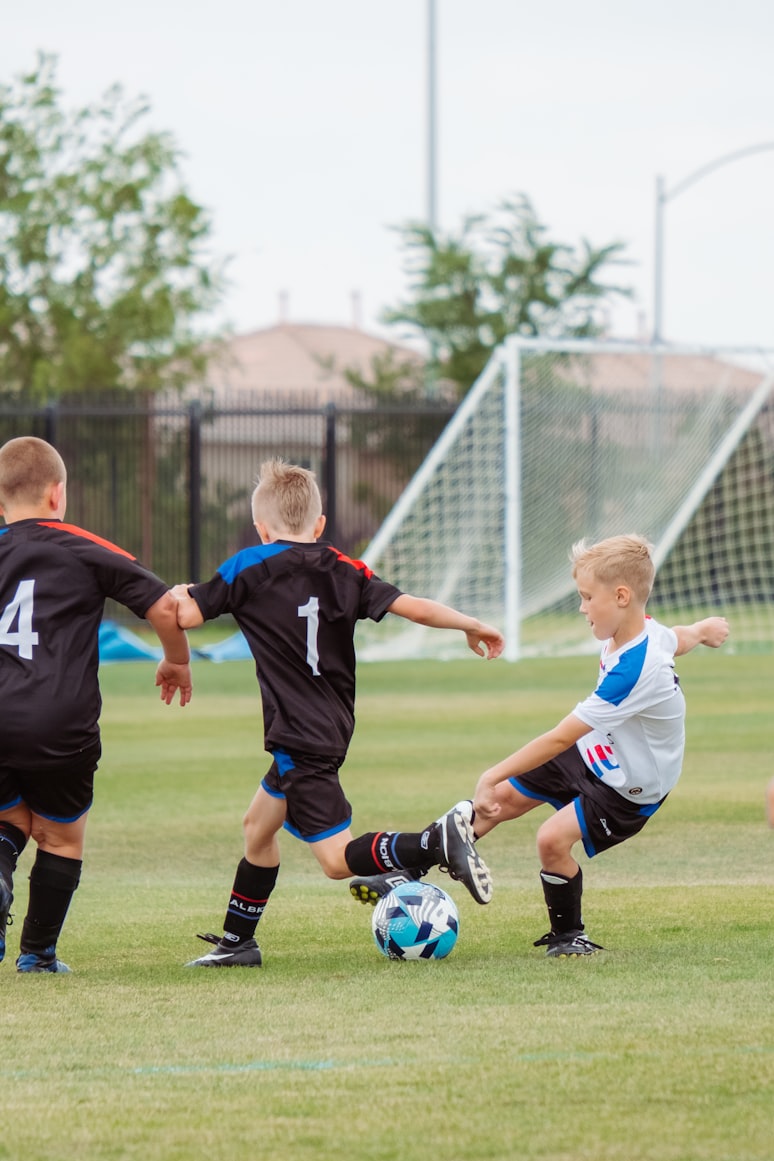

Enthusiasm in youth football is a brilliant thing to see. That drive to train hard, improve every week, and give everything for the team is what grassroots football is all about. But there’s a fine line between pushing for progress and pushing too far. Overtraining is a genuine risk for young players, and spotting the signs early is one of our most important jobs as coaches and parents. It’s about protecting their long-term health and their love for the game.
Think of a young player's energy like a phone battery. Every training session, every match, and even every late night doing homework drains that battery. Proper rest, good food, and downtime are how it recharges. Overtraining happens when the battery is constantly being drained faster than it can be charged. Eventually, it hits zero and performance plummets. For kids, whose bodies and minds are still developing, managing that energy balance is absolutely crucial.
What Exactly is Overtraining?
Overtraining isn't just about feeling a bit tired after a tough match. It's a state of chronic fatigue and underperformance that occurs when the body can't cope with the volume and intensity of physical activity. The body is constantly in a state of breakdown without enough time to repair and get stronger. This affects a young athlete physically, psychologically, and emotionally.
In youth football, the risk is magnified. Children aren't just mini-adults. Their bones are still growing, their muscles are developing, and they are navigating the hormonal rollercoaster of puberty. Add school pressures and a busy social life into the mix, and it's easy to see how the scales can tip. Understanding the early overtraining signs youth football presents is the first step in preventing a small issue from becoming a serious problem.
Key Signs of Overtraining in Youth Football
The warning signs can be subtle at first, often dismissed as a player just having an "off week." But when these symptoms persist, it's time to pay attention. The key is to look for a pattern of changes across different aspects of a child's life, not just their performance on the pitch.
Physical Warning Signs
The body often sends the first signals that it’s under too much strain. These physical red flags are clear indicators that a player needs more recovery.
Persistent Fatigue: This is more than just post-training tiredness. It’s a deep, lingering exhaustion that doesn’t go away even after a day or two of rest. The player might seem lethargic and complain about feeling heavy-legged all the time.
Nagging Injuries: An increase in muscle strains, sprains, and persistent soreness is a classic sign. An overtrained body has a weakened immune system and a reduced capacity for repair, making it highly susceptible to injury.
Sleep Problems: Ironically, an exhausted body can struggle to sleep. This might involve difficulty falling asleep, waking up frequently during the night, or not feeling refreshed upon waking.
Changes in Appetite: A noticeable loss of interest in food is a common symptom. This can lead to unintended weight loss and means the body isn't getting the fuel it needs to recover.
Elevated Resting Heart Rate: Checking a player's heart rate in the morning before they get out of bed can be a useful indicator. A resting heart rate that is consistently 5-10 beats per minute higher than their normal baseline suggests the body is under stress.
Psychological and Emotional Signs
Overtraining takes a significant toll on a young person's mind. The mental and emotional overtraining signs youth football coaches should look for are just as important as the physical ones.
Increased Irritability and Mood Swings: The player might become easily frustrated, snappy, or unusually emotional over small things. The constant fatigue lowers their ability to regulate emotions.
Loss of Motivation: A sudden drop in enthusiasm for football is a major red flag. They may start making excuses to miss training or seem disinterested in activities they previously loved.
Difficulty Concentrating: This can affect them both on the pitch and at school. They might struggle to follow instructions, make poor decisions in games, or see their grades slip.
Feelings of Anxiety: The pressure to perform combined with constant fatigue can lead to increased feelings of worry, stress, and even sadness.
Performance-Related Signs
Ultimately, overtraining will impact what a player can do on the pitch. This is often where the signs become undeniable.
A Drop in Performance: Despite training harder than ever, the player's performance gets worse. They might be slower, less agile, or unable to complete drills they used to handle easily.
Longer Recovery Times: It takes the player much longer to recover from a tough session or match than it used to.
Increased Perceived Exertion: Drills and exercises that were once manageable now feel incredibly difficult. The player may complain that everything feels like a struggle.
Why Children Are More Vulnerable
It’s crucial to understand that children face a unique set of risks when it comes to overtraining. Their journey in sport is a marathon, not a sprint, and their developing bodies require careful management. Understanding the best age to start playing football and the developmental stages involved provides important context for why they are so susceptible to pressure.
I once coached a talented U13 winger, Liam. He was lightning-fast and lived for football, playing for our team, his school team, and a district squad. His dad, meaning well, also had him doing extra sprint training. For a while, he was flying. Then, the signs started. He became quiet, his pace dropped, and he picked up a string of muscle strains. We sat down with him and his parents and looked at his schedule. The poor lad had one day off a week. We worked together to prioritise his commitments, ensuring he had proper rest days. It was tough for him at first, but within a month, the spark was back. He was faster and, more importantly, happier.
The pressure to succeed, whether internal or external, can lead young players to ignore their body's signals. They might not have the experience to know the difference between pushing through a tough patch and heading towards burnout. That’s why the adults around them need to be vigilant.
Preventing Overtraining: A Proactive Approach
Prevention is always better than cure. Creating a supportive and balanced environment is the key to fostering healthy athletic development. So, how do you balance that drive to improve with the critical need for rest?
Build a Balanced Training Schedule
Variety and rest are your best friends here. A well-structured schedule is fundamental to long-term success and player wellbeing.
Prioritise Variety: Avoid focusing on the same drills week in, week out. Mix up technical work, tactical sessions, and fun, game-based activities to keep things fresh.
Incorporate Rest Days: Schedule at least one or two full rest days each week. This means no structured training of any kind.
Plan in Cycles (Periodisation): Structure the season with periods of high intensity followed by periods of lower intensity and recovery. You can't operate at 100% all year round.
Focus on Nutrition and Hydration
A young athlete's body is a high-performance engine; it needs high-quality fuel. Good nutrition is non-negotiable for recovery and growth.
Fuel for Performance: Ensure players are eating a balanced diet rich in carbohydrates for energy, protein for muscle repair, and plenty of fruits and vegetables.
Hydration is Key: Encourage players to drink water consistently throughout the day, not just during training. Dehydration significantly impairs performance and recovery.
Make Rest and Recovery a Priority
Recovery is when the body adapts and gets stronger. It's just as important as the training itself.
Champion Sleep: Young athletes should be aiming for 8-10 hours of quality sleep per night. This is when the majority of muscle repair and growth happens.
Encourage Active Recovery: On rest days, light activities like walking, swimming, or stretching can help reduce muscle soreness without adding stress to the body.
Listen to the Body: Teach players to be aware of their own bodies. Create an environment where it's okay for them to say, "Coach, I'm feeling really drained today."
Communication is Everything
An open and honest dialogue between coaches, players, and parents is the ultimate safety net. Everyone needs to be on the same page when it comes to a child's wellbeing. Educating everyone on the overtraining signs youth football players exhibit is a shared responsibility.
Our team management app can be a massive help here. Using the scheduling and availability features in TeamStats allows you to see a player's entire week at a glance, helping you spot potential overload before it becomes a problem. The platform’s analysis tools can also track performance data, giving you objective insights into when a player might be struggling.
By taking a proactive and informed approach, we can help our young players thrive. It’s our job to guide their passion in a healthy, sustainable way, ensuring they enjoy a long and happy journey in the sport.
If you have any concerns or want to learn more about managing your team effectively, please contact us.