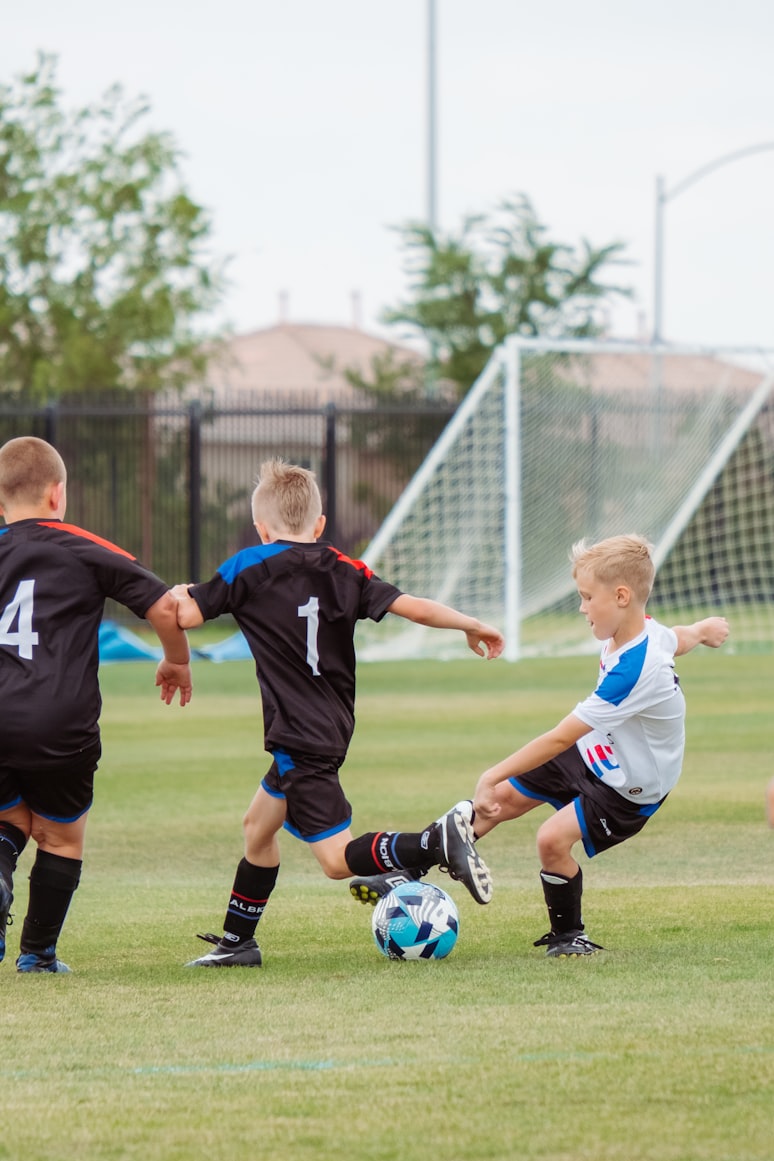

Heavy defeats hurt. For young players in grassroots football, losing 8-0 Or suffering a similar scoreline can feel devastating. The silence in the changing room, the tears, the dropped heads - these moments test every coach's ability to motivate football team members through adversity. Yet how coaches respond to these challenging situations often defines the season ahead and shapes young players' relationship with the beautiful game for years to come.
This guide explores practical, compassionate strategies for rebuilding confidence after heavy defeats, helping coaches turn painful losses into opportunities for growth and resilience.
Understanding the Impact of Heavy Defeats
Psychological Effects on Young Players
A heavy defeat affects young players differently from adults. Children and teenagers lack the emotional regulation and perspective that come with maturity. What seems like "just a game" to observers can feel like personal failure to a 10-year-old defender who conceded multiple goals.
Common psychological responses include loss of self-belief, anxiety about future matches, reluctance to attend training, and strained relationships with teammates. Some players blame themselves disproportionately, whilst others may deflect responsibility entirely. Understanding these varied responses helps coaches tailor their recovery approach to individual needs.
The impact extends beyond individual confidence. Team morale suffers when players begin doubting each other's abilities or questioning tactical decisions. The collective sense of identity - "we're a good team" - can shatter after a single afternoon, particularly if the defeat feels humiliating.
Why Recovery Matters
Rebuilding confidence after setbacks isn't just about winning the next match. It's about teaching life skills that extend far beyond the football pitch. Young people who learn to process failure healthily, extract lessons from disappointment, and bounce back with renewed determination develop resilience that serves them throughout life.
From a purely football perspective, unaddressed confidence issues compound over time. Teams that don't recover properly from heavy defeats often enter negative spirals, where fear of losing again becomes self-fulfilling. Players make tentative decisions, avoid taking risks, and play beneath their capability - all because nobody helped them process the previous trauma.
Grassroots football exists primarily to support youth development, teaching values like perseverance, teamwork, and self-improvement. A coach who helps their squad navigate heavy defeats with dignity and learn from the experience fulfils this developmental mission more completely than one who only coaches during easy victories.
Immediate Post-Match Response
What to Say (and Not Say) After a Heavy Loss
The moments immediately following a heavy defeat are crucial. What coaches say - and critically, what they don't say - sets the tone for recovery. Avoid blame, criticism of specific players, or dwelling on the scoreline. Comments like "that was embarrassing" or "you should be ashamed" cause lasting psychological damage and destroy trust.
Instead, acknowledge the result honestly whilst focusing on effort and controllable factors. "Today was tough, but I saw you fighting until the final whistle" recognises reality without crushing spirits. Highlight specific positive moments: "Tom, your tackling in the second half was excellent" or "Our passing improved after we adjusted our football formations."
Give players permission to feel disappointed. Phrases like "It's okay to be upset - this result matters to all of us" validate emotions rather than dismissing them. Young people need to know their feelings are legitimate and that processing disappointment is part of being human.
Keep post-match discussions brief. When emotions run high, lengthy analysis proves counterproductive. Save a detailed tactical review for when everyone has recovered perspective, typically at the next training session.
Creating a Safe Space for Players
After acknowledging the result, create an environment where players feel psychologically safe. This might mean sitting together quietly for a few minutes before anyone speaks, allowing natural emotions to surface without forced positivity. Some coaches find it helpful to ask players what they need: "Do you want to talk about it now, or should we leave it for training?"
Avoid comparisons with other teams or previous performances. "Last week we played much better" or "The opposition weren't even that good", undermines confidence further rather than rebuilding it. Each match exists in its own context, and backwards-looking comparisons rarely help young players move forward.
For players who struggle emotionally, offer individual support away from the group. Some children need privacy to process difficult feelings. A quiet word - "I know today was hard for you, but you're a valuable part of this team and we'll work through this together" - can make an enormous difference to a struggling youngster.
Tactical Analysis Without Undermining Confidence
Constructive Match Review Techniques
When reviewing a heavy defeat, balance honesty with encouragement. Start by identifying what the team did well, however small those positives might seem. "We won three corners in the first half and created two chances" gives players something to build upon rather than dwelling exclusively on negatives.
Break down problems into specific, fixable issues rather than broad criticisms. "We struggled with their counter-attacks because our defensive line was too high" provides a clear area for improvement. This approach helps motivate football team members by showing that problems have solutions, not that the team is fundamentally flawed.
Use video analysis sparingly and sensitively with young players. Watching themselves being heavily beaten can reinforce trauma rather than aid learning. If using footage, focus on short clips demonstrating teachable moments - both successful actions and clear learning opportunities - rather than showing the entire painful experience.
Frame tactical discussions around future improvement rather than past mistakes. "Next time we face a similar situation, we'll..." creates forward-looking optimism. Questions like "What could we do differently?" engage players in problem-solving, giving them ownership of the recovery process.
Avoiding Overanalysis
Resist the temptation to dissect every goal conceded. Overanalysing a 7-0 defeat often proves counterproductive, overwhelming young players with too much information and implicitly suggesting they made an endless list of mistakes. Sometimes defeats stem from mismatched opposition, off-days, or simply facing a significantly better team.
Focus on two or three key areas for improvement at maximum. Perhaps the team needed better communication, struggled with a specific tactical situation, or lost concentration after the first goal. Identifying focused priorities feels manageable; trying to fix everything simultaneously feels impossible and reinforces helplessness.
Acknowledge when opposition quality played the major role. "They were an exceptionally strong team and taught us what high-level grassroots football looks like" helps players understand that not all defeats indicate personal failure. This honesty about competitive realities prevents unrealistic self-blame.
Rebuilding Through Training Sessions
Confidence-Building Drills and Activities
The first training session after a heavy defeat should prioritise fun and success. Design drills where players can experience positive outcomes and rediscover the joy that attracted them to football originally. Small-sided games with varied rules, technical exercises that players can master, and activities emphasising individual skill development all help restore self-belief.
Avoid immediately replicating match situations that caused problems. If the team struggled defensively, don't start training with defensive drills that might trigger negative associations. Begin with attacking exercises where players can express themselves freely, gradually introducing defensive work once confidence starts returning.
Celebrate the successful execution of skills during training more explicitly than usual. Players need frequent positive reinforcement after setbacks. "Brilliant pass," "great decision-making," "excellent touch" - these simple affirmations remind players of their capabilities and rebuild the internal narrative that they are competent footballers.
Consider adjusting training intensity temporarily. Whilst maintaining standards remains important, recognising that players need psychological recovery time shows empathy. A slightly more relaxed session focused on enjoyment can prove more valuable than intense pressure when confidence is fragile.
Adjusting Tactical Approach
Sometimes heavy defeats indicate that the team's tactical system doesn't suit their current capabilities. Coaches should honestly assess whether their approach is appropriate. A complex 9-a-side tactical system might overwhelm young players still developing a basic understanding.
Simplification often helps teams recover. Stripping back to basic principles - maintaining shape, supporting teammates, staying focused - provides clear, achievable expectations. As confidence rebuilds, gradually reintroduce tactical complexity.
Ensure the team plays to its strengths rather than trying to match opponents' styles. If the squad lacks pace but possesses technical ability, build around controlled possession rather than counter-attacking football. Playing to inherent strengths helps players experience success and remember what they do well.
Make tactical adjustments collaboratively where possible. Asking players "What formation would help us play better?" or "How should we defend as a unit?" empowers them and increases buy-in to changes. When young players contribute to tactical decisions, they invest more emotionally in making those tactics work.
Fostering Team Unity and Support
Strengthening Player Relationships
Heavy defeats can either fracture teams or bring them closer together. Coaches should actively work to strengthen relationships between players following difficult results. Team-building activities away from structured training - perhaps a fun five-a-side tournament with mixed teams, a social gathering, or a team meal - help players reconnect as friends rather than just teammates who suffered together.
Encourage peer support systems where players look after each other. Creating a culture where teammates proactively encourage one another - "Don't worry about that mistake, you'll get the next one" - builds collective resilience. This supportive environment helps motivate football team members through individual struggles and creates bonds that withstand future setbacks.
Recognise that some players cope better than others with defeats. Team leaders and more resilient personalities can play valuable roles in supporting struggling teammates. Identifying and empowering these natural leaders strengthens the squad's emotional infrastructure.
Avoid allowing a blame culture to develop. If players start pointing fingers at each other after defeats, address it immediately and firmly. "We win together and lose together - no one person is responsible" establishes non-negotiable standards for how the team treats each other during difficult periods.
Role of Parents and Supporters
Parents significantly influence how young players process heavy defeats. Coaches should communicate with families about appropriate post-match responses. Guidance might include avoiding questioning young players immediately after matches, focusing conversations on effort rather than results, and maintaining the perspective that grassroots football exists for development, not trophies.
Encourage parents to reinforce messages coaches deliver. If the coach emphasises learning from mistakes, parents undermining this with comments about unfair referees or poor tactics create confusing, mixed messages. Alignment between coaches and families accelerates confidence recovery.
Managing sideline behaviour becomes even more critical after heavy defeats. Parents who shout criticism during matches following a difficult loss exacerbate pressure on already fragile confidence. Remind supporters that a positive, encouraging sideline presence helps players recover, whilst negative comments deepen psychological damage.
Some parents struggle to watch their children experience disappointment. Helping families understand that processing defeat is valuable learning prepares them to support players appropriately. Share resources or hold brief parents' meetings discussing how the team will approach confidence rebuilding together.
Long-Term Resilience Building
Developing a Growth Mindset
The most valuable outcome from navigating heavy defeats is developing a growth mindset - the belief that abilities improve through effort and learning rather than being fixed traits. Coaches can foster this mindset by framing setbacks as data points in a learning journey rather than judgments of worth.
Language matters enormously. Replace "You're not good at defending" with "Your defending will improve with practice and focus." This subtle shift from permanent traits to improvable skills changes how players understand their potential. Celebrate effort and improvement regardless of results, reinforcing that growth matters more than current ability level.
Share stories of famous footballers who overcame early setbacks. Many professional players experienced heavy defeats, relegations, or rejection before achieving success. These examples demonstrate that temporary failures don't determine future outcomes - a powerful message for discouraged young players.
Encourage players to identify personal lessons from the defeat. "What's one thing you learned about yourself?" or "What will you work on before the next match?" promotes reflective thinking and individual ownership of development. This process transforms passive victims of circumstances into active agents of their own improvement.
Setting Achievable Goals
After a heavy defeat, establish clear, achievable goals that provide direction and motivation. These shouldn't focus solely on results - "win the next match" - but on specific performance improvements: "maintain our defensive shape for longer periods," "complete 70% of passes," or "create five clear chances."
Individual goals matter too. Help each player identify one personal area for development over the next few weeks. For some, it might be communication; for others, positioning or decision-making. When players see progress towards individual goals, overall confidence strengthens even if team results remain challenging.
Break larger goals into small milestones. Rather than "become a better defensive unit," set progressive targets: "This week we'll focus on tracking runners; next week we'll work on defensive transitions." Achieving frequent small wins creates positive momentum and demonstrates tangible progress.
Use team management apps to track these goals objectively. Recording progress provides concrete evidence of improvement that might otherwise go unnoticed when overall results still disappoint. Data showing that the team conceded fewer chances or held possession longer validates efforts and sustains motivation through continued challenges.
Using Technology to Track Progress
Leveraging Team Management Tools
Modern football coaching apps offer valuable tools for supporting confidence recovery. Beyond basic scheduling, these platforms enable coaches to share positive feedback, highlight individual improvements, and create narratives of progress that counterbalance negative result-focused thinking.
Use digital platforms to share match highlights, focusing on successful moments rather than mistakes. A short video compilation showing the team's best passes, tackles, or creative attempts reminds players of their capabilities when confidence wavers. This positive reinforcement through visual evidence proves more powerful than verbal encouragement alone.
Player development tracking features help demonstrate growth over time. When a defender sees data showing their tackle success rate improved from 45% to 65% over six weeks, it provides objective proof of progress independent of match results. This evidence-based approach to development supports resilience building.
Communication features enable coaches to deliver personalised encouragement between sessions. A quick message - "Great attitude at training tonight" or "Really impressed with your effort this week" - extends support beyond formal team environments and reminds struggling players that coaches notice and value their contributions.
Conclusion
Rebuilding confidence after heavy defeats is one of grassroots football's most important coaching challenges. How teams respond to adversity shapes character, teaches resilience, and determines whether young players develop healthy relationships with competition and challenge. The strategies outlined in this guide - immediate compassionate response, constructive analysis, confidence-focused training, team unity strengthening, and long-term mindset development - provide a framework for turning painful defeats into powerful learning experiences.
Remember that recovery takes time. Confidence doesn't rebuild overnight, and teams may face continued challenges before turning corners. Patience, consistency, and genuine belief in players' potential to grow through adversity remain essential throughout the process.
Every grassroots football coach will eventually need to motivate football team members through heavy defeats. These moments, whilst difficult, offer opportunities to demonstrate that setbacks don't define us - our responses to them do. With the right support, young players emerge from these experiences stronger, more resilient, and better equipped for both football challenges and life's inevitable disappointments.
For coaches seeking additional support in managing teams through challenging periods, platforms like TeamStats offer comprehensive tools for tracking progress, communicating effectively, and maintaining focus on long-term development rather than short-term results.
═══════════════════════════════════════════════════════════════