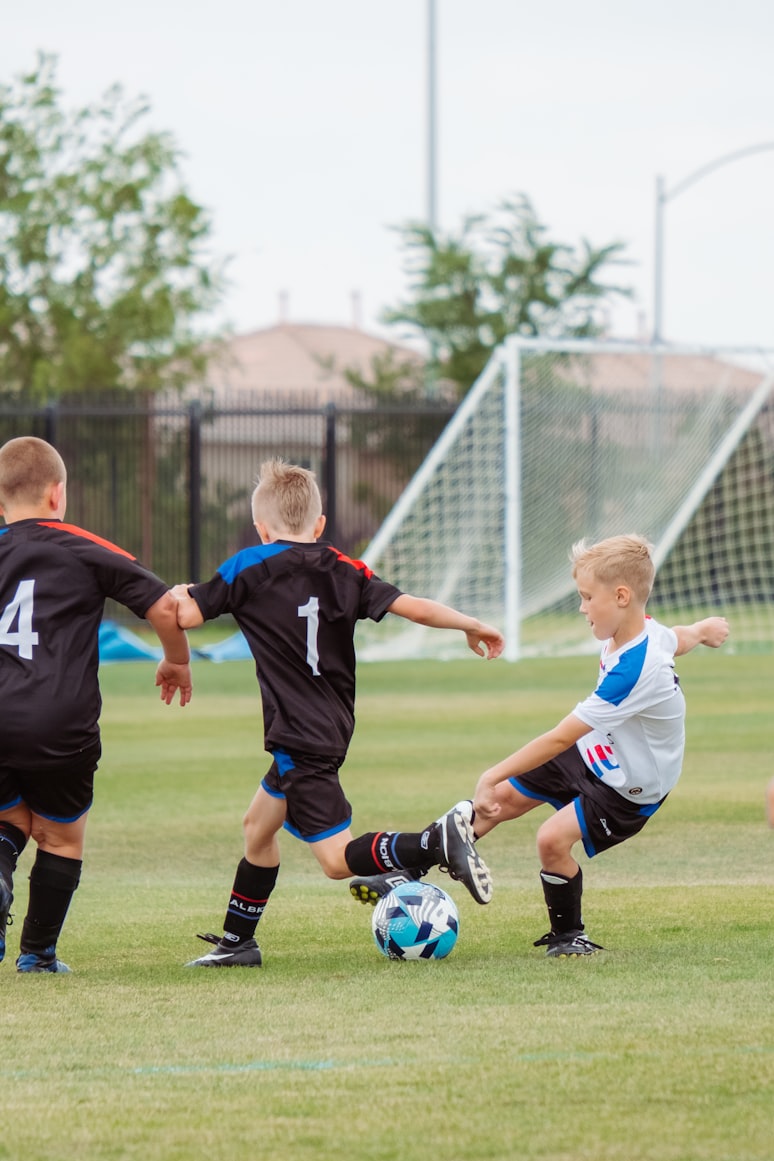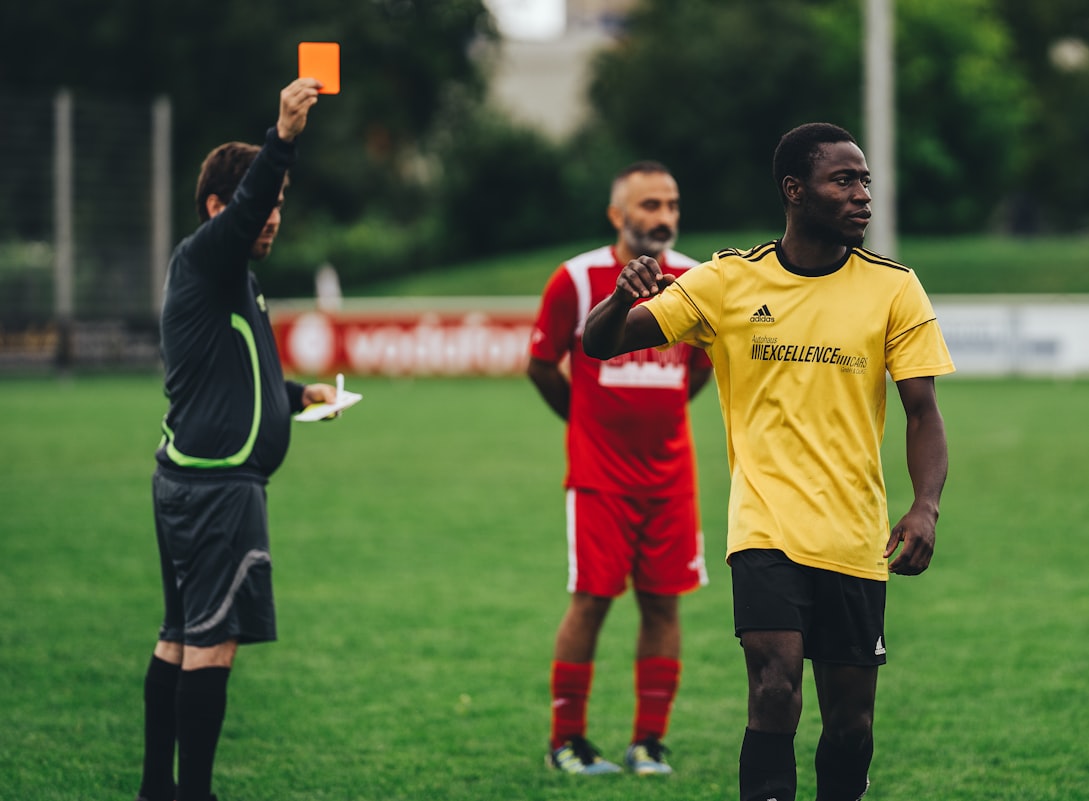

Mental health awareness has become increasingly prominent in grassroots football, yet many clubs struggle to translate good intentions into practical support systems. Effective football mental health strategies require systematic approaches that protect players, coaches, and families across all age groups and competitive levels.
This guide explores how football clubs can promote mental well-being through cultural change, education, and practical support structures that benefit entire club communities.
Understanding Mental Health in Football Contexts
Football environments create unique mental health challenges and opportunities. The competitive nature of sport, combined with developmental pressures facing young people, demands thoughtful approaches from club leaders and coaches.
Why Mental Health Matters in Youth Sports
Young players navigate complex developmental stages whilst participating in competitive football. Children aged 7-16 face academic pressures, social challenges, and physical changes that affect mental well-being. Football can provide crucial support during these stages, or inadvertently compound existing difficulties.
Performance expectations affect players differently depending on age, temperament, and support systems. Some children thrive under competitive pressure, whilst others experience significant anxiety. Clubs must recognise these individual differences and create environments where all players feel valued, regardless of ability level.
Social dynamics within teams significantly impact mental health. Friendship groups, changing room banter, and team hierarchies influence how young people perceive themselves. Positive team cultures support mental well-being, whilst toxic environments cause lasting harm.
Common Mental Health Challenges
Performance anxiety represents the most visible mental health challenge in youth football. Match-day nerves, penalty pressure, and fear of mistakes affect players across all ages. Whilst some anxiety proves motivating, excessive stress impairs performance and enjoyment.
Social isolation occurs when players feel excluded from team dynamics. New squad members, less confident children, or those from different backgrounds may struggle to integrate. This isolation extends beyond football, affecting school life and general well-being.
Burnout affects both players and coaches in grassroots football. Year-round competitive schedules, multiple training sessions weekly, and pressure to specialise early create exhaustion. Warning signs include declining enthusiasm, persistent fatigue, and withdrawal from previously enjoyed activities.
Creating a Mental Health-Aware Club Culture
Promoting football mental health begins with establishing club cultures that prioritise wellbeing alongside competitive success. This cultural foundation shapes all subsequent initiatives and interventions.
Establishing Club Values and Principles
TeamStats helps clubs document and communicate their mental health values through centralised platforms accessible to all members. Clear articulation of principles ensures consistency across multiple teams and coaching staff.
Inclusive language and behaviour standards set expectations for all club participants. Coaches, players, and parents should understand that discriminatory language, bullying, and negative behaviour will not be tolerated. These standards apply equally during training, matches, and social events.
Celebrating effort over results shifts focus from outcomes to processes. When clubs recognise improvement, hard work, and positive attitudes, they reduce performance pressure whilst encouraging personal development. This approach proves particularly important for players who may never reach elite levels but deserve supportive football experiences.
Supporting individual player journeys acknowledges that children develop at different rates and have varied aspirations. Some pursue professional pathways, whilst others play for enjoyment and fitness. Both groups deserve equal respect and appropriate support tailored to their goals.
Training Coaches and Volunteers
Coach education must include mental health awareness components alongside tactical and technical content. Understanding common mental health challenges, recognising warning signs, and knowing appropriate responses form essential coaching competencies in modern grassroots football.
Appropriate response protocols guide coaches when mental health concerns arise. These protocols should specify when to speak privately with players, when to involve parents, and when to recommend professional support. Clear guidance prevents coaches from feeling overwhelmed by situations outside their expertise.
Safeguarding pathways connect mental health concerns with broader child protection responsibilities. Clubs should maintain relationships with local mental health services, school counsellors, and youth support organisations. These connections enable swift referrals when situations require professional intervention.
Supporting Player Mental Wellbeing
Different age groups require tailored approaches to mental health support. Developmental stages, competitive levels, and social contexts vary significantly between primary school children and older youth players.
Age-Appropriate Approaches
Primary school age groups (U7-U11) benefit from fun-focused environments that build confidence and social skills. Mental health support at this stage emphasises inclusion, managing emotions, and developing resilience through age-appropriate challenges. Coaches should focus on enjoyment rather than results, ensuring all children receive playing time and encouragement.
Secondary school age groups (U12-U16) face increased academic and social pressures alongside heightened football intensity. Mental health support becomes more nuanced, addressing performance anxiety, selection disappointments, and peer relationships. Understanding 7-a-side formations and tactical concepts helps these age groups feel competent and valued within their squads.
Older youth and adult players in grassroots football often balance multiple life stresses. Work pressures, family responsibilities, and financial concerns affect mental well-being. Football provides valuable social connection and stress relief, but can also add pressure when competitive demands feel excessive.
Managing Competition and Pressure
Healthy approaches to winning and losing model constructive attitudes for young players. Coaches should demonstrate that disappointment is natural whilst maintaining perspective. Post-match debriefs should balance performance analysis with recognition of effort and improvement.
Selection decisions create significant stress for players and families. Transparent selection criteria, regular feedback, and opportunities to earn places help players understand their development pathways. When players don't make starting lineups, coaches should explain decisions privately and offer specific improvement targets.
Tournament and cup competition stress intensifies during the knockout stages. Clubs should prepare players mentally for high-pressure situations through training exercises, breathing techniques, and positive visualisation. Normalising nerves helps players manage anxiety rather than being overwhelmed by it.
Supporting Coaches and Volunteers
Coach mental health receives insufficient attention in grassroots football, yet volunteer burnout threatens club sustainability. Supporting coaching staff benefits the entire club community.
Recognising Volunteer Burnout
Warning signs include declining enthusiasm for sessions, increased irritability with players or parents, and persistent exhaustion despite rest periods. Coaches experiencing these symptoms need support, not criticism.
Workload management strategies prevent burnout through realistic role definitions. No volunteer should manage all aspects of team operations single-handedly. Delegating administration, equipment management, and communication responsibilities distributes workload fairly.
Creating sustainable coaching roles might involve job-sharing between two coaches, limiting season lengths, or providing mid-season breaks. Clubs prioritising coach wellbeing maintain more stable coaching teams and deliver better player experiences.
Peer Support Networks
Coach mentoring programmes pair experienced coaches with newcomers, providing guidance, problem-solving support, and reassurance. These relationships help new coaches navigate challenges whilst giving experienced volunteers purposeful leadership opportunities.
Shared problem-solving occurs through regular coach meetings where staff discuss challenges confidentially. Learning that others face similar difficulties reduces isolation and generates practical solutions through collective wisdom.
Club-level support structures might include designated welfare officers, access to coaching courses, or funding for additional qualifications. These investments demonstrate a tangible commitment to volunteer wellbeing.
Engaging Parents Positively
Parents significantly influence player mental health through their attitudes, expectations, and behaviour. Positive parent engagement strengthens football mental health initiatives across all club levels.
Setting Expectations and Boundaries
Sideline behaviour guidelines should be established clearly during pre-season meetings and reinforced consistently. Parents should understand that shouting instructions, criticising referees, or negatively commenting on children's performances undermines player development and mental well-being.
Communication protocols specify appropriate channels for parent concerns. Direct post-match confrontations with coaches create hostile environments. Instead, clubs should establish designated times for parent-coach discussions or provide digital messaging through football coaching apps that maintain professional boundaries.
Supporting rather than pressuring children requires parents to manage their own anxieties about their child's performance. Education sessions help parents understand that excessive pressure damages both performance and mental health, whilst genuine support enhances both.
Parent Education Resources
Mental health awareness sessions for parents provide valuable information about supporting children through football participation. Topics might include recognising anxiety, managing disappointment, and maintaining healthy perspectives on youth sport.
Understanding child development stages helps parents calibrate expectations appropriately. Physical, cognitive, and emotional development occur at different rates. What appears as a lack of effort might reflect developmental readiness rather than motivation issues.
Recognising when professional help is needed empowers parents to seek support without shame. Clubs should normalise mental health discussions and maintain resource lists for local services, school counsellors, and youth mental health organisations.
Practical Strategies for Mental Health Promotion
Translating mental health awareness into daily practice requires concrete strategies that coaches and club administrators can implement immediately.
Building Positive Team Environments
Team bonding activities strengthen social connections between players, reducing isolation risk. These activities might include pre-season socials, team meals, or non-football activities like bowling or cinema trips. Strong team bonds buffer against mental health challenges and increase enjoyment.
Celebrating individual progress rather than only team achievements ensures all players receive recognition. Player-of-the-week awards might recognise improvement, positive attitude, or supporting teammates rather than just match performance. This approach values contribution beyond ability level.
Inclusive training practices ensure all players feel valued during sessions. Small-sided games provide more touches and decision-making opportunities than large games with minimal involvement. Varied training activities accommodate different learning styles and confidence levels.
Communication Tools and Systems
Open dialogue channels encourage players to share concerns before they escalate. Regular check-ins, either one-to-one or through brief team discussions, normalise conversations about feelings and challenges. Coaches should model vulnerability by occasionally sharing their own appropriate struggles.
Feedback mechanisms allow anonymous reporting of concerns when players feel uncomfortable speaking directly. This might involve suggestion boxes, online forms, or designated welfare officers who maintain confidentiality.
Digital platforms for mental health support extend club reach beyond training sessions. Sharing age-appropriate mental health resources, signposting support services, and maintaining communication during off-seasons demonstrate an ongoing commitment to player welfare.
Responding to Mental Health Concerns
Despite prevention efforts, mental health concerns will arise within club environments. Appropriate responses protect affected individuals whilst maintaining safe environments for all members.
Recognition and Early Intervention
Behavioural changes to monitor include withdrawal from previously enjoyed activities, declining performance despite ability, increased emotional reactions to minor setbacks, or changes in peer relationships. Coaches should note patterns rather than isolated incidents.
When to involve parents depends on the severity and the player's age. Minor worries might be addressed through coach-player conversations, whilst persistent concerns or significant behavioural changes require parent involvement. Younger players always require parental involvement for mental health concerns.
Working with external professionals maintains appropriate boundaries. Coaches should recognise their limitations and facilitate connections with school counsellors, GPs, or mental health services rather than attempting therapeutic interventions.
Crisis Response Protocols
Immediate support procedures guide responses to urgent situations like disclosed self-harm, suicidal thoughts, or safeguarding concerns. These protocols should specify who to contact, documentation requirements, and follow-up procedures. All coaching staff should understand these protocols thoroughly.
Referral pathways connect clubs with professional services. Maintaining relationships with local CAMHS (Child and Adolescent Mental Health Services), school counselling teams, and youth support organisations enables swift referrals when situations require professional expertise.
Documentation and confidentiality requirements balance safeguarding obligations with privacy rights. Clubs should maintain secure records of concerns raised, actions taken, and outcomes achieved. Information sharing should follow data protection principles and occur only when necessary for player welfare.
Mental Health in Different Football Contexts
Football mental health challenges vary across competitive levels and age groups. Understanding these contextual differences enables more targeted support.
Grassroots Football Considerations
Grassroots football environments typically prioritise participation and development over results, creating naturally supportive atmospheres for mental health. However, uneven competitive standards between teams can create frustration when mismatches occur frequently.
Sunday league football involves adult players who may use football as mental health support following work stress or personal challenges. Clubs should recognise this therapeutic function whilst maintaining appropriate boundaries regarding mental health discussions.
Elite Youth Pathways
Players in academy systems or elite development programmes face distinct pressures, including selection anxieties, injury fears, and concerns about professional prospects. These environments require specialised mental health support that recognises unique stressors whilst maintaining a developmental perspective.
Building Long-Term Mental Health Strategies
Sustainable mental health promotion requires systematic approaches integrated into club operations rather than isolated initiatives.
Policy Development
Clubs should document mental health commitments through written policies accessible to all members. These policies articulate values, outline support structures, and specify responsibilities for different roles within club hierarchies.
Regular policy reviews ensure approaches remain current with evolving mental health understanding and changing club circumstances. Annual reviews provide opportunities to incorporate feedback, address gaps, and celebrate successes.
Measuring Impact
Success indicators for football mental health initiatives might include player retention rates, volunteer satisfaction surveys, parent feedback, and incident tracking. These metrics help clubs evaluate effectiveness and identify improvement areas.
Qualitative feedback through focus groups or informal conversations provides rich insights beyond numerical data. Players, parents, and coaches can share experiences that illuminate what's working well and what needs adjustment.
Resource Allocation
Budget commitments demonstrate tangible priority given to mental health. This might include funding for coach training, welfare officer positions, mental health resources, or partnership fees with professional services.
Time allocation within training schedules for team building, individual check-ins, and mental health education shows that well-being receives equivalent attention to technical development.
Conclusion
Promoting mental health across all club levels requires sustained commitment, systematic approaches, and cultural change that positions wellbeing alongside competitive success. Effective football mental health strategies recognise that supporting players, coaches, and families creates stronger clubs capable of delivering meaningful developmental experiences.
Grassroots football clubs possess unique opportunities to positively influence young people's mental health during crucial developmental periods. By implementing structured support systems, training coaching staff appropriately, and fostering inclusive cultures, clubs fulfil their broader responsibilities to participant welfare.
The football community continues learning how to promote mental health effectively, sharing best practices and adapting approaches as understanding evolves. Clubs embracing this journey demonstrate leadership that benefits current members while establishing foundations for future generations.
Start building mental health support structures across your club teams with comprehensive management tools that facilitate communication, track participant wellbeing, and coordinate support across all levels.
═══════════════════════════════════════════════════════════════