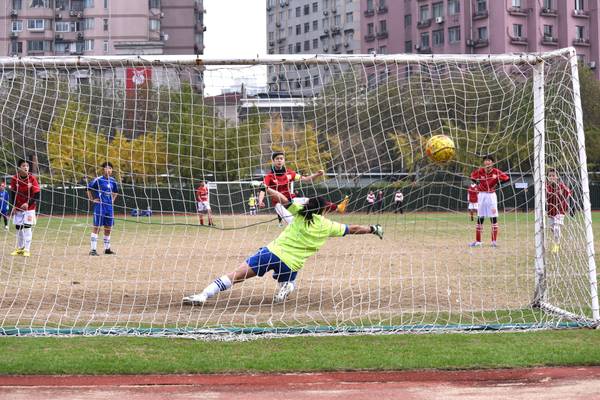
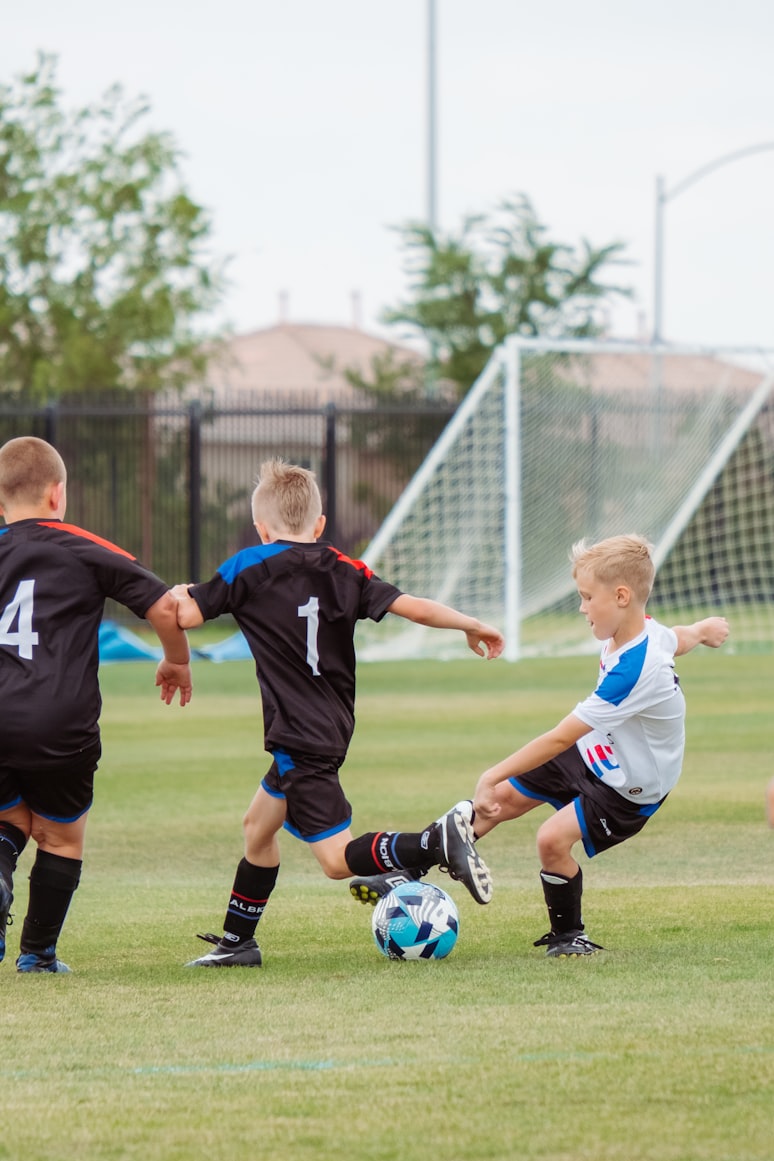
The floodlights cut through the misty air, your breath hangs in a cloud, and the frozen pitch crunches underfoot. There's a special kind of magic to winter football, but let's be honest, it demands a different level of respect. The cold can be an unforgiving opponent, turning a minor niggle into a season-ending injury if you're not careful.
This isn't about wrapping your players in cotton wool; it's about being smarter. It's about understanding how the cold affects the body and putting simple, effective strategies in place to counteract it. Effective winter injury prevention in football is a non-negotiable part of a coach's responsibility. At TeamStats, we believe that keeping your players safe and on the pitch is the most important victory of all.
Why Winter Football is a Different Beast
Playing in the cold isn't just a matter of feeling a bit chilly. It fundamentally changes how a player's body works.
Think of a muscle like a rubber band. When it's warm, it's pliable, stretchy, and can handle being pulled and twisted. But if you put that same rubber band in the freezer, it becomes stiff and brittle. Try to stretch it suddenly, and it's far more likely to snap. Your muscles are exactly the same. The cold reduces blood flow, making them tighter, less elastic, and slower to react. This dramatically increases the risk of common soft-tissue injuries like hamstring pulls, groin strains, and calf tears. Add to that the harder, often frozen, ground which offers less shock absorption, and you have a perfect storm for potential injuries.
The Warm-Up: Your First and Best Line of Defence
On a frosty Saturday morning, the temptation to do a quick jog and a few half-hearted stretches is strong. This is, without a doubt, the biggest mistake a team can make. A thorough, dynamic warm-up is not optional in winter; it is essential. Its primary job is to raise the core body temperature and increase blood flow, returning those "frozen rubber band" muscles to their warm, pliable state.
The Anatomy of a Proper Winter Warm-Up:
Pulse Raiser (5-10 minutes): Start with light aerobic activity. This isn't a full-on sprint. Gentle jogging, skipping, or high knees are perfect. The goal is to get the heart pumping and the blood moving.
Dynamic Stretching (10-15 minutes): Static stretches (holding a stretch for 20-30 seconds) are for after the game. Before the game, you need dynamic stretches that move the muscles through their full range of motion. This includes leg swings (forward and sideways), walking lunges with a torso twist, and "opening the gate" and "closing the gate" hip rotations.
Football-Specific Movements (5-10 minutes): The final phase should involve the ball. Short passing drills, dribbling exercises, and small possession games get the players' minds and bodies attuned to the movements they'll be making in the match.
I’ll never forget a player I coached, a winger named Jake. He was always the first out of the changing room, but he hated warming up properly. One freezing December morning, he did his usual couple of sprints and then started pinging 40-yard passes. Ten minutes into the game, he chased a through ball, stretched for it, and pulled up. A classic hamstring tear. He was devastated and out for two months. When he came back, he was the most diligent player in the warm-up. He’d learned the hard way that those 15 minutes of preparation are what earn you the next 90 minutes on the pitch.
Dressing for Success: Your Gear is Your Armour
"There's no such thing as bad weather, only unsuitable clothing." That old saying is spot on for winter football. The right gear does more than just keep a player comfortable; it helps regulate body temperature and keep key muscle groups warm.
The Art of Layering:
Base Layer: This is the most important layer. A technical, sweat-wicking fabric that pulls moisture away from the skin is essential. A wet cotton t-shirt against the skin in cold weather is a recipe for getting chilled to the bone.
Mid-Layer: A fleece or a long-sleeved training top provides insulation, trapping warm air close to the body.
Outer Layer: A lightweight, waterproof or windproof jacket is perfect for the warm-up or for substitutes on the sideline.
Don't forget the extremities. A good pair of gloves, a hat or snood, and thermal leggings under shorts can make a huge difference in keeping the entire body warm and functional.
Fuelling the Furnace: Hydration and Nutrition
It's easy to associate dehydration with hot summer days, but it's just as much of a risk in winter. The body still sweats, and the cold, dry air can increase fluid loss through breathing. Dehydration leads to fatigue and muscle cramps, both of which are major contributors to injury risk.
Encourage players to sip water throughout the day before a match and to keep drinking during breaks in play. A warm drink at half-time can also be a great way to help raise the core body temperature.
The Cool-Down: Don't Skip the Final Whistle
The post-match cool-down is just as crucial as the warm-up, especially in winter. When a player stops running, their body temperature can plummet quickly. A proper cool-down helps the body transition back to a resting state gradually.
This should involve a few minutes of light jogging, followed by 10-15 minutes of static stretching. This is the time to hold those hamstring, quad, and calf stretches. It helps to reduce muscle soreness (DOMS), improve flexibility, and kick-start the recovery process, getting the player ready for the next training session. This consistent attention to detail is a key part of any successful player development plan.
Listen to Your Body: The Smartest Skill of All
The final piece of the winter injury prevention puzzle for football is empowering your players to be smart. You need to create an environment where they feel comfortable reporting a minor niggle. Pushing through pain, especially in the cold, is a recipe for disaster. It's far better for a player to miss one training session than to turn a small strain into a long-term injury. This is a core principle of player welfare in what is grassroots football.
Managing your team through the winter months requires a bit of extra planning, but it's well worth the effort. By implementing these simple strategies, you can significantly reduce the risk of injuries and keep your squad strong, healthy, and ready to compete. Using our team management app can help you communicate last-minute changes due to weather and keep track of your players' availability.
If you have any questions about keeping your team safe this winter, please feel free to get in touch.