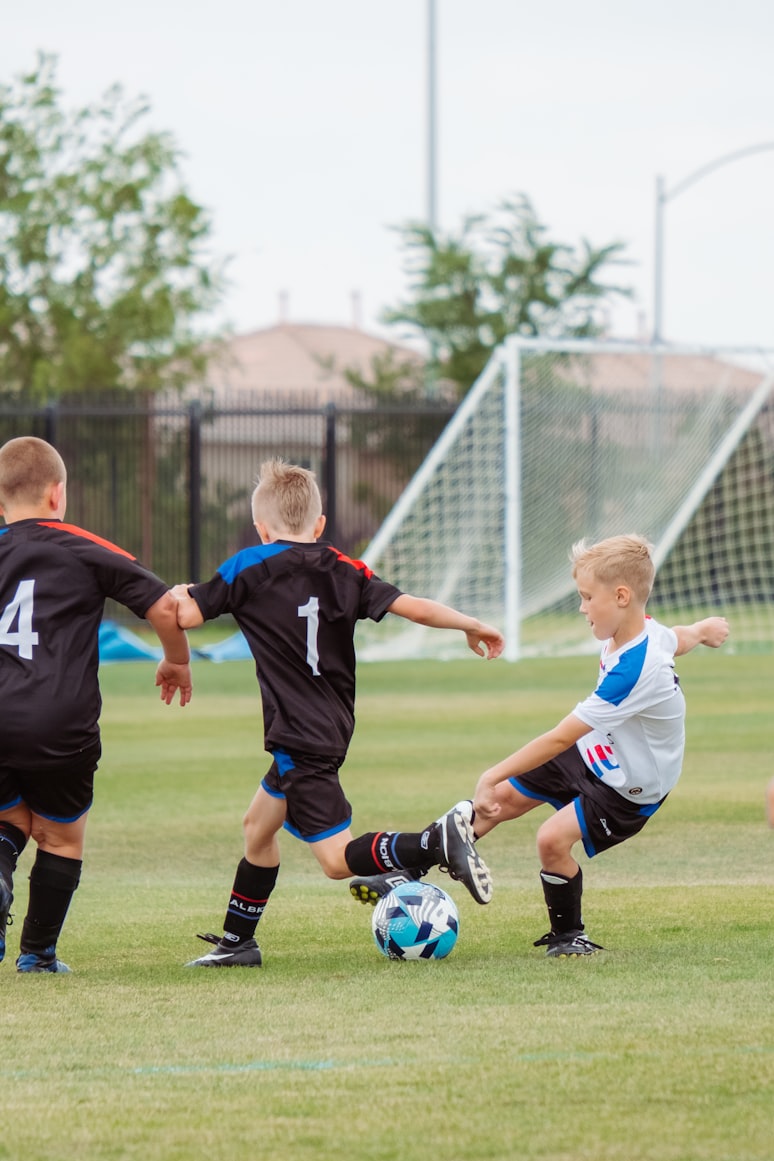

Getting that email or phone call inviting your young player to an academy trial is a huge moment. It’s a flash of pride, excitement, and then, almost immediately, a wave of questions. How do we get ready? What are the coaches looking for? How can I help them do their best? It's a fantastic opportunity, but it's natural to feel the pressure.
The key is to understand that preparing for football academy trials is not about cramming in a few last-minute sessions. It’s a holistic process that covers the physical, technical, tactical, and mental sides of the game. Think of it less like a final exam and more like a job interview; they’re not just looking for the right answers, but for the right character and potential. At TeamStats, we've seen countless players take this step, and our goal is to help you prepare your young footballer to walk into that trial feeling confident, prepared, and ready to enjoy the experience.
Understanding the Academy Scout's Mindset
First, it’s crucial to understand what academy coaches and scouts are really looking for. They are not expecting to find the finished article. They are talent identifiers, looking for raw ingredients and the potential for future development. Many academies use a simple framework to assess players, often focusing on four key areas:
Technical Ability: How well do they handle the ball? This includes their first touch, passing range, dribbling, and shooting technique.
Tactical Intelligence: Do they understand the game? This covers their positioning, decision-making (when to pass, when to dribble), and awareness of space.
Physical Attributes: This isn't just about being the biggest or fastest. They look for agility, balance, coordination, and stamina, the building blocks of athletic potential.
Mental Attitude (Personality): This is arguably the most important. Are they coachable? Do they show resilience after making a mistake? Are they a good teammate? Do they communicate?
A player who shows flashes of technical brilliance, a willingness to learn, and a great attitude will often be chosen over a more polished player who lacks that hunger and coachability.
The Physical Foundation: Arriving in Peak Condition
A player's body is their primary tool, and arriving at a trial physically prepared is non-negotiable. This doesn't mean beasting them in the gym; it means ensuring they are fit, sharp, and healthy.
Fitness, Not Fatigue
The goal is to be sharp, not exhausted. In the two weeks leading up to the trial, the focus should be on short, sharp exercises rather than long, gruelling sessions.
Cardio: Continue with regular training, but avoid long, slow runs. Focus on interval training, short sprints with recovery periods, to replicate the stop-start nature of a match.
Agility & Coordination: Set up simple cone drills in the garden. Ladders, slalom dribbling, and quick-feet exercises improve balance and the ability to change direction, which is vital in football.
Rest is a Weapon: The week of the trial is all about recovery. Ensure the player gets at least 8-9 hours of sleep per night. Overtraining is a common mistake; they should arrive feeling fresh and energetic, not with heavy legs.
Fuelling the Engine
Nutrition plays a massive role in performance. A simple, balanced diet can make a huge difference. Encourage plenty of complex carbohydrates (like pasta and brown rice) for energy, lean protein for muscle repair, and lots of fruit and vegetables. And crucially, make sure they are well-hydrated in the days leading up to the trial, not just on the morning of.
Honing the Technical Tools
While fitness is the foundation, technical skill is what catches the eye. This is where a player's quality on the ball shines through.
Mastery of the Basics
Academies want to see players who are comfortable and confident in possession. The weeks before a trial are the time to polish, not to learn brand new, flashy tricks.
First Touch: This is everything. Practice receiving the ball on different surfaces of the foot, taking the ball on the half-turn, and ensuring the first touch moves them into space.
Passing: Work on accuracy and weight of pass with both feet. A simple wall pass drill is one of the best ways to improve this.
Dribbling: Focus on close control while running at speed. Can they keep the ball within playing distance while their head is up?
Position-Specific Polish
While all players need the basics, they should also sharpen the skills specific to their position. A winger should work on their 1v1 attacking and crossing, while a centre-back should focus on their defensive heading and distribution from the back. This shows a deeper understanding of their role.
The Mental Game: The Unseen Advantage
This is often the area that separates players at a trial. A technically gifted player who hides or whose head drops after a mistake is a red flag for coaches.
I remember a young lad I worked with, a wonderfully talented midfielder named Leo. He was technically superb but incredibly shy. In his first trial, he played within himself, scared of making a mistake. He didn't get a callback. We spent the next six months working not on his passing, but on his confidence. We set a simple goal for every match: he had to demand the ball from his defenders at least five times per half. It felt unnatural to him at first, but slowly, it became a habit. His body language changed. He went to another trial, and the feedback was glowing: "He was constantly looking for the ball and wanted to be involved." He got offered a place. The player hadn't changed, but his mindset had.
Building Resilience and Confidence
Embrace Mistakes: Reframe mistakes as learning opportunities. The best players are not the ones who never make mistakes, but the ones who react positively to them.
Positive Body Language: Coach them to keep their head up, even after losing the ball. A player who sprints back to recover possession after a mistake shows more character than one who scores an easy goal.
Focus on the "Next Action": Teach them a simple mental reset. If they misplace a pass, their only focus should be on the next thing they can do to help the team.
Tactical Awareness: Showing They Understand the Game
This is a huge differentiator. A player who understands positioning and their role within a team structure is incredibly valuable.
Positional Discipline: Do they understand their defensive responsibilities? Does a winger track back? Does a striker know how to press the opposition's defence?
Decision Making: This is key. Do they know when to pass, when to dribble, and when to shoot? Watching professional players in their position can be great homework.
Understanding Formations: A player doesn't need to be a tactical genius, but having a basic knowledge of the best football formations and their role within them shows a higher level of game intelligence.
The Parent's Role: Your Guide to the Sidelines
Your role in this process is to be the supporter, not the coach. Your attitude can have a huge impact on your child's enjoyment and performance.
The Journey to the Trial
Keep the conversation light. Don't overload them with last-minute instructions. Remind them that you are proud of them for earning the opportunity and that the most important thing is to try their best and have fun.
During the Trial
Find a spot to watch quietly and let the academy coaches do their job.
Do not shout instructions from the sideline.
Applaud good play from all the players, not just your own.
Your body language is important. Stay positive and relaxed.
The Journey Home
This is the most critical part. Win, lose, or draw, the first thing you should say is, "I loved watching you play today." Let them lead the conversation about the trial. Focus on their effort and what they enjoyed, not on a minute-by-minute analysis of their performance.
To prepare for football academy trials is to prepare the whole player. It’s a chance to focus on their development, build their confidence, and, most importantly, remind them why they love playing football. The outcome of the day is secondary to the lessons they learn along the way.
If you are looking for a structured way to track their progress, creating a player development plan can be a fantastic tool. And if you have any questions, please feel free to get in touch.