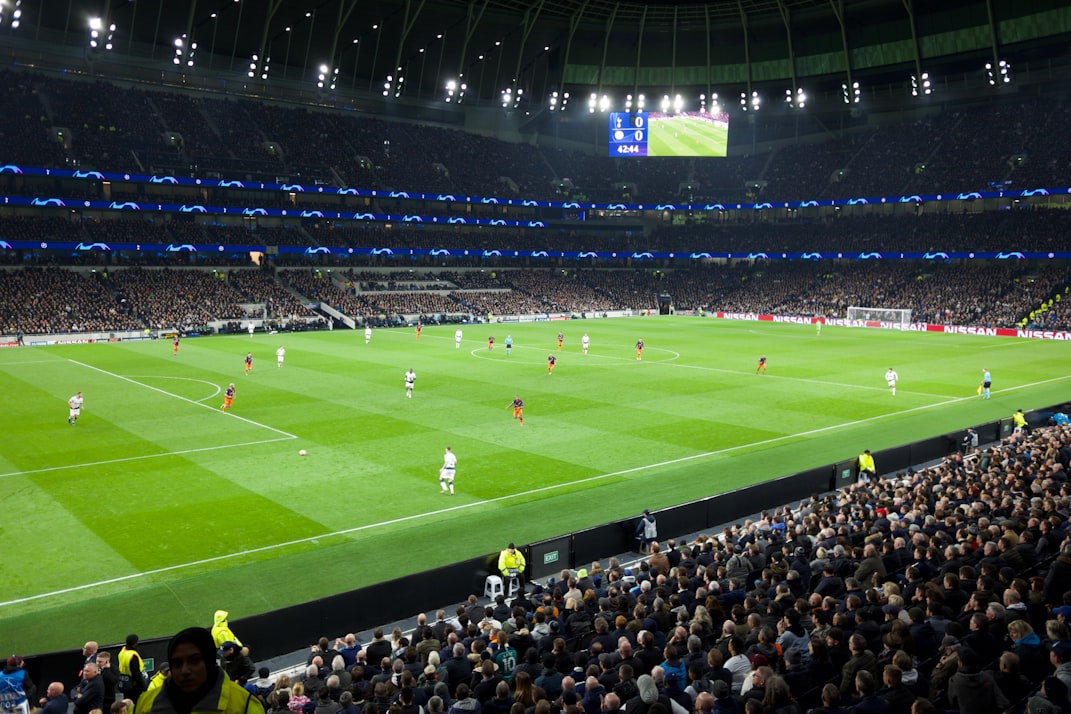

Grassroots football clubs face mounting pressure to reduce running costs while demonstrating environmental responsibility to their communities. Energy bills represent one of the largest ongoing expenses for clubs operating floodlit pitches, heated changing rooms, and clubhouses that serve hundreds of players each week. The transition to renewable football facilities offers a practical solution that addresses both financial sustainability and climate commitments.
Football clubs across the UK consume significant energy through floodlighting for training sessions and matches, heating facilities during winter months, and powering clubhouses that function as community hubs. A typical grassroots club with four pitches and basic facilities can spend £8,000-£15,000 annually on electricity alone. These costs have increased by approximately 67% since 2021, forcing many clubs to reduce training hours or increase player fees - neither option sustainable for community football.
Renewable energy systems present an opportunity to transform these fixed costs into long-term investments. Solar panels, wind turbines, and ground-source heat pumps can generate power on-site, reducing dependence on grid electricity while demonstrating environmental leadership that resonates with players, parents, and local sponsors. TeamStats helps clubs manage their operations efficiently while working toward more sustainable facility management.
Why Football Clubs Should Consider Renewable Energy
Financial Benefits and Protection Against Rising Costs
The financial case for renewable energy has strengthened considerably over the past five years. Solar panel installation costs have decreased by 40% since 2018, while grid electricity prices have risen sharply. This convergence creates a compelling return on investment timeline for grassroots football clubs that can access capital funding or grant support.
Beyond immediate cost savings, renewable installations protect clubs against future energy price volatility. Fixed-rate energy contracts typically last 2-3 years, exposing clubs to market fluctuations when agreements expire. Solar panels generate consistent output for 25+ years, providing predictable energy costs that simplify long-term financial planning.
Environmental Leadership and Community Values
Environmental considerations increasingly influence club operations as younger generations expect organisations to address climate change actively. FA Charter Standard clubs must demonstrate community engagement and sustainable practices - renewable football facilities provide tangible evidence of these commitments. Several County FAs now include environmental criteria in facility grant applications, rewarding clubs that prioritise sustainability.
Community perception matters for grassroots football clubs dependent on volunteer support and local sponsorship. Visible renewable installations signal forward-thinking leadership that can attract environmentally conscious sponsors, particularly businesses with corporate sustainability targets. Parents increasingly consider a club's values when selecting teams for their children - environmental responsibility has become part of that evaluation.
Solar Panels for Football Facilities
System Specifications and Installation Requirements
Solar photovoltaic (PV) systems represent the most accessible renewable technology for football clubs. Flat or pitched roofs on clubhouses, changing rooms, and storage buildings provide ideal mounting surfaces. A typical 20kW system - suitable for a club with four pitches and standard facilities - requires approximately 100-120 square metres of south-facing roof space.
Installation costs vary based on system size and roof complexity, but clubs should budget £15,000-£25,000 for a comprehensive system including panels, inverters, mounting equipment, and electrical integration. This investment typically generates 18,000-22,000 kWh annually in the UK, equivalent to 40-50% of a medium-sized club's electricity consumption.
Maximising Returns Through Smart Usage
The financial return depends on how clubs use generated electricity. Maximum savings occur when solar panels production aligns with consumption - particularly relevant for clubs with daytime activities like coaching courses, maintenance work, or café operations. Excess electricity exported to the grid generates income through Smart Export Guarantee (SEG) tariffs, though rates (typically 4-8p per kWh) fall below the cost of imported electricity (25-35p per kWh).
Battery storage systems enhance solar effectiveness by capturing excess daytime generation for evening use when floodlights operate. A 10kWh battery adds £5,000-£8,000 to installation costs but can increase self-consumption from 40% to 70%, significantly improving return on investment. Clubs with evening-heavy activity schedules benefit most from battery integration.
Planning Permission and Regulatory Considerations
Planning permission requirements vary by location and installation type. Most roof-mounted systems qualify as permitted development, avoiding formal planning applications. Ground-mounted arrays typically require planning consent, particularly in greenbelt areas or near residential properties. Clubs should consult local planning authorities early in the process to identify potential restrictions.
Wind Power Opportunities for Clubs
Assessing Site Viability
Wind turbines suit clubs with available land beyond pitch boundaries, particularly in exposed locations with consistent wind patterns. Small-scale turbines (5-15kW) can supplement solar installations, generating electricity during winter months when solar output decreases but lighting demands peak.
The UK's wind resource varies significantly by region. Coastal clubs and those in elevated areas typically achieve better performance than sheltered inland locations. Wind speed assessments using Met Office data or specialist surveys help determine viability before significant investment. Sites with average wind speeds below 5 metres per second rarely justify turbine installation.
Installation Costs and Performance
Installation costs for small wind turbines range from £20,000-£40,000 depending on turbine size and foundation requirements. A 10kW turbine in a good location generates 15,000-20,000 kWh annually - comparable to a 15kW solar array. However, wind output concentrates in winter months, potentially better matching football club consumption patterns than solar generation.
Planning Challenges and Maintenance Requirements
Planning permission presents the primary challenge for wind installations. Turbines require consent in most locations, and applications face scrutiny regarding noise, visual impact, and ecological effects. Minimum distances from residential properties (often 10 times the turbine height) can exclude many club sites. Community consultation and noise assessments strengthen applications but add cost and timeline uncertainty.
Maintenance requirements for wind turbines exceed those for solar panels. Annual servicing costs £500-£1,200 depending on turbine size, and mechanical components require replacement every 10-15 years. Clubs must factor these ongoing costs into financial projections - solar systems require minimal maintenance beyond occasional cleaning and inverter replacement after 10-12 years.
Ground-Source Heat Pumps for Changing Rooms
How Ground-Source Systems Work
Heating changing rooms and clubhouses accounts for 30-40% of typical club energy consumption. Ground-source heat pumps extract heat from the earth to warm buildings efficiently, reducing gas or oil heating costs by 50-70%. The technology suits clubs undertaking major facility renovations or new builds, as installation requires significant groundwork.
Ground-source systems circulate fluid through underground pipes (ground loops) that absorb earth heat, then compress this heat to usable temperatures. Horizontal loops require extensive land area - approximately 600-800 square metres per 10kW of heating capacity. Vertical boreholes offer a space-efficient alternative, drilling 80-120 metres deep, but increase installation costs by 40-50%.
Financial Performance and Grant Support
Installation costs range from £18,000-£30,000 for a system heating typical changing room blocks and clubhouse spaces. This investment reduces annual heating costs from approximately £3,000-£4,000 (gas boiler) to £800-£1,200 (heat pump electricity), creating a 10-12 year payback period. Combining ground-source heat pumps with solar panels that generate electricity to power the system improves returns significantly.
Heat pumps work most efficiently with underfloor heating or oversized radiators that operate at lower temperatures than traditional systems. Retrofitting existing buildings may require radiator upgrades or additional insulation to achieve optimal performance. New builds should incorporate these considerations during design to maximise efficiency.
Available Incentives and Support Schemes
The Renewable Heat Incentive (RHI) closed to new applicants in March 2022, removing a significant financial incentive that previously supported heat pump installations. Clubs must now rely on direct energy savings and potential grant funding to justify investments. The Boiler Upgrade Scheme offers £6,000 grants for ground-source heat pumps in England and Wales, improving project economics for eligible clubs.
Funding Renewable Energy Projects
Football Foundation and County FA Grants
Capital costs represent the primary barrier preventing clubs from adopting renewable energy. Few grassroots organisations maintain reserves sufficient for £20,000+ investments, making external funding essential for most projects. Multiple funding routes exist, each with specific eligibility criteria and application processes.
The Football Foundation's Pitch and Clubhouse programme includes environmental sustainability as a funding priority. Clubs undertaking facility improvements can incorporate renewable installations into larger projects, accessing grants of £50,000-£500,000 that cover 70-90% of total costs. Applications require detailed business plans demonstrating long-term sustainability and community benefit.
County FA facility grants support smaller-scale improvements, including renewable installations. Grant amounts typically range from £5,000-£25,000, requiring clubs to contribute 20-40% of project costs. These programmes suit clubs pursuing standalone solar installations or energy efficiency upgrades without major building work.
Local Authority and Community Funding
Local authorities increasingly offer community energy grants supporting renewable installations at sports facilities. Programmes vary significantly by region - some councils provide direct grants while others facilitate low-interest loans or group purchasing schemes that reduce installation costs through bulk procurement. Clubs should contact environmental or community development teams at their local council to explore available support.
Crowdfunding platforms enable clubs to raise capital from members, parents, and local supporters. Environmental projects generate strong community engagement, with successful campaigns typically raising £10,000-£30,000. Platforms like Crowdfunder and Spacehive charge 5-7% fees but provide project management tools and promotional support. Campaigns work best when combined with matched funding from sponsors or grant bodies.
Alternative Financing Models
Some energy companies and renewable installers offer power purchase agreements (PPAs) that eliminate upfront costs. The installer owns and maintains the system, selling electricity to the club at below-market rates. These arrangements reduce financial barriers but typically extend 15-25 years, requiring careful contract review to ensure fair terms. Clubs should seek independent legal advice before committing to long-term PPAs.
Maximising Renewable Energy Benefits
Aligning Usage With Generation Patterns
Generating renewable electricity provides maximum financial benefit when clubs consume power as it's produced. Aligning facility usage with generation patterns increases self-consumption rates, reducing electricity purchases from the grid. Simple operational changes can improve renewable system performance significantly.
Scheduling energy-intensive activities during peak solar generation (10 am-3 pm) captures maximum value from installations. Groundskeeping tasks like mowing, line marking, and irrigation suit daytime scheduling. Clubs with café facilities or meeting rooms should prioritise weekday daytime bookings that coincide with solar output. Some clubs install timers on water heaters to charge during peak generation rather than maintaining a constant temperature constantly.
A team management app helps coordinate facility usage more efficiently, enabling clubs to schedule training sessions and activities that maximise renewable energy consumption while minimising grid electricity use during expensive peak periods.
Complementary Energy Efficiency Measures
LED floodlight upgrades complement renewable installations by reducing consumption during evening training sessions. Modern LED systems consume 50-60% less electricity than traditional metal halide lights while providing superior illumination. A four-pitch club typically spends £4,000-£6,000 annually on floodlighting - LED conversion reduces this to £1,600-£2,400, with further savings when powered by stored solar electricity.
Smart energy monitoring systems provide real-time visibility of generation and consumption patterns. These platforms identify opportunities to shift usage, detect equipment faults reducing efficiency, and demonstrate environmental impact to members and sponsors. Many solar installers include monitoring as standard, while standalone systems cost £200-£500.
Environmental Impact and Community Engagement
Measurable Climate Benefits
Renewable energy installations deliver measurable environmental benefits that clubs can communicate to members, sponsors, and local communities. A typical 20kW solar system prevents approximately 8-10 tonnes of CO2 emissions annually - equivalent to taking 2-3 cars off the road. These figures resonate with environmentally conscious stakeholders and strengthen grant applications emphasising community benefit.
Educational opportunities emerge from renewable installations, particularly for youth football clubs. Solar panels and monitoring displays provide practical examples of climate solutions, supporting school curriculum topics around energy and environment. Some clubs develop educational programmes for players, using facility tours to explain renewable technology and environmental responsibility.
Strengthening Club Reputation and Sponsorship
Visible renewable installations enhance club reputation within grassroots football communities. Parents increasingly consider organisational values when selecting clubs for their children - environmental leadership differentiates clubs in competitive youth football markets. Several clubs report membership increases following renewable installations, attributing growth partially to enhanced community perception.
Corporate sponsors with environmental targets value partnerships with sustainable organisations. Renewable football facilities provide tangible evidence of shared values, strengthening sponsorship proposals and potentially increasing commercial support. Some clubs secure specific "green sponsors" - environmental businesses or community energy organisations - attracted by renewable commitments.
Generating Positive Publicity
Media coverage of renewable installations generates positive publicity that raises club's profile beyond immediate membership. Local newspapers and radio stations frequently feature community organisations adopting sustainable practices. Regional FA communications teams often highlight member clubs demonstrating environmental leadership, providing additional promotional opportunities.
Overcoming Implementation Challenges
Addressing Technical Expertise Gaps
Despite clear benefits, renewable energy projects face practical challenges that prevent many clubs from proceeding. Understanding common obstacles and mitigation strategies increases project success rates.
Technical expertise gaps represent a significant barrier - few volunteer committees include members with renewable energy knowledge. Clubs should engage independent energy consultants early in the planning process to assess site suitability, compare technologies, and develop realistic financial projections. Many County FAs maintain lists of approved consultants or can recommend trusted advisors.
Building Committee Consensus
Securing committee consensus for major capital investments requires clear communication of financial benefits and risk mitigation. Detailed business cases should include conservative generation estimates, realistic cost projections, and sensitivity analysis showing returns under various scenarios. Visiting clubs with existing installations helps committee members understand practical benefits and operational implications.
Navigating Grid Connections and Infrastructure
Grid connection requirements vary by installation size and local network capacity. Systems under 3.68kW (16 amps) typically connect through simplified G98 procedures requiring only installer notification to the Distribution Network Operator (DNO). Larger systems require G99 applications that can take 6-12 weeks for approval. Clubs should initiate grid connection enquiries early to avoid project delays.
Roof condition and structural capacity must support panel installations for 25+ years. Clubs with older buildings should commission structural surveys before committing to solar projects - roof reinforcement or replacement adds significant cost. Some clubs phase projects, replacing roofs first then adding panels 1-2 years later when additional funding becomes available.
Insurance and Risk Management
Insurance implications require consideration - renewable installations increase building values and introduce new risks. Clubs should notify insurers before installation and confirm coverage adequacy. Most insurers accommodate renewable systems without premium increases, but specialist equipment (particularly wind turbines) may require policy adjustments.
The Future of Sustainable Football Facilities
Regulatory Trends and Policy Support
Renewable energy represents one component of broader sustainability strategies emerging across grassroots football clubs. Forward-thinking clubs combine renewable generation with energy efficiency measures, water conservation, and biodiversity enhancement to create genuinely sustainable facilities that serve communities for decades.
The regulatory environment increasingly favours renewable adoption. The UK government's commitment to net-zero emissions by 2050 drives policy support for community energy projects. Future grant programmes will likely prioritise environmental sustainability more heavily, rewarding clubs that demonstrate climate leadership. Early adopters position themselves advantageously for upcoming funding opportunities.
Technology Improvements and Falling Costs
Technology improvements continue to reduce costs and improve performance. Solar panel efficiency has increased 15% over the past five years, while prices have fallen - trends likely to continue. Battery storage costs decrease approximately 10% annually, making systems increasingly viable for clubs with evening-heavy electricity consumption.
Football coaching apps and digital management tools enable clubs to operate more efficiently, reducing facility usage and energy costs through better coordination. Online communication reduces the need for in-person meetings requiring heated clubhouses, while digital team management streamlines administrative processes that previously required extensive facility access.
Community Energy Cooperative Models
Community energy cooperatives offer alternative ownership models where local residents invest in renewable installations at sports facilities, receiving returns while supporting community infrastructure. Several football clubs have established successful cooperatives that funded solar installations, creating win-win arrangements that strengthen community connections while delivering environmental benefits.
Making Renewable Energy Work for Your Club
Starting With a Thorough Assessment
The transition to renewable energy requires careful planning, realistic financial assessment, and sustained commitment from club leadership. Successful projects begin with thorough site assessments that evaluate solar exposure, wind resources, and heating requirements specific to each facility. Clubs should engage multiple installers to compare technical approaches and costs - quotations often vary 20-30% for identical specifications.
Starting small enables clubs to gain experience with renewable technology before committing to comprehensive installations. A 5kW solar array costs £6,000-£8,000 and demonstrates performance while building committee confidence for larger investments. Many clubs expand installations incrementally as funding becomes available and operational experience grows.
Building Member Support and Engagement
Engaging members throughout the process builds support and creates ambassadors who promote projects within the wider community football sphere. Regular updates through club communications and social media keep stakeholders informed while demonstrating transparency. Some clubs establish dedicated sustainability committees that coordinate renewable projects alongside other environmental initiatives.
Ensuring Quality Installation and Ongoing Performance
Professional installation and ongoing maintenance ensure systems perform optimally throughout their operational life. Clubs should verify installer certifications (MCS accreditation for solar, RECC membership) and request references from previous clients. Comprehensive warranties covering equipment and workmanship for 10+ years protect clubs against premature failures.
Monitoring system performance against projections identifies underperformance requiring attention. Most installations achieve 90-100% of predicted generation when properly maintained - significant deviations warrant investigation. Annual generation reports support grant accountability requirements and provide data for environmental impact reporting to members and sponsors.
Creating Lasting Environmental Legacies
The journey toward renewable football facilities reflects broader changes transforming grassroots sport. Clubs that embrace sustainable practices position themselves as community leaders while achieving genuine financial benefits that enhance long-term viability. Energy independence through renewable generation enables clubs to redirect savings toward player development, facility improvements, and expanded programming that serves more young people.
Environmental responsibility and financial sustainability need not conflict - renewable energy demonstrates how clubs can advance both objectives simultaneously. The initial investment challenges facing many grassroots organisations become manageable through strategic funding approaches, phased implementation, and realistic expectations about returns. Clubs that overcome these barriers create lasting legacies that benefit current members while protecting resources for future generations of footballers.
═══════════════════════════════════════════════════════════════