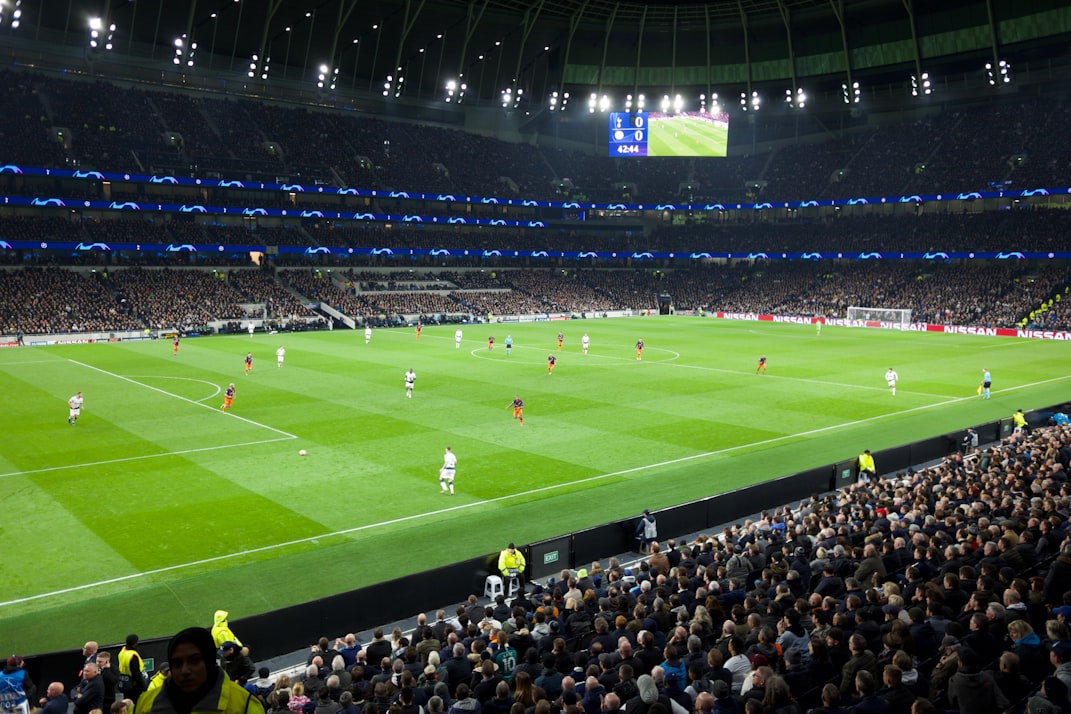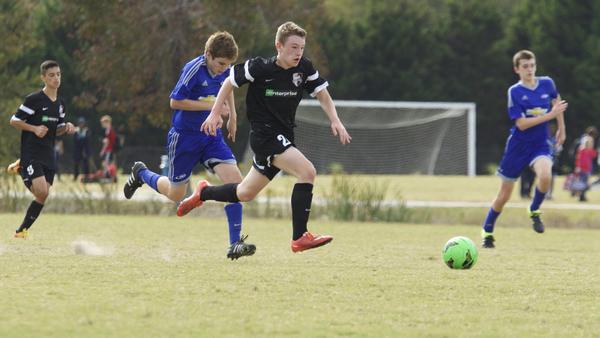

We’ve all been there. It’s a cold, wet Tuesday night under the floodlights, and the opposition steps onto the pitch looking like they’ve been sculpted from granite. They’re bigger, stronger, and faster, and you can see a few of your players’ shoulders slump before a ball has even been kicked. Facing a team with a clear physical advantage can feel like an uphill battle from the first whistle.
But this is where coaching truly begins. Football isn’t won in the gym; it’s won with intelligence, strategy, and a collective will to succeed. This isn't about throwing in the towel; it's about changing the game. With the right tactics vs physical football teams, you can turn their greatest strength into a weakness and prove that technique and teamwork can overcome brute force. It’s time to out-think them, out-manoeuvre them, and walk off that pitch with your heads held high.
At TeamStats, we believe that smart management and clever strategy are the keys to unlocking any team’s potential, regardless of their size.
Understanding the Physical Mismatch
When we talk about a "physical advantage" in grassroots football, it’s more than just a towering centre-back or a lightning-fast winger. It’s a combination of attributes that can dominate a match if you let it.
Strength: They win the 50/50 challenges and shield the ball effectively.
Speed: Their players can burn past your defence or recover quickly to stop an attack.
Size: They dominate aerial duels from goal kicks and set-pieces.
Stamina: They seem to run harder for longer, pressing relentlessly for 90 minutes.
It’s easy to be intimidated, but physical prowess is only one piece of the puzzle. Think of it like a powerful tool with no instruction manual. Without direction and intelligence, it’s ineffective. A smaller, more technically gifted team that moves the ball quickly and works as a cohesive unit can dismantle a team of giants. It’s the classic David vs. Goliath scenario, and it plays out on football pitches every single weekend. Your brain is your sharpest tool.
The Tactical Blueprint: How to Beat a Stronger Team
Right, let’s get the cones out. To nullify a physical advantage, you need a clear and disciplined game plan. Forget trying to match them physically; you need to play a different game entirely.
Make the Ball Do the Work
This is your golden rule. The more your team has the ball, the less the opposition can use their physicality against you. Focus on a high-tempo, possession-based style.
Encourage short, sharp passes, creating triangles and forcing them to chase shadows. A big, strong player hates being dragged out of position to press a player who has already released the ball. It’s frustrating and, more importantly, it’s exhausting. This approach starves them of opportunities to make tackles and turn the game into a physical scrap.
Use Every Inch of the Pitch
Physically imposing teams often thrive in congested, central areas where they can impose their strength. Your job is to deny them this comfort zone. Stretch the play at every opportunity.
Instruct your wingers to stay wide, hugging the touchline. Switch the play from one flank to the other with long, accurate passes. This forces their entire team to shift from side to side, covering huge amounts of ground. Bigger players are often less agile over distance, and constant lateral movement will tire them out and, crucially, create gaps between their defenders for your attackers to exploit.
Master the Art of the Quick Transition
When you win possession, your first thought should be to attack the space they’ve left behind. Physical teams can often be slow to transition from attack to defence.
As soon as you regain the ball, look for the forward pass. A quick, vertical ball to a speedy striker or an attacking midfielder can catch their defence completely off guard. Speed and agility are your best friends here. Drill your players to react instantly, turning defence into attack in a matter of seconds before they can get organised.
A Compact and Disciplined Defensive Shape
You cannot afford to give a physical team space to run into. A deep, compact defensive block is essential. Keep the distance between your defence and midfield minimal, forcing them to play in front of you.
This denies their powerful runners the chance to build up a head of steam. By staying organised and disciplined, you force them to try and break you down with intricate passes, something they may not be comfortable with. You’re inviting them to play your game, not theirs. This is a core element of any successful football strategy against bigger players.
Playing to Your Strengths
Instead of obsessing over their advantages, it’s time to focus on what your team does brilliantly. Every team has a unique identity, and yours is built on something other than brute force.
I remember coaching an Under-14s side, the Rovers, who were technically gifted but always the smallest team in their league. They were drawn against a team we’ll call the Titans in a cup match, a side that was unbeaten and physically dominated everyone. For the first 10 minutes, we were pinned back. But then, our little number 10, Liam, dropped deep, drew out their huge centre-back, and spun in behind to set up a goal. We ended up winning 2-1. We didn’t win by matching their strength; we won by exploiting their lack of agility and using our intelligence.
Your team can do the same. Identify your game-changers, the quick winger, the creative midfielder, the composed defender, and build your strategy around them. Emphasise technical excellence in every training session. A perfect first touch and a crisp pass are the great equalisers in football.
The Mental Battleground: Winning Before Kick-Off
Football is played as much in the head as it is on the pitch. If your players believe they are beaten before they start, they will be. As a coach, instilling belief is one of your most important jobs.
Focus your pre-match talk on the game plan, not the size of the opposition. Remind them of the Rovers story. Remind them that skill and strategy win football matches. But what happens when that first crunching tackle goes in and your player is left on the floor? That’s the real test.
This is where discipline becomes paramount. Physical teams often try to intimidate their opponents. Instruct your players not to retaliate, not to get drawn into arguments, and to keep their cool. A moment of lost focus can lead to a card that ruins your entire plan. Encourage constant communication and positive reinforcement on the pitch. A team that works for each other can overcome any obstacle.
Drills for the Training Ground
Your preparation during the week is what will make the difference on Saturday. Here are a few drills to specifically counter a physical opponent:
High-Intensity Rondos: Set up a ‘piggy in the middle’ drill in a tight space. This forces players to master their first touch, think quickly, and move the ball under intense pressure.
Pattern Play for Transitions: Rehearse your counter-attacks. Set up a scenario where your defence wins the ball and has to find the attacking players in a few passes as possible. Make it a race against time.
Agility and Footwork Drills: Use ladders and cones to improve your players’ ability to change direction quickly. This helps them evade tackles and find space.
Properly planning these sessions is key, which is where our team management app comes in. You can schedule training, share tactical diagrams with your players, and track availability, ensuring everyone is prepared and on the same page. It’s about being organised and smart, which is exactly what grassroots football is all about.
Conclusion: It's About Brains, Not Brawn
Playing against a physically dominant team is a tactical challenge, not an impossible barrier. By implementing a strategy built on possession, width, and quick transitions, you give your team the best possible chance to succeed. It requires discipline, belief, and a commitment to playing intelligent football.
Remember that every match is a chance to learn and improve. Focus on your strengths, work as a unit, and never let the size of the opposition dictate the outcome.