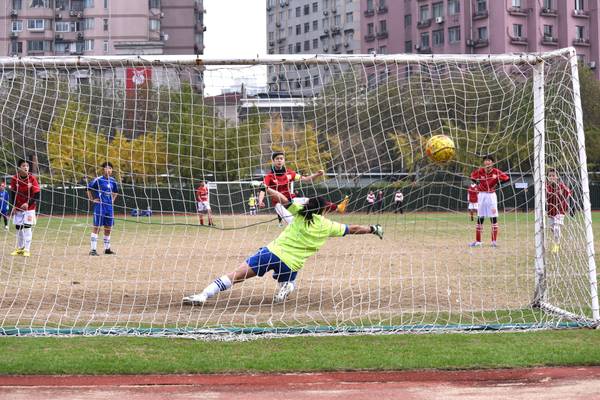

Youth football tournaments represent pinnacle events in grassroots calendars, creating competitive opportunities, building team spirit, and generating memorable experiences for players, families, and clubs. However, organising tournaments that accommodate multiple age groups simultaneously presents substantial logistical challenges requiring systematic planning, clear communication, and effective coordination. Successful football tournament planning transforms complex operations involving dozens of teams, hundreds of players, and countless moving parts into smoothly executed events that participants remember fondly for years.
Many clubs underestimate the complexity involved in multi-age group tournament organisation, leading to chaotic execution, disappointed participants, and financial losses. Conversely, clubs that invest time in comprehensive planning create professional events that enhance club reputations, generate revenue, and strengthen community connections. The difference between successful and struggling tournaments lies not in available resources but in systematic approaches to planning, preparation, and execution.
This guide provides practical frameworks for football tournament planning across multiple age groups. From format selection to match scheduling, volunteer coordination to post-event evaluation, these evidence-based strategies help clubs create tournaments that run smoothly whilst providing positive experiences for all participants in grassroots football.
Understanding Tournament Formats and Structures
Format selection significantly impacts tournament logistics, participant experiences, and organisational requirements. Different formats suit different objectives, age groups, and available resources.
Common Tournament Formats for Youth Football
Round-robin tournaments guarantee every team plays all others in their group, ensuring maximum playing time and value for participating families. This format works excellently for smaller tournaments with limited teams per age group, but becomes impractical with large entries requiring excessive matches. Round-robin structures suit developmental objectives where playing experience matters more than identifying winners.
Knockout competitions create excitement through elimination drama, but risk disappointing teams eliminated after a single match. Straight knockout formats work best for tournaments with many teams where time constraints prevent everyone from playing multiple matches. However, pure knockout tournaments often disappoint families travelling significant distances for potentially brief participation.
Group stages with knockout finals combine the benefits of both approaches - guaranteed multiple matches through group play followed by competitive knockout rounds for top teams. This hybrid format suits larger tournaments seeking to balance playing time, competition intensity, and time efficiency. Most professional tournaments worldwide use this structure because it optimises participant experience whilst maintaining competitive integrity.
Festival formats for younger age groups prioritise participation, skill development, and enjoyment over competition. Rather than tracking scores and standings, festival approaches involve multiple short matches, skills challenges, and mixed-team games. This format suits U7-U10 age groups where development and positive experiences outweigh competitive outcomes.
Age-Appropriate Competition Structures
Modified formats for different age groups ensure appropriate challenge levels whilst protecting player welfare. Younger groups benefit from smaller pitches, reduced player numbers, and shorter matches, preventing physical and mental fatigue. Implementing appropriate 7-a-side formations or 9-a-side tactics depends on age group requirements and available facilities.
Match duration and rest periods must reflect age-specific physiological capabilities. Younger children require shorter matches (20-30 minutes) with longer rest periods between games, whilst older age groups tolerate longer matches with tighter scheduling. Adequate recovery time prevents injuries, maintains performance quality, and ensures player welfare throughout tournament days.
Squad size and substitution rules should encourage maximum participation whilst maintaining competitive balance. Rolling substitutions suit younger age groups and developmental tournaments, whilst older competitive age groups might use limited substitution rules. Clear rules communicated pre-tournament prevent disputes and ensure consistent application across all matches.
Pre-Tournament Planning Essentials
Comprehensive planning transforms potential chaos into organised success. Systematic preparation addresses every aspect of tournament delivery before event day pressure begins.
Setting Clear Objectives
Competitive versus developmental focus shapes every subsequent planning decision. Highly competitive tournaments emphasise results, require qualified officials, and create intense atmospheres. Developmental tournaments prioritise participation, learning, and enjoyment over winning. Mixing these philosophies within single tournaments creates confusion and disappoints participants expecting different experiences.
Revenue generation versus community building objectives influence pricing, sponsorship approaches, and resource allocation. Fundraising tournaments maximise income through entry fees, concessions, and sponsorships. Community-building tournaments subsidise costs to maximise participation whilst accepting reduced profits. Most tournaments balance both objectives, but clarity about primary goals prevents conflicting decisions.
Participation numbers and scope determine facility requirements, volunteer needs, and complexity levels. Tournaments hosting six teams face fundamentally different challenges than those accommodating sixty teams across eight age groups. Ambitious first-time organisers should start modestly, building capabilities and reputation before attempting large-scale events.
Establishing Timeline and Key Milestones
Booking venues and officials requires advance planning, particularly for popular dates or limited local facilities. Quality facilities and experienced officials get reserved months ahead, and late booking forces compromises on venue quality or scheduling. Secure venue agreements and official commitments early, even before finalising other details.
Registration deadlines must allow adequate preparation time whilst maximising entries. Opening registration too early risks low initial uptake, creating momentum problems. Opening too late limits promotional time and prevents effective planning. Typically, opening registration 10-12 weeks before tournaments with closing deadlines 2-3 weeks prior provides an optimal balance.
Communication schedules ensure teams receive timely information throughout planning periods. Pre-tournament communications should include initial invitations, registration confirmations, rules documentation, venue details, and final instructions. Scheduled communications prevent last-minute information dumps whilst keeping tournaments prominent in teams' planning.
Budgeting and Financial Planning
Revenue streams typically include entry fees, sponsorships, concessions, and fundraising activities. Diversified income sources reduce financial risk whilst providing contingencies if individual streams underperform. Conservative revenue projections prevent overcommitting resources based on optimistic assumptions.
Cost management requires accounting for venue hire, official fees, equipment, insurance, marketing, awards, and administrative expenses. Hidden costs, including printing, signage, first aid supplies, and contingency reserves, frequently surprise inexperienced organisers. Comprehensive budgets with 10-15% contingency reserves prevent financial disasters when unexpected expenses emerge.
Pricing strategies across age groups should reflect actual cost differences whilst maintaining perceived fairness. Older age groups requiring longer matches, larger pitches, and more experienced officials justifiably cost more than younger groups. However, significant pricing disparities within single tournaments create resentment unless clearly justified by resource requirements.
Venue and Facility Management
Facility selection and management significantly impact tournament success. Venues must accommodate simultaneous matches whilst providing adequate spectator areas, parking, and amenities.
Pitch Allocation and Scheduling
Simultaneous matches across age groups require careful pitch allocation, ensuring age-appropriate sizes whilst maximising facility use. Larger pitches accommodate older age groups, with younger groups using smaller adjacent pitches or partitioned sections. Clear pitch assignments prevent confusion whilst enabling efficient transitions between matches.
Transition times between matches must allow for teams departing, new teams arriving, brief pitch checks, and any necessary repairs. Insufficient transition time creates cascading delay,s whilst excessive gaps waste valuable facility time. Typically, 10-15 minute transitions balance efficiency with practical realities.
Weather contingencies become critical for outdoor tournaments where rain can make pitches unplayable. Backup facilities, flexible scheduling allowing match postponement, or cancellation policies protecting participant investments all represent valid contingency approaches. Clear weather decision protocols and communication plans prevent confusion when conditions threaten schedules.
Facilities for Multiple Age Groups
Changing room allocation requires strategic planning, ensuring adequate provision whilst preventing overcrowding or excessive facility damage. Staggered arrival times reduce changing room pressure, whilst clear allocation schedules prevent conflicts. Some tournaments waive changing facilities entirely, asking teams to arrive in kit when facilities prove insufficient.
First aid and medical provisions must be immediately accessible from all playing areas with qualified personnel present throughout tournaments. Multiple age groups playing simultaneously require sufficient first aiders covering all fields quickly. Designating clear first aid areas with appropriate equipment ensures a rapid response to injuries.
Catering and refreshment areas generate revenue whilst keeping participants on-site between matches. Quality food options at reasonable prices enhance experiences, whilst excessive prices or poor quality create negative impressions. Balance profit objectives against participant satisfaction, recognising that disappointed families don't return to future tournaments.
Registration and Team Management
Streamlined registration processes reduce administrative burden whilst collecting necessary information efficiently.
Streamlining Registration Processes
Online systems and digital platforms transform registration from paper-based chaos into manageable processes. Platforms like TeamStats enable teams to register, submit required information, and pay fees through a single integrated system. Digital registration reduces errors, enables automated communication, and provides real-time entry tracking.
Age verification and eligibility checks protect competitive integrity whilst preventing disputes. Clear documentation requirements communicated during registration - birth certificates, registration cards, or league confirmations - establish eligibility before tournaments begin. Verification processes seem bureaucratic, but prevent far worse disputes when contested eligibility emerges during competition.
Payment processing integration simplifies financial management whilst providing teams with convenient payment options. Online payment systems with automated confirmation reduce administrative workload whilst enabling real-time tracking of paid versus outstanding entries. Clear payment deadlines with consequences for late payment, and maintain financial discipline.
Communication With Participating Teams
Pre-tournament information packs consolidate critical details, preventing repetitive individual queries. Comprehensive packs should include tournament rules, schedule details, venue information, parking instructions, and emergency contacts. Professional, thorough information packets demonstrate organisational competence whilst reducing last-minute confusion.
Rule clarifications address common questions preventing matchday disputes. Explicit statements about substitution rules, game duration, points systems, and tiebreaker procedures ensure everyone understands competition structures. When rules differ from regular league play, particularly highlighting these differences prevents assumptions, causing conflicts.
Venue details and arrival times must be explicit, assuming teams have never visited facilities. Written directions, parking instructions, designated meeting areas, and specific arrival windows reduce confusion and late arrivals. Requesting confirmation of arrival times helps organisers anticipate attendance patterns and identify teams potentially missing their slots.
Scheduling Matches Across Age Groups
Match scheduling represents perhaps the most complex aspect of multi-age group football tournament planning. Well-designed schedules balance numerous competing requirements whilst maintaining tournament flow.
Creating Balanced Fixtures
Equal rest periods between matches ensure fair competition whilst protecting player welfare. When some teams play matches 90 minutes apart, whilst others enjoy three-hour breaks, competitive balance suffers alongside increased injury risks. Sophisticated scheduling software helps optimise rest periods, though manual planning works for smaller tournaments.
Avoiding timing conflicts for shared players becomes critical when clubs enter multiple teams or players participate in multiple age groups. Understanding which players or coaches span multiple teams enables scheduling that prevents impossible situations. Pre-tournament questions about player overlap inform scheduling decisions.
Referee availability coordination ensures qualified officials for every match across all age groups simultaneously. Booking adequate referees for peak periods when multiple matches run concurrently prevents delays waiting for official availability. Some tournaments recruit younger or less experienced officials for junior age groups, whilst prioritising qualified officials for older competitive groups.
Managing Tournament Flow
Staggered start times across age groups prevent everyone from arriving simultaneously, overwhelming facilities whilst enabling longer tournament windows, accommodating more matches. Younger age groups might start early morning, with older groups beginning later, or vice versa, depending on participant preferences and facility availability.
Buffer periods for overruns accommodate matches exceeding scheduled durations without cascading delays. Including a 10-15% timing buffer throughout schedules creates flexibility to absorb minor delays. Schedules without buffers inevitably fall behind, disappointing teams waiting for delayed matches.
Finals scheduling requires prime time slots, ensuring adequate spectator attendance whilst not conflicting with other age group finals. Coordinating multiple age group finals creates logistical challenges but generates exciting tournament conclusions when several championships are decided simultaneously. Some tournaments schedule finals sequentially on dedicated pitches, whilst others run concurrent finals across multiple fields.
Staffing and Volunteer Coordination
Adequate staffing with clearly defined roles determines whether tournaments run smoothly or descend into chaos.
Roles and Responsibilities
Tournament directors oversee entire operations, making major decisions and coordinating between functional areas. This role requires experience, authority, and availability throughout the planning and execution phases. First-time tournament organisers should recruit experienced directors from other clubs as advisors.
Pitch managers control individual playing areas, coordinating teams, officials, and ensuring matches stay on schedule. Each cluster of pitches needs dedicated managers with authority to solve problems and communicate with central coordination. Pitch managers represent the most important volunteer roles after tournament directors.
Registration and administration staff manage team check-ins, distribute materials, collect paperwork, and handle queries. Friendly, organised registration teams create positive first impressions whilst efficiently processing arriving teams. Staffing registration areas adequately prevents queues and frustration.
Volunteer Recruitment and Briefing
Clear role descriptions help volunteers understand expectations before committing. Written descriptions outlining responsibilities, time commitments, and required skills enable informed volunteering decisions. Recruiting volunteers for defined roles proves easier than seeking generic "tournament helpers."
Training and preparation sessions familiarise volunteers with procedures, decision-making authorities, and communication protocols. Pre-tournament briefings covering schedules, emergency procedures, and troubleshooting common issues prepare volunteers for likely scenarios. Confident, prepared volunteers perform better whilst enjoying their contributions more.
Communication systems during events enable coordination between dispersed volunteer teams. Radios, mobile phones, or messaging apps keep everyone connected whilst enabling rapid response to emerging issues. Designated communication channels prevent confusion whilst ensuring critical information reaches appropriate people quickly.
Match Day Operations
Tournament day execution tests all preparation whilst requiring flexibility as unexpected situations inevitably emerge.
Setup and Preparation
Pitch marking and goal setup must be completed before teams arrive, with all playing surfaces meeting safety standards and competition requirements. Checking pitch conditions, line markings, goal security, and removing hazards prevents avoidable problems. Arriving early allows addressing setup issues before participants witness problems.
Registration desk operations should begin before the earliest team arrival times with clearly marked locations and adequate staffing. Efficient registration processes welcome teams whilst collecting necessary paperwork, distributing materials, and confirming schedule information. First impressions significantly impact overall tournament perceptions.
Signage and wayfinding help unfamiliar visitors navigate facilities easily. Signs directing parking, registration, specific pitches, toilets, and food areas reduce confusion whilst decreasing volunteer query-answering burden. Professional signage demonstrates organisational competence whilst improving participant experiences.
Managing the Tournament Day
Real-time problem solving addresses inevitable issues preventing minor problems from becoming major crises. Experienced tournament directors recognise which problems require immediate attention versus which can wait. Empowering volunteers to solve routine problems whilst escalating unusual situations enables efficient decision-making.
Results recording and updates keep everyone informed about tournament progress whilst providing necessary information for standings and knockout bracket progression. Using a team management app streamlines results entry whilst enabling real-time standings calculations and automatic schedule updates.
Communication with teams and officials throughout the day maintains coordination whilst managing expectations about delays or changes. Regular announcements updating schedules, providing results, or communicating important information keep everyone informed. Proactive communication prevents frustration whilst demonstrating control.
Safety and Safeguarding
Participant safety represents the highest priority throughout football tournament planning and execution.
Risk Assessments and Emergency Planning
Medical emergencies require clear protocols ensuring rapid, appropriate responses. Designated first aiders with immediate access to emergency equipment, clearly communicated emergency services access points, and practised emergency procedures protect participant welfare. Written emergency plans distributed to all volunteers ensure coordinated responses.
Weather-related decisions about continuing, suspending, or cancelling tournaments protect participants while minimising disappointment. Clear criteria for weather-related decisions made in advance prevent emotional mid-tournament arguments about whether conditions justify stopping play. Lightning, excessive heat, or dangerous field conditions all warrant predetermined response protocols.
Lost children protocols establish systematic approaches to reuniting separated families quickly. Designated lost child areas, public announcement systems, and trained personnel prevent panicked responses whilst maintaining child safety. Clear identification systems like wristbands with emergency contacts reduce separation risks.
Child Protection Considerations
DBS requirements for volunteers ensure appropriate safeguarding checks for adults working with children. Tournament organisers must verify that visiting team coaches and club volunteers possess appropriate certifications, whilst ensuring their own volunteers meet legal requirements. Robust safeguarding demonstrates commitment to child protection.
Photography and media policies balance celebrating achievements through photos whilst protecting children's privacy and safety. Clear policies about who can photograph participants, obtaining parental consent, and proper image usage prevent safeguarding concerns whilst enabling tournament promotion. Designated photography areas and visible identification for approved photographers maintain safety.
Post-Tournament Follow-Up
Tournament success extends beyond event days into post-tournament activities that build reputation and inform future improvements.
Results and Recognition
Award presentations celebrate achievements whilst creating memorable moments for participants. Well-organised presentations with meaningful awards - medals, trophies, certificates - demonstrate respect for participants' efforts. Recognising diverse achievements beyond just winners, such as fair play awards or tournament spirit recognition, creates an inclusive celebration.
Results publication through websites, social media, and direct communication provides lasting records while promoting future tournaments. Comprehensive results with photos create content that participants share within their networks, generating organic marketing. Timely results publication, whilst tournaments remain fresh in memory, maximises engagement.
Evaluation and Improvement
Participant feedback collection reveals strengths and improvement opportunities from those who experienced tournaments firsthand. Digital surveys distributed shortly after tournaments capture fresh impressions whilst achieving higher response rates than delayed surveys. Specific questions about various tournament aspects provide actionable insights.
Financial reconciliation compares actual income and expenses against projections whilst calculating profit or loss. Detailed financial analysis identifies cost categories requiring better control or revenue streams underperforming expectations. Financial transparency with stakeholders builds confidence whilst informing future budget development.
Lessons learned documentation preserves institutional knowledge for future planning teams. Written summaries of what worked well, what problems emerged, and what should change create valuable resources preventing repeated mistakes. Many clubs lose hard-won knowledge when key volunteers leave, but systematic documentation prevents this institutional amnesia.
Conclusion
Successful football tournament planning across multiple age groups requires systematic approaches balancing numerous competing requirements whilst maintaining participant experience focus. Tournaments that invest adequate time in comprehensive planning, clear communication, and coordinated execution create positive experiences that enhance club reputations, generate sustainable revenue, and provide memorable opportunities for young players.
Start with clear objectives, develop realistic budgets, and create detailed schedules accounting for age-specific requirements. Recruit adequate volunteers, communicate thoroughly with participating teams, and maintain flexibility as inevitable challenges emerge. Most importantly, remember that successful tournaments prioritise participant experiences over organisational convenience - when young players, families, and coaches enjoy tournaments, they return repeatedly whilst recommending events to others.
Join TeamStats to access digital platforms that streamline tournament registration, results management, and communication across multiple age groups. Whether organising first tournaments or refining established events, continuous improvement through systematic planning, thorough execution, and honest evaluation creates tournaments that become anticipated highlights in grassroots football calendars.
═══════════════════════════════════════════════════════════════