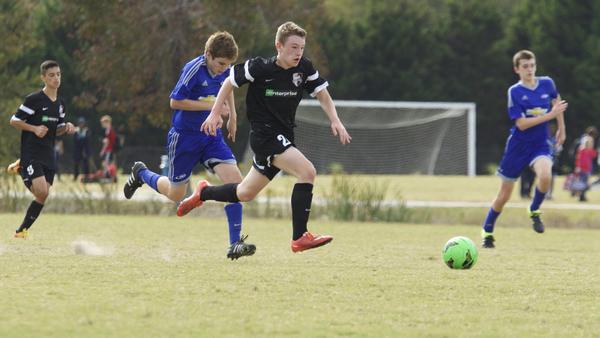

Intensive competition periods challenge youth footballers physically, mentally, and emotionally. Tournaments with multiple matches over consecutive days, fixture congestion during peak season, and high-stakes cup competitions create demands that require careful recovery planning to maintain performance whilst protecting player wellbeing. A comprehensive football recovery plan distinguishes sustainable programmes from those plagued by injuries, burnout, and declining performance.
Many grassroots coaches focus exclusively on preparation and competition, viewing recovery as passive rest rather than an active component of player development. This approach overlooks the reality that adaptation occurs during recovery, not training. Young players who train intensively without adequate recovery experience diminished returns, increased injury risk, and potential psychological burnout that threatens long-term football participation.
This guide provides structured frameworks for planning recovery after intensive competitions, covering immediate post-match protocols through long-term seasonal planning. Whether managing Sunday league football teams or elite youth squads, these evidence-based strategies will help coaches optimise recovery whilst maintaining player engagement and development.
Understanding Recovery Needs in Youth Football
Physical Recovery Requirements
Muscle repair and adaptation following intensive matches require adequate time and proper nutrition. Young players experience micro-damage to muscle fibres during competition, with repair processes requiring 24-72 hours depending on match intensity and individual factors. Rushing back into intensive training before completing this repair increases injury risk significantly.
Energy system restoration proves equally important as muscle repair. Matches deplete glycogen stores in muscles and liver, with complete restoration requiring proper carbohydrate intake and sufficient rest time. Players who compete on depleted glycogen stores perform below capacity and risk more severe fatigue-related complications.
Injury prevention through proper rest represents a critical but often overlooked recovery component. Fatigue degrades movement quality, reduces coordination, and impairs decision-making - all factors that increase acute injury risk. Systematic recovery planning provides the rest required for maintaining movement quality throughout intensive competition periods.
Mental and Emotional Recovery
Psychological demands of competition extend beyond physical exertion. Pressure to perform, fear of failure, and emotional investment in results create mental fatigue that proper football recovery plan frameworks must address. Young players, particularly vulnerable to performance anxiety, require deliberate psychological recovery alongside physical rest.
Preventing burnout in young players demands attention to cumulative stress across all life domains. When intensive competition periods coincide with academic demands, family obligations, or social pressures, total stress load can overwhelm developing coping mechanisms. Coaches must maintain awareness of players' complete circumstances when planning recovery.
Maintaining motivation through recovery periods presents challenges, as enthusiastic young players often resist rest despite needing it desperately. Framing recovery as essential training rather than absence from football helps maintain engagement whilst ensuring adequate rest. TeamStats provides communication tools that help coaches explain recovery importance to players and parents.
Differences Across Age Groups
Foundation phase players (U7-U10) recover quickly from individual matches but lack the capacity for sustained intensive competition. Their developing bodies cannot handle tournament formats with multiple daily matches, requiring extended breaks between competitions and careful monitoring for signs of excessive fatigue.
Development phase players (U11-U14) experience rapid physical changes that affect recovery needs unpredictably. Growth spurts temporarily reduce physical capacity whilst increasing injury vulnerability, demanding individualised recovery approaches that account for varying maturation rates within squads.
Youth phase players (U15+) can handle increased training loads but remain more vulnerable than adults to overtraining and overuse injuries. Their improving fitness often masks accumulating fatigue, requiring vigilant monitoring and structured recovery protocols despite apparent resilience.
Components of an Effective Recovery Plan
Immediate Post-Match Recovery (0-2 Hours)
Cool-down procedures immediately following matches help initiate recovery by promoting blood flow, removing metabolic waste products, and beginning the physical transition from competition intensity to rest state. Light jogging for 5-10 minutes followed by static stretching provides simple yet effective cool-down protocols suitable for all youth age groups.
Hydration and nutrition within the first hour post-match significantly influence recovery quality. Players should consume fluids containing electrolytes to replace sweat losses, alongside carbohydrate-rich snacks that begin glycogen restoration. Chocolate milk, fruit, and cereal bars provide practical, affordable post-match nutrition options for grassroots teams.
Initial assessment and monitoring help coaches identify players requiring additional attention. Brief conversations with players about how they feel, visual assessment of movement quality, and noting any complaints of pain or excessive fatigue inform subsequent recovery planning and potential medical referrals.
Short-Term Recovery (2-48 Hours)
Active recovery sessions involving low-intensity movement accelerate recovery more effectively than complete rest for most players. Gentle swimming, cycling, or light football-specific activities promote blood flow that delivers nutrients to recovering muscles whilst removing waste products accumulating during intensive competition.
Sleep optimisation represents the single most important recovery intervention available. Young players require 8-10 hours of quality sleep for optimal recovery, with sleep deprivation significantly impairing physical recovery, cognitive function, and injury resistance. Educating players and parents about the importance proves as valuable as any physical recovery protocol.
Nutrition strategies during this critical 48-hour window should emphasise regular meals containing quality protein sources, carbohydrate-rich foods, and colourful vegetables providing micronutrients supporting recovery. Three meals plus snacks ensure consistent nutrient delivery without overwhelming digestive systems.
Medium-Term Recovery (3-7 Days)
Training load management during the week following intensive competition prevents cumulative fatigue whilst maintaining fitness and tactical sharpness. Reducing training volume by 30-50% whilst maintaining moderate intensity allows recovery without detraining, particularly important during fixture-congested periods.
Modified training intensities focusing on technical work, tactical understanding, and skill development rather than physical conditioning maintain player engagement whilst facilitating recovery. Sessions emphasising possession games, pattern play, and set-piece work prove valuable during recovery weeks.
Monitoring fatigue markers through simple wellness questionnaires, observation of training behaviours, and conversations with players helps coaches adjust recovery plans dynamically. Understanding grassroots football contexts helps coaches implement practical monitoring approaches suitable for volunteer-led environments.
Long-Term Recovery Planning
Season periodisation involves strategically planning intensive and recovery periods throughout the annual cycle. Identifying tournament dates, fixture congestion periods, and cup competitions allows advance planning of recovery weeks that prevent cumulative fatigue whilst optimising performance for priority competitions.
Planned rest weeks provide complete breaks from structured training, allowing physical and psychological recovery whilst preventing staleness. Most youth players benefit from 2-4 planned rest weeks distributed throughout seasons, typically scheduled after tournament periods or during school holiday breaks.
Off-season recovery protocols balance complete rest periods with maintenance of general fitness and football skills. Rather than abrupt transitions from intensive competition to complete inactivity, progressive reduction in training loads followed by recreational football activities maintains engagement whilst facilitating recovery.
Physical Recovery Strategies
Active Recovery Sessions
Low-intensity training benefits recovery through increased blood flow, reduced muscle stiffness, and maintained movement patterns without imposing additional fatigue. Activities performed at 40-60% of maximum intensity for 20-30 minutes provide optimal recovery stimulus without hindering repair processes.
Swimming and alternative activities offer psychological variation whilst providing effective active recovery. Water-based exercise reduces impact stress on joints and muscles whilst promoting blood flow, making swimming particularly valuable during intensive competition periods or when managing minor injuries.
Yoga and stretching programmes improve flexibility, promote relaxation, and provide mindfulness benefits supporting both physical and psychological recovery. Regular stretching sessions during recovery periods help prevent muscle tightness whilst offering calm environments conducive to mental rest.
Nutrition for Recovery
Post-match nutrition timing significantly influences recovery quality, with the first 30-60 minutes representing the optimal window for glycogen restoration. Consuming 1.0-1.2 grams of carbohydrate per kilogram body weight during this period maximises glycogen synthesis, preparing players for subsequent training or competition.
Protein and carbohydrate requirements for youth players vary by age, body size, and training load. Generally, players require 1.2-1.6 grams of protein per kilogram body weight daily during recovery periods, alongside sufficient carbohydrates to restore energy reserves and support growth.
Hydration protocols should ensure players replace 150% of the fluid lost during matches through sweat. Monitoring urine colour provides a simple hydration assessment - pale yellow indicates adequate hydration, whilst dark yellow suggests insufficient fluid intake requiring correction.
Sleep and Rest
Sleep requirements by age suggest foundation-phase players need 10-12 hours, development-phase players 9-11 hours, and youth-phase players 8-10 hours nightly. These targets exceed what many young players achieve, particularly during school weeks, making sleep education an essential component of comprehensive football recovery plan frameworks.
Sleep hygiene practices, including consistent bedtimes, limited screen time before sleep, cool dark bedrooms, and calming pre-sleep routines, significantly improve sleep quality. Coaches should discuss these practices with players and parents, emphasising sleep's critical role in recovery and performance.
Managing school and football demands requires cooperation between coaches, players, and parents. Understanding academic pressures, homework demands, and examination periods allows coaches to adjust training loads appropriately, preventing situations where combined demands overwhelm young players' capacity to cope.
Mental and Emotional Recovery
Managing Competition Stress
Recognising burnout signs, including declining enthusiasm, persistent fatigue despite rest, increased irritability, and deteriorating performance, helps coaches intervene before burnout becomes entrenched. Young players experiencing multiple symptoms simultaneously require immediate intervention, including training load reduction and potential psychological support.
Creating psychological safety where players feel comfortable expressing concerns, admitting struggles, and requesting support prevents minor issues from escalating into serious problems. Coaches who respond supportively to vulnerability rather than dismissively create environments where players proactively manage their wellbeing.
Celebrating effort over outcomes during intensive competition periods maintains motivation whilst reducing performance pressure. Highlighting individual improvements, team cooperation, and tactical execution regardless of results helps players maintain healthy relationships with competition.
Maintaining Team Morale
Positive reinforcement after losses prevents the negative emotional spirals that compound fatigue effects during intensive periods. Acknowledging disappointment whilst highlighting positives, discussing learning opportunities, and maintaining perspective about development priorities helps teams navigate difficult results constructively.
Balancing competitive intensity with enjoyment ensures football remains rewarding despite demanding schedules. Incorporating fun activities, celebrating non-football achievements, and maintaining positive team cultures prevent competition from becoming joyless obligations that players endure rather than embrace.
Social bonding activities during recovery periods strengthen team connections whilst providing complete breaks from competitive pressure. Team meals, recreational activities, or simple social gatherings help players relax while building relationships that enhance on-pitch cooperation.
Player Communication
Individual check-ins allow coaches to understand personal circumstances affecting recovery needs. Some players face challenging home situations, academic pressures, or personal struggles that influence their capacity to handle intensive competition, requiring individualised support and adjusted expectations.
Understanding personal circumstances helps coaches differentiate between players needing encouragement to push through temporary discomfort versus those genuinely overwhelmed by cumulative demands. This nuanced understanding prevents both under-supporting struggling players and over-protecting resilient players unnecessarily.
Involving parents in recovery planning ensures consistent support across football and home environments. Parents who understand the importance can reinforce sleep priorities, provide appropriate nutrition, and manage external demands during intensive periods, significantly enhancing recovery effectiveness.
Planning Recovery Around Competition Schedules
Tournament Recovery
Multi-day tournament considerations include between-match recovery protocols, cumulative fatigue management, and post-tournament rest requirements. Tournaments compressing multiple matches into 2-4 days create recovery challenges requiring specialised approaches, balancing performance optimisation with player protection.
Between-match recovery protocols during tournaments emphasise immediate hydration and nutrition, light active recovery including short walks or gentle stretching, and maximising rest time through efficient logistics. Understanding football formations helps coaches rotate players strategically, managing workloads whilst maintaining competitive standards.
Post-tournament rest requirements typically involve 2-4 days of complete rest from structured training, followed by progressive return to normal training loads over subsequent weeks. Players showing signs of excessive fatigue require extended recovery regardless of upcoming fixtures.
Fixture Congestion Management
Identifying intensive periods through advanced planning allows proactive recovery scheduling rather than reactive crisis management. Mapping fixture lists, identifying weeks with multiple matches, and planning recovery protocols before seasons begin prevent oversight during hectic periods.
Squad rotation strategies distribute playing time across larger numbers, preventing excessive loads on core players whilst providing opportunities for squad players. Rotation requires confidence in broader squads and a willingness to accept occasional performance drops for long-term player welfare and development benefits.
Modified training during busy periods focuses on recovery, tactical preparation, and skill maintenance rather than physical development. Short technical sessions, tactical video analysis, and mobility work replace intensive conditioning during fixture-congested periods.
International Break Opportunities
Using breaks strategically provides critical recovery opportunities within otherwise intensive schedules. Rather than maintaining normal training during breaks when fixtures pause, smart coaches implement recovery-focused programmes allowing players to recharge physically and mentally.
Maintaining fitness during rest requires balancing recovery needs with detraining prevention. Light training 2-3 times weekly during breaks maintains conditioning without imposing significant fatigue, preparing players for returning to competition without compromising recovery benefits.
Returning from extended breaks demands progressive load increases that re-establish match fitness safely. Players returning after 1-2 week breaks typically require 5-7 days of progressive training before returning to full competition intensity without injury risk elevation.
Training Modifications During Recovery Periods
Reducing Training Intensity
Technical focus over physical load during recovery weeks maintains skill development whilst facilitating physical recovery. Sessions emphasising ball mastery, passing technique, and individual skill work provide valuable football development without significant fatigue accumulation.
Skills development during recovery periods proves particularly valuable for young players whose technical abilities often lag physical capabilities. Dedicated time for technical refinement, free from physical fatigue, helps players master skills requiring concentration and coordination.
Game understanding sessions involving tactical discussions, video analysis, and low-intensity pattern work develop football intelligence whilst requiring minimal physical output. These sessions maintain player engagement with football whilst supporting recovery needs.
Alternative Training Methods
Swimming and pool recovery sessions provide excellent active recovery whilst offering an enjoyable variation from pitch-based training. Water resistance provides gentle strengthening effects whilst buoyancy reduces impact stress on recovering muscles and joints.
Cycling and low-impact cardio activities maintain aerobic fitness without imposing running-related impact stress. Stationary bikes prove particularly valuable during recovery from lower-limb injuries or when managing players experiencing growth-related discomfort.
Team building activities unrelated to football provide psychological recovery whilst maintaining team cohesion. Bowling, cinema trips, or other recreational activities give players complete mental breaks from competitive pressures whilst reinforcing social bonds.
Monitoring Training Loads
Tracking player workloads through session duration, intensity ratings, and volume metrics helps coaches quantify training stress objectively. Simple systems tracking minutes played and perceived exertion provide sufficient data for effective load management without requiring sophisticated technology.
Using RPE (Rating of Perceived Exertion) and wellness questionnaires provides valuable subjective data, complementing objective load measures. Players reporting persistent high fatigue, poor sleep quality, or elevated muscle soreness require load reductions regardless of objective training volumes.
Adjusting plans based on feedback demonstrates responsive coaching that prioritises player welfare appropriately. Rigid adherence to predetermined plans despite clear fatigue signals represents poor practice that increases injury risk and damages player-coach relationships.
Injury Prevention Through Recovery
Common Overuse Injuries
Growth plate issues in young players, including Sever's disease, Osgood-Schlatter disease, and other apophysitis conditions, result directly from excessive training loads during growth periods. Proper recovery planning significantly reduces occurrence rates whilst ensuring affected players receive appropriate management.
Muscle strains from fatigue occur when tired muscles cannot absorb force effectively, resulting in tears during routine movements that normally present no injury risk. Progressive fatigue reduction through systematic recovery prevents these preventable injuries.
Recognising warning signs, including persistent muscle soreness, movement quality deterioration, reduced performance despite effort, and increasing minor injury frequency, allows early intervention before serious problems develop.
Preventive Measures
Proper warm-ups and cool-downs represent non-negotiable injury prevention fundamentals. Comprehensive warm-ups, preparing bodies for training demands and thorough cool-downs initiating recovery processes significantly reduce injury occurrence across all age groups.
Strength and conditioning work appropriate for youth players builds resilience against injury whilst improving performance capabilities. Body-weight exercises, resistance band work, and progressive loading protocols provide valuable injury prevention benefits without requiring sophisticated equipment or facilities.
Load management protocols systematically tracking and controlling training and competition volumes represent the most effective injury prevention strategy available. Team management apps simplify load tracking whilst facilitating communication about player availability and fatigue status.
When to Seek Medical Attention
Identifying serious concerns versus minor complaints requiring simple rest demands experience and judgment. Persistent pain, significant swelling, inability to bear weight, or symptoms lasting beyond expected timeframes warrant professional medical assessment rather than continued home management.
Working with physiotherapists during recovery from injuries ensures appropriate progression and reduces re-injury risk. Physiotherapists provide expertise in tissue healing timelines, rehabilitation progressions, and return-to-play decisions that coaches typically lack.
Return-to-play protocols following injury should progress systematically through graduated stages from basic movements through match-intensity training before competition return. Rushing return-to-play processes significantly increases re-injury risk.
Communication and Planning Tools
Creating Recovery Schedules
Mapping intensive periods across seasons identifies when recovery planning proves most critical. A visual calendar displaying match frequencies, tournament dates, and planned rest weeks helps coaches, players, and parents understand seasonal demands and recovery priorities.
Planning rest weeks in advance ensures recovery receives appropriate priority rather than occurring only when crisis demands intervention. Proactive planning prevents situations where players experience excessive cumulative fatigue before receiving adequate rest.
Communicating with parents about recovery plans ensures home support for sleep priorities, nutrition requirements, and understanding when players need reduced external demands. Parent education about the importance prevents well-intentioned but counterproductive pressures.
Using Technology for Monitoring
Tracking apps and platforms designed for team management simplify the administrative demands of systematic recovery planning. Digital tools facilitate communication, track player availability, monitor training loads, and maintain records supporting evidence-based decision-making.
Wellness monitoring systems ranging from sophisticated apps to simple paper questionnaires provide valuable insights into player recovery status. Regular monitoring allows early identification of players struggling with recovery demands, enabling timely intervention.
Sharing information with stakeholders, including parents, club administrators, and medical staff, ensures coordinated support for player wellbeing. Transparent communication about recovery priorities builds trust and shared commitment to appropriate player management.
Parent and Player Education
Explaining recovery importance through accessible language and relatable examples helps players and parents understand why rest receives equivalent priority to training. Comparing recovery to charging phone batteries or allowing cuts to heal provides tangible analogies supporting abstract concepts.
Managing external football commitments requires honest conversations about total training loads. Players participating in school football, recreational leagues, and representative teams alongside club football often accumulate dangerous volumes requiring coordination across multiple contexts.
Creating supportive home environments where sleep receives priority, nutrition remains appropriate, and academic demands receive balanced attention maximises recovery effectiveness. Parental understanding and cooperation prove essential for comprehensive football recovery plan implementation.
Conclusion
Planning recovery after intensive competitions represents an essential coaching responsibility that directly impacts player wellbeing, injury rates, and long-term development outcomes. The structured frameworks outlined provide practical approaches for implementing systematic recovery protocols suitable for grassroots contexts.
Progressive coaches recognise recovery as an active training component rather than a passive absence from football. Whether planning post-tournament protocols, managing fixture congestion, or periodizing entire seasons, deliberate recovery planning distinguishes sustainable programmes from those compromising player welfare for short-term results.
Begin implementing these recovery strategies immediately by mapping your competitive calendar, identifying intensive periods requiring particular attention, and establishing simple monitoring systems tracking player fatigue. Resources for supporting grassroots football fundraising can help secure equipment and tools that facilitate recovery monitoring and implementation.
Your commitment to systematic recovery planning will develop healthier, more resilient players who sustain performance across seasons whilst maintaining enthusiasm for football participation. Prioritise recovery with equivalent attention to training quality, and watch your players thrive through demanding competition schedules whilst avoiding the burnout and injury patterns plaguing less thoughtfully managed programmes.
═══════════════════════════════════════════════════════════════