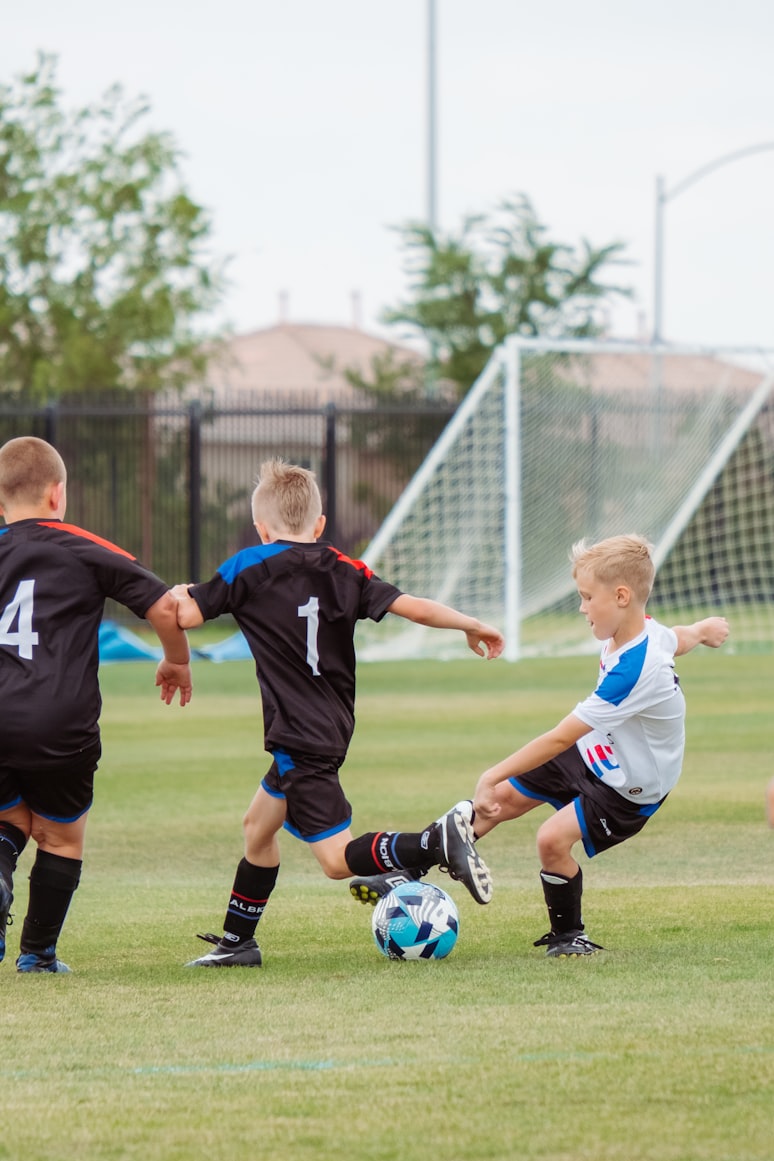

Grassroots football thrives when clubs open their doors beyond traditional recruitment channels. Yet many teams struggle to reach players from diverse backgrounds, missing opportunities to build truly representative squads that reflect their local communities. The solution often sits just beyond the club gates - in established community organisations already working with the exact groups clubs want to welcome.
Community football partnerships create pathways that formal club structures alone cannot achieve. Youth centres, disability charities, refugee support organisations, and faith groups already hold the trust of families who might never consider joining a conventional football club. By building genuine relationships with these organisations, clubs transform from closed communities into accessible spaces where every child feels they belong.
Why Traditional Recruitment Fails Underserved Communities
Standard recruitment methods - posters at schools, social media campaigns, word-of-mouth through existing families - perpetuate existing networks rather than expanding them. Clubs inadvertently create invisible barriers that exclude precisely the players they claim to welcome.
Financial and Practical Barriers
Financial barriers present the most obvious challenge. Registration fees, kit costs, and travel expenses price out families already managing tight budgets. A parent working multiple jobs cannot commit to midweek training sessions or weekend fixtures requiring transport across town. These practical obstacles never appear in club promotional materials, yet they determine who joins and who walks away. Clubs can address some of these challenges through fundraising initiatives specifically supporting inclusion work.
Cultural Barriers and Trust
Cultural barriers prove equally significant but less tangible. Families new to the UK may not understand grassroots football structures or feel confident approaching clubs where they see no one who looks like them. Girls from certain backgrounds face additional hurdles if clubs lack female coaches or fail to provide appropriate changing facilities. Disabled children encounter clubs unprepared to adapt sessions or communicate effectively with parents about their child's needs.
Trust forms the foundation of inclusion work. Families who have experienced discrimination or marginalisation elsewhere approach new organisations cautiously. A club website proclaiming "everyone welcome" means little without evidence that welcome extends beyond words.
Identifying the Right Community Partners
Effective partnerships begin with understanding which organisations already serve the communities clubs want to reach. Local authority community development teams maintain directories of active groups and can suggest partners aligned with specific inclusion goals.
Youth and Community Centres
Youth and community centres operate in neighbourhoods where clubs may struggle to recruit. These centres run after-school programmes, holiday activities, and family support services, building relationships with hundreds of local children. Staff members understand individual family circumstances and can identify children who would benefit from structured sports participation but face barriers to joining conventional clubs.
Disability Organisations
Disability organisations bring specialist knowledge clubs often lack. Charities supporting children with physical disabilities, learning differences, or sensory processing challenges can advise on session adaptations, communication strategies, and equipment modifications. These organisations also connect clubs with families actively seeking inclusive sports opportunities but uncertain where to start.
Refugee and Faith Community Support
Refugee and asylum seeker support groups work with families navigating unfamiliar systems whilst processing significant trauma. Football offers these children routine, social connection, and a sense of belonging during periods of profound disruption. Partner organisations can facilitate introductions, provide interpretation services, and help clubs understand cultural considerations that affect participation.
Faith communities represent another valuable partner category. Churches, mosques, temples, and gurdwaras serve as trusted gathering spaces for families who may feel disconnected from secular community organisations. Religious leaders who endorse club partnerships give families confidence to participate.
School Partnerships
Schools with high proportions of pupils from target communities provide direct access to children and parents. Whilst clubs routinely visit schools for general recruitment, structured partnerships with specific schools create sustained relationships that address barriers systematically rather than through one-off sessions.
Building Genuine Partnerships Rather Than Transactional Arrangements
Successful community football partnerships require investment beyond initial conversations. Clubs must demonstrate commitment through actions, not just stated intentions. Partnership agreements should outline mutual benefits, shared responsibilities, and clear outcomes that matter to both organisations.
Listening-Focused Development
Initial meetings should focus on listening rather than presenting. Community organisations understand their members' needs, aspirations, and concerns far better than clubs do. Asking questions about what prevents participation, what would make families feel welcome, and what support organisations need reveals barriers clubs never considered.
Co-Designed Programmes
Co-designing programmes ensures initiatives serve community needs rather than club assumptions. A disability charity might suggest shorter sessions with smaller groups rather than integrating children into existing large squads. A refugee support organisation might prioritise creating a safe space for children to play informally before introducing structured coaching. These insights prevent clubs from investing resources in programmes that miss the mark.
Shared Delivery Models
Shared delivery models work better than clubs simply recruiting from partner organisations then expecting families to navigate club structures independently. Joint sessions where community workers attend alongside children provide continuity and reassurance. Gradually transitioning children into mainstream club activities allows relationships to develop naturally.
Financial and Communication Arrangements
Financial arrangements must be explicit and equitable. Many community organisations operate on minimal budgets and cannot subsidise club programmes from their own resources. Clubs should identify funding sources - local authority grants, FA funding streams, corporate sponsorship - that support partnership activities without requiring participating families to pay standard fees.
Regular communication maintains partnership momentum. Quarterly review meetings assess what works, identify emerging challenges, and adjust approaches accordingly. Celebrating successes together - through joint events, social media recognition, or award nominations - reinforces that partnerships deliver mutual value.
Adapting Club Culture to Welcome New Communities
Recruiting players from diverse backgrounds achieves nothing if club culture makes them feel unwelcome once they arrive. Inclusive clubs examine every aspect of their operation through the lens of whether practices genuinely welcome everyone or inadvertently exclude.
Coach Education and Cultural Competence
Coach education must extend beyond tactical knowledge to cultural competence. Understanding how to communicate with families whose first language is not English, recognising signs of trauma in refugee children, or adapting coaching language for autistic players requires specific training. The FA's Playmaker courses and disability football qualifications provide starting points, but clubs should also access training from partner organisations that bring lived experience through football coaching apps and structured development programmes.
Representation Throughout Structures
Representation matters throughout club structures. Recruiting coaches, volunteers, and committee members from underrepresented communities demonstrates commitment and provides role models. A team management app helps clubs track volunteer diversity and identify gaps in representation across different roles.
Communication and Flexibility
Communication practices need reviewing. Sending all club information via email assumes every family has reliable internet access and literacy in English. Partner organisations can help translate key documents, whilst WhatsApp groups, phone calls, and face-to-face conversations at training sessions ensure information reaches everyone.
Flexible approaches to participation acknowledge that not every family can commit to the same schedule. Some clubs create separate squads with training sessions at different times to accommodate families with shift work patterns. Others maintain "drop-in" training sessions where attendance is not mandatory, reducing pressure on families with unpredictable circumstances.
Financial Transparency
Financial transparency prevents misunderstandings. Clearly itemising all costs - registration, kit, training fees, match fees, social events - allows families to budget appropriately. Establishing hardship funds or equipment banks ensures no child misses out due to financial constraints. The leagues directory helps clubs understand different league requirements and associated costs.
Measuring Impact Beyond Participation Numbers
Effective partnerships require evaluation frameworks that capture qualitative outcomes alongside basic participation data. Tracking how many children from partner organisations join the club provides one metric, but understanding whether those children feel welcomed, develop skills, and remain engaged reveals partnership quality.
Retention and Progression
Retention rates indicate whether inclusive recruitment translates into sustained participation. If children from underrepresented groups join but leave within weeks, the club is failing to create genuinely inclusive environments. Exit interviews with families who stop attending provide uncomfortable but essential feedback.
Progression pathways demonstrate whether inclusion extends beyond entry-level participation. Are children from diverse backgrounds represented across all age groups and ability levels? Do they access the same development opportunities as other players? Tracking progression highlights whether clubs inadvertently create glass ceilings.
Family and Partner Engagement
Family engagement offers another success indicator. Inclusive clubs attract parents as volunteers, coaches, and committee members, not just as spectators. When families from partner organisations take leadership roles, partnerships have genuinely shifted club culture rather than simply adding players to existing structures.
Feedback from partner organisations themselves proves crucial. Regular surveys or focus groups asking whether the partnership meets their expectations, supports their members effectively, and feels genuinely collaborative reveal whether clubs are listening or simply extracting.
Sustaining Partnerships Through Leadership Changes
Grassroots clubs experience constant volunteer turnover as parents move on when their children age out. Community football partnerships built around individual relationships collapse when those individuals leave unless clubs embed partnerships into organisational structures.
Formal Documentation
Formal partnership agreements documented in writing survive personnel changes. These agreements should outline partnership purposes, key activities, communication protocols, and review processes. New volunteers can understand the partnership context without relying entirely on institutional memory.
Designated Coordinators
Designated partnership coordinators provide continuity. Assigning specific committee members or volunteers as primary contacts for each partner organisation ensures someone always maintains the relationship. TeamStats helps clubs organise volunteer responsibilities and track partnership activities systematically.
Regular Reviews and Documentation
Annual partnership reviews create opportunities to recommit, adjust approaches, or acknowledge when partnerships have run their course. Not every partnership continues indefinitely, and ending relationships respectfully when circumstances change maintains goodwill for potential future collaboration.
Documenting and sharing partnership successes helps new volunteers understand their value. Case studies showing how partnerships have benefited individual children, strengthened the club, and enriched the local community inspire continued investment even as personnel change.
Overcoming Common Partnership Challenges
Partnerships inevitably encounter obstacles. Anticipating common challenges and developing strategies to address them prevents minor issues from derailing collaboration.
Expectation Management
Misaligned expectations cause frequent friction. Community organisations may expect clubs to provide specialist support beyond their capacity, whilst clubs may assume partner organisations will handle all communication and transport logistics. Explicit conversations about what each partner can realistically contribute prevent disappointment.
Safeguarding and Funding
Safeguarding concerns require careful navigation. Clubs must maintain child protection standards whilst respecting that partner organisations also have robust safeguarding policies. Agreeing which organisation takes lead responsibility for different aspects of safeguarding, ensuring all volunteers hold appropriate DBS checks, and establishing clear referral pathways for concerns creates safety without duplication.
Funding uncertainties threaten partnership sustainability. Many partnerships rely on short-term grants that require reapplication annually. Diversifying funding sources and building partnership costs into core club budgets, reduces vulnerability to funding gaps.
Communication Maintenance
Communication breakdowns happen when busy volunteers on both sides struggle to maintain regular contact. Scheduling meetings well in advance, alternating meeting locations between club and partner venues, and using simple communication tools prevent relationships from drifting.
Creating Lasting Change in Grassroots Football
Community football partnerships represent more than recruitment strategies - they fundamentally reshape what grassroots clubs are and whom they serve. Clubs that embrace genuine partnership working evolve from organisations serving narrow demographics into community assets that reflect and strengthen local diversity.
The initial investment required - building relationships, adapting practices, securing funding, training volunteers - pays dividends through richer club cultures, stronger community connections, and the profound satisfaction of watching children flourish who might otherwise never have played. These partnerships challenge clubs to examine assumptions, confront uncomfortable truths about barriers they have inadvertently created, and commit to doing better.
For community organisations, partnerships with football clubs provide members with opportunities for physical activity, social connection, and skill development in environments designed around their needs. Rather than expecting families to adapt to rigid club structures, partnerships create flexible pathways that meet communities where they are.
The grassroots football landscape changes one partnership at a time. Clubs that commit to this work inspire others, creating ripple effects across local leagues and regions. Children who feel genuinely welcomed and valued become the next generation of coaches, volunteers, and advocates who ensure their clubs remain inclusive spaces. This is how football fulfils its potential as a force for social good - not through grand statements, but through sustained relationships built on mutual respect, shared purpose, and genuine commitment to leaving no child behind. For clubs ready to build systematic partnership approaches alongside comprehensive team management, a team management app provides integrated tools that make inclusion work sustainable.
═══════════════════════════════════════════════════════════════