
A well-executed football media day transforms how supporters, sponsors, and the wider community engage with a club. When grassroots teams capture professional-quality content and share compelling stories, they attract new players, secure sponsorship deals, and build lasting connections with local media outlets.
The challenge lies in coordinating players, volunteers, and equipment whilst maintaining the authentic character that makes grassroots football special. Media days require careful planning, clear communication, and creative thinking - but the payoff extends far beyond a few social media posts.
Why Football Media Days Matter for Grassroots Clubs
Grassroots clubs operate in an increasingly visual world. Parents research teams online before registering their children. Local businesses assess social media presence before committing sponsorship funds. Potential volunteers gauge club professionalism through digital content before offering their time.
Content Library Benefits
A dedicated football media day addresses these realities by creating a content library that serves multiple purposes throughout the season. Rather than scrambling for photos before each fixture announcement or sponsor presentation, clubs build a professional archive in a single, organised session.
Impact Beyond Marketing
The impact extends beyond marketing. Players - particularly at the youth level - gain confidence from seeing themselves represented professionally. Team photos strengthen squad identity. Action shots celebrate individual development. These visual assets reinforce the positive culture that clubs work hard to establish.
Planning Timeline: Six Weeks Before Media Day
Successful media days require advance preparation. Six weeks provides sufficient time to coordinate volunteers, secure equipment, and communicate expectations to families.
Defining Clear Objectives
Start by defining clear objectives. Does the club need team photos for league registration? Individual portraits for sponsor boards? Action footage for social media campaigns? Training ground content for coaching recruitment? Each goal influences scheduling, equipment needs, and volunteer requirements.
Media Day Coordinator Role
Identify a media day coordinator - ideally someone comfortable managing multiple moving parts simultaneously. This person oversees photographer bookings, player scheduling, equipment logistics, and contingency planning. Team management apps streamline coordination by centralising communication and tracking volunteer commitments in one accessible platform.
Securing Photography Support
Secure photography and videography support early. Many clubs successfully use talented parent volunteers, local photography students, or amateur sports photographers seeking portfolio material. Professional services deliver higher quality but increase costs - balance budget constraints against content requirements.
Scheduling Considerations That Prevent Chaos
Timing determines participation rates. Weekend mornings typically maximise attendance, though clubs must avoid fixture clashes with local football leagues and competing community events.
Time Slot Allocation
Allocate specific time slots for each age group - typically 30-45 minutes per team, depending on planned content. Younger players require shorter sessions with more breaks. Older squads handle extended photography periods but may face work or education commitments.
Buffer Time Between Groups
Build buffer time between groups. Sessions inevitably run over when players arrive late, equipment malfunctions, or weather forces location changes. A 15-minute gap between scheduled teams prevents cascading delays that frustrate families and volunteers.
Multiple Date Staging
Consider staging media days across multiple dates for larger clubs. Attempting to photograph eight teams in one morning creates bottlenecks, exhausted volunteers, and compromised content quality. Two half-day sessions often deliver superior results with less stress.
Weather Contingency Plans
Weather contingency plans prove essential for outdoor photography. Identify indoor alternatives - sports halls, clubhouses with good natural light, or local facilities offering covered space. Some clubs deliberately schedule media days for the early season when the weather remains relatively stable.
Essential Equipment and Setup Requirements
Photography equipment needs vary based on content goals and available expertise. At minimum, clubs require a decent camera (modern smartphones suffice for basic needs), reliable lighting for indoor shots, and simple backdrop materials for formal portraits.
Team Photo Setup
Team photo setups benefit from risers or benches to arrange players at different heights. Portable staging units work well, though many clubs improvise effectively with dugout seating or pitch-side banking. The key lies in creating clear sight lines where every face remains visible.
Action Photography Considerations
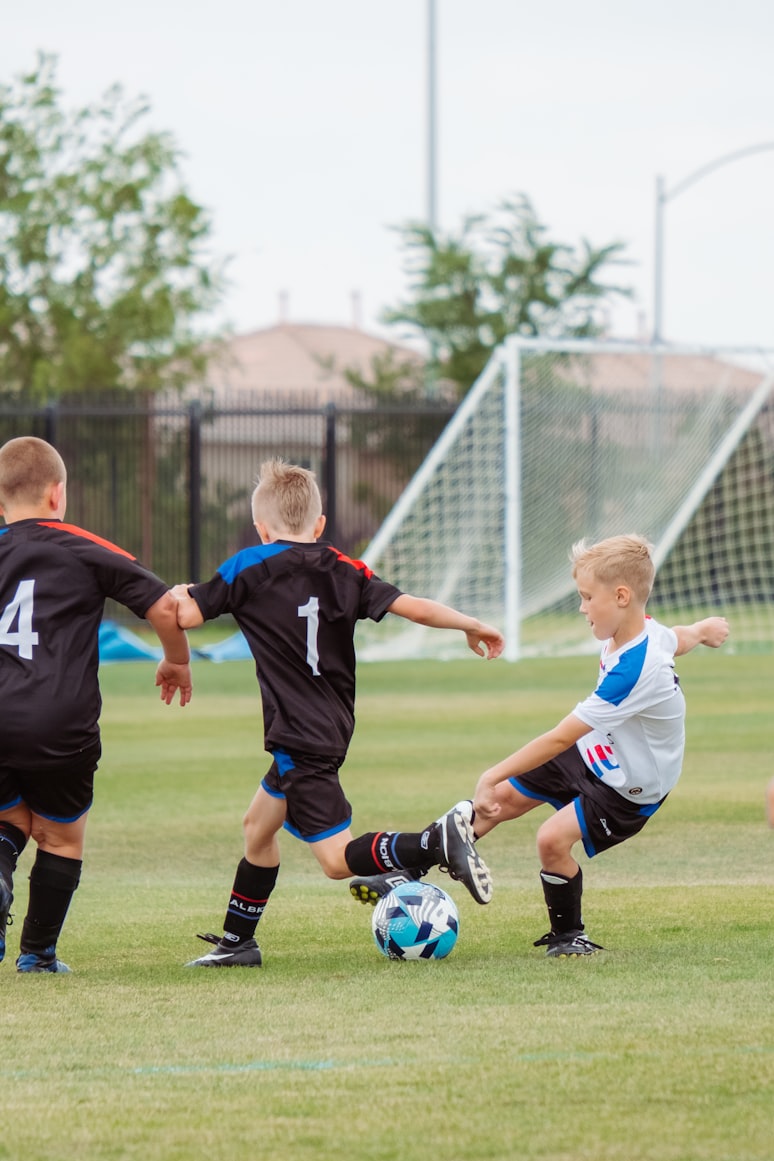
Action photography demands different considerations. Natural light works best - schedule outdoor sessions for morning or late afternoon when harsh shadows diminish. Photographers need space to move freely around training activities without disrupting sessions or compromising safety.
Video Content Audio Planning
Video content requires audio planning. Wind noise ruins outdoor interviews. Simple lapel microphones or directional recording devices dramatically improve usability for social media clips and sponsor presentations.
Props and Branding Materials
Prepare props and branding materials in advance. Club scarves, footballs, corner flags, and sponsor boards add visual interest whilst reinforcing identity. Ensure all branding appears current - outdated sponsor logos or old kit designs undermine professional presentation.
Creating Diverse Content That Serves Multiple Purposes
Strategic media days capture varied content types rather than focusing solely on traditional team photos. This diversity maximises return on coordination effort whilst building a comprehensive content library.
Formal Team Photographs
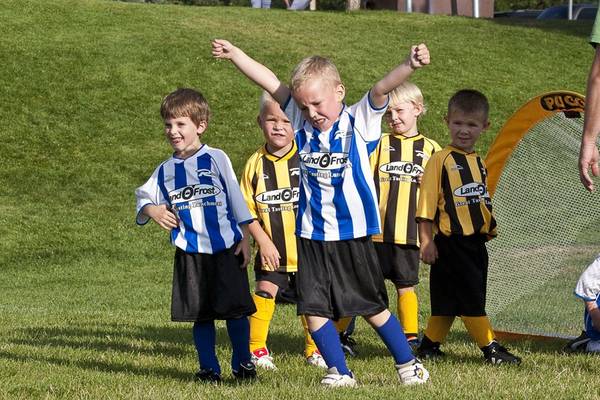
Formal team photographs remain essential for league registration, club records, and sponsor recognition. Arrange players in traditional rows with coaching staff, ensuring clear visibility of kit sponsors and club badges. Capture both serious and relaxed versions - the latter often becomes players' preferred image.
Individual Player Portraits
Individual player portraits serve numerous purposes throughout the season. Clubs use these for match day graphics, player development records, coaching analysis, and celebration posts marking birthdays or achievements. Consistent backdrop and lighting create professional uniformity across the squad.
Action and Training Content
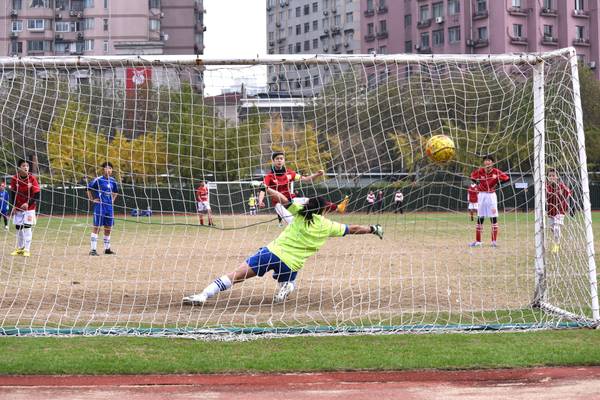
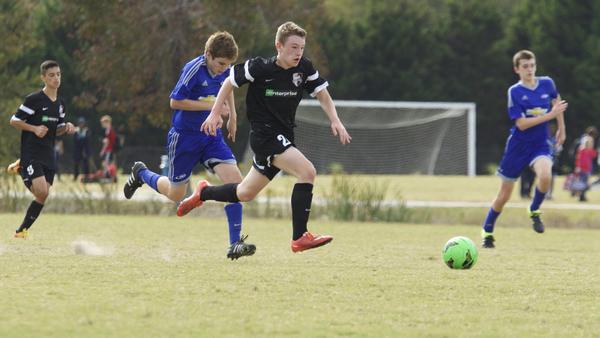
Action and training content bring authenticity that staged photos cannot replicate. Capture players demonstrating technical skills, coaches delivering instructions, goalkeepers making saves, and teammates celebrating together. These candid moments resonate strongly on social media and recruitment materials.
Behind-the-Scenes Footage
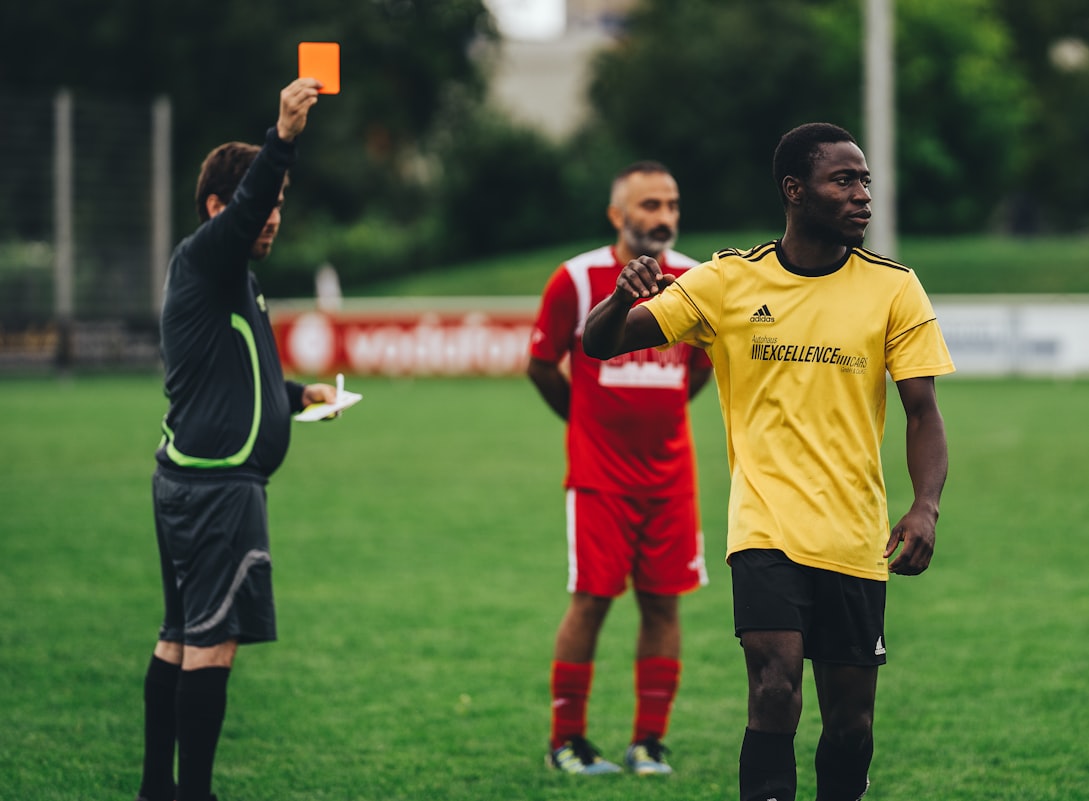
Behind-the-scenes footage humanises the club. Film kit preparation, pitch setup, coaching discussions, and volunteer contributions. This content acknowledges the community effort sustaining grassroots football whilst demonstrating organisational professionalism to prospective sponsors.
Interview Segments
Interview segments add personality and storytelling depth. Brief player interviews about their football journey, coach reflections on team development, or volunteer explanations of their club involvement create compelling content for websites and social channels.
Managing Player Participation and Parent Expectations
Clear communication prevents confusion and disappointment. Inform families about media day objectives, expected duration, and specific requirements at least three weeks in advance. Multiple reminder messages via football coaching apps ensure information reaches busy parents juggling multiple commitments.
Kit Requirements Specification
Specify kit requirements precisely. Should players wear a match kit or training gear? Clean boots or trainers? Shin pads required? Ambiguous instructions result in mismatched appearances that compromise team photo quality. Some clubs provide spare kit items to address inevitable omissions.
Safeguarding Considerations
Address safeguarding considerations proactively. Obtain explicit parental consent for photography and clarify how images will be used. Some families restrict their child's image on social media - respect these preferences whilst ensuring affected players still participate in team activities.
Player Preparation
Prepare players for the experience, particularly younger age groups. Explain that media days involve waiting periods, multiple takes, and following photographer's instructions. Frame the event positively - a celebration of their football journey rather than a tedious obligation.
Participation Incentives
Consider incentives that boost participation and enthusiasm. Simple refreshments, small club merchandise items, or certificates recognising media day attendance create positive associations. Some clubs combine media days with fun training sessions or social activities that reward attendance.
Maximising Content Quality Through Direction and Coaching
Amateur photographers often capture technically sound images that lack emotional impact. The difference lies in direction - helping subjects relax, interact naturally, and express genuine enthusiasm.
Team Photo Engagement
For team photos, engage players in light conversation before shooting. Ask about recent matches, upcoming fixtures, or football heroes. This interaction produces natural smiles rather than forced grins. Capture multiple frames - at least one will catch the moment when every player looks engaged.
Action Photography Structure
Action photography benefits from structured activities rather than aimless training. Plan specific drills that produce visually interesting moments - shooting practice generates dramatic saves and celebrations, while small-sided games create authentic competitive intensity. Brief photographers on timing to anticipate key moments.
Individual Portrait Rapport
Individual portraits require rapport between photographer and subject. Young players particularly need encouragement and clear direction. Simple prompts work effectively: "Show your game face," "Celebrate like you've just scored," or "Look determined like you're about to take a penalty."
Coach and Volunteer Photography
Coach and volunteer photography deserve equal attention. These individuals drive club success yet often appear only in background shots. Dedicate time to capture them demonstrating coaching techniques, organising equipment, or interacting with players. This content proves invaluable for volunteer recruitment and recognition initiatives.
Post-Production Workflow That Delivers Usable Assets
Raw media day footage requires organisation and editing before becoming useful content. Establish a clear workflow that transforms hundreds of images into accessible, categorised assets.
Content Sorting and Organisation
Sort content by team and type immediately after shooting. Create folders for each age group, then subdivide into team photos, individual portraits, action shots, and video content. This structure prevents the chaos of searching through unorganised files when preparing match-day graphics or sponsor presentations.
Basic Editing Enhancement
Basic editing enhances professional appearance without requiring advanced skills. Adjust brightness and contrast, crop for composition, and ensure consistent colour balance across images. Free software like GIMP or online platforms such as Canva handle these tasks effectively.
Multiple Version Creation
Create multiple versions of key images for different platforms. Team photos need wide formats for websites, square crops for Instagram, and vertical orientations for stories. Preparing these variations in advance streamlines social media management throughout the season.
Secure Storage Systems
Establish a secure, accessible storage system. Cloud platforms like Google Drive or Dropbox enable multiple volunteers to access content without relying on a single person's device. Organise folders logically and implement clear naming conventions that identify content at a glance.
Player Privacy Considerations
Consider player privacy throughout the editing process. Remove images where players appear unflattering or distressed. Exclude individuals whose parents declined photography consent. These considerations demonstrate respect for families whilst maintaining safeguarding standards.
Distributing Content Strategically Throughout the Season
Media day content delivers maximum value when released strategically rather than published immediately in a single overwhelming batch. Plan a distribution schedule that maintains a consistent social media presence and supports key club initiatives.
Release Timing Strategy
Release team photos promptly - families eagerly await these images, and immediate sharing capitalises on media day enthusiasm. Individual portraits follow over subsequent weeks, perhaps featuring one or two players daily with brief profiles highlighting their football journey or position.
Action Content Reservation
Reserve action content for match day posts, training updates, and celebration graphics throughout the season. This approach keeps social media feeds visually dynamic whilst demonstrating ongoing club activity to prospective families and sponsors.
Highlight Reels and Montages
Compile highlight reels and montages for specific purposes. Create recruitment videos showcasing training quality and team culture. Develop sponsor presentations demonstrating brand visibility and community engagement. Produce end-of-season compilations celebrating player development and memorable moments.
Behind-the-Scenes Content Usage
Share behind-the-scenes content during quieter periods - mid-week posts between fixtures or during school holidays when engagement often drops. This material humanises the club and acknowledges volunteer contributions that sustain grassroots football.
Family Access to Galleries
Provide families with access to full image galleries. Many parents treasure these photos beyond social media posts. Some clubs offer digital downloads free, whilst others generate modest fundraising revenue through print sales or professional photo packages.
Measuring Impact and Refining Future Media Days
Effective football media day events evolve through honest assessment and continuous improvement. Evaluate both tangible outcomes and qualitative feedback to refine future events.
Measurable Indicators
Track measurable indicators: social media engagement rates on media day content versus typical posts, website traffic following new image uploads, sponsor enquiries after updated promotional materials, and player registration numbers during recruitment periods featuring professional photography.
Volunteer Feedback
Gather volunteer feedback immediately after the event. Which aspects ran smoothly? Where did bottlenecks occur? What equipment or resources would improve future sessions? Volunteers closest to execution often identify practical improvements that coordinators miss.
Family Experience Surveys
Survey families about their experience. Did communication clearly explain expectations? Was scheduling convenient? Do parents feel the content appropriately represents their children? This feedback informs both media day planning and broader club communication strategies.
Content Gap Assessment
Assess content gaps revealed throughout the season. Perhaps certain playing positions rarely appear in action shots. Maybe coaching content proves insufficient for recruitment campaigns. Or video content lacks diversity for engaging social media stories. Document these observations to guide next year's photography priorities.
Benchmarking Quality
Compare content quality against clubs at similar levels. Study how other grassroots teams present themselves visually without copying directly. Identify achievable improvements in photography technique, editing standards, or creative presentation that elevate professional appearance.
Building Long-Term Visual Identity Through Consistent Media Days
Annual football media day events become increasingly valuable as clubs build visual archives documenting their evolution. Historical content demonstrates stability and progression - qualities that attract families seeking established, well-organised teams.
Consistent Photography Styles
Maintain consistent photography styles and formats across years. This continuity creates a recognisable visual identity whilst enabling meaningful comparisons. Clubs celebrate growth by showcasing how facilities, kit quality, or squad sizes have developed over time.
Systematic Archiving
Archive content systematically with clear dating and categorisation. Future volunteers inherit organised resources rather than chaotic folders of unlabelled images. This professionalism extends beyond immediate needs, supporting anniversary celebrations, alumni engagement, and club history preservation.
Expanding Scope Over Time
Consider expanding media day scope as resources and expertise grow. Clubs might progress from basic team photos to comprehensive content creation, including promotional videos, coaching demonstration footage, or documentary-style features exploring club culture and community impact.
Conclusion
Football media day events represent a significant coordination effort, but clubs consistently report returns exceeding initial investment. Professional visual content elevates every aspect of club presentation - from TeamStats profiles showcasing team identity to sponsor proposals demonstrating community reach.
The most successful media days balance professional standards with grassroots authenticity. Families connect with polished content that still captures the muddy boots, volunteer dedication, and genuine joy that define community football. When clubs organise these events thoughtfully, they create lasting assets that strengthen identity, attract support, and celebrate the people making grassroots football possible.
Clubs can streamline media day coordination using team management apps that centralise communication, track volunteer commitments, and distribute content efficiently - reducing administrative burden whilst improving event outcomes.
═══════════════════════════════════════════════════════════════