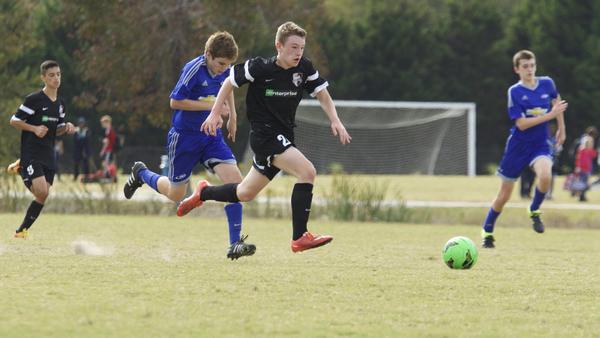

Team morale shapes everything in grassroots football - from training attendance to match-day performance. Yet most managers struggle to gauge how players genuinely feel about their experience. Relying on gut instinct or picking up signals from vocal parents misses the quiet players who might be disengaged or struggling.
Regular pulse checks through simple surveys provide concrete data about squad sentiment. These quick assessments reveal issues before they escalate - whether that's dissatisfaction with playing time, concerns about team culture, or frustration with communication. The challenge lies in designing surveys that players actually complete and that generate actionable insights rather than vague feedback.
Why Team Morale Football Matters More Than Tactics
Grassroots managers often obsess over formations and set-piece routines whilst overlooking the psychological foundation that determines whether those tactics actually work. A technically brilliant game plan falls apart when players lack confidence, feel undervalued, or don't trust their teammates.
Psychological Foundation and Research
Research from youth sport development programmes consistently shows that player retention correlates more strongly with enjoyment and social connection than with winning records. Teams with high team morale football cultures see 40-60% better attendance at training sessions compared to squads where players feel disengaged. That attendance gap compounds over a season - the motivated team accumulates significantly more development hours.
Long-Term Player Impact
The impact extends beyond individual seasons. Players who experience positive team environments in grassroots football are three times more likely to continue playing into adulthood. Conversely, negative experiences drive dropout rates that peak around ages 13-16, precisely when player development accelerates.
What Simple Surveys Actually Reveal
Effective surveys uncover specific pain points that informal conversations miss. Players rarely volunteer criticism directly to coaches, particularly younger athletes who lack confidence or fear consequences. Anonymous feedback mechanisms remove that barrier.
Five Key Insight Areas
The most valuable insights typically cluster around five areas:
Playing Time Perceptions - Players may understand rotation in principle but feel the distribution lacks fairness or transparency. Survey responses often reveal discrepancies between what managers think they've communicated and what players actually understand about selection decisions.
Training Quality - Repetitive drills that bore players or sessions that feel too easy or too difficult both damage engagement. Direct feedback identifies which activities players find valuable versus which they endure.
Social Dynamics - Cliques, exclusion, or bullying behaviours often operate below coach visibility. Survey questions about friendships within the squad and whether players feel welcomed expose cultural problems before they drive players away.
Communication Effectiveness - Parents and players frequently cite poor communication as their primary frustration. Surveys quantify whether messages about fixtures, training changes, or team expectations actually reach everyone consistently.
Development Progress - Players want to feel they're improving. Questions about whether individuals can identify their progress and understand what they need to work on reveal whether coaching feedback translates into player understanding.
Using a team management app streamlines survey distribution and response collection, ensuring feedback reaches managers quickly enough to act on emerging issues.
Designing Surveys Players Will Actually Complete
Survey design determines response rates and data quality. Lengthy questionnaires with complex rating scales frustrate grassroots players, particularly those under 14. The most effective surveys follow three principles:
Three Core Principles
Keep It Short - Five to eight questions maximum. Players complete brief surveys between activities or whilst travelling. Anything longer gets abandoned or rushed through without thought.
Use Simple Scales - Emoji-based responses (happy, neutral, sad faces) work better for younger age groups than numerical ratings. For older teenagers and adults, 1-5 scales with clear labels (Very Dissatisfied to Very Satisfied) provide sufficient granularity without overwhelming respondents.
Ask Specific Questions - "How do you feel about the team?" generates useless, vague responses. "Do you feel you get enough playing time?" or "Do you understand what you need to improve?" produce actionable data.
Timing Considerations
Timing matters significantly. Post-match surveys capture immediate emotional reactions that skew negative after defeats. Mid-week surveys during training weeks generate more balanced feedback. Monthly or quarterly frequency prevents survey fatigue whilst maintaining regular pulse checks on squad sentiment.
Essential Questions for Grassroots Teams
Effective surveys balance breadth (covering multiple aspects of player experience) with brevity (respecting limited attention spans). These seven questions form a robust foundation:
Seven Foundation Questions
1. How much are you enjoying playing for this team right now? (Scale: 1-5 or emoji faces) - This opening question establishes overall satisfaction as a baseline metric to track over time.
2. Do you feel you're improving as a player? (Yes/No/Unsure) - Development perception directly impacts motivation and persistence through difficult periods.
3. Do you understand what you need to work on to get better? (Yes/No/Unsure) - This reveals coaching communication effectiveness and whether feedback translates into player understanding.
4. Do you feel respected by your teammates? (Always/Usually/Sometimes/Rarely/Never) - Social dynamics make or break team culture. This question exposes exclusion or bullying patterns.
5. Are you happy with how much you're playing in matches? (Yes/No/Unsure) - Playing time remains the single biggest source of player and parent dissatisfaction. Regular data helps managers address concerns proactively.
6. Do you clearly understand team messages about fixtures, training times, and other important information? (Always/Usually/Sometimes/Rarely/Never) - Communication breakdowns cause unnecessary frustration. This question identifies whether information actually reaches players.
7. What's one thing that would make your experience with this team better? (Open text - optional) - Open-ended feedback occasionally surfaces issues that closed questions miss. Making this optional reduces completion barriers.
For teams using football coaching apps, survey distribution integrates directly with existing communication channels, increasing response rates through familiar platforms.
Interpreting Results Without Overreacting
Raw survey data requires thoughtful interpretation. A single negative response doesn't indicate systemic problems, but patterns across multiple players or consistent negative trends over time demand attention.
Analysis Approaches
Benchmark Against Historical Data - The first survey establishes a baseline. Subsequent surveys show whether morale improves, declines, or remains stable. A team averaging 4.2 out of 5 on enjoyment that drops to 3.1 over two months signals a problem requiring investigation.
Look for Outliers - If 18 players report feeling respected by teammates but two consistently mark "rarely" or "never," those individuals may be experiencing exclusion that requires intervention.
Cross-Reference Attendance Data - Declining survey scores that coincide with dropping training attendance confirm that dissatisfaction translates into disengagement. Players who remain positive despite poor team results demonstrate resilience worth acknowledging.
Segment by Playing Time - Players receiving more minutes typically report higher satisfaction. That's expected. The critical metric is whether those with less playing time still feel valued, understand why they're not playing more, and believe they have a path to increased involvement.
Act on Open Feedback Carefully - Open-text responses sometimes reveal specific grievances about individuals or situations. Address legitimate concerns but avoid knee-jerk policy changes based on single complaints.
Understanding team morale football from a player experience perspective clarifies why measuring sentiment matters as much as tactical preparation.
Turning Feedback Into Action
Surveys that don't generate visible changes waste everyone's time and breed cynicism. Players who provide honest feedback then see nothing improve quickly stop responding to future surveys.
Response Framework
Acknowledge Receipt - Within 48 hours of closing a survey, share a summary with the squad. "Thank you to everyone who completed this week's survey. Here's what you told us..." demonstrates that responses were read and valued.
Identify Top Priorities - Survey results typically reveal multiple improvement opportunities. Trying to address everything simultaneously dilutes effort. Focus on the one or two issues affecting the most players or causing the greatest dissatisfaction.
Communicate Specific Changes - Vague promises to "work on communication" mean nothing. Concrete actions like "We'll now send fixture confirmations 48 hours in advance instead of 24 hours" or "We're adding a 10-minute social activity to the start of each training session to help newer players feel more included" prove responsiveness.
Explain Constraints - Some feedback can't be addressed. Playing time dissatisfaction may reflect competitive squad depth rather than poor management. Explain why certain requests aren't feasible whilst showing how concerns within control will be addressed.
Follow Up - After implementing changes, ask targeted follow-up questions in the next survey: "We changed how we communicate fixture details. Has this improved clarity?" This closes the feedback loop and demonstrates continuous improvement.
For Sunday league teams balancing competitive ambitions with social team culture, regular morale checks prevent the win-at-all-costs mentality from eroding the enjoyment that keeps adult players engaged.
Age-Appropriate Survey Adaptations
Survey design must match cognitive and emotional development stages. What works for under-9s fails with under-16s, and adult teams require different approaches entirely.
Developmental Stages
Under-9 to Under-11 - Use three emoji faces (happy, neutral, sad) for all questions. Keep total questions to four or five maximum. Read questions aloud if literacy varies significantly. Focus exclusively on enjoyment and friendships rather than development or playing time, which younger players struggle to evaluate objectively.
Under-12 to Under-14 - Introduce simple 1-5 scales with clear labels. Expand to six or seven questions, including development perception and playing time satisfaction. This age group begins forming stronger opinions about fairness and can provide more nuanced feedback.
Under-15 to Under-18 - Use adult survey formats with 1-5 scales and optional open-text responses. This age group provides the most valuable qualitative feedback through open questions. They can articulate specific concerns and suggest solutions.
Adult Teams - Include questions about social aspects (post-match activities, team bonding) and administrative concerns (subscription payments, fixture scheduling). Adult players often have stronger opinions about team management and communication than youth players.
Teams working with players at different developmental stages benefit from understanding the best age to start football and how expectations shift as players mature.
Digital Tools That Simplify Survey Management
Manual survey distribution through WhatsApp or email creates an administrative burden and reduces response rates. Players ignore messages or forget to respond. Managers waste time chasing completions and manually compiling results.
Automation Benefits
Digital platforms automate distribution, send reminders to non-respondents, and aggregate results instantly. TeamStats integrates survey functionality directly into team communication tools that players already use regularly, removing friction from the feedback process.
Key features that improve survey effectiveness include:
Scheduled Distribution - Set surveys to automatically send at optimal times (mid-week, mid-season) without manual intervention.
Anonymous Responses - Players provide honest feedback when they know responses can't be traced back to them individually.
Instant Result Dashboards - Managers see response patterns in real-time rather than manually tallying paper surveys or spreadsheet responses.
Historical Tracking - Automated systems store previous survey results, making trend analysis effortless. Managers instantly compare current morale against previous months or seasons.
Segmented Analysis - Digital tools can break down responses by age group, playing time, or other variables without manual data manipulation.
Common Survey Mistakes That Waste Opportunities
Even well-intentioned survey programmes fail when managers make predictable errors:
Pitfalls to Avoid
Surveying Too Frequently - Weekly surveys create fatigue. Players stop responding or rush through questions without thought. Monthly or quarterly surveys maintain engagement whilst providing sufficient data points.
Asking Leading Questions - "Don't you think training has been great lately?" pressures players toward positive responses. Neutral phrasing ("How would you rate recent training sessions?") generates honest feedback.
Ignoring Negative Feedback - Managers sometimes dismiss criticism as complaining or focus only on positive responses. The most valuable insights often come from dissatisfaction that reveals fixable problems.
Making Surveys Too Long - Fifteen-question surveys with multiple open-text fields get abandoned. Respect limited attention spans by prioritising essential questions.
Failing to Close the Loop - Players who provide feedback then hear nothing quickly stop participating. Even when survey results don't trigger changes, acknowledging receipt and explaining decisions maintains trust.
Surveying Only After Problems Emerge - Reactive surveys during crises capture heightened emotions rather than baseline sentiment. Regular scheduled surveys establish patterns that make anomalies obvious.
Building a Sustainable Feedback Culture
One-off surveys provide snapshots. Sustained programmes build feedback cultures where continuous improvement becomes normal rather than exceptional.
Long-Term Implementation
Start with quarterly surveys during the first season to establish baseline data without overwhelming players. Once the process feels routine, monthly pulse checks during active seasons (September-May for most UK grassroots leagues) provide more granular tracking.
Share aggregated results transparently with the squad. "Here's what you told us, here's what we're changing, and here's why we can't address some concerns right now" builds trust that feedback matters.
Celebrate improvements. When follow-up surveys show rising satisfaction scores after implementing changes, acknowledge that player input drove those improvements. This reinforces the value of participation.
Extend surveys to parents for youth teams. Parent satisfaction with communication, organisation, and team culture often differs from player perspectives. Both matter for retention and positive team reputation within local grassroots football leagues.
Conclusion
Measuring team morale football through simple surveys transforms vague impressions into actionable data. Regular pulse checks reveal engagement patterns, cultural problems, and communication breakdowns before they drive players away or damage performance.
The most effective surveys balance brevity with breadth, asking five to eight specific questions that players complete in under two minutes. Emoji scales for younger players and 1-5 ratings for older age groups generate sufficient data without overwhelming respondents. Questions should cover enjoyment, development perception, social dynamics, playing time satisfaction, and communication effectiveness.
Raw data means nothing without interpretation and action. Benchmark results against historical trends, identify patterns affecting multiple players, and focus improvement efforts on the highest-impact issues. Most critically, communicate visible changes that demonstrate feedback drives real improvements.
Digital platforms eliminate the administrative burden of manual survey distribution and result compilation. Automated scheduling, anonymous responses, and instant dashboards make regular feedback collection sustainable for time-poor volunteer managers. For teams ready to implement systematic morale tracking alongside comprehensive team management, a team management app provides integrated tools that make continuous feedback sustainable.
Teams that establish consistent feedback rhythms build cultures where continuous improvement feels normal. Players learn their voices matter, managers gain concrete insights into squad sentiment, and small problems get addressed before becoming retention threats. In grassroots football, where player enjoyment determines whether young athletes continue playing, understanding and improving team morale football through systematic measurement createsa foundation for both development and long-term participation.
═══════════════════════════════════════════════════════════════