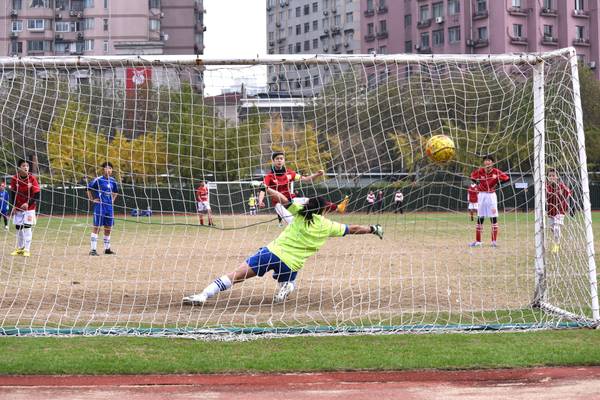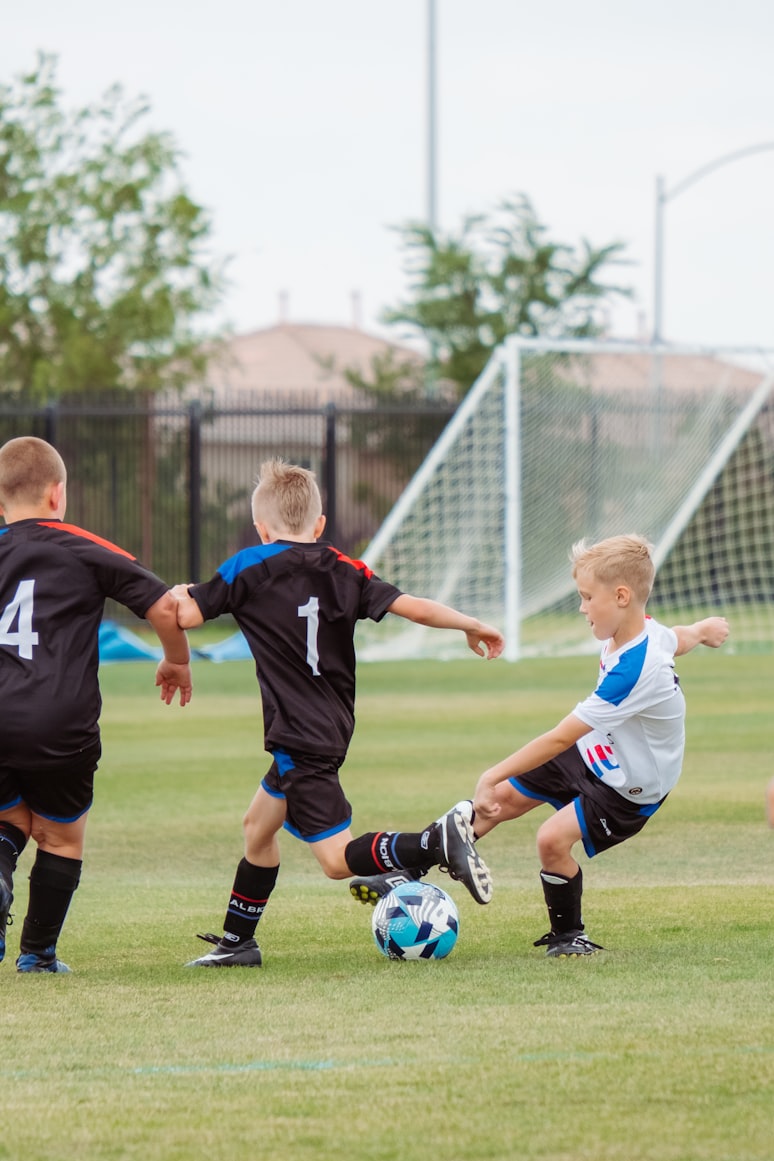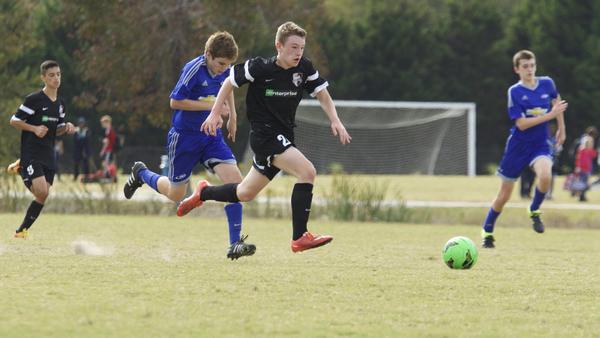

Set-pieces account for approximately 30-40% of goals in grassroots football, yet most amateur teams track little beyond whether corners and free-kicks resulted in goals. This binary success-failure approach misses crucial performance patterns that separate effective set-piece teams from those who squander dead-ball opportunities. Systematic measurement reveals which routines work, which players excel in specific roles, and where training focus delivers maximum improvement.
Football set-piece analysis extends beyond goal tallies to examine delivery quality, positioning effectiveness, and opponent disruption. Comprehensive tracking identifies whether your corners consistently reach dangerous areas, whether your players win first contact, and whether your routines create genuine scoring chances even when goals don't result. This granular approach transforms set-pieces from hopeful lottery into reliable goal-scoring sources.
Modern team management platforms make systematic tracking practical, even for volunteer coaches. Digital tools streamline data collection and analysis, revealing patterns that memory and intuition alone cannot detect. Effective football set-piece analysis becomes accessible regardless of coaching experience or technical background.
Why Set-Piece Analysis Matters in Grassroots Football
The Goal-Scoring Impact of Dead-Ball Situations
Statistical significance at youth levels often exceeds professional football percentages. Grassroots matches frequently feature lower technical quality in open play, making well-executed set-pieces disproportionately effective. Teams that convert even 10-15% of corners into goals gain a substantial competitive advantage over opponents who treat dead balls as mere possession restarts.
Set-pieces serve as equalisers for less technically dominant teams. A side that struggles to control possession in open play can still threaten through disciplined corner routines and practised free-kick moves. Physical development varies significantly in youth football - teams with height or strength advantages exploit set-pieces to compensate for technical limitations against more skilful opponents.
Measurable improvement opportunity distinguishes set-pieces from many football aspects. Open play goals depend on complex interactions between multiple players across extended sequences. Set-piece goals follow more predictable patterns amenable to systematic practice and incremental refinement. Teams tracking performance metrics demonstrate faster improvement than those relying solely on intuitive coaching adjustments.
Moving Beyond Simple Conversion Tracking
Success versus failure binary thinking ignores valuable performance information. A corner cleared by desperate defensive headers represents greater success than one easily collected by the goalkeeper, despite neither producing goals. Football formations influence set-piece effectiveness, but outcome-only tracking cannot reveal which tactical adjustments improve performance without changing conversion rates.
Process metrics versus outcome metrics distinguish controllable execution from luck-dependent results. Teams control delivery accuracy, player positioning, and routine execution - they cannot control fortunate deflections or exceptional goalkeeper saves. Measuring process quality enables targeted improvement even when short-term results disappoint through bad luck or opponent brilliance.
Building comprehensive evaluation frameworks requires identifying which metrics predict success. Corners reaching the six-yard box create danger regardless of immediate outcomes. Free-kicks forcing difficult saves demonstrate threat even without goals. Systematic football set-piece analysis reveals these leading indicators, enabling proactive improvement rather than reactive result-chasing.
Key Metrics for Set-Piece Evaluation
Conversion Rates and Scoring Efficiency
Goals per corner taken provide a baseline success measurement. Elite professional teams convert approximately 3-4% of corners into goals. Grassroots expectations vary by age group and competitive level, but tracking this ratio reveals whether your team maximises dead-ball opportunities or wastes valuable chances.
Free-kick success percentages differ dramatically between direct shots and worked routines. Direct free-kicks within shooting range might generate goals 5-8% of attempts at higher youth levels, whilst indirect free-kicks creating shots on goal might succeed 15-20% of occasions. Distinguishing between these categories prevents misleading aggregate statistics.
Throw-in retention in attacking third measures is often-overlooked set-piece effectiveness. Teams that consistently maintain possession from offensive throw-ins create sustained pressure, whilst those immediately conceding possession waste territorial advantages. Simple retention percentages highlight whether throw-in routines function effectively or require redesign.
Process Quality Indicators
Delivery accuracy to target zones matters more than conversion rates for diagnosing performance issues. A team converting 2% of corners but consistently delivering to dangerous areas simply needs improved finishing. Conversely, a team with identical conversion delivering poor corners likely succeeds through luck and won't sustain that rate. Target zone accuracy - percentage of corners reaching front post, penalty spot, or back post zones - reveals execution quality.
First-contact win percentage measures whether your players dominate aerial duels or opponents control defensive headers. Winning first contact doesn't guarantee goals but creates goal-scoring opportunities through rebounds, deflections, and defensive mistakes. Teams winning 60%+ first contacts from corners typically generate multiple chances per set-piece regardless of individual conversion success.
Opponent clearance difficulty assesses defensive disruption even without immediate chances. Clearances falling to your players in shooting positions indicate effective pressure. Desperate clearances requiring full stretching or last-ditch tackles demonstrate successful routine execution. These qualitative observations complement quantitative metrics, providing complete performance pictures.
Tracking Methods for Amateur Teams
Simple Manual Recording Systems
What to track during matches balances comprehensive data with practical collection limitations. Minimum viable tracking records: corner count, target zone reached (yes/no), first contact winner (us/them/neutral), and outcome (goal/shot/chance/cleared). This basic framework requires minimal match-side attention whilst capturing essential performance indicators.
Delegation to assistant coaches or parents enables head coaches to focus on tactical management. Designating specific observers with clear recording responsibilities ensures consistent data collection. Simple tally sheets or mobile apps allow real-time tracking without sophisticated equipment. Even basic notes like "Corner 1: back post, won header, shot saved" provide sufficient detail for post-match analysis.
Post-match data compilation transforms scattered observations into actionable insights. Entering match data into spreadsheets or football coaching apps within 24 hours while memory remains fresh ensures accuracy. Aggregate statistics across multiple matches reveal trends invisible in single-game analysis, distinguishing genuine patterns from random variation.
Analysing Corner Kick Effectiveness
Delivery Quality Assessment
Target zone accuracy separates effective corner takers from inconsistent deliverers. Dividing the penalty area into front post, penalty spot, and back post zones enables systematic delivery tracking. Players consistently hitting intended zones demonstrate technical proficiency; those scattering deliveries randomly require additional technical work or replacement in set-piece roles.
Height and pace variation prevent opponents from settling into comfortable defensive routines. Some corners should arrive rapidly at front posts for flick-ons, others float toward back posts for headed attempts, whilst occasional low drives create deflection opportunities. Tracking delivery type alongside outcomes reveals which variations your team executes most effectively.
In-swinging versus out-swinging success depends on personnel and opponent characteristics. In-swingers toward the goal force more difficult clearances but require brave attacking runs. Outswingers away from goal provide safer heading angles for attackers but allow goalkeepers a more comfortable collection. Data showing significantly higher success rates for one type justifies routine adjustments regardless of conventional preferences.
Movement and Positioning Success
Attacking run timing transforms static corners into dynamic goal threats. Players arriving in target zones as the ball does maximise heading power and wrong-foot defenders. Football set-piece analysis, revealing consistently late or early runs, identifies specific players requiring movement coaching or tactical instruction about trigger points.
Space creation effectiveness determines whether attackers receive deliveries in dangerous positions or opponents dominate marking. Effective routines use decoy runners, screening movements, or coordinated runs to create separation. Tracking whether your designated target player reaches intended positions unmarked reveals routine design quality independent of delivery accuracy or finishing execution.
Defensive marking disruption measures the opponent organisation breakdown. Even corners not generating direct shots can disorient defences, creating advantageous positioning for second balls or subsequent plays. Noting when opponents resort to zonal marking or adjust their setup in response to your routines indicates respect for your set-piece threat.
Evaluating Free-Kick Performance
Direct Free-Kicks
Shot accuracy and power determine direct free-kick threat levels. Tracking shots on target versus total attempts reveals technical consistency. Players hitting the target 60%+ from optimal distances (18-25 yards) demonstrate a genuine threat; those struggling to hit frames require additional technique work or should defer to teammates during matches.
Goalkeeper save difficulty distinguishes routine stops from spectacular interventions. Free-kicks forcing fingertip saves or full-stretch dives demonstrate quality execution despite not scoring. Recording save difficulty alongside shot outcomes provides a richer performance context than a simple goal/no-goal binary assessment.
Wall positioning impact affects both shot difficulty and success probability. Walls jumping prematurely or leaving gaps create exploitable weaknesses. Analysing whether your free-kick taker adapts to wall behaviour or consistently chooses predetermined approaches informs tactical coaching about situational awareness and decision-making.
Indirect Free-Kicks and Build-Up Play
First-pass completion rates determine whether the free-kicks maintain possession or immediately surrender the ball. Complex routines fail if initial passes go astray. Simple tracking reveals whether your team executes planned plays successfully or should simplify approaches to match current technical capabilities.
Chance creation from worked routines justifies elaborate set-piece designs. If indirect free-kicks consistently generate shooting opportunities, investment in detailed routine practice pays dividends. If worked moves rarely create chances, defaulting to simpler delivery-and-attack approaches might better utilise limited training time.
Defensive organisation disruption sometimes provides free-kick value even without immediate chances. Routines forcing opponents into uncomfortable positions or creating numerical advantages in dangerous areas achieve tactical success. This qualitative assessment complements quantitative chance creation metrics in evaluating free-kick effectiveness.
Throw-In Success Measurement
Retention Rates by Pitch Location
Defensive third security requires near-perfect throw-in retention to prevent counterattacks. Teams should maintain possession from 95%+ of defensive throw-ins - anything less indicates technical deficiencies or poor decision-making requiring immediate attention.
The middle third progression measures whether throw-ins advance territorial control or stagnate in safe but unproductive recycling. Effective teams move the ball forward from 60%+ of middle third throw-ins, either through direct forward throws or quick combinations following possession restarts.
Attacking third exploitation transforms throw-ins into goal-scoring opportunities. Long throw specialists or clever near-post routines create chances similar to corners. Tracking goal-scoring opportunities generated per attacking throw-in reveals whether your team maximises these underutilised set-pieces or treats them as simple possession restarts.
Long Throw Effectiveness
Target area accuracy matters particularly for long throws, where delivery consistency determines routine viability. Throwers consistently reaching the six-yard box or penalty spot enable planned attacking moves. Inconsistent range forces abandoning prepared routines in favour of improvised responses.
Second-ball win percentage measures whether your team exploits long throws effectively even without direct headers. Winning second balls in central positions creates dangerous shooting opportunities. Teams dominating second-ball contests justify long throw emphasis; those consistently losing these duels should reconsider tactical approaches.
Goal-scoring opportunity creation validates long throw investment. If long throws generate chances comparable to corners, dedicating training time to developing this skill makes strategic sense. If long throws rarely threaten, focusing instead on technical quality in shorter throws might better serve development goals.
Using Data to Improve Set-Piece Routines
Identifying Pattern Strengths and Weaknesses
Which routines deliver results becomes empirically clear through systematic tracking. A specific corner routine generating shots on 40% of attempts deserves frequent use. Another routine rarely creating chances despite seeming clever on training grounds should be abandoned or substantially revised.
Personnel effectiveness in different roles emerges from position-specific tracking. One player might win 70% of front-post duels but only 40% at back-post positions. Another excels at screening runs, creating space, but lacks heading power for direct attempts. Data-driven role assignment optimises set-piece effectiveness by matching player strengths to specific tactical requirements.
Opposition analysis insights help predict which routines work against specific opponent types. Shorter teams struggle defending back-post deliveries. Zonal marking systems are vulnerable to near-post flicks. Tracking which opponent characteristics correlate with set-piece success informs pre-match preparation and in-game tactical adjustments for upcoming fixtures.
Age-Appropriate Set-Piece Analysis
Youth Development Considerations
Simplifying metrics for younger age groups prevents overwhelming players with excessive detail. Under-10 teams benefit from tracking basic success (did we keep the ball?) rather than complex multi-factor analysis. Under-14 teams engage with intermediate metrics like first-contact percentages. Under-16 teams handle comprehensive analysis approaching senior standards.
Balancing competition with skill development requires remembering that winning matters but development matters more in youth football. A technically weak player learning to take corners poorly initially deserves opportunities despite better short-term options existing. Grassroots football priorities differ from professional contexts where immediate results override long-term player development.
Physical capability constraints affect realistic expectations at different ages. Younger players lack the strength for optimal corner delivery or the height for aerial dominance. Analysis must account for developmental limitations rather than comparing youth performance to adult standards. Age-appropriate benchmarks enable meaningful evaluation without demoralising players for natural physical immaturities.
Building Complexity Over Time
Foundation metrics for beginners focus on basic execution. Can players consistently throw the ball to teammates? Do corners reach the penalty area? These fundamental questions precede sophisticated analysis about target zone accuracy or first-contact percentages.
Advanced analysis for older youth teams includes detailed tracking across multiple performance dimensions. Under-16 squads benefit from comprehensive football set-piece analysis examining delivery patterns, movement timing, opponent responses, and outcome probabilities across season-long datasets.
Preparing for senior football standards means progressively introducing professional-level expectations. By the under-18 level, players should understand set-piece analysis comparable to adult amateur football. This gradual sophistication builds analytical literacy alongside technical skills, producing tactically aware players ready for senior competition.
Conclusion
Systematic measurement transforms set-pieces from hopeful punts into reliable goal-scoring sources. Football set-piece analysis, revealing delivery patterns, positioning effectiveness, and opponent disruption, enables targeted improvement through evidence-based training focus. Teams measuring performance comprehensively outperform those relying on intuition and outcome-only assessment.
For grassroots clubs, accessible technology eliminates traditional barriers to sophisticated analysis. Simple tracking methods capture essential data without requiring professional resources. The key lies in consistent measurement and willingness to adjust routines based on empirical evidence rather than preconceived preferences.
TeamStats streamlines set-piece tracking through intuitive interfaces designed specifically for grassroots football. Ready to transform your dead-ball effectiveness? Explore our team management app to access analysis tools that turn set-pieces into competitive advantages.
═══════════════════════════════════════════════════════════════