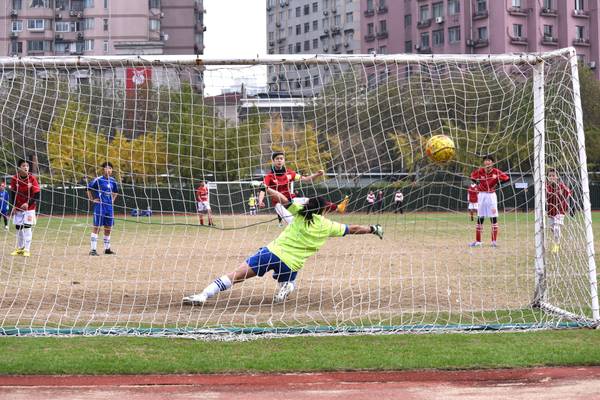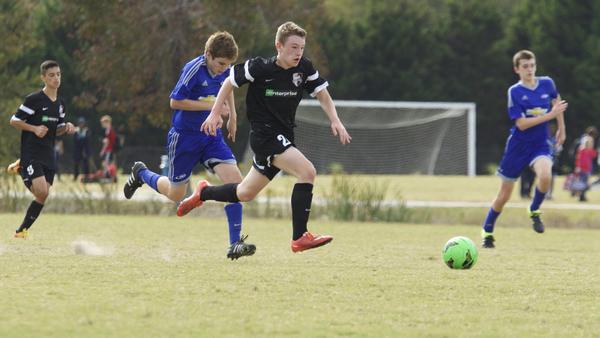

Grassroots football clubs face a unique challenge when managing illness across multiple teams sharing facilities, equipment, and coaching staff. With young players training in close proximity and parents gathering at match-day events, effective football health management becomes essential for protecting player welfare whilst maintaining training schedules and competitive fixtures.
This guide explores practical strategies for managing illness across club teams, from establishing clear health protocols to leveraging digital tools for better communication and coordination.
Understanding Illness Transmission in Football Environments
Football clubs create ideal conditions for illness transmission. Changing rooms bring dozens of children into confined spaces, training sessions involve close physical contact, and shared equipment passes through many hands each week. Understanding these vulnerabilities helps clubs implement targeted prevention measures.
Why Football Clubs Are Vulnerable
Youth football environments combine several factors that facilitate illness spread. Indoor changing facilities often have limited ventilation, whilst players share water bottles, training bibs, and other equipment. The physical nature of football means close contact is unavoidable during tackles, set pieces, and celebrations.
Grassroots football clubs typically operate multiple age groups training on the same evenings, with siblings attending different sessions and families moving between pitches. This cross-pollination between teams means an illness affecting one squad can quickly spread across the entire club.
Weather conditions compound these challenges. Winter training sessions see players moving from cold outdoor pitches into warm changing rooms, creating temperature fluctuations that stress immune systems. Rain-soaked kits and muddy boots create additional hygiene challenges.
Common Illnesses in Youth Football
Respiratory infections dominate illness patterns in grassroots football, particularly during autumn and winter months. Colds, flu, and other viral infections spread rapidly through teams, often sidelining multiple players simultaneously. These illnesses typically require 5-7 days of recovery before players can safely return to training.
Gastrointestinal bugs present another significant challenge. Vomiting and diarrhoea spread quickly in close-contact environments, and affected players should remain away from training for at least 48 hours after symptoms cease. These illnesses can devastate squad availability if not managed promptly.
Skin infections, including impetigo and fungal conditions, spread through shared towels, clothing, and equipment. These conditions require medical treatment and careful hygiene protocols to prevent club-wide outbreaks.
Establishing Club-Wide Health Protocols
Effective football health management requires clear, documented policies that all managers, coaches, parents, and players understand. These protocols should balance player welfare with the practical realities of running youth football teams.
Creating Your Illness Management Policy
Start by defining when players should stay away from training and matches. The policy should specify symptoms that require absence, including fever, persistent cough, vomiting, diarrhoea, or any condition requiring antibiotics. Clear guidelines remove ambiguity and help parents make appropriate decisions.
Communication protocols form the second pillar of your policy. Establish how parents should report player illness, whether through team management apps, direct contact with coaches, or designated club administrators. Specify required information, including symptoms, onset date, and expected return timeline.
Documentation requirements protect both the club and individual teams. Maintain confidential records of illness absences, patterns across teams, and any outbreaks requiring intervention. This data helps identify systemic issues and demonstrates duty of care.
TeamStats provides centralised platforms for managing these health protocols across multiple teams, ensuring consistent application of club policies whilst respecting player privacy.
Setting Return-to-Play Standards
Return-to-play standards protect recovering players whilst safeguarding teammates. The policy should specify minimum symptom-free periods for different illness types. Respiratory infections typically require 24-48 hours without symptoms before returning to training, whilst gastrointestinal illnesses need 48 hours post-symptom clearance.
Some conditions require medical clearance before return. Infectious illnesses, concussions, or injuries requiring hospital treatment should need written confirmation from healthcare professionals. This protects clubs from liability whilst ensuring player safety.
Graduated return protocols help players regain fitness safely. After illness-related absences exceeding one week, consider modified training loads for initial sessions. This prevents reinjury and helps coaches assess whether players have fully recovered.
Communication Strategies for Health Management
Clear communication forms the foundation of effective illness management across club teams. Parents, players, coaches, and club administrators all need timely, accurate information to make informed decisions.
Informing Parents and Players
Distribute your health management policy during pre-season registration. Include it in welcome packs, display it in changing facilities, and post it on club websites. Regular reinforcement ensures families understand expectations before illness situations arise.
Real-time illness notifications help protect all club members. When multiple players in one team fall ill with similar symptoms, notify other squad families promptly. This allows parents to monitor their children for symptoms and helps contain potential outbreaks.
Privacy considerations matter enormously. Never identify specific players when communicating about illness. Use general terms like "several players" or "members of the U12 squad" to respect confidentiality whilst providing necessary information.
Coordinating Across Multiple Teams
Managers need communication channels for coordinating health-related decisions. When one team experiences an outbreak, other age groups sharing facilities should be informed. This might affect training schedules, facility cleaning protocols, or equipment sharing arrangements.
A team management app streamlines this coordination by providing secure messaging channels between coaches, centralised absence tracking, and squad availability visibility across all club teams.
Facility booking adjustments become necessary during illness outbreaks. If one team experiences high absence rates, consider rescheduling sessions to allow deep cleaning or moving training outdoors to reduce transmission risk. Clear communication ensures all affected parties understand these changes.
Practical Prevention Measures
Prevention strategies reduce illness frequency and severity across club teams. These measures require initial investment but deliver long-term benefits for player welfare and squad availability.
Facility Hygiene Standards
Establish cleaning schedules for all shared facilities. Changing rooms should be cleaned after each training session, with particular attention to door handles, benches, and bathroom facilities. Display cleaning logs prominently to demonstrate commitment to hygiene.
Equipment sanitisation protocols prevent cross-contamination between teams. Training bibs, balls, and cones should be cleaned regularly, ideally after each use. Assign equipment to specific age groups where possible, reducing the number of players handling each item.
Ventilation improvements make significant differences in indoor facilities. Open windows between sessions, install extraction fans in changing rooms, and encourage outdoor changing where weather permits. Better airflow reduces airborne pathogen concentration.
Education and Awareness
Teaching proper hygiene to young players builds lifelong healthy habits. Simple practices like handwashing after training, not sharing water bottles, and coughing into elbows significantly reduce transmission. Make hygiene education part of regular training sessions, especially for younger age groups.
Parent education resources extend prevention beyond training sessions. Share information about nutrition, sleep, and stress management - factors affecting immune function. Understanding these connections helps families support player health holistically.
Coach training on illness recognition enables early intervention. Coaches should recognise symptoms requiring immediate action, understand when to send players home, and know how to communicate concerns sensitively with parents. This training protects both players and coaches from difficult situations.
Using Technology for Health Tracking
Digital tools transform football health management from reactive problem-solving to proactive coordination. Modern platforms provide visibility and communication capabilities impossible with traditional methods.
Digital Health Management Tools
Attendance tracking systems reveal illness patterns invisible in paper-based records. When multiple players miss consecutive sessions, digital systems flag potential outbreaks automatically. This early warning enables preventive action before illness spreads throughout teams.
Health status reporting features allow parents to provide timely updates through mobile apps. Rather than relying on phone calls or text messages, clubs can implement standardised reporting forms that capture necessary information whilst maintaining confidentiality.
Squad availability monitoring helps managers plan around illness-related absences. When several players report illness, coaches can adjust training plans, modify tactical approaches for upcoming matches, or arrange additional players from other age groups.
TeamStats Platform Benefits
The TeamStats platform consolidates these capabilities into a comprehensive solution for grassroots football clubs. Centralised communication ensures health updates reach all relevant parties immediately, whilst absence tracking provides oversight across multiple teams operating within one club.
Manager coordination tools enable quick decision-making during illness situations. When one team's training session needs cancellation, other managers can be notified instantly, facility bookings adjusted, and parents informed through a single communication channel.
Understanding best football formations becomes crucial when illness forces tactical adjustments. Digital tools help coaches plan alternative approaches when key players are unavailable.
Managing Outbreaks and Multiple Cases
Despite best prevention efforts, illness outbreaks occasionally affect grassroots football clubs. Swift, coordinated responses minimise impact on player welfare and club operations.
Identifying Outbreak Patterns
Tracking illness across teams reveals outbreak patterns requiring intervention. When three or more players in one squad report similar symptoms within 48 hours, consider it a potential outbreak. Digital tracking systems identify these patterns automatically, enabling faster response than manual methods.
Recognising when intervention is needed requires judgment and experience. Minor illness affecting individual players needs different responses than club-wide outbreaks threatening multiple teams. Consider severity, transmission risk, and squad impact when deciding intervention levels.
Coordinating with local health authorities becomes necessary for serious outbreaks. Public Health England provides guidance for managing infectious diseases in sports settings. Early contact ensures clubs receive expert advice and appropriate support.
Emergency Response Protocols
Session cancellation criteria should be predetermined and clearly communicated. If more than 30% of a squad reports illness, consider cancelling training to prevent further transmission. This difficult decision protects player welfare whilst demonstrating responsible club management.
Deep cleaning procedures follow significant outbreaks. Professional cleaning services should sanitise all affected facilities, including changing rooms, toilets, and equipment storage areas. Document these procedures for safeguarding records and parent communication.
Parent communication templates ensure consistent messaging during emergencies. Prepare template messages for different scenarios - individual team outbreaks, club-wide issues, or facility closures. Clear, calm communication reduces anxiety whilst providing necessary information.
Balancing Welfare and Competition
Football health management requires balancing player welfare with competitive commitments. Fixtures, league positions, and tournament schedules create pressure to field teams despite illness-related absences.
Making Difficult Decisions
Player welfare must always supersede competitive considerations. Fielding unwell players risks their health, exposes teammates to infection, and violates duty of care responsibilities. These decisions become easier with clear policies established before difficult situations arise.
Communicating with league officials when illness affects fixture fulfilment demonstrates professionalism. Most grassroots leagues understand health-related postponement requests, especially during peak illness seasons. Early communication and honest explanation facilitate rescheduling.
Understanding 9-a-side tactics helps teams adapt when illness reduces squad size. Tactical flexibility becomes an asset when health situations force team composition changes.
Supporting Affected Families
Families dealing with childhood illness need support, not judgment. Clubs should foster environments where parents feel comfortable reporting player illness without fearing criticism. This cultural approach improves compliance with health protocols.
Financial considerations affect some families' decisions about match attendance when children are recovering from illness. Clubs charging match fees should consider flexible policies for illness-related absences, removing financial pressure unwell children to play.
Mental health aspects deserve attention alongside physical illness. An extended absence from football activities can affect young players' well-being. Maintain contact with absent players, provide updates on team activities, and ensure smooth reintegration when they return.
Learning from Grassroots Football Communities
Youth football across the UK provides valuable lessons in illness management. Clubs serving diverse communities face varied challenges, from limited facility resources to communication barriers with non-English speaking families.
Sunday league football and grassroots leagues have developed practical approaches to health management through necessity. Sharing these experiences across the football community helps all clubs improve their practices.
The Echo Junior Football League demonstrates effective health communication during challenging seasons. Their experience highlights the importance of league-level coordination when illness affects multiple clubs simultaneously.
Building Resilient, Health-Conscious Clubs
Long-term success in grassroots football requires building resilient clubs that prioritise player welfare whilst maintaining competitive standards. Effective football health management forms part of this broader commitment to young people's development.
Integrating Health into Club Culture
Health consciousness should permeate all club activities, from registration processes to end-of-season presentations. Celebrating good hygiene practices, recognising families who follow health protocols, and incorporating wellness education into training programmes normalise health management.
Coach development should include health management components. Understanding child development, recognising illness symptoms, and communicating sensitively with families form essential coaching competencies alongside tactical knowledge.
Facility improvements demonstrate tangible commitment to health standards. Investing in changing room ventilation, providing hand sanitiser stations, and maintaining high cleanliness standards show families that player welfare matters.
Measuring Success
Success in football health management can be measured through multiple metrics. Reduced illness-related absences, fewer outbreak situations, and improved squad availability indicate effective protocols. Player retention rates also reflect family confidence in club health standards.
Parent satisfaction surveys provide valuable feedback on health management approaches. Anonymous feedback helps clubs identify improvement areas whilst demonstrating responsiveness to family concerns.
Benchmarking against other clubs in your league or region reveals relative performance and improvement opportunities. Regional FA resources often provide guidance on health management best practices.
Conclusion
Managing illness across club teams represents one of grassroots football's most challenging responsibilities, requiring systematic approaches, clear communication, and unwavering commitment to player welfare. Effective football health management protects young players whilst maintaining the training consistency and squad availability that enables sporting development.
Digital tools transform these challenges into manageable processes, providing visibility across multiple teams and enabling coordinated responses to illness situations. Clubs implementing comprehensive health protocols demonstrate professionalism that builds family confidence and supports long-term player development.
The grassroots football community continues adapting to new health challenges, learning from experience, and sharing best practices. By prioritising player welfare through systematic health management, clubs create safer environments where young people can pursue their football aspirations without unnecessary health risks.
Register your team with TeamStats to access integrated health management tools that streamline communication, track absences, and coordinate responses across all your club teams.
═══════════════════════════════════════════════════════════════