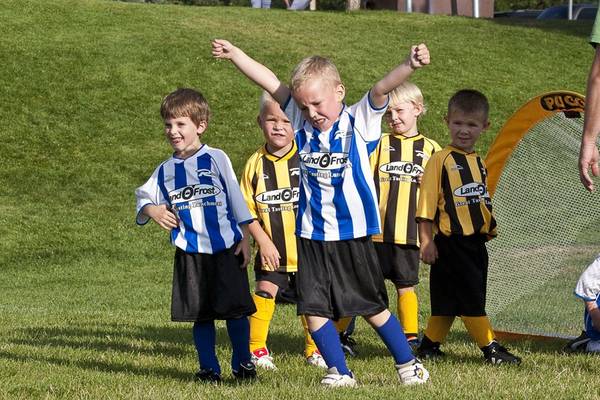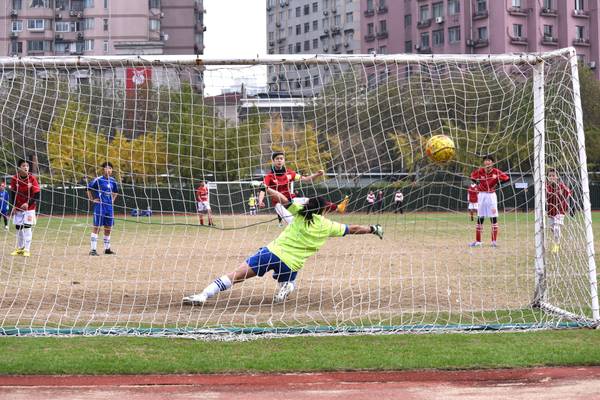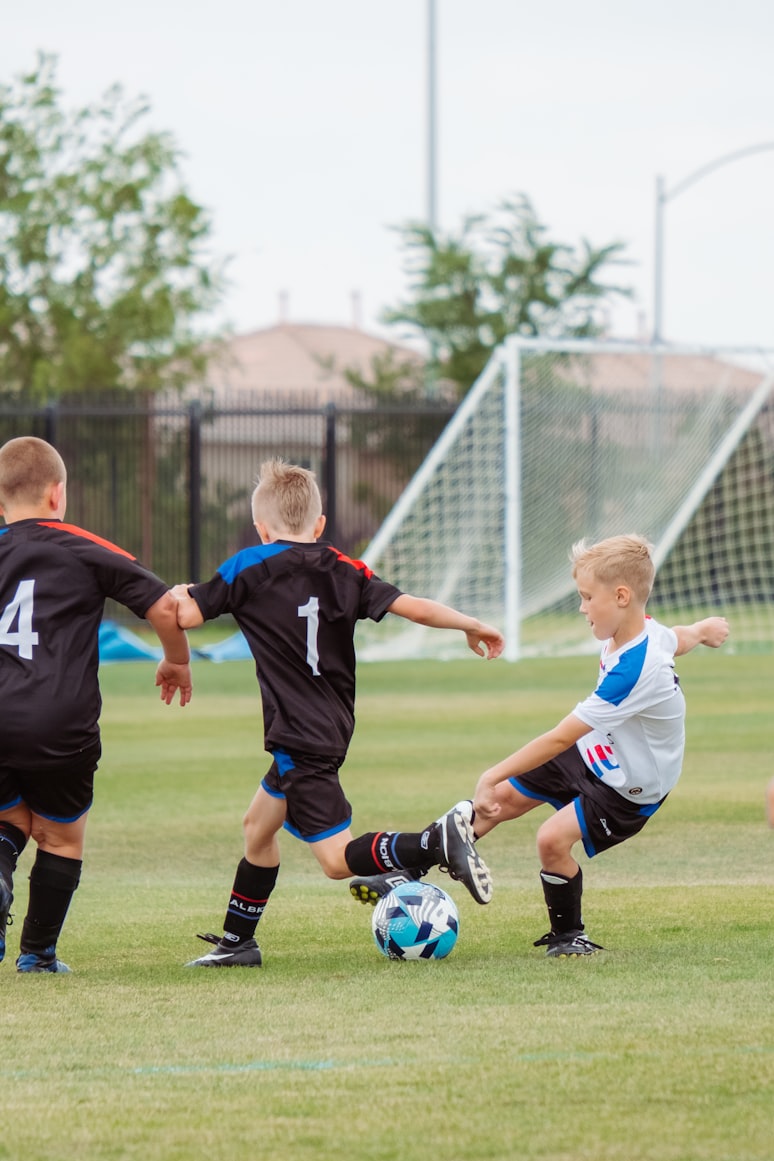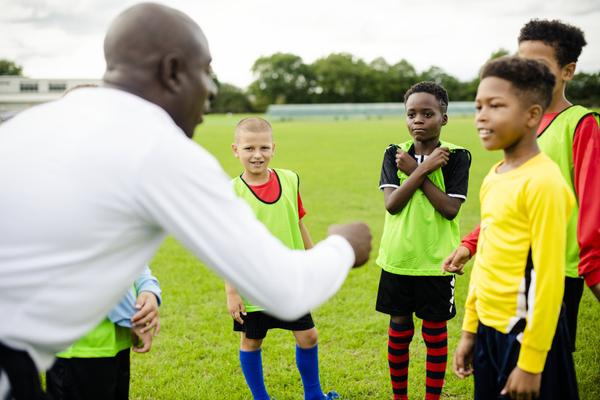

Every grassroots football coach faces the same challenge: how to make training sessions engaging enough that young players arrive eagerly, whilst structured enough that they actually develop skills. Too much focus on discipline and repetition creates bored, disengaged players who dread training. Too much emphasis on fun games without clear objectives produces excitement but limited improvement. The solution lies in fun football training that strategically combines enjoyment with purposeful development.
This guide explores practical strategies for designing training sessions that captivate young players' attention whilst systematically building the technical, tactical, and physical capabilities they need to succeed.
The Psychology Behind Fun and Learning
Why Fun Matters in Youth Football Development
Children learn most effectively when genuinely engaged and enjoying themselves. Neuroscience confirms that positive emotional states enhance memory formation and skill acquisition. When young players find training enjoyable, they pay closer attention, try harder, and retain more information than when bored or anxious.
Enjoyment directly impacts attendance and punctuality. Players who love training arrive early, rarely miss sessions, and maintain enthusiasm throughout the season. This consistency proves essential for development - irregular attendance prevents systematic skill building regardless of coaching quality.
Long-term retention depends heavily on early experiences. Children who associate football training with fun, friendship, and achievement continue playing for years. Those who find training tedious or stressful often quit despite possessing talent, representing lost potential for both players and clubs.
The Danger of Fun-Only Training
However, unstructured fun without a developmental focus ultimately fails players. Sessions consisting entirely of small-sided matches or random games feel enjoyable initially but produce frustration when players struggle during competitive fixtures because they haven't developed the necessary skills.
Young players want to improve and succeed in matches. When training doesn't systematically build the capabilities required for match performance, they recognise the disconnect. A player who enjoys chaotic kickabouts at training but can't control passes during matches soon loses confidence and enjoyment in both contexts.
Critical developmental windows exist for different football skills. Missing these periods due to unfocused training creates gaps that are difficult to fill later. Youth football development requires deliberate progression through skill stages, not just enjoyable activity.
Finding the Balance
The solution combines structured learning objectives with engaging delivery methods. Every drill should have clear technical or tactical aims whilst being delivered through formats that maintain player interest and enthusiasm. This approach - often called "guided discovery" - allows players to learn through enjoyable problem-solving rather than repetitive instruction.
Age-appropriate expectations matter enormously. What constitutes "focused training" for under-8s differs dramatically from under-14s. Younger children need shorter activities, more variety, and simpler objectives embedded in imaginative games. Older players can sustain longer drills and appreciate how specific practice relates to match performance.
The balance shifts across seasons too. Pre-season might emphasise fitness development through competitive challenges, mid-season focuses on tactical refinement, and late season incorporates more match preparation. Adapting the fun-to-focus ratio based on timing and objectives keeps training relevant and engaging.
Principles of Effective Fun Training
Game-Based Learning
The most effective fun football training uses game-based learning where players develop skills through realistic football situations rather than isolated drills. Instead of lining up for passing practice, players learn passing through possession games where good passing earns points and poor passing loses possession.
Small-sided games with specific objectives teach multiple skills simultaneously whilst maintaining engagement. A 5v5 game where teams score by completing five consecutive passes develops passing accuracy, receiving skills, movement off the ball, pressing coordination, and defensive positioning - all within an enjoyable competitive context.
Opposed practice (against defenders) proves more valuable than unopposed repetition for most skills. Players develop decision-making capabilities and learn to execute techniques under pressure, directly transferring to match situations. The competitive element inherent in opposed practice naturally increases engagement and intensity.
Variety and Novelty
Repetition builds muscle memory, but variety maintains attention. Rotate drill types across sessions - one week emphasises dribbling challenges, next week focuses on passing combinations, following week develops shooting techniques. This variation keeps training fresh whilst ensuring comprehensive skill development over time.
Introduce novel elements regularly. Using different equipment, setting up unfamiliar pitch configurations, or incorporating unexpected challenges maintains interest. Even small changes - switching from standard cones to agility poles, or using different coloured bibs - create perceived novelty that re-engages attention.
Seasonal themes add fun without compromising objectives. Christmas-themed relay races that develop ball control, Halloween shooting challenges with creative targets, or summer tournaments testing various skills all maintain technical focus whilst providing entertaining contexts that players remember fondly.
Competition and Challenge
Healthy competition dramatically increases training intensity and engagement. Adding scoring systems, timing challenges, or winner-stays-on formats transforms standard drills into compelling activities that players invest effort into winning. This competitive motivation drives the practice repetitions necessary for skill development.
Personal best tracking allows players to compete against themselves rather than just teammates. Recording fastest completion times, most consecutive successful attempts, or skill level achievements creates individual motivation that works regardless of ability relative to peers. Using football coaching apps makes tracking progress straightforward and visible.
Team challenges build unity whilst maintaining competitive energy. Activities where squads work cooperatively toward shared goals - "Can we collectively complete 100 accurate passes in 10 minutes?" - combine fun, competition, and purposeful practice effectively.
Age-Specific Approaches to Fun Training
Under 8s: Play-Focused Development
Young children need fun football training heavily weighted toward play and exploration. Sessions should consist primarily of games incorporating footballs rather than structured technical drills. Activities last 5-10 minutes maximum before changing to maintain short attention spans.
Ball mastery develops through imaginative games - "protect your treasure" where players dribble whilst trying to touch others' balls, "traffic lights" combining colour recognition with dribbling variations, or "sharks and fishes" teaching changes of direction. These activities embed technical skill development within contexts that feel like play.
Minimise standing and waiting. Young children lose focus quickly when inactive. Ensure maximum touches per player through activities where everyone has a ball or squad divisions, allowing constant participation. Queue-based drills, where children wait for turns, prove particularly ineffective for this age group.
9-12 Years: Technical Skill Through Engagement
This age group can sustain longer activities and appreciate explicit skill development goals. However, engagement still requires game-based approaches rather than purely technical repetition. Explaining how specific skills apply in matches motivates practice.
Skill challenges with clear progression work brilliantly. Can players complete 10 consecutive juggles? Now, can they do it using only their weak foot? What about combining juggles with specific tricks? This progressive challenge structure provides clear objectives whilst maintaining autonomy and achievement satisfaction.
Small-sided tactical games develop understanding of football formations and positional play through experience rather than just instruction. A 7v7 game with specific rules - "teams score double points for goals following five+ pass sequences" - teaches possession principles more effectively than lectures about passing.
13+ Years: Competitive Fun With Purpose
Older players understand the purpose of training and can sustain focused technical work longer. However, they still require engaging formats, avoiding monotonous repetition. They appreciate understanding how training directly improves match performance.
Tactical complexity becomes accessible and engaging. Older players enjoy problem-solving challenging scenarios - how to break down deep defences, transition effectively from defence to attack, or maintain shape under sustained pressure. Frame these as competitive challenges between groups experimenting with different solutions.
Position-specific challenges allow players to develop specialised skills whilst maintaining engagement. Defenders compete in defensive midfielder positioning challenges, strikers practice finishing from various angles, and midfielders work on distribution accuracy - all within competitive scoring systems.
Match-realistic pressure situations prepare players for competitive fixtures whilst providing exciting training contexts. Penalty shootouts, defending numerical disadvantages, protecting leads in the final minutes, or scoring quickly when behind all create engaging scenarios that embed tactical learning.
Drill Design That Combines Fun and Focus
Starting With the Objective
Effective session planning begins with clear technical or tactical objectives - what specifically should players improve during this session? Once objectives are identified, design activities that teach those skills through engaging formats rather than repetitive isolated practice.
For example, if the objective is "improving first touch when receiving under pressure," don't line players up for stationary control practice. Instead, create a possession game where the receiving player must control the ball within two seconds whilst being pressed by a defender, scoring points for successful controls.
Embed learning in enjoyment by making the skill practice inherent to succeeding at fun activities. When players must execute specific techniques correctly to win games they care about, they practice those techniques intensely whilst enjoying the competitive context.
Adding Competitive Elements
Transform any drill into a compelling activity by adding scoring systems. Even basic passing patterns become engaging when teams earn points for consecutive successful completions or lose points for errors. This simple addition dramatically increases focus and intensity.
Timed challenges create urgency and excitement. "How many goals can your team score in five minutes?" or "Beat the previous group's record for successful passes" introduces competitive pressure that simulates match intensity whilst maintaining practice focus.
Winner-stays-on formats keep competition dynamic. The team currently "on" must defend their position whilst challengers try to dethrone them. This format maintains high engagement as everyone remains invested in outcomes, creates natural rotation between intense activity and brief recovery, and builds competitive resilience.
Creating Progression Within Activities
The best training activities allow internal difficulty progression without completely changing the drill. Start with basic versions allowing success, then gradually add complexity as players demonstrate competence. This maintains engagement through appropriate challenge whilst avoiding frustration from excessive difficulty.
For instance, a possession game might begin as 5v3, favouring attackers, progress to 5v4 as defending improves, then 5v5 once players grasp concepts. Adding conditions - "must use weak foot" or "maximum two touches" - provides further progression within the same basic activity structure.
Success criteria that challenge without overwhelming maintain optimal engagement. Activities should succeed approximately 70% of the time - frequent enough for satisfaction and confidence, difficult enough for genuine challenge and improvement. Adjust difficulty by modifying space, numbers, time limits, or conditions based on observed player capability.
Managing Energy and Maintaining Standards
Setting Clear Expectations
Fun football training requires boundaries. Establishing non-negotiable standards around safety, respect for equipment, and listening when coaches speak allows freedom within structure. Players understand they can enjoy themselves fully whilst following essential rules.
Communicate expectations explicitly at season start and reinforce consistently. "We'll have great fun at training, but when the whistle blows, everyone stops and listens" creates a clear framework. Consistent enforcement prevents testing boundaries and maintains a productive training environment.
Balance freedom and structure by being clear when discipline matters and when players have autonomy. Technical drills might require specific execution standards, whilst creativity games explicitly encourage experimentation and risk-taking. Understanding these different contexts helps players self-regulate appropriately.
Transitioning Between Activities
Minimise downtime between activities to maintain momentum and focus. Plan equipment setups in advance, use assistant coaches or older players to prepare the next drill whilst the current one concludes, and have clear signals (whistle patterns, visual cues) indicating transitions.
Clear organisation prevents chaos during changes. Specific instructions - "Reds collect cones, Blues return balls to the bag, everyone back to the centre circle within one minute" - provide structure whilst keeping players productively active during transitions.
Momentum matters significantly for engagement. Sessions that flow smoothly from one engaging activity to the next maintain high energy and focus. Those with frequent stops, unclear transitions, or disorganised setup changes lose player attention and waste valuable training time.
Dealing With Over-Excitement
Recognise when energy becomes counterproductive. Excitement that manifests as laughter, celebration, and intense effort benefits training. Excitement that becomes unfocused shouting, roughness, or disengagement from activities requires intervention.
Calming techniques include brief water breaks, allowing physical reset, transitional activities like technical skill challenges requiring concentration, or simply gathering players for quiet instruction, resetting energy levels. The key is recognising early when excitement shifts from productive to disruptive.
Sometimes high-energy sessions need intensity dialling back, whilst other times low-energy groups need excitement injected. Reading player mood and adjusting session intensity accordingly - shortening planned drills if attention wanes, or extending popular activities when engagement peaks - demonstrates responsive coaching that maximises training effectiveness.
Using Technology and Innovation
Training Apps and Digital Tools
Modern platforms streamline session planning significantly. Libraries of drills categorised by objective, age group, and skill level help coaches quickly design varied, purposeful sessions. Using team management apps that integrate session planning with attendance tracking and player development records creates comprehensive coaching support.
Digital tools allow tracking player progress across sessions. Recording technical test scores, fitness benchmarks, or skill achievement levels provides objective evidence of improvement that motivates players. Making this progress visible demonstrates that fun training produces tangible development.
Video analysis powerfully engages players. Recording match footage or even training activities, then reviewing specific moments with players, helps them see their own performance objectively. Young players enjoy seeing themselves on screen and take coaching points more seriously when illustrated through their own footage.
Creative Equipment Use
Non-traditional equipment refreshes familiar activities. Using agility ladders for footwork, resistance bands for strength development, or small-sided goal targets for shooting accuracy creates novelty whilst serving clear technical purposes. These tools often cost little but significantly impact engagement.
Budget-friendly alternatives demonstrate creativity matters more than expensive equipment. Plastic bottles replace purchased markers, rope creates boundary lines, household items become obstacle course components. This resourcefulness often produces more engaging activities than standard commercial equipment used predictably.
Make standard drills feel fresh through minor modifications. Switching from using feet to using heads only, changing field shapes from rectangles to circles, or reversing typical activity structures creates perceived novelty, maintaining engagement without requiring entirely new drill designs.
Measuring Success Beyond Smiles
Development Indicators
Player smiles indicate enjoyable training, but don't guarantee developmental effectiveness. Measure success through observable skill acquisition - are players demonstrably improving technical abilities, tactical understanding, and physical capabilities across the season?
Technical progression should be visible. Players at the season start struggling with basic passing should show significantly improved accuracy, weight, and timing by the season's end. Those initially avoiding weak feet should use both feet confidently. Document this progression through regular assessment rather than relying on impressions.
Tactical understanding growth manifests in match performance. Players demonstrate learning when they spontaneously apply training concepts during matches - recognising when to press, maintaining positional discipline, or exploiting space effectively. These applications prove that training translates beyond just being an enjoyable activity.
Engagement Metrics
Attendance and punctuality provide quantifiable engagement indicators. When training is genuinely engaging and developmentally valuable, players arrive consistently and on time. Declining attendance or persistent lateness suggests sessions aren't meeting player needs for fun, development, or both.
Effort and attitude during sessions reveal engagement depth. Players investing maximum effort, encouraging teammates, and showing disappointment when training ends demonstrate genuine engagement. Those needing constant prompting or watching the clock suggest training isn't sufficiently compelling.
Player feedback and requests provide valuable insights. When players ask, "Can we do that drill again next week?" or request specific activities from previous sessions, they're indicating what resonates. Listen to these preferences whilst maintaining developmental priorities.
Conclusion
Fun football training isn't about sacrificing development for entertainment or imposing rigid discipline that eliminates enjoyment. The most effective grassroots coaches master blending these elements, creating sessions where players develop systematically whilst genuinely loving their training experience.
The strategies outlined in this guide - game-based learning, age-appropriate variety, competitive challenge, progressive drill design, and thoughtful energy management - provide practical frameworks for achieving this balance. Implementation requires planning, creativity, and willingness to adjust based on player response, but the investment produces remarkable returns in both player development and retention.
Start small by adding competitive elements to existing drills, incorporating more game-based activities, or simply introducing novelty through minor modifications. Observe player engagement carefully and adjust approaches based on what generates both genuine enjoyment and visible improvement. Over time, this responsive approach develops a coaching instinct for balancing fun and focus effectively.
For coaches seeking additional support in planning engaging, developmentally sound training sessions, TeamStats offers comprehensive session planning resources, progress tracking tools, and communication features that streamline the administrative aspects of coaching whilst allowing focus on what matters most - developing young players who love football.
═══════════════════════════════════════════════════════════════