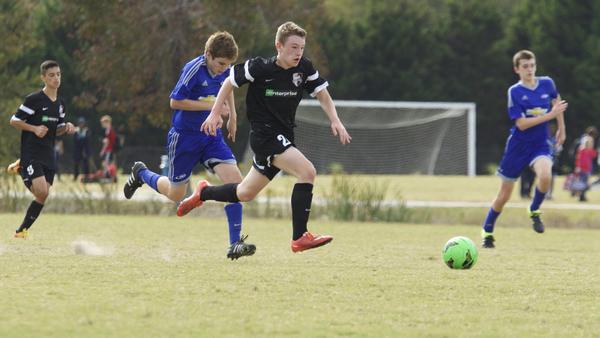

Matchday in grassroots football can feel overwhelming. Between managing substitutions, tracking player minutes, communicating with parents, and actually coaching the match, managers often struggle to keep everything organised. TeamStats offers a solution through its live match dashboards - a digital tool that centralises real-time match information and transforms how grassroots teams experience matchday management.
Live match dashboards provide coaches, parents, and supporters with instant access to scores, statistics, and key match events as they happen. Rather than relying on scattered notes or memory, these digital platforms create a single source of truth that everyone can access simultaneously. The result is less matchday stress, better decision-making, and improved communication across the entire team community.
This guide explores how to maximise the value of live match dashboards, from initial setup through post-match analysis, ensuring grassroots football teams get the most from this powerful technology.
Understanding Live Match Dashboard Features
Before diving into best practices, it's worth understanding what live match dashboards actually offer. Modern team management apps include sophisticated real-time tracking capabilities designed specifically for grassroots football needs.
Real-Time Score Updates and Match Events
The foundation of any live match dashboard is its ability to track scores and key events as they happen. Coaches or designated team helpers can log goals, cards, and substitutions with just a few taps. Parents watching from the sideline - or following remotely - see these updates instantly on their devices.
This immediate information flow prevents the common scenario of parents repeatedly asking the score or who scored. Instead, they check their phones discreetly, stay informed, and allow coaches to focus on managing the match itself.
Player Statistics and Performance Tracking
Beyond basic scoring, live match dashboards track detailed player statistics throughout the match. Substitution times, minutes played, and individual contributions all get recorded automatically. This data proves invaluable for ensuring fair playing time across the squad and identifying patterns in player performance.
Youth football regulations often mandate minimum playing time requirements. Live dashboards make compliance straightforward by showing exactly how many minutes each player has accumulated, preventing accidental omissions and ensuring every child gets their deserved pitch time.
Team Formation and Tactical Visualisation
Visual representations of team formations help everyone understand tactical setups at a glance. Starting lineups display clearly, showing player positions and jersey numbers. When coaches make tactical changes during matches, these adjustments reflect immediately on the dashboard.
For developing football formations in youth teams, this visualisation helps players understand their roles and parents appreciate the tactical thinking behind position choices.
Benefits for Coaches During Matches
Live match dashboards aren't just about information display - they fundamentally change how coaches manage grassroots football matches.
Enhanced Decision-Making Capabilities
Access to real-time data supports better coaching decisions. When considering substitutions, coaches can quickly review who has played least, which players excel in specific positions, and how the current formation is performing. This data-driven approach replaces guesswork with informed choices.
Player rotation becomes more equitable when coaches see exact playing time figures. Rather than relying on rough estimates, they ensure everyone gets fair opportunities while maintaining competitive balance throughout the match.
Streamlined Communication
Communication challenges multiply during matches. Coaches need to convey information to assistant coaches, parents, and sometimes absent supporters. Live match dashboards solve this by broadcasting updates automatically to everyone with access.
Parents following away fixtures no longer need constant text updates from attending supporters. They simply check the dashboard for scores, substitutions, and key events. This reduces interruptions for those at the venue and keeps remote supporters fully engaged with the match.
Benefits for Parents and Supporters
While coaches gain operational advantages, parents and supporters enjoy significantly improved matchday experiences through live match dashboards.
Remote Match Following
Life doesn't always permit attendance at every fixture. Work commitments, multiple children playing simultaneously, or long travel distances can prevent parents from being present. Live dashboards bridge this gap beautifully.
Parents can follow their child's match from anywhere with internet access. They see when their child enters the game, celebrate goals immediately, and stay connected to the team experience despite physical absence. This proves particularly valuable for away matches in distant leagues or when families have children playing for different teams at the same time.
Reducing Matchday Stress
Matchday stress affects parents as much as players and coaches. Concerns about fair playing time, confusion about substitution patterns, and uncertainty about match progress all contribute to parental anxiety. Live match dashboards address these concerns through transparency.
When parents see clear substitution records and playing time statistics, worries about unfair treatment diminish. The objective data prevents misunderstandings and demonstrates that rotation follows deliberate, equitable patterns rather than favouritism or oversight.
Setting Up Live Match Dashboards Effectively
Maximising dashboard benefits requires proper setup and operational practices. These practical steps ensure smooth matchday experiences.
Pre-Match Preparation
Success begins before kick-off. Coaches should prepare team sheets in advance, selecting the starting lineup and listing available substitutes. This preparation prevents rushed decisions and errors during the crucial minutes before matches begin.
Assign specific responsibilities for dashboard management. While coaches might update major events themselves, designated team helpers can handle routine substitution logging and time tracking. Clear role assignments prevent confusion and ensure consistent data entry throughout matches.
Testing access beforehand prevents matchday technical difficulties. Ensure all relevant parents and staff can view the dashboard on their devices before arriving at the pitch. This simple check avoids frustrating troubleshooting during matches.
During Match Operation
Efficient dashboard operation during matches requires streamlined processes. Coaches should log only essential information in real-time - goals, cards, and substitutions. More detailed notes can wait until half-time or after the final whistle.
Quick substitution recording prevents delays. When making a change, coaches simply tap the outgoing and incoming players. The system automatically calculates playing time and updates the formation display. This efficiency ensures the focus remains on the match rather than device screens.
Recording accuracy matters more than exhaustive detail. Capturing major events correctly serves teams better than attempting comprehensive statistics that introduce errors or distract from coaching responsibilities.
Practical Tips for Maximum Value
Moving beyond basic usage, these advanced practices help teams extract maximum value from live match dashboards.
Delegate Responsibilities Appropriately
Coaches shouldn't manage dashboards alone during matches. Designating a team manager, assistant coach, or reliable parent volunteer to handle updates frees the head coach to focus entirely on tactical decisions and player development.
Training these helpers takes minimal time. A brief pre-season session explaining basic dashboard operations ensures confident matchday operation. Having backup personnel trained prevents problems when the primary dashboard manager is unavailable.
For smaller-sided formats like 7-a-side football, simplified dashboards with fewer positions make delegation even easier. Team helpers can manage updates efficiently without overwhelming complexity.
Post-Match Data Utilisation
Live match dashboards generate valuable data that extends well beyond the final whistle. Coaches should review accumulated statistics after matches to identify performance patterns and development opportunities.
Playing time analysis over multiple fixtures reveals whether rotation achieves true equity. If certain players consistently receive less time, adjustments can address this before patterns become problematic. This proactive approach maintains squad harmony and player satisfaction.
Performance trends help shape training priorities. If matches consistently show defensive vulnerabilities in specific areas, training sessions can target these weaknesses. Data-driven training design produces more focused improvement than generic practice plans.
Common Challenges and Solutions
Even well-implemented systems face occasional challenges. Understanding common issues and their solutions ensures consistent dashboard success.
Technical Connectivity Issues
Poor mobile signal at remote pitches occasionally prevents real-time updates. Modern platforms address this through offline functionality that stores data locally before synchronising when connectivity returns. Coaches can continue logging events without interruption, with updates appearing for supporters once connection resumes.
Mobile data consumption concerns some users. Dashboard applications typically use minimal data - far less than streaming video or social media. A season's worth of match updates consumes less data than watching a single short video online.
Having backup recording methods provides peace of mind. Simple paper lineups capture essential information if technical failures occur. These manual records can be entered into the dashboard after matches, preserving season statistics without depending entirely on matchday technology.
Balancing Focus Between Dashboard and Match
Concerns about technology distraction are valid. Coaches must watch the match, not their phones. This balance comes through proper delegation and selective recording practices.
Recording only essential events during matches prevents over-attention to devices. Goals, substitutions, and disciplinary actions warrant immediate logging. More granular statistics like shot accuracy or passing completion can wait for post-match entry if detailed analysis is desired.
Keeping the dashboard visible but not central maintains appropriate focus. Coaches glance at devices briefly when logging events, then return full attention to the match. This mirrors checking a watch or consulting paper notes - brief, purposeful, and non-disruptive to coaching responsibilities.
Integrating Dashboards with Broader Team Management
Live match dashboards deliver greatest value when integrated with comprehensive team management systems rather than used in isolation.
Connecting Match Data to Training Plans
Match statistics inform targeted training development. If live dashboards reveal consistent challenges with maintaining shape in 9-a-side formations, subsequent training sessions can address positional discipline through specific drills.
Individual player development benefits from accumulated match data. Tracking minutes played in various positions helps coaches provide diverse experiences that support well-rounded development. This holistic approach produces versatile players rather than those locked into single roles.
Enhancing Communication Beyond Matchday
Dashboard data supports richer team communication throughout the week. Coaches can reference specific match events in training explanations, helping players understand tactical concepts through recent examples rather than abstract theory.
Parents appreciate receiving post-match summaries that draw from dashboard statistics. Brief highlights noting their child's contributions, playing time, and team performance maintain engagement between matches and strengthen the team community.
Supporting League and Tournament Administration
For teams participating in organised leagues, accurate match reporting is essential. Live dashboards streamline this administrative burden by maintaining authoritative records that can be submitted directly to league administrators without manual transcription.
Tournament scenarios particularly benefit from dashboard efficiency. Managing multiple matches in quick succession becomes manageable when systems automatically track cumulative playing time, ensuring fair rotation across condensed fixture schedules.
Building Long-Term Dashboard Success
Sustainable implementation requires more than initial enthusiasm. Building long-term success with live match dashboards demands consistent practices and gradual expansion.
Starting Simple and Expanding Gradually
New users should begin with basic features rather than attempting comprehensive implementation immediately. Start by tracking scores and substitutions. Once comfortable with these fundamentals, gradually add more detailed statistics and features.
This incremental approach prevents overwhelming coaches and helpers. Mastery of simple operations builds confidence before advancing to sophisticated analytics. Teams that rush into complex usage often abandon systems entirely due to initial frustration.
Maintaining Consistent Usage
Consistency matters more than perfection. Using dashboards for every match, even when facing technical challenges or time pressure, establishes habits that make the system second nature. Sporadic usage prevents teams from experiencing cumulative benefits that emerge from sustained data collection.
Season-long usage reveals patterns invisible in individual matches. Player development trajectories, tactical effectiveness trends, and squad rotation equity only become apparent through consistent tracking across multiple fixtures.
Reviewing and Refining Processes
Regular process reviews ensure dashboard usage evolves with team needs. Mid-season check-ins with coaches, helpers, and parents identify what works well and what needs adjustment. This feedback loop creates continuous improvement in how teams use live match technology.
Different age groups and competition levels require different dashboard approaches. Under-8 teams need simpler tracking than under-16 sides. Competitive league matches warrant more detailed recording than friendly fixtures. Tailoring dashboard usage to specific contexts maximises relevance and value.
Conclusion
Live match dashboards represent a significant advancement in grassroots football management, transforming chaotic matchday experiences into organised, data-informed operations. By providing real-time information to coaches, parents, and supporters simultaneously, these tools reduce stress, improve communication, and support better decision-making throughout the match.
Success with live match dashboards comes from understanding their features, implementing proper setup procedures, delegating responsibilities appropriately, and maintaining consistent usage over time. Teams that embrace these practices discover that technology enhances rather than distracts from the essential work of developing young players and building strong football communities.
Ready to experience the benefits of live match dashboards? Explore TeamStats features designed specifically for grassroots football teams. Start with basic score tracking and substitution management, then expand your usage as confidence grows. The investment in setup time pays dividends through smoother matchdays and richer insights into team development throughout the season.
═══════════════════════════════════════════════════════════════