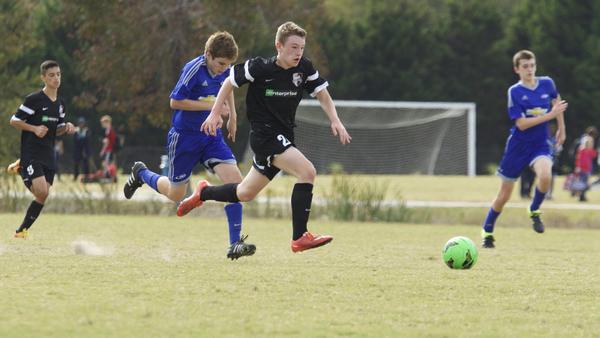

Grassroots football seasons stretch across months, testing the concentration and commitment of young players who must balance training, matches, schoolwork, and social lives. Initial enthusiasm often fades as weeks progress, injuries accumulate, and the novelty of a new season disappears. Maintaining football player focus throughout these extended campaigns requires deliberate strategies from coaches who recognise that sustained engagement doesn't happen automatically but must be actively cultivated through varied approaches and consistent support.
Understanding the Focus Challenge in Youth Football
Long competitive seasons present unique psychological demands rarely encountered in other aspects of young people's lives.
Why Long Seasons Test Concentration
Football seasons spanning six to nine months far exceed the attention spans and commitment durations most young people experience elsewhere. School terms provide natural breaks; hobbies often involve sporadic participation. Continuous football involvement requires sustained dedication that challenges even motivated players.
Physical fatigue accumulates progressively. Early-season freshness gradually yields to tired legs, minor injuries, and reduced enthusiasm for additional training sessions. Players who bound enthusiastically to September training arrive reluctantly by February, particularly when the weather deteriorates and darker evenings make outdoor sessions less appealing.
Competing priorities intensify as seasons progress. School examinations, family commitments, and social opportunities all demand attention. Players must repeatedly choose football over alternatives, and maintaining this prioritisation requires either exceptional intrinsic motivation or external support structures reinforcing commitment.
Repetitive routines breed boredom. Training at identical venues using similar drills week after week dulls enthusiasm regardless of how well-designed individual sessions might be. The predictability that provides structure also risks creating monotony, undermining engagement.
The Impact of Lost Focus
Performance deterioration represents the most visible consequence when football player focus wanes. Skills execution becomes careless, tactical discipline disappears, and effort levels drop noticeably. Teams that dominated early fixtures struggle against previously weaker opposition as concentration lapses create preventable errors.
Injury risks increase significantly when focus diminishes. Distracted players fail to warm up properly, neglect conditioning work, and lose concentration during matches when dangerous challenges occur. These injuries further deplete squad resources whilst sidelining individual development during crucial growth periods.
Team morale suffers contagiously. One disengaged player affects teammates' attitudes; several create negative environments where commitment seems optional rather than expected. Coaches spend increasing time managing behaviour rather than developing football skills, diminishing session quality for everyone.
Setting the Foundation: Pre-Season Preparation
Maintaining focus across long seasons begins before competitive fixtures commence.
Creating Clear Season Goals
Individual objectives give players personal targets, sustaining motivation beyond team results. Perhaps a defender aims for improved passing accuracy, whilst an attacker targets specific goal tallies. These personalised ambitions provide ongoing purpose even during difficult team periods. Using a team management app helps players track individual progress systematically, maintaining visibility of gradual improvements that might otherwise go unnoticed.
Team targets extend beyond league positions. Clean sheet targets for defenders, possession statistics, or fair play records provide additional success measures. When results disappoint, these alternative achievements maintain pride and purpose.
Milestone celebrations break seasons into manageable phases. Recognising halfway points, marking fixture anniversaries, or celebrating participation milestones creates regular opportunities for positive reinforcement. These moments acknowledge progress and refresh commitment for remaining fixtures.
Building Mental Resilience Early
Pre-season represents ideal opportunities for developing psychological strength that sustains focus later. Discussions about handling setbacks, managing pressure, and maintaining commitment during difficult periods prepare players mentally for inevitable challenges ahead.
Expectation management prevents later disappointment. Honest conversations about likely difficulties - losing streaks, selection disappointments, injury setbacks - normalise these experiences rather than presenting them as failures demanding demoralisation. Players understand that challenges represent normal season components cope better when difficulties arise.
Variation and Challenge Throughout the Season
Repetition builds skills but risks boring players; balance requires strategic variety, maintaining engagement without sacrificing development.
Changing Training Content
Regularly introducing new drills prevents staleness. Even minor variations - different passing patterns, modified small-sided rules, or altered competition formats - provide novelty sustaining attention. Coaches need not abandon effective exercises entirely but should rotate content, ensuring players encounter fresh challenges regularly.
Tactical focuses can shift periodically. Perhaps early season emphasises attacking play, mid-season concentrates on defensive solidity, and late season perfects set-piece execution. These evolving priorities maintain interest whilst developing comprehensive capabilities. Adapting football formations throughout campaigns provides natural opportunities for tactical variety, requiring renewed focus and learning.
Position rotation expands player understanding whilst maintaining engagement. Attackers experiencing defensive responsibilities gain appreciation for teammates' challenges; defenders trying forward roles understand attacking demands better. These rotations develop versatility whilst providing novelty that refreshes focus.
Guest coaches or specialist sessions inject new perspectives. Perhaps inviting club alumni, arranging futsal sessions, or scheduling goalkeeper-specific training provides variety whilst developing specific competencies. These special sessions become anticipated highlights, breaking routine monotony.
Competition and Benchmarks
Internal competitions create ongoing engagement independent of league results. Skills challenges testing technical abilities, fitness benchmarks measuring physical development, or tactical knowledge quizzes assessing football understanding all provide alternative achievement opportunities. Winners might receive recognition during team meetings, maintaining motivation through regular competitive opportunities.
Personal best tracking encourages individual improvement focus. When players monitor their own sprint times, passing accuracy, or endurance measures, they maintain engagement through self-improvement regardless of team performance fluctuations. This individualised approach particularly helps players receiving limited match minutes who might otherwise lose motivation.
Managing Physical and Mental Fatigue
Recognising and addressing exhaustion prevents serious focus deterioration.
Recognising Warning Signs
Decreased enthusiasm manifests through reduced training engagement, reluctant participation, or minimal effort during drills. Players previously arriving early and staying late suddenly appear exactly on time and leave immediately after sessions conclude. These behavioural shifts indicate waning commitment requiring intervention.
Performance drops relative to established baselines suggest physical or mental fatigue. Perhaps a previously reliable player makes uncharacteristic errors, or a technically strong individual struggles with basic skills. These declines often reflect exhaustion rather than ability loss.
Attendance patterns reveal commitment levels. Frequent absences, late arrivals, or increased "injury" claims might indicate diminishing prioritisation. While genuine conflicts and injuries occur, patterns suggesting avoidance require sensitive investigation.
Rest and Recovery Strategies
Strategic breaks during lengthy seasons prevent burnout. Perhaps scheduling lighter training weeks following intense competition periods, or planning complete rest weeks during natural season breaks. These recovery phases enable physical and mental regeneration sustaining long-term engagement.
Load management particularly benefits younger players still developing physically. Rotating squad members, limiting training intensity during fixture-heavy periods, and ensuring adequate rest between matches prevents overuse injuries whilst maintaining enthusiasm. Coaches must resist temptation to overplay star performers whose sustained availability matters more than any single fixture result.
Active recovery sessions provide physical benefits without mental intensity. Perhaps yoga, swimming, or beach football offers variety whilst promoting recovery. These alternative activities maintain team bonding whilst reducing repetitive training strain.
Education about sleep and nutrition empowers players to manage their own recovery. Young athletes often underestimate the importance of these factors for performance and focus. Brief educational sessions or parent communications highlighting recovery fundamentals help players make choices supporting sustained engagement throughout seasons.
Keeping Training Fresh and Engaging
Session structure affects engagement as significantly as content selection.
Session Structure Variety
Different warm-up formats prevent automated routines where players participate physically whilst mentally disengaged. Incorporating games, challenges, or variable activities ensures warm-ups demand attention rather than allowing autopilot participation.
Rotating drill types maintains novelty. Perhaps technical sessions emphasise passing one week, dribbling the next, then shooting. Defensive weeks might focus on 1v1 situations, then progress to team shape. This rotation develops comprehensive skills whilst preventing monotonous repetition.
Small-sided game variations provide endless opportunities for fresh challenges. Modifying pitch dimensions, adjusting player numbers, implementing unique scoring rules, or adding specific conditions creates different experiences from familiar formats. These variations develop tactical flexibility whilst maintaining engagement through variety. The 7-a-side format particularly suits younger players and allows numerous rule modifications, keeping training interesting.
Player-Led Elements
Involving players in session planning increases ownership and engagement. Perhaps team captains suggest drill types they find effective, or small groups design warm-up activities for teammates. This participation develops leadership whilst ensuring training reflects player preferences alongside coaching objectives.
Peer coaching opportunities provide alternative engagement. Pairing experienced players with newer teammates for specific skill development creates teaching moments benefiting both individuals. The mentor gains a deeper understanding through teaching, whilst the mentee receives personalised attention.
Mid-Season Motivation Techniques
The middle period, when initial excitement fades but season conclusions remain distant, requires particular attention.
Goal Review and Adjustment
Progress assessments provide opportunities to celebrate achievements whilst identifying areas requiring continued focus. Perhaps reviewing individual objectives reveals unexpected successes deserving recognition alongside areas needing adjustment. These conversations demonstrate coaching attention to individual development, reinforcing that each player matters beyond match contributions.
Revised objectives address changed circumstances. Initial targets might prove too ambitious or insufficiently challenging based on actual season progression. Adjusting goals maintains relevance and achievability, ensuring players have meaningful aims, sustaining motivation through remaining fixtures.
New challenges introduced mid-season refresh focus. Perhaps introducing tactical variations, setting technical development targets, or establishing team bonding objectives provides renewed purpose when existing goals feel stale or achieved.
Team-Building Activities
Social events unrelated to football strengthen relationships, making players more committed to teammates. Perhaps organising bowling nights, cinema trips, or quiz evenings creates positive associations with team involvement beyond purely footballing interactions. These connections increase reluctance to disappoint teammates through reduced effort or commitment.
Non-football activities within training provide variety. Occasionally replacing traditional sessions with alternative sports - basketball, touch rugby, or Ultimate Frisbee - maintains fitness whilst offering novelty. These variations demonstrate coaching creativity whilst giving mental breaks from football-specific demands.
Community engagement connects teams with broader purposes. Perhaps organising fundraising initiatives, volunteering at local events, or supporting charitable causes gives seasons meaning beyond competitive results. These activities particularly help during difficult sporting periods by providing alternative achievement measures.
Communication Strategies
Ongoing dialogue maintains understanding and addresses emerging issues before they escalate.
Regular Check-Ins
Individual conversations demonstrate personalised attention often lacking in team environments. Brief discussions asking about school, checking on injuries, or simply enquiring about well-being show genuine care extending beyond football performance. These connections build trust, making players more receptive to coaching guidance.
Team meetings provide forums for collective discussions about progress, challenges, and adjustments. These sessions ensure everyone understands current focuses whilst creating opportunities for player input, shaping team direction.
Parent updates maintain home support crucial for sustaining player commitment. Regular communications explaining season progress, upcoming fixtures, and observed development help parents reinforce positive messages encouraging continued dedication. Parents' understanding of coaching approaches becomes partners supporting the football player focus rather than inadvertently undermining commitment through misaligned expectations.
Transparent Expectations
Clear role definitions reduce confusion and disappointment. Players understanding their team positions, responsibilities, and development priorities maintain focus on relevant improvements rather than becoming frustrated pursuing inappropriate objectives.
Playing time discussions represent particularly sensitive but necessary conversations. Honestly explaining selection decisions helps players accept squad roles whilst identifying specific improvements, potentially increasing future opportunities. This transparency maintains engagement even amongst those receiving limited minutes, whereas opacity breeds resentment and disengagement.
Using Technology to Maintain Engagement
Modern tools support focus maintenance through enhanced feedback and communication.
Performance Tracking Tools
Statistics visibility enables objective assessment, replacing subjective impressions. When players see concrete data showing improvements in pass completion, distance covered, or successful tackles, they gain confidence and motivation to continue development efforts. Football coaching apps make this tracking accessible for grassroots clubs that previously lacked resources for detailed statistics.
Video analysis provides powerful feedback mechanisms. Reviewing match footage highlights positive contributions players might not recognise themselves, whilst identifying improvement areas through visual evidence. This objective feedback proves more convincing than verbal criticism alone.
Digital feedback allows personalised communication outside group settings. Perhaps sending individual messages recognising specific positive contributions, or sharing relevant coaching videos addressing personal development areas. These tailored interactions demonstrate individualised attention, maintaining player value feelings.
Communication Platforms
Team apps centralise information, reducing confusion and missed communications. When fixture details, training updates, and team news reach everyone reliably, organisational frustrations decrease, allowing focus on football rather than administrative issues.
Shared content builds team culture. Perhaps posting match highlights, training photos, or motivational messages creates shared experiences, strengthening group identity. Players who check apps regularly remain connected even between physical sessions.
Handling Difficult Periods
Challenging phases test focus most severely; proactive management prevents temporary difficulties from becoming permanent disengagement.
Losing Streaks and Setbacks
Maintaining positivity during poor results requires deliberate effort. Rather than dwelling on defeats, identify specific improvements even within disappointing performances. Perhaps defensive organisation improved despite conceding goals, or possession statistics showed progress regardless of final scores. These positive elements provide encouragement, sustaining effort through difficult periods.
Learning focus reframes failures as development opportunities. Analysis identifying mistakes creates improvement pathways, transforming disappointment into purposeful action. This growth mindset proves essential for youth football where development matters more than immediate results.
Perspective building reminds players about broader contexts. One poor performance doesn't erase previous achievements; temporary struggles don't predict future failures. Helping young players maintain balanced views prevents catastrophising that destroys confidence and focus.
Individual Struggles
Personal support acknowledges that individual circumstances affect football engagement. Perhaps academic pressures, family situations, or social challenges temporarily reduce a player's capacity for full commitment. Recognising these realities and offering flexible support maintains relationships, enabling return to full engagement when circumstances improve.
Modified roles might suit players experiencing temporary difficulties. Perhaps reduced training attendance, different match positions requiring less physical demands, or alternative responsibilities like equipment management keep players involved without overwhelming current capacity. These accommodations demonstrate care whilst maintaining connection.
End-of-Season Push
Final phases require renewed motivation as physical and mental fatigue peaks.
Finishing Strong
Final objectives create renewed purpose. Perhaps targeting specific league positions, achieving unbeaten runs, or setting team records provides meaningful aims for remaining fixtures. These concrete targets focus attention and effort when abstract commitment to "finishing well" lacks motivational power.
Legacy building particularly motivates older players approaching team departures. Creating memorable final contributions, mentoring younger teammates, or establishing team traditions provides purpose extending beyond immediate competitive concerns.
Season reflection celebrates collective achievements whilst identifying lessons informing future campaigns. Acknowledging progress made, relationships built, and challenges overcome creates positive closure, maintaining engagement through final sessions and fixtures. This reflective practice demonstrates that seasons represent complete journeys rather than merely accumulations of individual matches.
Conclusion
Sustaining football player focus across lengthy grassroots football seasons requires active management addressing both predictable challenges and emerging difficulties. Physical fatigue, mental staleness, competing priorities, and inevitable setbacks all threaten engagement that coaches must proactively maintain through varied approaches.
Successful strategies combine clear goal-setting, training variety, fatigue management, effective communication, and appropriate use of modern technology. Regular assessment identifying early warning signs enables timely interventions before minor disengagement becomes serious commitment withdrawal. Teams maintaining focus consistently outperform more talented but inconsistent opponents, demonstrating that psychological sustainability matters as much as technical ability.
Coaches investing effort in focus maintenance create environments where players remain engaged, motivated, and committed throughout entire campaigns. This sustained involvement maximises development opportunities whilst building positive football experiences that keep young people involved in sport long-term. The strategies outlined provide practical frameworks for maintaining the engagement essential for both immediate performance and long-term player development across demanding competitive seasons.
═══════════════════════════════════════════════════════════════