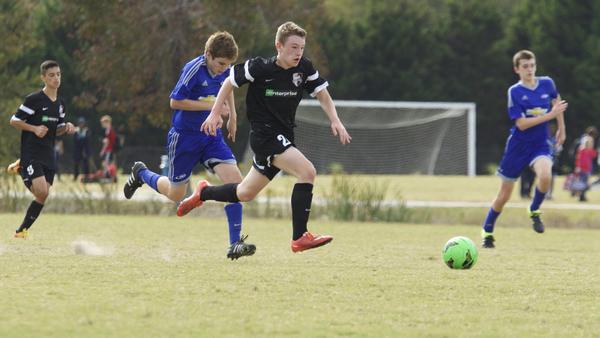

Grassroots football coaches spend hours watching matches, taking notes, and compiling reports. Yet despite this effort, many struggle to translate observations into meaningful training improvements. Match reports often sit in folders or inboxes, disconnected from the training ground where real development happens. This gap between analysis and action represents one of the greatest missed opportunities in youth football coaching.
The solution lies in building systematic links between what happens on match day and what happens during the week. When coaches transform football match analysis reports into targeted training plans, players develop faster, teams perform better, and coaching becomes more purposeful and rewarding.
The Gap Between Match Analysis and Training Implementation
Why Traditional Match Reports Fail to Drive Training
Traditional match reports frequently fail because they exist in isolation. A coach might note that defensive shape collapsed in the second half, but without a clear pathway to address this in training, the observation remains merely historical documentation. The following week, the same defensive vulnerabilities reappear because the connection between diagnosis and treatment was never established.
This disconnect often stems from report formats that prioritise description over prescription. Reports filled with what happened lack guidance on why it happened and what to do about it. Without actionable insights, even detailed football match analysis reports become interesting reading rather than development tools.
Time constraints compound the problem in grassroots football. Volunteer coaches juggling work, family, and football responsibilities struggle to find time for both thorough analysis and creative training planning. When these tasks remain separate, both suffer from inadequate attention.
The Power of Analysis-Driven Training Cycles
When match analysis directly informs training design, coaching becomes evidence-based rather than intuition-driven. Coaches can confidently address specific development needs because they've identified them through systematic observation. This targeted approach accelerates improvement whilst eliminating wasted training time on less relevant activities.
Analysis-driven training cycles also enhance player buy-in. When training sessions visibly address issues from recent matches, players recognise the relevance and engage more fully. They understand that Tuesday's pressing drill relates directly to Saturday's struggles maintaining defensive pressure. This connection between match experience and training focus creates meaningful learning contexts.
Measurable improvement tracking becomes possible when analysis and training are linked systematically. Coaches can identify whether specific training interventions actually work by comparing pre-training and post-training match performance. This feedback loop enables continuous refinement of coaching methods.
Understanding Football Match Analysis Reports
Key Components of Effective Match Analysis
Effective football match analysis reports balance quantitative data with qualitative observations. Statistical performance metrics - passing accuracy, possession percentages, defensive actions - provide objective measures of what happened. Tactical observations add context, explaining why certain statistics emerged and how team shape influenced outcomes.
Individual player assessments within match reports identify personal development priorities. Did the central midfielder struggle with forward passes under pressure? Did the full-back consistently push too high, leaving defensive gaps? These individual insights shape personalised training interventions alongside team-focused work.
Pattern identification proves crucial for meaningful analysis. Single-match aberrations matter less than recurring themes across multiple matches. When the same defensive vulnerability appears in three consecutive games, it signals a genuine development priority rather than a one-off misfortune. Recognising these patterns requires coaches to review multiple football match analysis reports together, spotting trends that individual reports might miss.
Transforming Data Into Training Priorities
Not all match observations deserve equal training attention. Distinguishing between symptoms and root causes prevents wasted effort on superficial issues. Suppose poor passing accuracy stems from weak technical execution, technical drills help. But if poor passing accuracy reflects players panicking under pressure, technical drills alone won't solve the problem - psychological and tactical interventions become necessary.
Prioritising development areas requires balancing immediate needs with long-term objectives. A critical match next week might demand short-term tactical adjustments, whilst season-long development goals require sustained attention. Effective training plans address both timeframes without allowing urgent issues to overwhelm important developmental work completely.
Team needs and individual development sometimes conflict, requiring careful navigation. A strong individual player might need challenging, progressive training that the rest of the team isn't ready for. Conversely, team tactical work might not address specific technical weaknesses certain individuals need to overcome. What is grassroots football coaching if not the art of balancing these competing priorities within limited training time?
Creating a Weekly Training Plan Framework
Monday: Post-Match Analysis and Planning
Reviewing Match Reports Effectively
Monday analysis sessions set the tone for the training week. Coaches should review football match analysis reports whilst matches remain fresh in memory, noting three to five key themes that emerged. These themes become the foundation for weekly training objectives.
Effective review goes beyond reading statistics - it involves visualising match moments that the data represents. When a report shows low possession in midfield, experienced coaches recall specific sequences where midfielders struggled to receive or retain the ball. This mental replay connects numbers to reality, enabling more insightful training design.
Consulting with coaching staff during analysis reviews brings multiple perspectives to interpretation. Assistant coaches, age-group coordinators, or even experienced parent volunteers might notice patterns that the head coach missed. This collaborative analysis strengthens both understanding and subsequent training planning.
Setting Weekly Training Objectives
Weekly training objectives should be specific, measurable, and directly linked to match analysis findings. Instead of vague goals like "improve passing," effective objectives state "increase completed forward passes in central thirds by focusing on body shape and scanning habits." This specificity guides drill selection and enables progress measurement.
Short-term tactical corrections address immediate issues that could impact upcoming matches. If Saturday's match revealed defensive vulnerability to balls over the top, Thursday's session must include defensive line management and recovery running. This responsiveness to current needs demonstrates coaching attentiveness and maintains player confidence.
Long-term development goals receive consistent attention regardless of weekly match events. Even when recent matches went well, fundamental skills like 9-a-side tactics and formation understanding require ongoing refinement. Balancing immediate fixes with sustained development separates good coaching from reactive firefighting.
Tuesday-Thursday: Targeted Training Sessions
Designing Drills Based on Match Insights
Training drills derived from match analysis should replicate problematic situations under controlled conditions. If analysis revealed poor decision-making during counter-attacks, training drills recreate counter-attack scenarios with specific constraints that encourage better choices. This specificity ensures training time directly addresses identified needs.
Progressive complexity in drill design allows players to master skills incrementally. Start with unopposed technical work, progress to light opposition, then build toward full match-intensity situations. This progression builds confidence whilst developing competence, crucial for youth players who might feel discouraged by harsh match realities.
Small-sided games with specific constraints prove particularly effective for implementing analysis-based training. Want to improve possession retention, identified as weak in match reports? Play possession-focused small-sided games where keeping the ball scores points. This game-realistic context embeds learning more effectively than isolated drills.
Addressing Tactical Issues Identified in Reports
Tactical issues require tactical solutions. When football match analysis reports highlight formation problems - perhaps wingers drifting too centrally and congesting attacking space - training must explicitly practice correct positioning. Walk-throughs followed by opposed practice at varying intensities gradually embed improved tactical understanding.
Positional play improvements often require position-specific focus. If full-backs consistently failed to provide width in attacking phases, dedicating training time specifically to full-back play addresses the issue directly. Position-specific sessions, even brief ones, accelerate individual tactical development that benefits the whole team.
Transition work addresses one of grassroots football's most common weaknesses. Many youth teams excel in settled possession or organised defence but struggle during transitions between these phases. When analysis reveals transition vulnerabilities, devoting significant training time to both attacking and defensive transition scenarios proves essential.
Individual Development Sessions
One-to-one coaching opportunities, though time-intensive, dramatically accelerate player development when analysis identifies specific individual needs. Ten minutes of focused individual coaching on a technical weakness spotted in match reports can achieve more than an entire team session for that particular player.
Position-specific training allows detailed work on role-specific skills that team sessions can't adequately address. A goalkeeper facing specific challenges identified in analysis benefits from dedicated goalkeeper coaching. Similarly, strikers struggling with finishing need focused shooting practice that would bore defenders during full-team sessions.
Technical skill refinement requires repeated, focused practice. When match analysis shows a player's first touch consistently letting them down under pressure, dedicated technical work becomes non-negotiable. These individual development efforts, guided by analysis insights, compound over time into substantial improvement.
Friday: Match Preparation and Integration
Bringing Analysis Full Circle
Friday sessions complete the analysis-to-training cycle by implementing week-long learning in match-realistic contexts. Pre-match practices should feel like matches, allowing players to experience their week's development work in game-realistic situations. This bridge between training ground and match day cements learning.
Pre-match briefings that explicitly reference analysis and weekly training close the feedback loop. Coaches might remind players: "Remember Tuesday's work on defensive compactness? We're implementing that today against opponents who play through midfield." This explicit connection helps players transfer training work into match performance.
TeamStats enables coaches to track this complete cycle digitally, with match reports feeding directly into training planning tools and measurable outcomes confirming improvement. This integrated approach transforms coaching from reactive to strategic.
Building player confidence through preparation proves crucial for youth football. When players recognise they've practised specific scenarios that might arise in matches, anxiety decreases and performance improves. Analysis-driven training provides this confidence because players trust that their preparation addresses real match challenges.
Practical Examples of Analysis-to-Training Links
Case Study: Improving Defensive Shape
A grassroots under-14s team consistently conceded goals from quick counter-attacks. Football match analysis reports across three matches showed the same pattern - central midfielders pushed too high when the team had possession, leaving massive gaps when opponents regained the ball and launched counters.
The Monday analysis identified this as the priority development area. Tuesday's training session focused entirely on defensive transition. Drills started with simple walk-throughs showing midfielders their recovery positions when possession was lost. This progressed to an opposed practice where attackers tried to score quickly after regaining possession, forcing midfielders to practice immediate recovery runs.
Thursday's session built complexity, playing full-sided games with a specific rule - any goal scored within 10 seconds of regaining possession counted double. This constraint reinforced the importance of rapid defensive transition whilst maintaining game realism. Friday's pre-match session included brief reminders about recovery responsibilities.
Saturday's match showed immediate improvement. Whilst still imperfect, the team conceded fewer counter-attack goals and showed much better defensive organisation during transitions. The following week's analysis confirmed the improvement, allowing training focus to shift to other priorities whilst maintaining transition work as ongoing background practice.
Case Study: Enhancing Passing Under Pressure
Match analysis for a grassroots under-12s side revealed poor passing completion when opponents applied pressure. Players who passed accurately in unopposed situations consistently gave possession away when closed down quickly. This pattern appeared across multiple football match analysis reports, confirming it wasn't random but a genuine development need.
Training interventions focused on scanning habits and body shape before receiving passes. Tuesday's session emphasised head movement - checking shoulders before receiving the ball to identify passing options and pressure. Drills rewarded players for demonstrating good scanning habits regardless of passing outcomes initially.
Wednesday built on this foundation with passing practices under progressive pressure. Starting with one passive defender, sessions gradually increased defensive intensity. Players practised receiving on their back foot, body shape opening toward their next pass option, and techniques that reduced vulnerability to pressure.
Small-sided games on Thursday applied these skills in realistic contexts. Playing with a two-touch maximum forced quick decision-making under pressure, embedding the week's technical learning in game situations. By Friday, players showed notably improved composure when receiving under pressure.
Subsequent matches showed measurable improvement in passing accuracy under pressure, validating the training intervention. This success built the coach's credibility and player trust in the analysis-to-training process, increasing engagement with future development work.
Case Study: Attacking Third Decision-Making
A competitive under-16s team consistently generated good attacking positions but struggled to convert opportunities into goals. Analysis revealed poor decision-making in the final third - players forcing shots from difficult angles rather than making better passes, or holding the ball too long when earlier passes offered better options.
Training began with decision-making education - video analysis showing both team and professional examples of good and poor attacking decisions. This built understanding of what "good decision-making" actually meant. Players contributed to discussions, developing a collective understanding of principles.
Practical training focused on final-third scenarios with specific decision-making challenges. Small-sided games in condensed spaces with overload situations (5v4, 4v3) created frequent decisions under pressure. Coaches paused play regularly to discuss decisions, asking "was there a better option?" and encouraging player-led analysis.
Finishing practices incorporated decision-making elements. Rather than simple shooting drills, practices included decisions about when to shoot, when to pass, and when to recycle possession. This complexity better reflects match demands identified in analysis reports.
Progressive improvement appeared over several weeks. Decision quality improved incrementally, with match analysis tracking measurable changes in shot selection and assist opportunities created. This longer-term development demonstrated how analysis-driven training addresses not just technical or tactical issues but cognitive development too.
Tools and Systems for Seamless Integration
Digital Platforms That Connect Analysis and Training
Modern team management app platforms integrate match analysis and training planning in a single system. Coaches review football match analysis reports on Monday, then build weekly training plans within the same platform, with direct links between identified issues and planned training activities. This integration eliminates fragmentation between analysis and planning.
Mobile access proves crucial for time-pressed grassroots coaches. Being able to review match analysis on a phone during a work break, then sketch training ideas during an evening commute, means coaching work fits around other life commitments rather than requiring dedicated office time. This flexibility makes sophisticated coaching practices accessible to volunteer coaches.
Player engagement features within digital platforms allow selective sharing of analysis with players. Age-appropriate match insights shared through platforms players already access increase engagement with development processes. Players checking their stats or reading tactical points becomes part of their routine rather than an additional burden.
Creating Templates and Processes
Standardised match report formats ensure consistent analysis across all matches. When every report covers the same core areas - defensive shape, attacking patterns, transition quality, individual performances - coaches can spot trends more easily. Templates also reduce report creation time, since the structure is predetermined.
Training plan templates streamline weekly planning. Rather than starting from scratch each week, coaches modify templates based on match analysis insights. This efficiency allows more time for thoughtful planning rather than administrative organisation. Templates ensure comprehensive coverage whilst remaining adaptable to specific needs.
Communication protocols establish how analysis insights reach relevant people. Perhaps assistant coaches receive full reports, whilst players receive simplified summaries focused on their positions. Parents might receive an overview of highlights. Clear protocols prevent information overload whilst ensuring everyone receives appropriate guidance.
Involving Players in the Process
Sharing relevant analysis with players increases their ownership of development. Age-appropriate sharing - simpler for younger players, more detailed for older youth - helps players understand their improvement journey. When players see match analysis confirming their training efforts are working, motivation increases dramatically.
Player-led reflection sessions encourage analytical thinking beyond coaching input. Under-16s might review their own match statistics and suggest training priorities. This cognitive engagement develops football intelligence alongside physical and technical skills. Players who think analytically during matches make better decisions under pressure.
Ownership of development transforms players from passive recipients of coaching into active participants in their improvement. When players understand the analysis-to-training connection, they engage more seriously with both. This engagement separates players who improve steadily from those who plateau despite similar physical gifts.
Measuring the Impact of Analysis-Driven Training
Short-Term Performance Indicators
Immediate tactical improvements provide early feedback on training effectiveness. If Thursday's session addressed defensive compactness identified in Monday's analysis, Saturday's match should show measurable improvement in defensive shape metrics. This rapid feedback confirms that the analysis-to-training process works.
Training ground observations offer informal but valuable feedback. Coaches attuned to match analysis insights notice when training successfully develops targeted skills. Players executing during training what they struggled with in matches suggests learning is occurring, even before match-day confirmation.
Early match feedback might come from opponents or neutral observers. When opposition managers comment on improved organisation, or neutral referees notice better discipline, these external validations confirm that analysis-driven training delivers results beyond subjective internal assessment.
Long-Term Development Tracking
Season-long trend analysis reveals whether short-term improvements sustain over time. Comparing football match analysis reports from early season to late season shows genuine development versus temporary fixes. Sustained improvement across multiple metrics confirms that coaching approaches work long-term.
Individual progression metrics tracked over months or years demonstrate player development trajectories. A player whose passing accuracy improves from 65% in September to 78% by March shows clear development. These quantified improvements help players recognise their progress and maintain motivation through inevitable challenging periods.
Team performance evolution across seasons shows cumulative effects of analysis-driven coaching. Teams that consistently translate analysis into targeted training gradually build playing standards that exceed expectations based on individual player talent alone. This collective development represents coaching's highest achievement.
Adjusting Your Approach Based on Results
When training interventions work, document what made them successful. Did particular drill types prove especially effective? Did certain communication methods engage players better? Understanding what works enables replicating success with future development priorities.
Recognising ineffective approaches requires honest assessment. If three weeks of training focused on an issue identified in the analysis produces no match-day improvement, the approach needs to be changed. Perhaps the analysis misidentified the root cause, or training methods didn't suit this particular issue, or the team needs more time. Adaptation separates good coaches from stubborn ones.
The continuous improvement mindset applies to coaching methods as much as player development. Just as players improve through systematic practice informed by feedback, coaches improve through systematic reflection on their analysis-training-outcome cycle. This metacognitive approach to coaching development ensures continuous professional growth.
Common Challenges and Solutions
Time Constraints in Grassroots Football
Streamlining analysis processes helps time-pressed coaches maintain quality without excessive time investment. Focus analysis on three to five key themes rather than exhaustive documentation of every match detail. This focused approach provides actionable insights without overwhelming analysis work.
Focusing on high-impact areas maximises limited training time. If analysis identifies five potential development priorities but training time allows addressing only two properly, choose the two with greatest potential impact. Attempting everything achieves nothing - depth trumps breadth in grassroots development.
Efficient session planning using proven drill libraries reduces weekly planning time. Maintain a collection of effective drills for common development priorities identified through analysis. When next week's analysis reveals similar issues to past situations, adapt proven drills rather than inventing new ones.
Limited Coaching Resources
Prioritising development areas becomes essential when coaching resources are limited. Can't address defensive shape, passing accuracy, and attacking movement simultaneously with one coach and 90 minutes of weekly training? Choose the priority that offers greatest immediate impact or long-term importance.
Multi-purpose drill designs help teams with limited coaching resources. A single well-designed opposed practice might simultaneously develop passing under pressure, defensive organisation, and transition quality. Recognising these efficiencies maximises the limited training time effectiveness.
Peer coaching and player leadership extend coaching capacity beyond official coaches. Older players helping younger teammates, or experienced players leading position-specific groups, multiply development opportunities. Analysis-identified priorities guide this peer coaching, ensuring it reinforces rather than contradicts the main coaching messages.
Maintaining Player Motivation
Making training relevant to match day sustains player motivation through demanding development work. When players understand that Tuesday's difficult pressing drill directly addresses Saturday's struggles, they work harder and complain less. This relevance transforms training from an arbitrary exercise into a purposeful preparation.
Celebrating improvement identified through analysis maintains positive momentum. Share before-and-after statistics showing development - "our defensive compactness rating improved 30% over three weeks." Quantified improvement proves players' hard work achieved results, motivating continued effort.
Keeping sessions engaging even whilst addressing analysis-identified issues requires creativity. Development work needn't be boring - varied activities, competitive elements, and player input into training design maintain engagement whilst still achieving analytical objectives. Effective coaches make necessary work enjoyable rather than treating fun and development as opposites.
Transform Analysis Into Action
Linking football match analysis reports to weekly training plans represents one of the most powerful coaching practices in grassroots football. This systematic approach transforms observation into action, ensuring every training minute serves specific developmental purposes identified through evidence. Players improve faster, coaches work more effectively, and teams achieve results that exceed their raw talent.
The framework outlined here - from Monday analysis through Friday match preparation, from identifying patterns to measuring outcomes - provides a comprehensive approach to analysis-driven coaching. Yet implementing this framework effectively requires tools that integrate analysis, planning, and communication seamlessly.
Stop letting match insights gather dust in forgotten reports. Start building systematic connections between what you observe and what you practice. Get started with TeamStats to access integrated match analysis and training planning tools designed specifically for grassroots coaches. Transform your coaching from reactive to strategic, from intuitive to evidence-based, and watch your players develop faster than ever before.
═══════════════════════════════════════════════════════════════