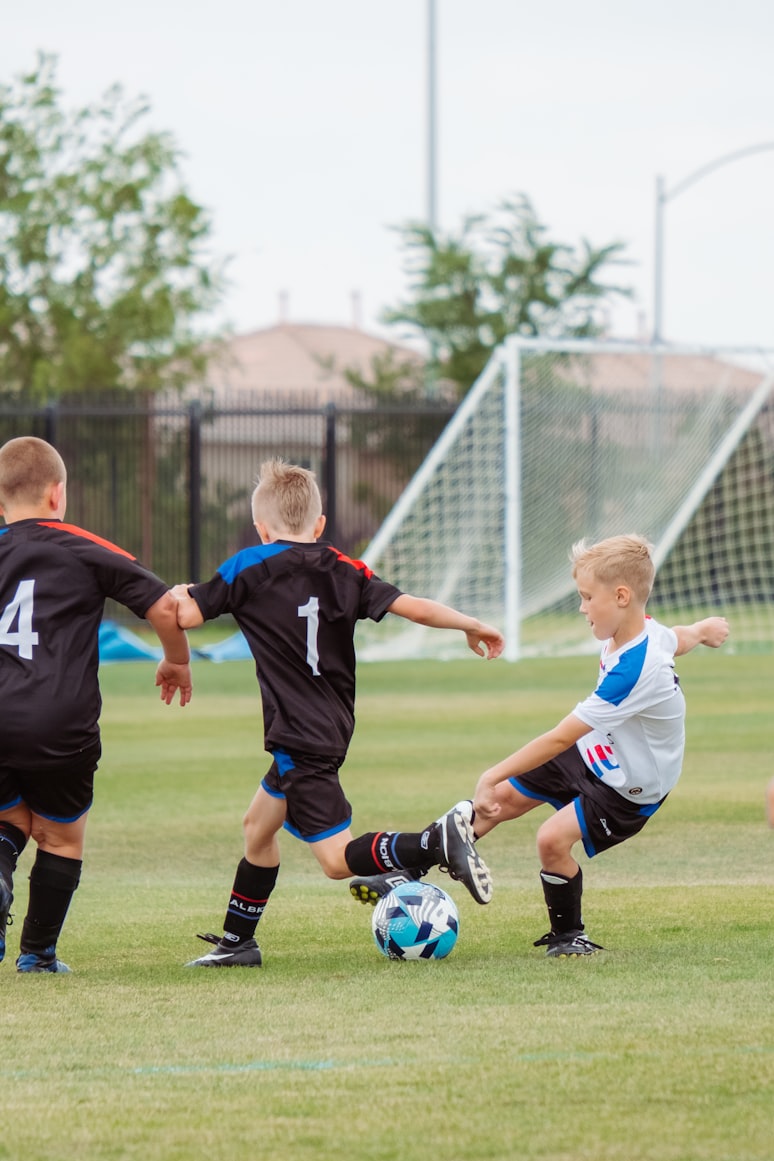

Women's football has experienced remarkable growth in recent years, creating unprecedented opportunities for grassroots clubs to expand their offerings and serve broader communities. Launching a women's section demonstrates forward-thinking leadership, responds to increasing demand, and positions clubs to benefit from targeted funding, sponsorship opportunities, and enhanced community standing. Whether starting with a single youth team or establishing multiple age groups, developing women's grassroots football requires strategic planning, dedicated volunteers, and commitment to creating welcoming, inclusive environments where female players thrive.
Why Launch a Women's Football Section
Growing Demand and Participation
Participation in women's grassroots football has surged dramatically following increased visibility of elite competitions and national team success. More girls and women want to play football than ever before, yet many communities still lack adequate provision. Clubs that establish women's sections tap into this demand, often finding enthusiastic players eager for opportunities that previously didn't exist locally.
Research shows that when clubs offer quality women's football programmes, recruitment rarely presents challenges. Players emerge from schools, social networks, and community outreach once opportunities become known. Many women who loved football as children but stopped playing due to lack of teams eagerly return when adult sections launch. This latent demand means clubs can grow women's sections relatively quickly compared to establishing new youth age groups where competition for players is more intense.
Funding bodies, including the Football Association, local authorities, and national lottery programmes, prioritise women's football development. Clubs launching women's sections access grants ring-fenced explicitly for this purpose, providing startup capital that might not be available for other club expansions. This financial support, combined with growing commercial interest in women's sport, creates favourable conditions for sustainable growth.
Benefits for Your Club
Diversifying membership strengthens clubs organizationally and financially. Women's sections bring new families, volunteers, and community connections that enhance the entire club. Rather than competing with existing sections for resources, successful women's programmes often generate their own revenue through subscriptions, fundraising, and targeted sponsorship whilst sharing facilities and infrastructure costs.
Enhanced club reputation follows naturally from offering inclusive programmes. Communities view clubs with thriving women's sections as progressive, family-friendly organizations committed to equality. This reputation attracts quality volunteers, coaches, and sponsors who want to associate with forward-thinking clubs. TeamStats enables clubs to showcase their women's sections professionally, managing teams, fixtures, and communications through a unified platform that demonstrates organizational competence.
Additional revenue streams emerge as women's sections mature. Whilst initial investment is required, established sections contribute meaningfully to club finances through subscriptions, match fees, social events, and section-specific sponsorship. Some clubs find their women's sections become their fastest-growing and most financially stable programmes within a few seasons.
Stronger community connections result from engaging a demographic previously underserved. Women's sections create pathways for mothers, sisters, and female relatives of existing players to participate, transforming them from spectators to active members. This deeper community integration builds club loyalty across generations and strengthens the club's social fabric.
Planning Your Women's Section
Assessing Club Readiness
Honest assessment of current capacity prevents overextension. Review facility availability realistically - can your pitches accommodate additional teams without displacing existing groups? Are changing facilities suitable for mixed use, or do improvements need investment? Understanding infrastructure limitations early allows for phased launches that match resources to ambition.
Volunteer and coaching capacity requires careful evaluation. Launching a women's section demands dedicated leadership - ideally a women's section coordinator who champions the initiative, recruits players and coaches, and drives early development. Without this committed leadership, even well-intentioned launches struggle. Identify potential section leaders within your club or community before announcing plans publicly.
Financial considerations extend beyond initial setup costs. Budget for equipment, league fees, referee costs, and facility improvements while planning sustainable funding through subscriptions and fundraising. Creating realistic financial projections prevents mid-season crises when unexpected costs emerge. Understanding grassroots football fundraising strategies helps new sections establish financial stability quickly.
Committee support and buy-in prove essential for long-term success. Women's sections need equal standing with other club sections, fair resource allocation, and representation in club governance. Securing committee commitment before launch prevents later conflicts over pitch access, funding priorities, or decision-making authority.
Setting Clear Objectives
Short-term objectives for new sections should emphasise participation, enjoyment, and building foundations rather than immediate competitive success. Targets might include recruiting sufficient players for one or two teams, establishing regular training attendance, completing the first season without major dropouts, and creating a positive club culture. These achievable goals build confidence and momentum.
Long-term objectives can encompass competitive ambitions, multiple age groups, development pathways to higher levels, and becoming a recognised centre for women's grassroots football in your area. However, articulating these aspirations shouldn't create pressure that undermines early development. Successful sections balance ambition with patience, celebrating incremental progress.
Age groups to target initially depend on community needs and volunteer availability. Many clubs begin with youth sections (U12-U16) where demand is strong and recruiting players is easier than for adult teams. Others launch adult sections first, particularly in areas lacking any women's provision. Understanding what age is best to start playing football helps clubs target appropriate age groups for initial recruitment.
Participation versus performance focus requires thoughtful consideration. Most successful new sections prioritise participation initially - ensuring all players receive game time, focusing on skill development, and emphasising enjoyment over results. As sections mature and player aspirations evolve, introducing more competitive teams alongside recreational options accommodates diverse motivations.
Recruiting Coaches and Volunteers
Finding Qualified Female Coaches
Female coaching representation matters significantly in women's football development. Women and girls often feel more comfortable with female coaches, particularly regarding physical development discussions, changing room management, and navigating challenges specific to female athletes. Prioritising female coach recruitment creates role models, demonstrates that football is "for everyone," and builds an inclusive culture from the start.
Coaching qualification pathways have become increasingly accessible. The FA offers Introduction to Coaching Football courses specifically for new coaches, followed by Level 1 and Level 2 qualifications. Many women interested in coaching lack confidence initially but thrive once supported through qualification pathways. Clubs can sponsor coaching courses for promising volunteers, creating a pipeline of qualified coaches invested in the section's success.
Mentorship programmes pair inexperienced coaches with experienced mentors, accelerating development and building confidence. Connecting new women's section coaches with established coaches from your club or wider networks provides invaluable support during challenging early seasons. Understanding football coaching apps helps new coaches access resources, plan sessions effectively, and develop their coaching knowledge continuously.
External recruitment strategies expand your coaching pool beyond existing club volunteers. Local social media groups, women's sports networks, teaching staff at schools, and recreational players often include potential coaches who hadn't considered volunteering until approached. Articulating clear role expectations, time commitments, and support available helps potential coaches assess whether they can contribute meaningfully.
Building Your Support Team
Administrative volunteers manage the operational demands that coaching alone cannot cover. Section coordinators handle registrations, league communications, fixture scheduling, and volunteer coordination. Treasurer roles ensure financial management and reporting. Welfare officers provide safeguarding oversight essential for any youth provision. Clearly defining these roles and recruiting specifically for them prevents coaches from becoming overwhelmed with non-coaching responsibilities.
First aid and safeguarding officers fulfil mandatory requirements for operating safely. All sections must have qualified first aiders at training and matches, plus designated safeguarding officers who complete required training and background checks. These roles can be shared across club sections, but must be clearly assigned and reliably available.
Marketing and communications roles drive recruitment and maintain visibility. Volunteers managing social media, website content, and community outreach keep the section prominent in local consciousness, attract new players, and celebrate successes publicly. These roles suit individuals with relevant professional skills who can contribute meaningfully, even with limited time availability.
Parent involvement provides a volunteer pool that is often underutilised. Parents of youth players can assist with team management, transport coordination, social event organisation, and fundraising. Creating manageable, clearly defined parent volunteer roles prevents coordinator burnout whilst building community ownership of the section's success.
Player Recruitment Strategies
Community Outreach
School partnerships provide direct access to potential players. Delivering football sessions at local schools, sponsoring school competitions, or offering taster sessions for students introduces your club to families and identifies interested players. Schools often welcome external clubs providing girls' football opportunities, as curriculum time for PE remains limited and specialist provision valuable.
Local promotion campaigns raise awareness effectively. Posters in community centers, libraries, and GP surgeries reach families actively seeking activities. Local newspaper features, community newsletters, and radio interviews generate interest, particularly when highlighting inspirational stories from existing players or coaches. Traditional marketing still works in grassroots football, complementing digital strategies.
Social media engagement reaches digitally-connected families efficiently. Facebook community groups, Instagram posts showcasing training sessions, and targeted local advertising generate inquiries relatively inexpensively. Regular content showing happy players enjoying football attracts families seeking positive environments for their daughters. A team management app streamlines digital communication with interested families, managing inquiries professionally and ensuring no potential players fall through communication gaps.
Open training sessions and taster days allow potential players to experience your club before committing. No-obligation trial sessions reduce barriers to participation, particularly for beginners uncertain about their ability or commitment level. Making these events welcoming, fun, and pressure-free creates positive first impressions that drive registrations.
Creating Inclusive Environment
Welcoming beginners alongside experienced players requires thoughtful coaching. Mixed-ability groups need differentiated activities ensuring everyone feels challenged appropriately without beginners becoming overwhelmed or experienced players bored. Many successful sections run parallel sessions for different ability levels during shared training times, allowing social interaction whilst providing appropriate technical work.
Age-appropriate opportunities matter particularly for adult women returning to football after years away. Veterans sections, recreational leagues, or walking football provides options for older women who want to play but recognize that competing against 20-year-olds isn't appealing. Offering diverse playing opportunities broadens your appeal and sustains participation as players age.
Flexible commitment options accommodate modern lifestyles. Not everyone can commit to competitive football requiring attendance at all training sessions and weekend matches. Recreational teams with flexible attendance, "turn up and play" sessions, or social football alongside competitive teams cater to varying commitment levels whilst maintaining participation.
Supportive culture from day one determines whether new players stay beyond initial enthusiasm. Experienced players welcoming newcomers, coaches celebrating effort over ability, and teams emphasizing collective enjoyment over individual performance create environments where beginners feel valued. This culture requires active cultivation through coach modeling, team discussions about values, and addressing any exclusive behaviors immediately.
Facilities and Equipment Considerations
Pitch and Training Space
Scheduling and access negotiations with existing sections establish fair facility use. Women's sections deserve equal access to quality pitches and prime training slots, not just unwanted times or substandard facilities. Fair scheduling demonstrates that the club values all sections equally and prevents resentment that undermines cohesion. Transparent scheduling processes using management software prevent disputes and ensure everyone understands availability.
Changing facilities present practical challenges requiring sensitive handling. Adequate, safe, private changing facilities are non-negotiable for women's and girls' teams. Where facilities are limited, scheduled use with appropriate protocols ensures dignity and safety. Some clubs invest in additional portable changing facilities specifically for women's sections, recognising this investment as essential rather than optional.
Training equipment needs for women's sections mirror other sections - balls, bibs, cones, goals - though potentially different sizes for youth age groups. Sharing equipment across sections works well when systems ensure fair access and good maintenance. Designating section-specific equipment storage prevents the frustration of arriving at training without the necessary kit because another section borrowed it.
Securing Funding and Sponsorship
Grant Opportunities
FA funding programmes specifically support women's and girls' football development. The FA's Wildcats programme helps clubs establish girls' recreational sessions with equipment grants, coach training subsidies, and marketing support. Other FA grants fund facility improvements, coach qualifications, or startup costs for new sections. Regularly monitoring FA funding announcements ensures clubs don't miss applicable opportunities.
Local authority grants often prioritise women's sport development as councils address participation gaps. Sports development teams within local authorities can advise on available funding, application processes, and success factors. Building relationships with these teams provides ongoing support beyond initial grant awards.
National lottery funding through Sport England targets increasing women's participation in sport and physical activity. Whilst competitive, lottery funding can provide substantial sums for ambitious projects - new facilities, sustained development programmes, or innovative participation initiatives. Applications require significant effort but can transform the sections' capabilities.
Specific women's football initiatives from commercial partners, charitable foundations, and sport governing bodies emerge regularly. Monitoring organisations like Women in Football, FAWSL sponsors, or corporate community programmes identify opportunities aligned with your development plans. For clubs across various football leagues, understanding regional funding landscapes helps target applications effectively.
Attracting Sponsors
Building sponsorship packages requires understanding what sponsors value - brand visibility, community association, corporate social responsibility credentials, or staff engagement opportunities. Packages combining kit sponsorship, pitch-side advertising, social media promotion, and hospitality at matches provide multiple value elements appealing to different sponsor motivations.
Local business partnerships often begin with personal connections before developing into formal sponsorship. Committee members, coaches, or parents with business networks can introduce your club to potential sponsors. Local businesses value supporting community initiatives, particularly those advancing equality or opportunities for underrepresented groups.
Demonstrating community impact through data, testimonials, and storytelling makes sponsorship proposals compelling. Showing how many girls and women you engage, sharing player success stories, or evidencing broader social benefits justifies sponsor investment. A professional presentation using management platforms to showcase your section's organisation impresses potential sponsors, evaluating professionalism.
Long-term sponsor relationships provide sustainability beyond one-season agreements. Delivering on commitments, maintaining regular communication, and demonstrating partnership benefits encourage sponsors to renew and potentially increase investment. Treating sponsors as partners rather than just funding sources builds relationships that support sections through growth and challenges.
Registration and League Affiliation
FA Registration Process
Club affiliation requirements establish your legal status to operate within organised football. Clubs must affiliate annually with their County FA, complete required documentation, and ensure all coaches and volunteers undergo appropriate background checks. This process, whilst administrative, protects players and ensures clubs operate to the required standards.
Player registration systems have moved predominantly online, streamlining administration whilst maintaining accurate records. All players must be registered with your league and County FA before playing competitively. Understanding registration deadlines, documentation requirements, and renewal processes prevents problems that could render teams ineligible or players unable to compete.
Age group structures in women's football follow standardized bands (U12, U14, U16, etc.) with specific rules regarding age eligibility and competition formats. Ensuring teams enter appropriate age groups maintains fair competition whilst adhering to regulations designed to protect young players' welfare and development.
Safeguarding compliance remains non-negotiable. All coaches, volunteers, and anyone with regular contact with youth players must complete DBS checks, safeguarding training, and adhere to club safeguarding policies. County FAs provide guidance and support for maintaining compliance, and clubs must appoint qualified welfare officers overseeing this vital area.
Choosing Appropriate Leagues
Local league options vary significantly in competitiveness, organization quality, travel requirements, and development support. Researching available leagues, speaking with other clubs about their experiences, and understanding each league's reputation helps informed decision-making. Entering a league matching your section's current ability and ambitions sets realistic expectations and provides appropriate competition.
Entry requirements and standards differ across leagues. Some require minimum facility standards, qualified coaching, or proven organizational capacity. Understanding these requirements before applying prevents rejection or discovering mid-season that your club cannot meet league standards. Starting in developmental leagues and progressing to more competitive environments as your section strengthens provides sustainable growth.
Travel considerations impact participation, particularly for youth teams. Leagues requiring extensive travel create logistical and financial burdens that may exceed family willingness or club capacity. Prioritizing local leagues initially builds sustainability, with more ambitious leagues considered once sections establish stability and resources.
Development pathways from entry-level leagues to elite competitions exist within the women's football pyramid. Understanding these pathways helps ambitious sections articulate long-term aspirations whilst recognizing that progression takes time, player development, and sustained organizational excellence. Focusing on current league success whilst understanding potential progression routes balances ambition with realism.
Building Strong Foundation in First Season
Managing Expectations
Realistic goals for new teams prevent disappointment that undermines motivation. First-season objectives should focus on completion - finishing the season with enthusiastic players eager to return next year matters more than league position. Setting internal goals around attendance, effort, improvement, and team spirit creates positive measures of success independent of results.
Development over results focus requires consistent messaging to players, parents, and volunteers. When results inevitably disappoint - as most new teams struggle initially against established opposition - emphasising technical improvement, tactical understanding, and individual player development maintains perspective. Coaches skilled in celebrating progress rather than just outcomes build resilient teams that persist through challenging periods.
Player retention priorities shape decisions throughout the season. Ensuring all players receive meaningful game time, feel valued regardless of ability, and enjoy their football experience maximises the likelihood they return next season. Retaining your initial cohort provides a foundation for second-season improvement whilst establishing a club reputation that aids future recruitment.
Celebrating progress publicly reinforces positive development. Highlighting individual improvements, team milestones, or section achievements in club communications shows that success encompasses more than trophies. This narrative attracts new families seeking supportive environments whilst motivating current members by recognising their efforts.
Establishing Team Culture
Values and standards articulated clearly from the outset shape culture deliberately rather than allowing it to emerge accidentally. Discussing with players what the team stands for - respect, effort, support, enjoyment, ambition - creates a shared understanding that guides behaviour. Regular reference to these values maintains focus and provides a framework for addressing issues when they arise.
Communication protocols between coaches, players, and parents prevent misunderstandings and build trust. Establishing how and when communication occurs - through designated platforms, scheduled windows,and defined channels - creates a structure that respects everyone's time whilst ensuring concerns are addressed appropriately. Using management technology standardises communication and documents discussions for reference if needed.
Social activities and bonding beyond training and matches build relationships that sustain participation. Team meals, social events, or community activities together create friendships that make football more than just a sport. These connections increase commitment, improve team cohesion, and create support networks that help players navigate challenges.
Player voice and feedback mechanisms demonstrate that players' opinions matter. Regular check-ins, anonymous surveys, or team meetings where players can share thoughts ensure leadership remains responsive to participant needs. This engagement particularly matters in women's grassroots football, where historically female voices have been marginalised in sport governance.
Marketing and Promoting Your Section
Digital Presence
Social media strategy focused on consistent, authentic content showcasing your section's personality attracts followers and potential players. Regular posts featuring training photos, match reports, player spotlights, and behind-the-scenes content build an engaged community. Platforms like Instagram and Facebook reach target demographics effectively when used consistently and authentically.
Website content and visibility ensure interested families can find comprehensive information easily. Dedicated women's section pages with clear information about age groups, training times, costs, and contact details remove barriers to inquiry. Search engine optimisation, ensuring your club appears in local searches for "women's football" or "girls' football teams" drives organic inquiries.
Online registration systems streamline administration whilst creating a professional impression. Digital registration, payment processing, and document collection reduce administrative burden whilst providing a convenient, modern experience that parents expect. Integration between registration systems and team management platforms creates seamless data flow, preventing duplication and errors.
Regular updates and engagement maintain section visibility and show an active, thriving programme. Frequent posts, responsive social media interaction, and timely website updates demonstrate organisational vitality that reassures prospective members about joining an established, well-run section.
Community Visibility
Local media coverage provides credibility and reach beyond club-controlled channels. Local newspapers, radio stations, and community publications often welcome positive local sport stories, particularly those advancing equality. Developing relationships with local journalists, providing ready-made content (photos, quotes, statistics), and highlighting interesting angles increases coverage likelihood.
Club events and open days showcase your section whilst building community connections. Hosting girls' football festivals, women's walking football tournaments, or section celebration events raises profile, generates goodwill, and creates content for ongoing marketing. Events demonstrating your section's vitality and community spirit impress potential sponsors and partners.
Partnerships with women's organizations, schools, or community groups extend reach into networks you might not access directly. Collaborating with organizations sharing equality goals creates mutual benefit - they support members' sport participation whilst you gain access to potential players and volunteers. Strategic partnerships amplify impact beyond what isolated club efforts achieve.
Success stories and testimonials from current players provide authentic marketing powerful beyond any promotional copy. Players explaining how joining the section changed their lives, built confidence, or created friendships resonates with prospective members considering whether to participate. Video testimonials shared across digital platforms generate significant engagement and drive inquiries.
Sustaining Growth and Development
Retention Strategies
Player pathway planning shows participants long-term opportunities within your section. When players see clear progression routes - from development teams to competitive teams, from youth to senior football, from recreational to performance environments - they envision futures within your club. Articulating these pathways during recruitment and reinforcing them throughout participation builds commitment.
Regular feedback and engagement with players maintains understanding of their experiences and concerns. Formal and informal check-ins, surveys, and open dialogue create opportunities to address dissatisfaction before it leads to dropout. Responsive leadership that acts on feedback demonstrates that player opinions matter and builds trust supporting retention.
Social elements and club culture often prove more important for retention than competitive success. Players stay where they feel valued, enjoy teammates' company, and find meaning beyond results. Intentionally cultivating positive culture through social activities, inclusive practices, and supportive environments creates loyalty that sustains participation even when results disappoint.
Recognizing achievements across diverse dimensions - technical improvement, leadership, sportsmanship, commitment - ensures all players feel valued. Not everyone becomes star striker, but everyone can contribute meaningfully and deserve recognition. Broad achievement recognition builds self-worth and continued engagement across your entire cohort.
Expanding Your Programme
Adding age groups progressively as capacity allows creates sustainable growth. Successfully establishing one or two age groups before expanding prevents overstretching volunteer capacity and ensures quality remains high. Strategic expansion targeting age groups with demonstrated demand or where provision gaps exist maximizes success likelihood.
Multiple teams within age groups accommodate growth without turning players away. When recruitment exceeds single team capacity, forming additional teams at the same age group maintains inclusivity whilst providing appropriate competition level for different abilities. This approach prioritises participation over exclusion whilst creating pathways between development and performance teams.
Walking football for older women opens participation to demographics often excluded from traditional formats. Lower physical intensity, smaller pitches, and social focus make walking football accessible for women of any fitness level. These programmes often become highly engaged communities supporting club activities beyond their own participation, whilst generating additional revenue and volunteers.
Recreational and competitive options within sections accommodate diverse motivations. Not all players seek competitive football - some want social sport, fitness, or recreational fun. Offering both competitive teams for ambitious players and recreational options for those seeking lower commitment or pressure maximises participation breadth whilst creating section diversity, strengthening overall culture. Implementing various football formations appropriate to different team levels supports tactical development across all standards.
Coach and Volunteer Development
Ongoing training opportunities keep coaches and volunteers skilled, motivated, and effective. Supporting further coaching qualifications, attending development courses, or accessing online resources through platforms helps volunteers improve continuously. Investment in volunteer development demonstrates appreciation whilst enhancing provision quality, benefiting all participants.
Sharing best practices across coaches builds collective knowledge and prevents isolation. Regular coach meetings, shared planning, or formal mentoring relationships create learning communities where volunteers support each other's development. This collaboration improves coaching quality whilst building relationships that sustain volunteer retention.
Avoiding burnout through workload management and volunteer rotation maintains healthy, sustainable volunteering. Clear role definitions, shared responsibilities, and regular volunteer recruitment prevent critical individuals from becoming overwhelmed. Recognising warning signs and intervening supportively before volunteers burn out protects both individuals and section sustainability.
Succession planning ensures section continuity when key volunteers move on. Identifying and developing future coordinators, coaches, or administrators prevents a crisis when current leadership transitions. Gradual leadership transitions with mentoring and support maintain stability whilst bringing fresh perspectives that drive continued evolution.
Overcoming Common Challenges
Resource Constraints
Creative solutions for limited facilities maximise available resources without expensive infrastructure investments. Sharing facilities with other clubs, using school pitches outside curriculum hours, or negotiating access to local authority facilities expands capacity without capital outlay. Flexible scheduling and portable equipment increase the efficiency of limited spaces.
Volunteer recruitment and retention strategies addressing capacity constraints include clear role definitions, manageable commitments, recognition and appreciation, and creating positive volunteering experiences. When volunteers enjoy contributing, feel valued, and don't become overwhelmed, they persist and recruit others. Building a strong volunteer culture attracts the capacity needed for growth.
Budget management strategies stretching limited finances include careful cost control, creative fundraising, equipment sharing, and prioritising essential spending. Distinguishing between "need to have" and "nice to have" prevents overspending whilst ensuring core activities remain funded. Transparent financial management builds trust, supporting future fundraising efforts.
Prioritising investments in coaches, equipment, and player experience over non-essential spending ensures limited resources deliver maximum impact. Quality coaching, adequate training equipment, and positive player experiences drive retention and reputation - the foundations of sustainable sections. Administrative conveniences or aesthetic improvements, whilst nice, remain secondary to these core investments.
Cultural Resistance
Addressing traditional attitudes within existing club structures requires patience, evidence, and persistent advocacy. Demonstrating women's section value through participation numbers, financial contribution, and community impact gradually shifts perspectives. Rather than confrontational approaches, showing traditional club members how women's sections strengthen the entire club builds support over time.
Demonstrating value to the club through financial contribution, volunteer capacity, facility usage efficiency, and enhanced reputation provides tangible evidence countering scepticism. When women's sections become self-sustaining or even net contributors, opposition based on resource concerns dissolves. Professional operation and organisation compel respect even from initially reluctant club members.
Building support gradually through small wins establishes momentum and credibility. Early successes - successful recruitment, positive media coverage, grant awards, or competitive achievements - create a positive narrative supporting further development. Celebrating these wins publicly within the club demonstrates the women's section's value to sceptical observers.
Celebrating successes publicly both promotes your section externally and builds internal club recognition. Media coverage, social media celebration, and club-wide acknowledgment of women's section achievements normalizes their presence within club culture whilst attracting support from previously neutral or skeptical members. Visibility drives acceptance and support.
Conclusion
Launching and growing a women's football section represents significant opportunity for grassroots clubs willing to plan strategically, invest in quality coaching and facilities, and commit to creating inclusive environments. From initial planning through recruitment, establishing operations, and sustaining growth, successful sections balance ambition with realism whilst staying focused on participation, development, and positive experiences. The benefits - diversified membership, enhanced reputation, additional revenue, and stronger community connections - justify the substantial but manageable effort required.
Women's grassroots football continues expanding rapidly, creating favorable conditions for clubs establishing or growing women's sections. Access to targeted funding, increasing commercial interest, growing player demand, and supportive governing body policies make current conditions ideal for ambitious clubs. Whether launching first teams or expanding established sections, thoughtful planning, dedicated leadership, and commitment to equality principles enable clubs to succeed in this dynamic, rewarding area of grassroots football.
Clubs ready to launch or grow their women's sections can sign up for TeamStats to streamline operations, manage communications, and coordinate activities efficiently. Effective technology supports the organizational excellence that enables sections to focus energy on coaching, player development, and building vibrant, inclusive football communities.
═══════════════════════════════════════════════════════════════