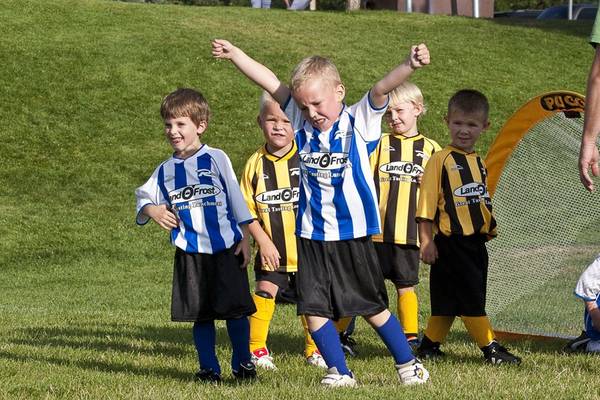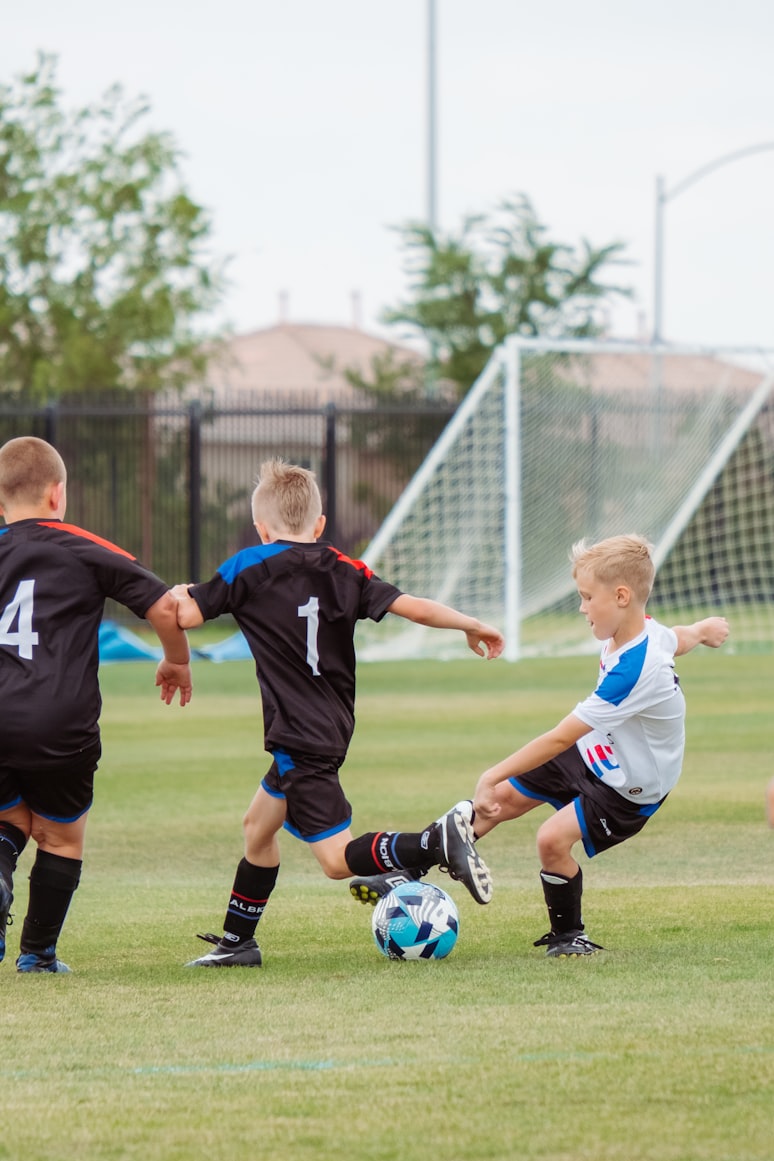

We’ve all seen it. The training session feels more like a chore than a joy. The endless, repetitive drills under grey skies, the pressure to win that sucks the life out of the game, and the young faces that start to look bored or anxious. It's so easy to get caught up in tactics, formations, and results that we forget the single most important element in youth football: fun.
If a young player isn't enjoying themselves, they won't learn, they won't develop, and they certainly won't stick with the sport for life. Keeping fun at the heart of your coaching philosophy isn't a "nice to have"; it is the very foundation of successful youth football development. At TeamStats, we believe that a smile on a player's face is just as important as a ball in the back of the net.
Why Fun is the Engine of Development
Think of a player's development as a high-performance engine. The drills, the coaching, the matches, that's all the sophisticated machinery. But fun? Fun is the fuel and the oil. Without it, the engine will seize up, no matter how well-designed it is. When kids are having fun, their brains are more receptive to learning, they're more willing to try new things, and they're not afraid to make mistakes.
A positive, enjoyable environment creates a virtuous cycle:
Engagement: When players are having fun, they are fully present and engaged. They listen more intently and participate more enthusiastically.
Creativity: Fun gives players the freedom to be creative and expressive on the ball, which is how flair and game intelligence develop.
Resilience: A player who loves coming to training will bounce back from a tough loss far quicker than one who already sees football as a high-pressure chore.
Ultimately, our goal as coaches in what is grassroots football is to foster a lifelong love for the game. That passion is ignited by joy, not by the fear of failure or the monotony of boring drills.
Making Every Session an Adventure
The training ground is your laboratory for fun. This is where you can transform the mundane into the magical with a bit of creativity and a focus on game-based learning.
Ditch the Drills, Embrace the Games
Repetitive, unopposed drills have their place, but they should be the minority of your session. Most technical skills can be developed far more effectively within a fun, competitive game.
For Dribbling: Instead of dribbling around cones in a line, play "Shark Attack." One or two players are "sharks" without a ball, and their job is to tackle the other players (the "fish") who are all dribbling in a defined area. It teaches close control, awareness, and decision-making under pressure, and it's brilliant fun.
For Passing: Forget static passing lines. Play a "Numbers Game." Each player gets a number. The coach calls out a sequence of numbers (e.g., "4, 7, 2!"), and those players have to combine to make a certain number of passes before they can score in a small goal. It develops communication, movement off the ball, and quick thinking.
Give Them Ownership
Empowering your players is a huge driver of enjoyment. When they feel a sense of ownership over their team and their training, their engagement goes through the roof.
Let Them Lead: Ask a different player to lead the warm-up each week.
Player-Designed Drills: Challenge a small group to come up with a fun game to practice a specific skill. You'll be amazed at their creativity.
Choose the Finale: Let the team vote on which game they want to play for the final 15 minutes of the session. It's a simple way to end every training on a high.
Building a Culture of Fun Beyond the Pitch
A positive team spirit is built on more than just passing and tackling. Creating a strong social bond between players is essential for a happy, supportive environment.
I remember a team I coached that had a really quiet player, a young defender named Alex. He was a great kid but rarely spoke a word. On the pitch, he was hesitant. We were struggling to bring him out of his shell. One rainy Saturday, our match was called off, so we organised a last-minute team quiz night at the clubhouse. We mixed up the teams, parents included. Alex was on a team with our loud, confident striker and his dad. To everyone's surprise, Alex knew all the answers to the history round. His team won, and he was buzzing. The next week at training, he was a different player. He was communicating, organising the back line, and playing with a confidence we'd never seen. The fun of that quiz night unlocked the leader inside him.
Ideas for Team Bonding:
Team Outings: It doesn’t have to be expensive. A trip to watch a local non-league game, a team bowling night, or a summer BBQ can work wonders.
Fun Fundraising: Get the team involved in some Grassroots Football Fundraising Ideas that are fun, like a sponsored silly-hat training session or a parents vs. players match.
Celebrate Together: Use a tool like our team management app to share photos and videos of fun moments from training or matches. It helps to build a positive narrative around the team.
Common Fun-Sapping Pitfalls to Avoid
It's incredibly easy to accidentally drain the fun out of the game, often with the best intentions.
The Over-Emphasis on Winning: Of course, we all want to win. But when it becomes the only measure of success, the pressure can become immense. The focus should always be on performance and effort.
Constant Criticism: The "feedback sandwich" (positive, negative, positive) is a classic for a reason. Avoid a constant stream of correction from the touchline. Let them play and make mistakes.
Forgetting They Are Children: We can sometimes hold kids to adult standards of consistency and concentration. Remember that their minds will wander. They will have off days. Keep it light and be patient.
Neglecting Individual Needs: Every child is motivated differently. Some thrive on competition, while others need constant encouragement. A good coach gets to know their players as individuals and adapts their style, sometimes using a tailored player development plan to focus on personal growth.
Your role as a coach is to be the chief architect of a positive environment. Your enthusiasm is contagious. If you are enjoying the session, the players will too. This is the heart of fun youth football development. It’s not about sacrificing standards; it’s about creating an environment where players are so motivated and engaged that they push themselves to be better.
If you have any questions about creating a positive team environment, please feel free to get in touch.