
Modern football has undergone a tactical revolution, with pressing systems evolving from occasional defensive tactics into sophisticated, coordinated team strategies. Successful grassroots teams now recognise that proactive pressing tactics football provides significant competitive advantages, forcing errors, winning possession in dangerous areas, and controlling match tempo through aggressive, organised defensive work.
Yet implementing effective pressing systems at youth level presents unique challenges. Players must develop the tactical intelligence to recognise pressing triggers, the physical conditioning to sustain high-intensity work, and the communication skills to coordinate complex team movements. Many grassroots coaches struggle to teach pressing effectively, resulting in disorganised chasing that exhausts players without producing results.
This comprehensive guide provides practical frameworks for introducing pressing systems to youth teams across all age groups and ability levels. From fundamental pressing principles to advanced tactical variations, these proven methodologies will help coaches build sustainable, effective pressing strategies that enhance defensive performance whilst developing tactically intelligent players.
Understanding Pressing in Modern Football
What Is a Pressing System
A pressing system represents a coordinated defensive strategy where teams actively pursue the ball through organized pressure rather than passively waiting for opponents to approach. Effective pressing requires synchronized movement from all players, with specific triggers determining when and where to apply pressure.
The distinction between pressing and chasing proves critical for grassroots coaches. Chasing involves individual players pursuing the ball without coordination, creating gaps opponents exploit. Pressing requires collective movement where players understand their specific responsibilities, maintain proper spacing, and work together to force errors or win possession.
Strategic pressing differs fundamentally from reactive defending. Rather than responding to opponent actions, pressing teams dictate where opponents can play, forcing them into predetermined areas where numerical advantages or tactical traps await. TeamStats helps grassroots coaches organize training sessions focused on systematic pressing development through structured planning and communication tools.
Why Pressing Works
Forcing errors in dangerous areas provides immediate goal-scoring opportunities. When teams win possession near the opponent's goal through effective pressing, they create high-quality chances before defences can organize. Statistics consistently show that turnovers in the final third convert to goals at significantly higher rates than possession won in deeper areas.
Controlling match tempo through sustained pressure prevents opponents from playing at their preferred rhythm. Teams comfortable building slowly from defence struggle when pressed aggressively, whilst technically limited opponents make more errors under sustained pressure, particularly in youth football where decision-making under stress remains developing.
Creating turnovers through pressing generates more attacking opportunities than patient build-up play in many grassroots contexts. Young players often struggle with complex possession patterns, but most can learn pressing fundamentals that immediately improve team performance whilst developing tactical understanding.
Types of Pressing Systems
High press positions defensive lines near the halfway line or higher, applying immediate pressure when opponents attempt to build from defence. This aggressive approach suits teams with good fitness, technical confidence, and understanding of pressing principles, though it requires significant training to execute effectively.
Mid-block press establishes defensive shape around the halfway line, allowing opponents to build initially before triggering pressure in specific zones. This balanced approach suits most youth teams, providing defensive security whilst creating pressing opportunities that don't require elite fitness or tactical sophistication.
Low block with selective pressing prioritizes defensive organization deep in your own half, pressing only when specific triggers appear. This conservative approach works when facing technically superior opponents or when protecting narrow leads late in matches.
Fundamental Principles of Effective Pressing
Pressing Triggers
Poor first touches represent the most obvious pressing trigger - when opponents control the ball poorly, immediate pressure often wins possession before they can recover. Training players to recognise and react to poor touches creates instant pressing opportunities requiring minimal tactical complexity.
Heavy passes that take too long to reach targets provide windows for aggressive pressing. When defenders spot overhit passes, they can sprint to pressure receivers who must control difficult balls under immediate pressure, dramatically increasing error likelihood.
Body orientation of receivers reveals their awareness and available options. Players receiving with their back to pressure or positioned side-on have limited vision and passing options, making them prime pressing targets. Understanding tactical positioning helps players identify these vulnerable moments.
Numerical advantages in pressing zones occur when your team can commit more players to pressure than opponents have supporting nearby. These situations - often created through intelligent positioning rather than random chance - provide high-probability pressing opportunities that young players can recognise with proper training.
Compactness and Spacing
Maintaining distances between players forms the foundation of effective pressing systems. Ideally, players should stay within 10-15 metres of nearest teammates, ensuring passing lanes stay closed and supporting press becomes possible. Excessive spacing allows opponents to play through pressure easily.
Reducing passing options through positioning forces predictable opponent decisions. When pressing players position their bodies to prevent certain passes whilst applying pressure, they channel play towards areas where teammates await. This coordinated approach proves far more effective than individual aggressive pressing.
Horizontal and vertical compactness work together to create impenetrable pressing structures. Horizontal compactness - staying narrow across the pitch - prevents opponents from switching play easily, whilst vertical compactness - maintaining proper distances between defensive lines - eliminates dangerous through balls that break pressing systems.
Cover and Balance
Supporting pressing players ensures the primary presser can be aggressive without leaving the team vulnerable. The nearest teammate to an active presser should position themselves to intercept passes played past the presser or to apply immediate follow-up pressure if the first press fails.
Covering dangerous spaces behind the press requires defensive awareness and discipline. As pressing players commit forward, covering players must shift position to protect vulnerable areas, particularly centrally where through balls could expose the defence dangerously.
Maintaining defensive balance prevents opponents from exploiting pressing aggression through quick switches of play. At least one defender should always position themselves to cover the far side of the pitch, ensuring overcommitment to pressing doesn't create easy counter-attacking opportunities.
Implementing High Press Systems
When to Press High
Opponent weaknesses in build-up play make high pressing particularly effective. Teams that struggle playing out from the back, possess technically limited defenders, or rely on predictable patterns become vulnerable to well-organized high pressure that forces errors near their goal.
Match situations favouring aggression include when trailing late in matches, facing opponents with poor fitness who tire under sustained pressure, or playing against teams psychologically vulnerable to aggressive approaches. Strategic high pressing in these moments can transform match outcomes dramatically.
Team fitness and capabilities determine pressing sustainability. High pressing demands exceptional conditioning, as sustained high-intensity running over 60-90 minutes requires elite fitness standards rarely achieved at grassroots level. Coaches must assess honestly whether their team possesses required physical attributes before implementing ambitious high-press systems.
Positional Responsibilities
Forward pressing roles involve applying direct pressure to defenders whilst blocking passing lanes to specific targets. Strikers must understand they're not trying to win the ball directly every time, but rather forcing opponents to play predictably towards teammates positioned to intercept or apply secondary pressure.
Midfield support and cover requires sophisticated understanding of pressing geometry. Central midfielders must position themselves to intercept passes played past forwards whilst remaining close enough to support if forwards beat their press, creating constant dilemmas for opponents attempting to play through pressure.
Defensive line positioning in high press systems typically establishes near the halfway line, compressing space and ensuring the team maintains compactness. This advanced positioning requires confidence and communication, as defenders must coordinate with midfielders to prevent gaps appearing between lines.
Common High Press Formations
The 4-3-3 pressing structure proves particularly effective for high pressing, with three forwards applying direct pressure to defenders whilst the three midfielders provide excellent central coverage. Understanding 9-a-side tactics helps youth coaches adapt pressing principles to smaller formats.
The 4-2-3-1 pressing shape channels play centrally, with wide attacking midfielders pressing full-backs aggressively whilst the number 10 prevents central penetration. This shape suits teams with technically strong attacking midfielders who can combine pressing intelligence with creative ability.
The 3-5-2 aggressive pressing formation provides numerical superiority in midfield areas, allowing sustained pressure through multiple pressing waves. The wing-backs push high to press wide players whilst the back three provides defensive security, though this system requires advanced tactical understanding from young defenders.
Mid-Block Pressing Strategies
Setting Up the Mid-Block
Defensive line positioning for mid-block systems typically establishes around 35-40 metres from your own goal, allowing opponents to advance initially before triggering organized pressure. This positioning provides defensive security whilst creating pressing opportunities in areas where winning possession generates dangerous counter-attacks.
Compacting central areas forces opponents wide where options decrease significantly. Mid-block systems typically prioritize central protection, allowing wide progression but making central penetration extremely difficult. This strategic space concession makes defending more manageable for youth teams.
Forcing play wide through body positioning and pressing angles represents sophisticated tactical work. When pressing players position themselves to prevent central passes whilst applying pressure, opponents must play wide where touchlines become additional defenders, reducing their available space and options.
Pressing Zones and Traps
Creating pressing triggers in specific areas involves deliberately allowing opponents to play to predetermined zones where numerical advantages await. These tactical traps - perhaps allowing a centre-back to receive before springing coordinated pressure - require significant training but produce spectacular results.
Coordinated team movements transform individual pressing actions into systematic defensive dominance. When one player presses, surrounding teammates must shift position simultaneously, closing passing lanes, providing cover, and preparing to apply secondary pressure if needed. This collective movement defines effective pressing tactics football approaches.
Forcing predictable passes allows defenders to anticipate and intercept rather than react. When pressing successfully channels opponents to specific targets, teammates can position themselves to win possession cleanly rather than desperately chasing play.
Transitioning From Mid-Block
Immediate counter-pressing after losing possession prevents opponents from counter-attacking whilst your team remains advanced. This aggressive approach suits teams comfortable with risk, as failed counter-pressing leaves defensive vulnerabilities.
Dropping into low block provides defensive security when pressing proves unsuccessful. Teams must recognize when opponents break through mid-block pressure and organize quick retreats that re-establish defensive shape before opponents create dangerous chances.
Pushing into high press occurs when opponents demonstrate vulnerability building from deep positions. If mid-block pressure forces repeated backward passes or panicked clearances, advancing into higher pressure often yields possession in even more dangerous areas.
Teaching Pressing to Youth Players
Age-Appropriate Pressing Concepts
Foundation phase players (U7-U10) should learn basic pressing ideas through fun games emphasizing closing down opponents quickly. Complex coordination remains beyond their developmental capabilities, but teaching immediate pressure when opponents receive the ball establishes foundational behaviours.
Development phase players (U11-U14) can grasp coordinated pressing concepts involving 2-3 players working together. Shadow pressing exercises without opposition help establish proper positioning and movement patterns before adding match-realistic pressure and decision-making demands.
Youth phase players (U15+) can execute complex pressing systems involving entire team coordination, sophisticated pressing triggers, and position-specific responsibilities. These advanced concepts connect directly to senior football tactical approaches, preparing players for higher competitive levels.
Drills for Pressing Development
Shadow pressing without opposition allows teams to practice coordinated movements slowly, ensuring proper positioning and timing before adding defensive pressure. Coaches can freeze play regularly, correcting positioning errors and reinforcing pressing principles without match chaos.
1v1 and 2v1 pressing scenarios develop fundamental pressing technique - proper approach angles, body positioning to force specific directions, and timing of final challenges to win possession. These simplified exercises build confidence and competence before progressing to complex team pressing.
Small-sided pressing games create frequent pressing opportunities in realistic contexts. Games of 4v4 or 5v5 on appropriately sized pitches generate constant pressing moments whilst ensuring players can't hide or avoid pressing responsibilities, accelerating development through intensive repetition.
Physical Demands and Conditioning
Fitness requirements for pressing exceed most other tactical approaches, as sustained high-intensity running throughout matches demands exceptional aerobic capacity and repeated sprint ability. Coaches must honestly assess whether their players possess required fitness before implementing demanding pressing systems.
Managing workload in youth players prevents overtraining and injury whilst building conditioning progressively. Rather than immediately demanding 70-minute high-press performances, introduce pressing in specific match periods, perhaps the first 20 minutes or immediately after losing possession, gradually extending duration as fitness improves.
Recovery and rotation strategies become essential when implementing intensive pressing systems. Using team management apps helps coaches track playing time, monitor fatigue, and rotate players strategically, ensuring pressing intensity remains sustainable throughout seasons.
Common Pressing Mistakes and Solutions
Individual Pressing Errors
Pressing too early allows opponents to play around rather than through pressure. Players must learn patience - waiting until opponents receive before closing down maintains pressing structure, whilst premature pressure creates gaps teammates struggle to cover.
Incorrect body position when pressing often allows opponents to play through easily. Players should approach at angles that force specific directions, positioning their body to prevent certain passes whilst shepherding play towards teammates. This requires explicit coaching as it contradicts natural instincts.
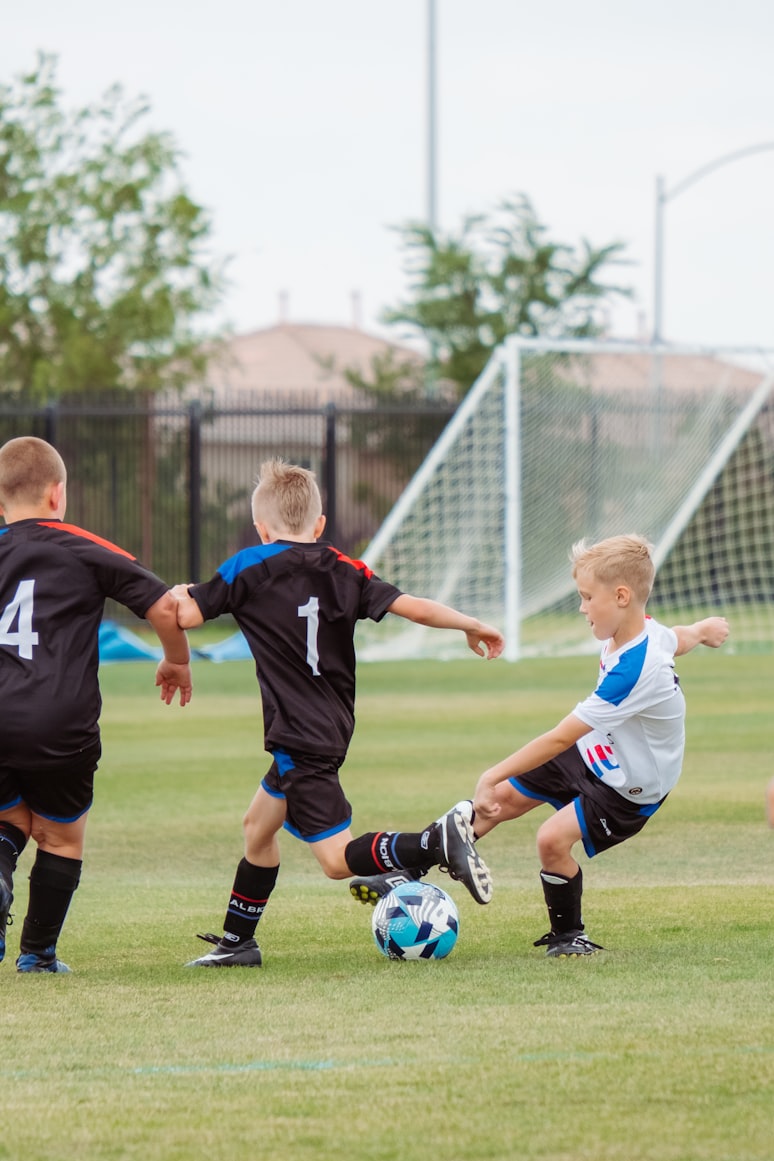
Diving into challenges prematurely represents the most common individual pressing error. Players must maintain defensive stance, jockeying opponents whilst waiting for pressing triggers rather than committing to challenges that leave them beaten if unsuccessful.
Team Pressing Breakdowns
Lack of coordination between pressing players allows opponents to play through pressure easily. If one player presses aggressively whilst teammates remain passive, opponents simply pass around the presser. Effective pressing tactics football systems require synchronized movement from multiple players.
Gaps between units occur when pressing forwards commit without midfield support, or midfielders press without defensive line compressing simultaneously. These disconnections create dangerous passing lanes that organized opponents exploit ruthlessly.
Inconsistent pressure allows opponents to establish rhythm and confidence. Teams that press aggressively sometimes but drop off other times confuse themselves whilst allowing opponents to anticipate defensive approach, reducing pressing effectiveness dramatically.
When to Stop Pressing
Reading when press is broken requires tactical maturity many young players lack. Signs include opponents playing successfully through first line of pressure, numerical disadvantages developing, or forwards becoming isolated from midfield support. Recognizing these signals triggers organized retreats.
Organized retreat involves coordinated backward movement that re-establishes defensive shape quickly. Rather than panicked running towards goal, effective teams compress space systematically, preventing counter-attacking opportunities whilst resetting defensive structure.
Resetting defensive shape after failed pressing often determines whether pressing mistakes prove costly. Teams that reorganize quickly limit damage, whilst those that remain disorganized after pressing breaks down concede dangerous chances regularly.
Pressing Variations and Adaptations
Counter-Pressing (Gegenpressing)
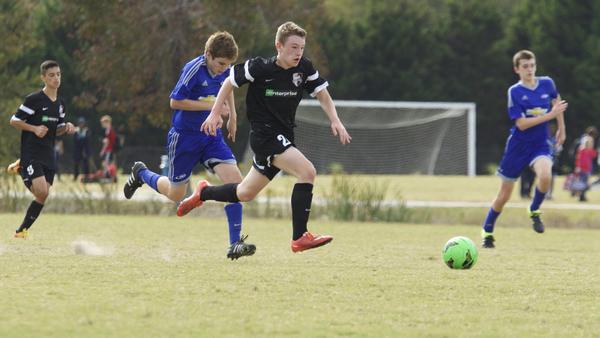
Immediate pressure after losing possession prevents opponents from counter-attacking whilst your team remains advanced. This aggressive approach - popularized by leading clubs worldwide - suits youth teams because it channels their natural desire to win the ball back immediately into tactically productive behaviour.
Positioning for counter-press success requires players to consider defensive responsibilities even whilst attacking. When your team attacks, players should position themselves to apply instant pressure if possession is lost, rather than committing so aggressively they cannot press effectively.
Intensity and timing separate effective counter-pressing from chaotic chasing. The first 5-6 seconds after losing possession provide the optimal window for counter-pressing, as opponents remain disorganized and haven't established passing rhythm. After this window closes, organized retreat often proves more effective.
Situational Pressing
Goal kicks present excellent pressing opportunities as opponents must build from predictable positions with limited options. Training specific goal kick pressing scenarios - perhaps pressing aggressively when opponents play short but dropping off for long kicks - provides competitive advantages requiring minimal tactical sophistication.
Throw-ins and corners create temporary numerical advantages that favour aggressive pressing. When opponents take throw-ins in their defensive half, pressing the receiver immediately often generates turnovers in dangerous areas, whilst corner kicks provide opportunities for instant transition attacks.
Specific game moments like the final minutes when trailing demand maximum pressing intensity regardless of sustainability. Teaching players when situations justify all-out pressing - accepting vulnerability if unsuccessful - develops tactical flexibility and game management.
Adapting to Opposition
Pressing technical teams requires different approaches than physical opponents. Technical teams might play through aggressive pressure if gaps exist, demanding more disciplined pressing with excellent compactness. Physical teams may struggle with sustained pressure that prevents their preferred direct approach.
Adjusting against strong build-up play sometimes requires abandoning high pressing entirely. If opponents consistently play through your press, mid-block or low-block approaches might prove more effective, preventing dangerous counter-attacking opportunities that aggressive pressing creates.
Reading opponent patterns allows pressing systems to exploit specific weaknesses. If centre-backs always pass to specific full-backs, positioning players to anticipate these passes creates interception opportunities. Video analysis and match observation inform these tactical adjustments.
Measuring Pressing Effectiveness
Key Performance Indicators
Successful pressure percentage measures how often pressing actions result in possession wins or forced errors. Tracking these statistics helps coaches assess whether pressing systems function effectively or merely exhaust players without producing results.
Turnovers in final third directly correlate with pressing system success. Teams winning possession frequently in attacking areas through pressing create significantly more goal-scoring opportunities than those winning possession deeper, making this metric crucial for evaluating pressing effectiveness.
Transition speed to attack after winning possession through pressing indicates tactical sophistication. Elite pressing teams don't just win the ball; they immediately attack vulnerable opponents before defences reorganize. Measuring time between winning possession and creating chances reveals pressing system quality.
Video Analysis and Review
Identifying pressing triggers through video analysis helps players recognize optimal pressing moments during matches. Reviewing successful pressing sequences reinforces proper decision-making, whilst analyzing missed opportunities develops tactical awareness.
Analyzing team coordination reveals whether pressing breakdowns stem from individual errors or systemic issues. Video clearly shows whether players maintain proper spacing, provide adequate cover, and move synchronously during pressing actions.
Learning from mistakes accelerates pressing development dramatically. Video evidence of pressing errors - premature pressure, poor positioning, inadequate cover - provides concrete examples that facilitate tactical learning more effectively than abstract coaching points.
Conclusion
Introducing effective pressing systems transforms grassroots teams from reactive to proactive, creating competitive advantages through organized defensive work that generates attacking opportunities. The frameworks outlined provide comprehensive pathways for implementing sustainable pressing strategies across all youth age groups.
Remember that pressing development requires patience and progressive implementation. Start with fundamental principles - proper approach angles, basic pressing triggers, simple 2v1 coordination - before advancing to complex systems involving full-team synchronization. Most youth teams benefit more from excellent execution of simple pressing concepts than mediocre implementation of sophisticated systems.
Whether coaching youth football leagues or recreational programmes, pressing tactics football offers tactical depth that engages players intellectually whilst developing physical capabilities. Begin implementing these pressing principles immediately, starting with age-appropriate concepts and progressing systematically as players demonstrate understanding and conditioning.
The transformation from disorganized chasing to coordinated pressing emerges through consistent training emphasis, clear communication, and sustained commitment to systematic defensive work. Your investment in teaching proper pressing technique, tactical principles, and physical conditioning will yield significant competitive advantages whilst developing tactically sophisticated players prepared for higher levels of football competition.
═══════════════════════════════════════════════════════════════