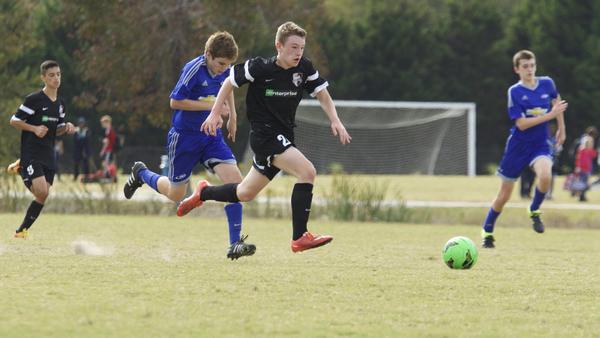

Every coach has been there. You’re standing on the touchline, replaying a missed chance or a defensive lapse in your head, trying to figure out what went wrong. You tell your players what you saw, they nod politely, but without seeing it for themselves, the message doesn’t always land. That’s where football video analysis comes in, turning instinct and observation into something visual, measurable, and actionable.
For grassroots and amateur clubs, video analysis might once have sounded like a luxury reserved for professional teams with expensive analysts. But tools like TeamStats are changing that. Integrating video analysis into your team’s everyday routine is now as easy as uploading a clip, tagging a few moments, and letting your players see what you see. Done right, it transforms how you coach, how your team learns, and how you prepare for every match ahead.
The New Edge in Grassroots Coaching
The modern game is built on data and visuals. Even at the grassroots level, players want to understand their performance, not just be told about it. Video makes that possible. Whether it’s a Saturday league side reviewing match footage or a youth team analysing training drills, seeing the game again changes everything.
Coaches can highlight positioning, spacing, transitions, or communication. Players can see their movement patterns and decision-making in real time. Parents and volunteers can appreciate the tactical side of youth football, which is often overlooked. In short, football video analysis gives everyone involved a clearer, shared picture of the game.
Integrating this process into your team workflow doesn’t just make coaching easier; it creates a learning culture. Players begin to self-correct, to study, and to take pride in improvement that’s visible on screen.
Why Teams Hesitate to Use Video, and Why They Shouldn’t
Many grassroots managers assume video analysis means specialist software, high-end cameras, or paid analysts. In reality, all you need is a smartphone and the right system to store and tag footage. The challenge isn’t cost, it’s habit.
Most teams already record matches for social media highlights or parent replays. The difference is what happens next. Instead of leaving the footage in a WhatsApp group, imagine feeding it into your Team Management App, linking clips to match reports, stats, and player feedback. That’s where football video analysis becomes powerful.
Once it’s part of your process, it doesn’t add work; it saves time. You’re not rewriting feedback after every game; you’re showing it. You’re not explaining what went wrong repeatedly; you’re pausing a clip and discussing it together.
The Psychology Behind Seeing Yourself Play
There’s a reason professional clubs use video review sessions after every match. When players see themselves in action, they learn faster. Visual learning creates stronger connections between feedback and behaviour.
In grassroots football, this works wonders for young players. Instead of being told they “drift too wide,” they see it. Instead of explaining that a midfielder’s pressing was half a second late, they can watch it unfold on screen. That kind of learning sticks.
It also builds trust between players and coaches. There’s no ambiguity, no “he said, she said.” Just evidence. And when players see what the coach sees, communication improves instantly.
If you want to understand how visual learning complements tactics, check out the guide to Best Football Formations, a helpful resource for linking your analysis clips with your tactical setup.
How to Integrate Video Analysis into Your Routine
Every club is different, but the process of adding video review to your workflow follows a simple pattern. Here’s a structure that works for most teams, whether you’re managing under-10s or a Sunday league side.
1. Record the Match
Use a smartphone, tablet, or portable camera on a tripod. Frame the pitch so you can see the majority of the play. You don’t need professional quality; consistency matters more than perfection.
2. Upload to TeamStats
Once your footage is ready, upload it to your dashboard alongside your match report. This keeps your media, stats, and performance data in one place, a perfect foundation for football video analysis.
3. Tag Key Moments
Go through the footage and tag highlights, goals, chances, tackles, transitions, or set-piece routines. You can categorise by player or phase of play. Short clips make reviewing easier for everyone.
4. Share and Discuss
Invite players to view the footage privately or review it together as a group. Encourage discussion, not blame. Ask players what they notice first, and self-discovery improves retention.
5. Apply and Repeat
Use insights from video sessions in your next training plan. If you noticed your defence losing shape, schedule a drill to improve positioning. Then record the next game and track progress.
Once you’ve repeated this process a few times, it becomes part of your rhythm, just another layer in your preparation, not an extra burden.
Real-World Example: The Northfield Juniors Turnaround
Northfield Juniors, an under-15s side in Birmingham, were struggling with consistency. Their manager, Paul, decided to start recording matches using a phone and a small tripod. At first, players were shy, nobody likes watching themselves miss a sitter.
After two weeks, things changed. During a training session, they watched clips showing gaps between midfield and defence. Paul paused, pointed, and let them analyse it. The players began discussing solutions themselves. Within a month, their shape tightened up, and they conceded 40% fewer goals.
By the end of the season, Northfield Juniors were using football video analysis every week. Parents noticed the improvement, players became more focused, and the manager finally felt like the message was getting through. No expensive software, just smart integration and open communication.
For further improvement in defensive structure, teams can refer to the detailed article on Best Tactics and Formations for 9-a-Side Football, which complements the lessons learned through video.
Using Video for Player Development
Video analysis isn’t just about pointing out mistakes; it’s about celebrating progress. Showing a player their improvement over time can be incredibly motivating.
A young striker who sees how their movement has improved since the start of the season gains confidence. A goalkeeper who watches themselves command the box better realises their growth. When players visualise progress, they’re more likely to keep working hard.
Video also provides a record for coaches to use in one-to-one development chats. Instead of vague praise or criticism, you can reference specific moments: “Remember this save from week four? That’s what confidence looks like.” It’s measurable, memorable, and meaningful.
You can also draw inspiration from the Number Six Position article, a great example of how positional understanding ties directly into what players observe in video sessions.
Tactical Benefits of Football Video Analysis
Every coach knows how quickly a match can swing, one lapse of concentration, one poor transition. Analysing video gives you a clearer understanding of why those moments happen. It allows you to see the why behind the what.
By integrating football video analysis into your planning, you can spot patterns that stats alone can’t show:
How your team reacts to losing possession.
Whether players stick to their pressing triggers.
How spacing changes between the defence and midfield.
Which passing lanes do opponents exploit most?
Combine that insight with your TeamStats performance data, and you have a complete tactical overview, numbers supported by visuals.
Teams competing in structured youth systems, such as the Eastern Junior Alliance or the Midland Junior Premier League, can benefit immensely from pairing these insights with their fixture analysis.
Connecting Video to Data for Maximum Impact
TeamStats already tracks player availability, match stats, and finances. By integrating video into that same ecosystem, you build a single source of truth for your club.
You can link clips directly to performance stats. Imagine watching a player’s top-rated match and seeing exactly why they performed well. Or comparing video from two fixtures to see tactical adjustments in action. That’s how professional-level learning becomes accessible to grassroots clubs.
For managers running teams in Sunday competitions, connecting video clips to match insights from the Sunday League Teams Directory can give broader tactical awareness across divisions.
Common Pitfalls to Avoid When Introducing Video Review
Like any tool, video analysis can go wrong if mishandled. To keep your workflow effective, avoid these common errors:
Over-analysis: Don’t flood players with clips. Focus on 3–5 key learning points per session.
Negative tone: Use video to teach, not criticise. Highlight positives as often as mistakes.
No context: Always link clips to your tactical plan or team objectives.
Poor quality footage: Keep the camera steady and ensure players are visible.
Inconsistent reviews: Make analysis a habit, not a one-off event after losses.
Consistency turns video review into a culture rather than a gimmick.
Encouraging Player Involvement
The most successful teams make players part of the analysis process. Ask them to suggest clips worth reviewing. Encourage them to reflect: “What could I have done differently here?”
That self-evaluation mindset helps young players develop game intelligence. You’ll find they start spotting patterns on their own, calling out positioning issues or transition gaps before you do.
Empowering players in this way fosters ownership, accountability, and maturity, qualities that translate directly to better performance on the pitch.
Bringing the Team Together Off the Pitch
Video sessions can become powerful team-building moments. Reviewing matches together sparks conversation, laughter, and bonding. Players support each other’s growth instead of hiding from criticism.
It also keeps parents engaged. For youth clubs, sharing select highlights helps parents understand tactical learning, not just the final score. Transparency strengthens community support, a vital part of grassroots football.
Teams looking to build stronger community links can explore Grassroots Football Fundraising Ideas for ways to invest in better recording equipment and coaching tools.
From Clips to Coaching Plans
Once your video review is integrated, it feeds directly into your planning cycle. TeamStats lets you align your clips with upcoming sessions, so every training drill connects to real match moments.
For example:
Clip shows poor marking on corners → Next session: defensive set-piece routine.
Clip shows successful counterattack → Next session: transitions under pressure.
Clip shows midfield gaps → Next session: compact shape drill.
That connection between what happens on the pitch and what happens in training closes the feedback loop perfectly.
Building for the Future
Grassroots clubs are evolving fast. What used to be done with pen and paper is now digital, measurable, and accessible. Integrating football video analysis into your club’s ecosystem doesn’t just make sense today, it futureproofs your operation.
When young players progress, they’ll already be familiar with the same tools used at academies and semi-pro levels. Coaches gain credibility, committees see results, and the club becomes a model of modern development.
To understand how early player learning connects to long-term development, see What Is Grassroots Football?, an excellent companion to this topic.
How TeamStats Makes Video Analysis Simple
TeamStats was built to make club management effortless, and video review is no exception. You can upload clips directly to match pages, tag highlights, and connect them to stats. Players can log in to view footage securely from anywhere, keeping analysis consistent even when everyone’s busy.
You don’t need extra software, USB drives, or endless email chains. Everything sits inside one organised platform, results, reports, communications, and videos, all tied together under your team profile.
If you’re serious about improving performance, the platform is your one-stop hub for both insight and efficiency. You can explore more about how the Team Management App brings these tools together, or get in touch if you’d like help setting up your first workflow.
Final Whistle: Turning Vision into Improvement
When the final whistle blows, the real work begins. Every match offers lessons, but those lessons only matter if you capture them. Integrating video into your workflow gives you that power.
You’ll move from vague feedback to clear, visual insight. From guesswork to evidence. From repeating the same mistakes to learning from them.
That’s the promise of football video analysis, clarity that drives progress, for teams of every size.
So next time you pack the kit bag, bring your camera too. The footage you record today could shape your next victory tomorrow.