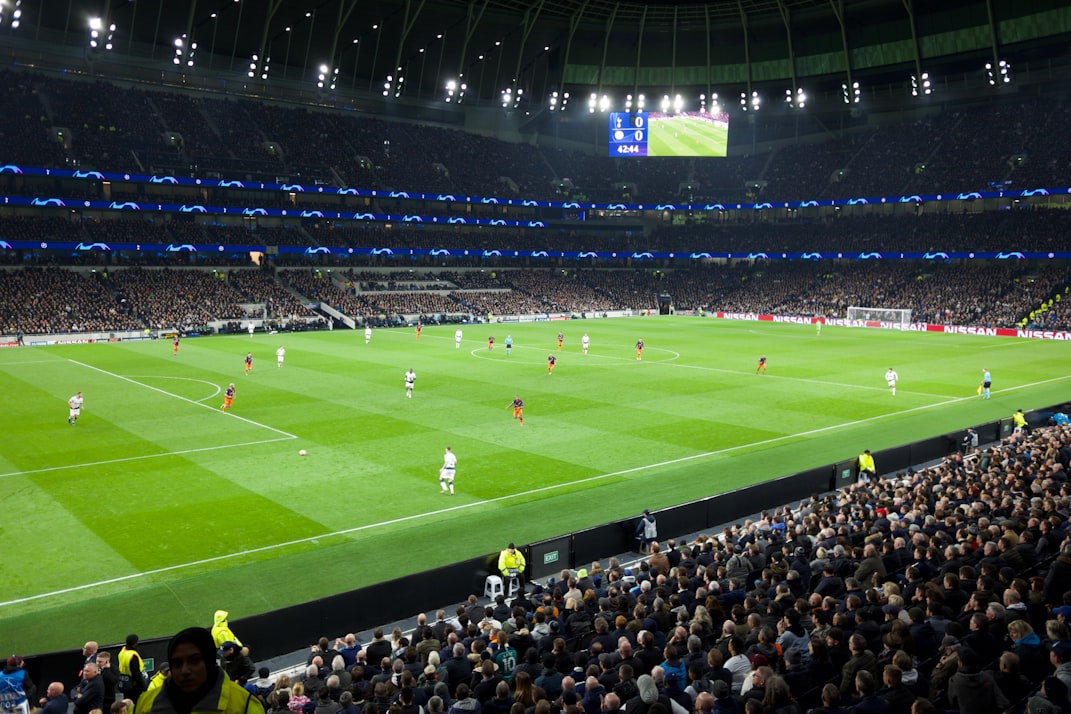

Grassroots football clubs consume more resources than most volunteers realise. A single season involves hundreds of car journeys, thousands of plastic bottles, weekly pitch maintenance with chemical treatments, and mountains of kit that's replaced annually. For clubs running multiple age groups, the environmental footprint multiplies quickly - and so does the cost.
Sustainable football clubs aren't just responding to environmental concerns. They're cutting operational costs, attracting community support, and teaching young players values that extend beyond the pitch. When Lewes FC became the world's first carbon-neutral football club in 2012, they demonstrated that environmental responsibility and competitive football aren't mutually exclusive. Now, grassroots clubs across the UK are discovering that sustainability initiatives often pay for themselves while building stronger community connections.
The shift towards sustainable practices doesn't require massive investment or specialist knowledge. Small changes to travel coordination, kit management, and facility usage create a measurable impact while reducing the administrative burden on volunteer managers. Digital tools like football coaching apps now track environmental metrics alongside match statistics, making sustainability as manageable as fixture scheduling.
Understanding the Environmental Impact of Grassroots Football
The carbon footprint of a typical under-12s team running 30 fixtures per season reveals surprising figures. If each player's family drives separately to matches, averaging 15 miles return, that's 450 individual car journeys. Add training sessions twice weekly, and the season generates roughly 1,350 separate trips. For clubs with eight teams, that's 10,800 journeys before counting coach travel, equipment transport, or away tournament trips.
Pitch Maintenance Concerns
Pitch maintenance presents another significant environmental consideration. Traditional grass pitch care relies heavily on fertilisers, pesticides, and regular mowing with petrol-powered equipment. A single grass pitch can require 200-300 litres of water per square metre annually in drier regions, plus chemical treatments that run off into local waterways. Artificial pitches eliminate some concerns but create others - most contain microplastics that degrade over time, and their production involves substantial carbon emissions.
Kit and Equipment Waste
Kit and equipment waste accumulates rapidly. Growing children need new boots and shin pads each season. Clubs order fresh playing strips every two years. Training equipment breaks or becomes outdated. A 15-player squad might discard 30 pairs of boots, 15 shin pads, and multiple training tops annually - most ending up in landfills rather than recycling facilities.
FA Green Football Weekend Findings
The Football Association's Green Football Weekend initiative in 2021 highlighted these impacts across English football. Participating clubs measured everything from single-use plastics at matches to energy consumption in clubhouses. The data showed that even small clubs could reduce their environmental impact by 30-40% through coordinated changes, with many initiatives actually saving money.
Creating a Sustainable Transport Strategy
Car sharing transforms both environmental impact and team culture. When Hertfordshire's Colney Heath FC implemented a coordinated lift-sharing system, they reduced match-day car journeys by 62% while strengthening relationships between families. The approach required minimal technology - a simple WhatsApp group where parents posted their route and available seats before each fixture.
Digital Coordination Tools
TeamStats and similar platforms now automate this coordination. When players confirm availability, the system can suggest car-sharing groups based on postcodes. Parents receive notifications about who's travelling their route, eliminating the awkward conversations about asking for lifts. One Surrey-based under-14s team calculated they'd saved £1,200 collectively in fuel costs during their first season using coordinated travel.
Public Transport and Active Travel
Public transport and active travel options work better than many clubs assume. For home fixtures, encouraging families to walk or cycle creates pre-match routines that benefit player warm-ups. Bristol's Dundry Athletic offers a "walking bus" system where designated adults collect players along set routes, turning the journey into part of the match-day experience. Players arrive already mentally prepared and physically warmed up.
Mini-Bus Hire Benefits
Away fixtures present bigger challenges, but mini-bus hire often proves more economical than multiple cars while dramatically reducing emissions. Clubs can negotiate season-long arrangements with local transport companies, securing better rates while guaranteeing the provider regular business. The social benefits matter too - players bond during shared journeys in ways that separate car trips never achieve.
Cycling to Training
Cycling to training deserves particular attention for clubs with local facilities. Nottinghamshire's Keyworth United created secure bike storage and introduced a "cycle miles" competition that tracked player journeys throughout the season. Participation rates reached 40% for training sessions, with players cycling an average of 300 miles each across the season. The initiative cost £180 for bike racks but eliminated hundreds of short car journeys.
Implementing Sustainable Kit and Equipment Practices
Kit recycling schemes extend the life of expensive equipment while supporting families facing financial pressure. Successful programmes require organisation rather than investment. Designate specific collection sessions at season's end where families donate outgrown boots, shin pads, and training wear. Clean and sort items by size, then offer them free or at nominal cost before the next season begins.
Boot Library Systems
Forest of Govan Community FC in Glasgow operates a "boot library" that's become integral to their community role. Families borrow appropriately-sized boots for the season, returning them when players outgrow them. The system maintains 200+ pairs in circulation, saving families an estimated £80-100 per child annually while ensuring no player misses sessions due to equipment costs. The club reports that boots typically serve 3-4 children before wearing out - triple the usage of traditional ownership models.
Sustainable Kit Purchasing
Sustainable kit purchasing focuses on durability and ethical production. While cheap replica shirts tempt budget-conscious clubs, they rarely survive a full season of weekly washing. Investing in higher-quality teamwear from manufacturers with verified sustainability credentials costs more initially but reduces replacement frequency. Several UK suppliers now offer playing shirts made from recycled plastic bottles - typically 8-10 bottles per shirt - without compromising performance.
Equipment Maintenance and Repair
Training equipment longevity improves dramatically with proper storage and maintenance systems. Weather-damaged footballs and cones represent avoidable waste. Designate a dry storage area and assign responsibility for equipment checks. A Hampshire club reduced their annual equipment budget by 40% simply by implementing a "clean and count" routine after each training session, catching small damage before it rendered items unusable.
Repairing rather than replacing extends equipment life significantly. Local cobblers can restitch boot seams and replace studs for £10-15 - a fraction of new boot costs. Goal nets can be patched rather than replaced entirely. Training bibs last longer when washed properly rather than left damp in bags. These small maintenance habits compound into substantial savings while modelling resourcefulness to young players.
Reducing Single-Use Plastics and Waste
Reusable water bottles eliminate one of grassroots football's most visible waste streams. The average player might use 3-4 single-use bottles per match day when families buy drinks at venues. Across a 30-match season with 15 players, that's 1,800+ plastic bottles. Providing club-branded reusable bottles as part of registration creates immediate impact while building team identity.
Implementation Strategies
Implementation requires addressing practical concerns. Players need regular reminders to bring bottles, and clubs need strategies for players who forget. Cornwall's Bodmin Town Youth FC installed a water fountain at their home ground and keeps a small supply of reusable bottles that players can borrow and return. Their single-use plastic waste dropped 85% in the first season after introducing the system.
Match-Day Refreshment Alternatives
Match-day refreshments generate substantial packaging waste. Traditional post-match treats involve individually wrapped snacks and juice boxes. Switching to bulk purchases in reusable containers requires minimal additional effort while cutting costs. One parent preparing orange slices and biscuits in a shared container replaces 15 individually packaged items. The approach works equally well for away fixtures using portable food containers.
Clubhouse Operations
Clubhouse operations often overlook waste reduction opportunities. Disposable cups, plates, and cutlery accumulate rapidly during weekend fixtures when multiple teams use facilities. Investing in a commercial dishwasher and reusable items costs £2,000-3,000 initially but eliminates ongoing disposable purchases. Clubs with 200+ members typically achieve payback within 18 months while dramatically reducing waste.
First Aid Considerations
First aid supplies present a specific challenge since hygiene requirements necessitate some single-use items. However, clubs can still reduce waste by purchasing larger quantities that use less packaging per unit, choosing products with recyclable packaging, and ensuring proper disposal of items like ice pack wrappers rather than letting them become litter.
Optimising Facility Usage and Energy Consumption
Floodlight usage represents the largest energy cost for most clubs with their own facilities. LED conversion reduces consumption by 50-70% compared to traditional halogen systems while improving light quality. The £5,000-15,000 investment typically pays back within 3-5 years through reduced electricity bills. Several County FAs offer grants specifically for LED upgrades, recognising both environmental and financial benefits.
Training Schedule Adjustments
Training schedules that maximise natural light reduce energy consumption without compromising player development. Spring and summer sessions can shift 30 minutes earlier to avoid floodlight usage entirely. During darker months, grouping multiple teams into consecutive sessions minimises the time lights operate while spreading electricity costs across more users.
Clubhouse Heating Efficiency
Clubhouse heating efficiency improves through surprisingly simple changes. Ensuring doors close properly, adding basic insulation, and installing programmable thermostats prevent wasted energy heating empty buildings. A Midlands club reduced their heating costs by £800 annually simply by installing timer controls that prevented the system from running overnight and installing draught excluders on external doors.
Pitch Maintenance Scheduling
Pitch maintenance scheduling affects both environmental impact and costs. Coordinating with other facility users ensures equipment runs efficiently rather than making multiple trips for small tasks. Electric mowing equipment now matches petrol alternatives for performance while eliminating direct emissions and reducing noise pollution that affects neighbouring properties.
Water Conservation Measures
Water conservation measures matter particularly for clubs maintaining grass pitches in drier regions. Installing water butts to collect roof runoff provides free irrigation water while reducing demand on mains supplies. Timing watering for early morning or evening minimises evaporation. Choosing grass varieties suited to local conditions reduces water requirements while maintaining playing quality.
Building Community Engagement Around Sustainability
Sustainability initiatives strengthen community connections when clubs communicate their impact effectively. Publishing quarterly updates showing specific achievements - "The club has eliminated 2,400 plastic bottles this season" or "Car sharing saved families £3,000 in fuel costs" - makes abstract environmental benefits concrete and relatable. Parents appreciate knowing their participation contributes to measurable positive change.
Junior Player Involvement
Junior player involvement transforms sustainability from an adult concern to a shared team value. Assigning rotating "green captain" responsibilities teaches leadership while ensuring practices continue. The green captain might check that everyone brought reusable bottles, organise kit collection after training, or lead the team's litter pick-up before leaving the venues. These small responsibilities build environmental awareness that players carry into other life areas.
Local Partnerships
Local partnerships multiply impact while reducing costs. Garden centres might donate compost for pitch maintenance in exchange for sponsor recognition. Cycle shops could offer discounted maintenance for players who cycle to training. Environmental organisations often provide free educational sessions or resources for youth football groups. These partnerships position clubs as community hubs rather than isolated organisations.
Competitions and Challenges
Competitions and challenges maintain engagement over full seasons. Track collective cycling miles, count plastic items prevented from landfill, or measure reduction in car journeys month-by-month. Display progress visibly at training facilities. Recognition doesn't require expensive rewards - certificates, social media features, or small privileges like choosing the first training drill motivate young players effectively.
Parent Education Sessions
Parent education sessions address common sustainability questions and concerns. Many families want to reduce environmental impact but lack specific knowledge about effective approaches. A club hosting a 30-minute session on sustainable sports equipment, car sharing benefits, or reducing match-day waste provides practical value while demonstrating leadership on issues parents care about.
Leveraging Technology for Sustainable Operations
Digital communication eliminates paper waste while improving information accessibility. Clubs still printing fixture lists, team sheets, and newsletters consume substantial resources unnecessarily. A team management app centralises all communication, ensuring parents receive real-time updates without printing costs or delivery emissions. The environmental benefit compounds over seasons - a club with 100 families might eliminate 10,000+ printed pages annually.
Attendance Tracking Benefits
Attendance tracking and availability management through digital platforms prevent wasted journeys. When coaches know exact numbers before sessions, they can adjust plans appropriately and notify families if training is cancelled due to low numbers. This coordination prevents families from making unnecessary trips while helping coaches plan more effectively for the players who attend.
Digital Match Analysis
Digital match analysis reduces the need for physical video equipment transport and storage. Cloud-based systems let coaches record sessions on smartphones and share analysis with players instantly. This approach eliminates the environmental cost of physical media while making feedback more timely and accessible. Several grassroots clubs now conduct tactical reviews entirely digitally, with players accessing annotated clips through shared platforms.
Environmental Impact Tracking
Environmental impact tracking requires measurement, and technology makes this manageable for volunteer-run clubs. Apps designed for carbon footprint calculation can estimate team travel emissions based on fixture locations and attendance data. Tracking these metrics over multiple seasons demonstrates progress while identifying areas needing attention. When clubs see that away fixtures account for 70% of their travel emissions, they might coordinate more effectively with nearby teams for shared transport.
Digital Payment Systems
Payment systems that reduce cash handling eliminate the environmental cost of bank visits while improving financial transparency. Digital payment platforms for subscriptions, kit purchases, and fundraising events mean fewer car journeys, specifically for financial transactions. The administrative time savings matter equally - treasurers spend less time processing cash and more time on activities that directly benefit players.
Measuring Impact and Maintaining Momentum
Baseline measurement establishes the starting point for improvement. Before implementing changes, document current practices - how many car journeys occur per fixture, what percentage of players use single-use bottles, annual kit expenditure, and energy bills for facilities. These figures needn't be perfectly precise; reasonable estimates provide sufficient comparison points for measuring progress.
Quarterly Reviews
Quarterly reviews maintain focus without creating excessive administrative burden. Every three months, measure key metrics against baseline figures. Calculate plastic items prevented from landfill, estimate emissions reduced through car sharing, track energy consumption changes, and document cost savings. Share these figures with club members, highlighting specific contributions from player and parent participation.
Financial Tracking
Financial tracking demonstrates that sustainability initiatives often improve club finances rather than straining budgets. When a club documents £1,200 saved through coordinated travel, £800 reduced heating costs, and £600 less spent on disposable items, the business case for environmental responsibility becomes undeniable. These savings can fund player development activities, coaching courses, or facility improvements.
Addressing Challenges
Challenges will emerge - some parents won't participate in car sharing, players will forget reusable bottles, and initial costs for some changes may strain budgets. Sustainable football clubs address these issues through persistent communication rather than expecting perfect compliance immediately. Sustainability becomes embedded in club culture gradually, with each season building on previous progress.
External Recognition
Recognition from external organisations validates efforts and raises the club's profile. The FA's Green Football Weekend offers awards for participating clubs. County FAs increasingly recognise sustainability achievements in their annual assessments. Local media often feature community organisations taking environmental action. These recognition opportunities provide positive publicity while motivating continued improvement.
Connecting Sustainability to Player Development
Environmental responsibility teaches values that extend far beyond football. When young players participate in sustainability initiatives, they develop awareness of their impact on the world around them. These lessons about resource conservation, waste reduction, and community responsibility complement the teamwork and discipline that football naturally teaches.
Decision-Making Skills
Decision-making skills improve when players understand the consequences of their choices. Choosing to cycle rather than drive, bringing reusable bottles rather than buying disposable ones, and caring for equipment so it lasts longer all involve weighing immediate convenience against longer-term benefits. These thinking patterns transfer to tactical decisions on the pitch and life choices off it.
Leadership Opportunities
Leadership opportunities emerge through sustainability roles. The player who reminds teammates to bring reusable bottles, organises kit collection, or coordinates cycling groups develops organisational and communication skills. These experiences build confidence and capability that benefit players throughout their development.
Community Awareness
Community awareness grows when players see their club contributing positively to local environmental goals. Understanding that their actions reduce plastic in local waterways, decrease air pollution from vehicle emissions, or conserve resources for future generations connects abstract environmental concepts to tangible local impact.
Creating Your Sustainability Action Plan
Starting small prevents overwhelm while building momentum. Clubs attempting comprehensive changes simultaneously often struggle with implementation and parent buy-in. Instead, identify 2-3 initial focus areas where impact will be most visible and achievable. Eliminating single-use plastics and implementing car sharing typically deliver quick wins that demonstrate value and build support for subsequent initiatives.
Assigning Responsibilities
Assign clear responsibilities to ensure follow-through. Sustainability efforts fail when everyone assumes someone else will handle implementation. Designate a "green team" of 2-3 volunteers who coordinate initiatives, track progress, and maintain communication. This focused responsibility ensures consistent attention without overwhelming any individual.
Setting Realistic Timelines
Set realistic timelines that acknowledge volunteer constraints. Ambitious deadlines create stress and risk burnout amongst already busy volunteers. Planning changes across 6-12 months allows proper implementation while giving families time to adjust habits. Sustainability becomes embedded in club operations rather than feeling like an additional burden.
Clear Communication
Communicate plans clearly before implementation. Parents support changes they understand and see value in. Explain both environmental benefits and practical advantages - cost savings, improved organisation, enhanced player development. Address anticipated concerns proactively, providing solutions for common objections before they become obstacles.
Celebrating Progress
Celebrate progress regularly to maintain enthusiasm. When the club reaches milestones - 1,000 plastic bottles prevented, £500 saved through car sharing, 50% reduction in equipment waste - acknowledge these achievements publicly. Recognition motivates continued participation while demonstrating that collective small actions create meaningful impact.
Conclusion
Sustainable football clubs deliver multiple benefits that extend well beyond environmental impact, reduced operational costs and provide free resources for player development. Stronger community connections attract new members and local support. Young players learn values about responsibility and long-term thinking that complement their football education. The administrative efficiencies gained through coordinated travel, digital communication, and systematic equipment management reduce the burden on volunteer managers while improving club organisation.
The transition to sustainable operations doesn't require specialist knowledge or massive investment. Small changes to transport coordination, kit management, facility usage, and waste reduction create a measurable impact within a single season. Digital tools make tracking and coordination manageable even for entirely volunteer-run organisations, ensuring sustainability initiatives enhance rather than complicate club operations.
Grassroots football's future depends on clubs that balance competitive football with community responsibility and financial sustainability. Environmental initiatives contribute to all three priorities simultaneously. As more sustainable football clubs demonstrate that sustainability improves rather than compromises operations, these practices will shift from innovative to expected - creating a healthier environment for the next generation of players both on and off the pitch. Get started with TeamStats to coordinate travel efficiently, eliminate paper waste through digital communication, and track environmental impact alongside match statistics for truly sustainable club operations.
═══════════════════════════════════════════════════════════════