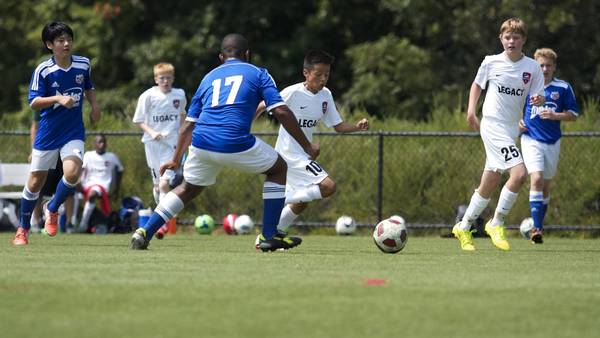
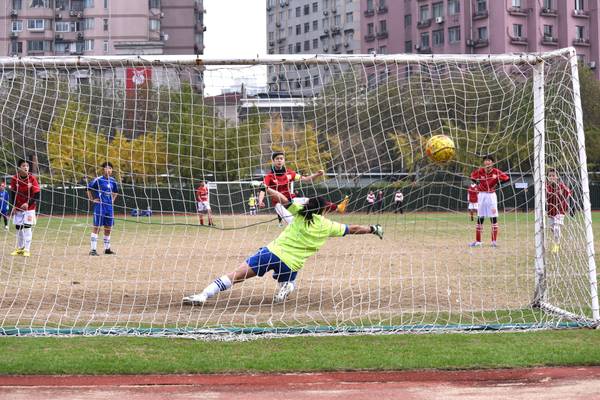
In football, injuries happen, even in the best-prepared teams. From twisted ankles to strained hamstrings, the physical nature of the sport means knocks are inevitable. But what separates teams that bounce back quickly from those that struggle isn’t just luck; it’s recovery discipline. Structured rehab exercises football injuries help players return stronger, safer, and more confident.
Grassroots football, in particular, often lacks access to full-time physiotherapists or medical staff. That’s why understanding basic rehabilitation principles and implementing simple, safe exercises makes a world of difference. For young and amateur players, rehab isn’t just about recovery; it’s about prevention, performance, and longevity.
Why Rehabilitation Matters in Football
Rehabilitation bridges the gap between injury and full fitness. Without it, players risk recurring problems, weaker muscles, and loss of match fitness. A well-designed rehab plan restores strength, mobility, and coordination, all essential for a safe return to play.
The Cost of Rushing Back Too Soon
It’s common for players eager to help their team to rejoin training before they’re ready. Unfortunately, this often leads to setbacks. Each rushed recovery can extend the time out by weeks or even months.
The Grassroots Challenge
Grassroots players rarely have the luxury of full-time support teams. Coaches, parents, and the players themselves often take the lead in recovery. Using digital tools like the TeamStats team management app, clubs can monitor injury logs, share rehab plans, and track progress efficiently, bringing a professional level of organisation to local football.
Understanding Common Football Injuries
Football injuries can range from mild sprains to more serious ligament tears. Knowing the most common types helps create suitable rehabilitation programmes.
Typical Injuries in Grassroots Football
Ankle sprains – caused by uneven ground or awkward landings.
Hamstring strains – from sudden sprints or overextension.
Groin pulls – common in players making lateral movements.
Knee injuries (including ACL and MCL) – often from twisting or direct contact.
Shin splints – repetitive stress on lower legs.
Lower back pain – due to poor posture or core weakness.
Each requires specific rehabilitation to restore strength and function safely.
The Rehabilitation Phases
Rehabilitation happens in clear stages, and understanding these helps coaches and players plan recovery intelligently.
Phase 1: Acute Stage (0–72 hours)
Goal: Reduce pain and swelling.
Focus: Rest, ice, compression, elevation (RICE).
Tip: Avoid stretching or strengthening too early, tissue needs to settle first.
Phase 2: Early Mobility (3–7 days)
Goal: Restore gentle movement and circulation.
Exercises: Light range-of-motion drills, gentle walking, or cycling on low resistance.
Phase 3: Strength & Stability (1–3 weeks)
Goal: Build back strength in affected muscles.
Exercises: Controlled resistance work and balance drills.
Phase 4: Functional Return (3–6 weeks and beyond)
Goal: Reintroduce sport-specific movements.
Exercises: Agility ladders, jogging, controlled sprints, and ball work.
Tracking each player’s progress through these stages using TeamStats ensures coaches can oversee recovery safely and systematically.
Rehabilitation Exercises by Injury Type
Every injury demands targeted exercises. Below are structured examples suitable for rehab exercises football injuries programmes.
Ankle Sprain Rehabilitation
Ankle sprains are among the most frequent football injuries. They require patience and gradual strengthening to prevent re-injury.
Stage 1: Range of Motion
Alphabet Exercise: Sit down and “write” the alphabet in the air with your foot to restore flexibility.
Ankle Circles: Gentle, slow rotations to reduce stiffness.
Stage 2: Strengthening
Resistance Band Pushes: Push and pull against elastic resistance in all directions.
Single-Leg Balance: Stand on one leg for 30 seconds, increasing time as stability improves.
Stage 3: Functional Movement
Side Hops: Short hops side to side to rebuild balance and control.
Light Jogging: Once pain-free, begin short runs on flat surfaces.
Hamstring Strain Rehabilitation
Hamstring injuries often occur from explosive sprints. Rebuilding flexibility and strength is crucial.
Stage 1: Gentle Mobility
Heel Slides: Slide your heel towards your glutes while lying on your back.
Static Hamstring Stretch: Hold gentle stretches for 10–15 seconds, only after acute pain has eased.
Stage 2: Strength
Bridges: Lie on your back, knees bent, lift hips upwards while tightening glutes.
Nordic Curls: Slowly lower your body forward from a kneeling position while a partner holds your ankles, builds eccentric strength.
Stage 3: Dynamic Return
Jogging Drills: Gradual acceleration and deceleration runs.
Ball Touches: Light control work with both legs to reintroduce coordination.
Groin Pull Rehabilitation
Groin strains are particularly common in players who twist or kick awkwardly.
Stage 1: Controlled Mobility
Butterfly Stretch: Sit and bring the soles of your feet together, gently pressing your knees down.
Side Lunges: Controlled, shallow movements to restore adductor strength.
Stage 2: Strengthening
Ball Squeeze Drill: Place a football between your knees and gently squeeze for 10-second holds.
Standing Adduction: Use a resistance band attached to a post to pull the leg inward.
Stage 3: Return to Play
Side Steps with Band: Builds lateral strength.
Short Passes: Low-intensity ball work to mimic real movements safely.
Knee Injury Rehabilitation
Knee injuries, especially ACL and MCL strains, can be long-term challenges. Careful progression is key.
Stage 1: Range of Motion
Heel Slides: Restore movement without pressure.
Quad Sets: Tense thigh muscles and hold for 5 seconds to maintain strength.
Stage 2: Strengthening
Step-Ups: Controlled movement on a small step or box.
Wall Sits: Hold a sitting position with back against the wall for 30 seconds.
Stage 3: Functional Recovery
Mini Squats: Controlled shallow squats.
Agility Ladders: Rebuild dynamic stability once confident.
Tracking rehab completion and progress in the TeamStats team management app allows coaches to adjust intensity and avoid premature returns.
Shin Splint Rehabilitation
Shin splints are common with overtraining or poor footwear.
Stage 1: Rest and Ice
Reduce inflammation and avoid hard surfaces.
Stage 2: Strength
Toe Raises: Lift toes while keeping heels grounded.
Calf Raises: Strengthen supporting muscles to reduce load on the shin.
Stage 3: Gradual Return
Low-Impact Cardio: Cycling or swimming before running again.
Short Intervals: Ease back into sprints carefully.
The Analogy: Repairing a Broken Bridge
Think of your body as a bridge. When a section weakens or breaks, you don’t send traffic across immediately. You repair it, reinforce it, and only reopen when it’s safe. Skipping rehabilitation is like reopening that bridge too early, collapse is inevitable.
Rehab gives the structure time to rebuild, ensuring every joint and muscle is ready for the load ahead.
The Role of Coaches in Recovery
Coaches aren’t medical experts, but they’re the first line of observation and support.
Supporting Without Pressuring
Avoid phrases like “we need you back next week.” Instead, reinforce patience and responsibility. A rushed recovery benefits no one.
Using Tools to Track Progress
Through TeamStats, coaches can:
Log injury types and dates.
Upload rehab instructions.
Monitor completion of exercises.
Communicate updates between players, parents, and physios.
Data transparency keeps everyone aligned and avoids confusion about readiness to return.
The Anecdote: A Season Saved by Smart Recovery
At one local club in the Midland Junior Premier League, their captain Jack suffered a nasty ankle sprain mid-season. Instead of rushing back, he followed a structured rehabilitation plan monitored through TeamStats.
Over six weeks, he rebuilt strength with balance and resistance work. When he returned, he not only stayed injury-free but led his team to win their final three matches. Patience and planning transformed his season, proof that smart rehab beats quick fixes every time.
Combining Rehabilitation With Mental Recovery
Physical healing is only half the journey. Injured players often feel isolated or anxious about losing their place in the team. Coaches should include injured players in meetings, training discussions, or tactical reviews.
Rehabilitation builds character as much as muscle. Encourage players to see injury time as an opportunity to grow resilience and self-awareness.
Common Mistakes in Football Rehabilitation
Even well-meaning recovery plans can go wrong if fundamentals are ignored.
Frequent Errors
Skipping early mobility: leads to stiffness and reduced range.
Overtraining during rehab: causes re-injury.
Ignoring supporting muscles: weak glutes or core increases strain elsewhere.
Returning too soon: a 90% recovery still carries risk.
Patience pays off. Structured rest combined with gradual loading ensures safer long-term results.
Strengthening Beyond the Injury
Once healed, the focus shifts to prevention. Building muscle balance and flexibility reduces recurrence.
Core Stability Work
Planks and side planks strengthen the base for all movement.
Bird Dogs: build coordination between limbs.
Lower-Body Conditioning
Lunges and squats: improve power and joint control.
Calf raises: strengthen stabilisers around the ankles.
These exercises complement every recovery programme and can be integrated into normal training to maintain injury resistance.
Integrating Rehab With Team Training
Injury recovery doesn’t mean isolation. Modified sessions keep players connected and motivated.
Examples include:
Low-intensity technical drills (passing, touch control).
Station-based recovery work alongside fit players.
Role involvement, assisting with warm-ups or mentoring younger teammates.
Inclusivity boosts morale and helps players transition smoothly back into team play.
Using Technology to Enhance Recovery
Grassroots clubs can use technology to bridge the gap between amateur and professional standards.
The TeamStats platform allows clubs to centralise:
Injury reports and rehab documentation.
Communication between players, parents, and coaches.
Fitness updates and match readiness assessments.
With structured tracking, clubs can reduce injuries and manage workloads smarter, a cornerstone of modern grassroots football.
Linking Rehabilitation With Game Preparation
Once recovery nears completion, transition training becomes key. Players reintroduce light drills and tactical movements.
Rehab specialists often recommend combining stretching, balance, and agility drills, preparing the body for multidirectional football demands.
Resources like Best Football Formations help coaches adapt sessions tactically for players returning from injury, easing them back into real-game movements gradually.
Education and Prevention Go Hand in Hand
Rehabilitation also teaches awareness. Players who understand how injuries occur are more likely to warm up correctly, listen to their bodies, and communicate discomfort early.
Guides like What Is Grassroots Football? reinforce this educational focus, football isn’t just about playing; it’s about caring for those who play.
Building Long-Term Resilience
The ultimate goal of rehabilitation isn’t just returning to play; it’s returning stronger. Well-managed recovery enhances muscle coordination, mental focus, and physical confidence.
Players who commit to rehab exercises football injuries often notice improved posture, balance, and endurance even beyond their recovery period.
A culture that values player welfare becomes the foundation for every successful grassroots club.
Final Thoughts
Football will always carry a risk of injury, but recovery doesn’t need to be guesswork. With structured routines, open communication, and smart tracking, teams can turn setbacks into comebacks.
Every stretch, repetition, and log entry contributes to safer football. The best managers know that healing isn’t just medical, it’s educational, emotional, and communal.
For tools, insights, and ways to manage recovery effectively, explore TeamStats or get in touch to bring structured injury management to your club.