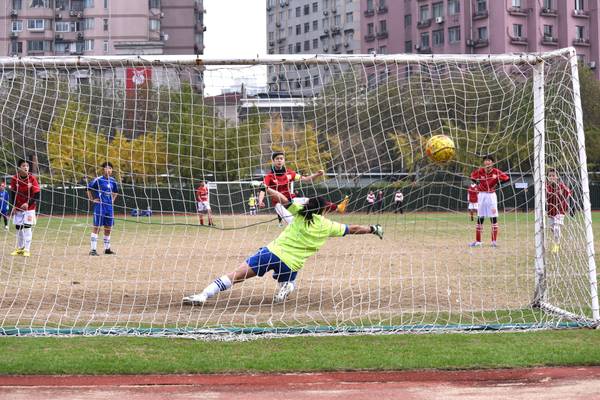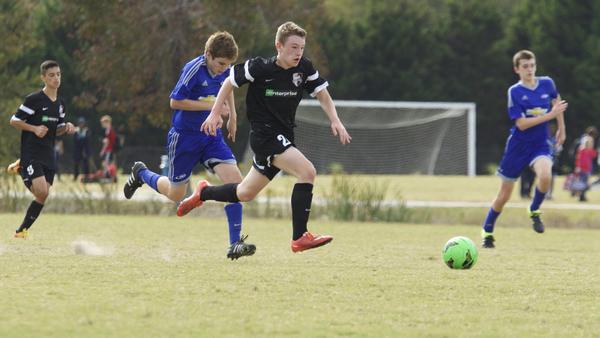

Grassroots football coaches invest countless hours developing players' technical abilities and tactical understanding, yet many overlook a critical factor that determines match outcomes - football game management. The ability to read situations, make timely adjustments, and control match tempo separates teams that consistently win close games from those that let results slip away despite having talented players.
Game management extends far beyond selecting formations or planning training sessions. It encompasses the real-time decisions coaches make during matches, from substitution timing to tactical adjustments, and the skills players develop to handle different match situations intelligently. At the grassroots level, where matches often tighten in the final stages, superior game management frequently proves decisive.
This guide examines practical strategies for improving match management at grassroots level. Whether protecting narrow leads, chasing late equalisers, or handling pressure situations, these approaches help coaches and players make better decisions when matches hang in the balance.
Understanding Game Management in Grassroots Football
What Game Management Actually Means
Game management represents the art of controlling matches through intelligent decision-making rather than purely technical superiority. It involves recognizing when teams need to increase intensity versus when slowing tempo protects leads. Effective managers read momentum shifts, identify opponents' weaknesses as they emerge, and adjust tactics accordingly without disrupting team structure.
Understanding football formations provides the tactical foundation, but applying that knowledge situationally defines strong game management. A formation that dominates for 60 minutes might need subtle adjustments when opponents change their approach or when protecting a lead becomes the priority.
Player management during matches forms another crucial component. Coaches must keep players focused despite controversial decisions, maintain discipline when frustration builds, and ensure substitutes remain mentally engaged even when playing time proves limited. These psychological elements affect results just as significantly as tactical decisions.
Time awareness distinguishes excellent game managers from average ones. Knowing when to use substitutions for tactical impact versus simply rotating fresh legs, understanding how much risk to accept at different match stages, and managing stoppage time effectively all require developing an instinctive sense of match situations.
Why It Matters at Grassroots Level
Grassroots matches frequently feature closely contested games where small margins determine outcomes. Teams often possess similar ability levels, making superior football game management the deciding factor between winning and drawing or between drawing and losing. A coach who helps their team secure two additional points per month through better match management adds eight points over a season - often the difference between mid-table and challenging for titles.
Teaching young players to manage games builds football intelligence that serves them throughout their careers. Players who understand when to retain possession versus when to attack, when to commit tactical fouls versus when to stay disciplined, and how to read match situations develop far beyond those who simply execute predetermined tactics regardless of circumstances.
Match management skills transfer across competition levels. The principles learned in youth football about controlling tempo, making smart substitutions, and adjusting tactics based on match situations apply whether playing Sunday league football or progressing to higher standards. These foundational skills become increasingly valuable as competition intensifies.
Pre-Match Preparation for Better Game Management
Studying Opposition and Match Context
Effective game management begins before kick-off. Simple opposition analysis provides valuable insights without requiring expensive scouting systems. Watching previous matches (increasingly available through parent recordings), noting common formations and key players, and understanding typical tactical approaches enables coaches to anticipate challenges and prepare responses.
Match context significantly influences appropriate game management. A team battling relegation approaches matches differently than one chasing league titles. Understanding league standings, recent form patterns, and upcoming fixture congestion helps coaches set realistic objectives and determine acceptable risk levels for specific matches.
Weather conditions and pitch quality affect tactical approaches and substitution planning. Heavy pitches favour physical players and direct football, whilst good surfaces reward technical passing. Planning these elements into match strategy rather than reacting during games demonstrates proactive management.
Setting Clear Match Objectives
Establishing specific match objectives focuses decision-making during games. Rather than vague aims like "play well," objectives such as "maintain defensive shape when losing possession" or "exploit wide areas against narrow opposition" provide concrete frameworks for in-match adjustments.
Communicating clear roles and responsibilities prevents confusion during matches. Players understanding their primary tasks, backup responsibilities if teammates push forward, and specific tactical jobs (marking dangerous opponents, covering spaces) execute game plans more effectively under match pressure.
Contingency planning prepares teams for different scenarios. Discussing pre-match what happens if opponents score first, how to respond to red cards, or strategies for chasing late goals prevents panicked, disorganised responses when situations arise. Teams rehearsing these scenarios in training execute them confidently during actual matches.
In-Match Decision Making
Reading the Flow of Play
Recognizing momentum shifts enables timely interventions preventing opponents from capitalizing on positive spells. When opposition intensity increases or defensive shape improves, proactive adjustments maintain control rather than waiting for problems to materialize. TeamStats digital tools help coaches track patterns across matches, identifying recurring situations requiring management attention.
Effective game managers spot tactical mismatches emerging during matches. If opponents switch formations or personnel creating new vulnerabilities, quick exploitation before they stabilize the change often proves decisive. Conversely, recognizing when tactical approaches aren't working and adjusting promptly prevents wasted periods persisting with ineffective strategies.
Match stage influences appropriate risk tolerance. Trailing with 20 minutes remaining justifies accepting defensive vulnerabilities for increased attacking threat. Protecting one-goal leads late in matches demands prioritizing defensive security over additional scoring opportunities. These situational adjustments separate methodical game management from rigid tactical inflexibility.
Effective Substitution Strategy
Substitution timing significantly impacts effectiveness. Introducing fresh legs when opponents tire (typically 55-65 minutes) maximizes physical advantages. Waiting beyond 75 minutes leaves insufficient time for substitutes to influence outcomes. Emergency changes for injuries or tactical adjustments follow different timing considerations, but planned substitutions benefit from strategic timing.
Using substitutions tactically rather than merely rotating players demonstrates sophisticated football game management. Changing formations by introducing different player types, adding defensive solidity when protecting leads, or injecting pace to exploit tiring defences achieves specific objectives beyond simply providing opportunities for squad members.
Managing player expectations around playing time prevents negative attitudes affecting team dynamics. Explaining substitution decisions, ensuring squad members understand their importance even from the bench, and rotating starting positions across matches maintains engagement throughout squads. Players accepting their roles contribute positively regardless of minutes played.
Controlling Match Tempo
Slowing games when protecting leads requires collective team understanding. Taking time over throw-ins, playing backwards rather than forcing risky forward passes, and keeping possession in non-threatening areas frustrates opponents whilst running down time. Teaching these skills during training ensures teams execute them naturally under match pressure.
Increasing tempo when chasing results demands coordinated effort. Playing quickly from set pieces, pushing fullbacks higher to compress space, and accepting risk in pursuit of rewards requires players committing collectively to higher intensity. Understanding 7-a-side formations helps coaches adjust shape for different tactical approaches in small-sided competitions.
Set piece strategies vary based on match situations. When protecting slim leads, defensive set pieces prioritize preventing counter-attacks over committing numbers forward. Chasing goals late demands maximum commitment to attacking set pieces accepting counter-attack risk. These situational adjustments must be communicated clearly to ensure coordinated execution.
Managing Players During Matches
Keeping Players Focused and Disciplined
Preventing emotional reactions that lead to cards requires constant management. Speaking to players showing frustration before they accumulate bookings, substituting those struggling with emotional control, and maintaining calm from the touchline models appropriate behaviour. Young players take emotional cues from coaches - visible frustration encourages player frustration.
Referee decisions often feel inconsistent or unfair. Teaching players to accept decisions without protest, focusing forward rather than dwelling on perceived injustices, and handling referee interactions yourself prevents players earning unnecessary cautions. Disciplinary problems frequently stem from poor emotional management rather than malicious intent.
Maintaining concentration throughout matches challenges young players. Regular communication, providing specific tactical reminders during breaks in play, and ensuring players understand current priorities keeps focus sharp. Players drifting mentally often leads to defensive lapses or tactical breakdowns at crucial moments.
Communication from the Touchline
Effective coaching instructions during play remain simple and specific. Overloading players with complex information whilst matches continue creates confusion rather than clarity. Single, clear instructions ("push higher," "mark number seven," "play forward") prove more effective than lengthy tactical explanations mid-game.
Using team leaders on the pitch extends coaching presence beyond the touchline. Identifying players with strong game understanding and communication skills, empowering them to organize teammates, and trusting their judgment creates multiple points of leadership rather than relying solely on touchline instructions that may not reach all players.
Half-time talks that make a difference balance analysis with actionable adjustments. Highlighting what's working, identifying specific improvements needed, and providing clear second-half objectives proves more valuable than emotional speeches or complex tactical overhauls. Players need clarity and confidence, not confusion or anxiety.
Teaching Game Management to Young Players
Developing Football Intelligence
Helping players understand match situations transforms them from instruction-followers to thinking footballers. Discussing why certain decisions work in specific contexts, reviewing matches to analyze key moments, and encouraging questions about tactical choices develops deeper understanding than simply directing actions.
Teaching when to take risks versus playing safe builds crucial judgment skills. Losing possession in midfield differs fundamentally from conceding possession near your own goal. Players understanding context-appropriate risk acceptance make better decisions without constant instruction.
Building decision-making skills requires allowing mistakes during development. Over-directing every action prevents players developing independent judgment. Providing frameworks for decision-making then trusting players to execute enables growth through experience, even when some decisions prove incorrect.
Age-appropriate tactical awareness recognizes cognitive development stages. Younger players focus on understanding basic positional responsibilities and simple defensive shapes. Older youth handle increasingly complex tactical concepts and situational adjustments. Matching tactical education to developmental readiness maximizes learning whilst preventing overwhelming confusion.
Empowering Players to Manage Games
Identifying on-field leaders creates player-driven game management alongside coaching input. Some players naturally organize teammates, communicate constantly, and demonstrate strong game understanding. Recognizing these qualities and explicitly empowering these players amplifies their positive influence throughout teams.
Teaching players to read situations independently reduces reliance on touchline instructions. Discussing common scenarios (opponents pressing high, defensive teammates isolated, numerical advantages in attack) and appropriate responses builds pattern recognition. Players encountering familiar situations respond instinctively rather than awaiting instruction.
Encouraging communication between players strengthens collective game management. Defenders organizing positioning, midfielders coordinating pressing triggers, and attackers communicating running patterns creates cohesive execution. Teams communicating constantly demonstrate higher football intelligence than those operating as individuals awaiting coaching direction.
Using team management app platforms helps track which players demonstrate strong game understanding across matches. Identifying emerging leaders early enables focused development of these crucial skills that benefit teams throughout seasons.
Common Game Management Mistakes
Panicking and Making Rash Changes
Over-reacting to early setbacks undermines team confidence and disrupts established tactics. Conceding first doesn't necessarily indicate fundamental problems requiring immediate wholesale changes. Often, maintaining composure and trusting preparations produces better outcomes than panicked alterations abandoning rehearsed approaches.
Disrupting team shape unnecessarily creates vulnerability rather than solving problems. Formations and tactical approaches sometimes need adjustments, but changes should address specific issues rather than change for change's sake. Effective managers identify actual problems before implementing solutions.
Using all substitutions too early leaves teams exposed if subsequent injuries occur or late tactical adjustments become necessary. Whilst maintaining flexibility about timing, preserving at least one substitution beyond 70 minutes provides options for managing match conclusions effectively.
Abandoning game plans prematurely often proves counterproductive. Tactical approaches typically require time to establish dominance. Unless opponents clearly dominate or tactics obviously fail, persisting with prepared approaches whilst making subtle adjustments usually outperforms complete tactical reinvention mid-match.
Poor Time Management
Not understanding when to protect results costs teams valuable points. Once achieving winning positions, maintaining that advantage requires different priorities than chasing additional goals. Teams treating 1-0 leads identically to 0-0 draws invite unnecessary pressure through overly aggressive approaches.
Missing optimal substitution windows reduces impact. Introducing fresh attackers when chasing goals works best with sufficient remaining time to influence outcomes. Waiting until 5 minutes remain limits substitutes' potential contribution. Similarly, defensive substitutions protecting leads prove most effective before opponents establish sustained pressure.
Ineffective use of stoppage time particularly affects youth football where added time rules vary. Understanding specific competition rules about time-keeping and substitutions in added time enables maximizing remaining opportunities or efficiently running down time when protecting leads.
Running out of options late in matches often results from poor planning. Coaches recognizing multiple plausible scenarios (needing goals, protecting leads, chasing equalisers) can strategically preserve options through judicious earlier substitution use rather than committing all changes before final stages.
Using Technology and Data for Game Management
Simple Tools for Match Analysis
Recording matches creates valuable review opportunities. Smartphones provide sufficient quality for analyzing key decisions, tactical adjustments, and match management choices. Reviewing footage helps coaches identify successful approaches worth repeating and mistakes requiring correction in future matches.
Basic statistics tracking during games provides objective evidence supporting subjective assessments. Recording possession percentages, shot locations, or passing accuracy in different match phases reveals patterns invisible during real-time observation. These insights inform future game management decisions and training priorities.
Digital platforms for organizing information help coaches maintain systematic approaches across seasons. Recording match circumstances, decisions made, outcomes achieved, and lessons learned creates valuable reference materials. Over time, this accumulated knowledge identifies patterns in effective game management specific to particular teams and competition levels.
Learning from past matches accelerates development. Teams playing in football leagues across multiple competitions encounter diverse tactical challenges. Systematically reviewing how different game management approaches performed under various circumstances builds increasingly sophisticated understanding of effective match management.
Building Long-Term Game Management Excellence
Improving football game management requires deliberate practice and systematic reflection. Coaches should regularly review their in-match decision-making, identifying successful choices and mistakes requiring correction. This honest self-assessment, whilst challenging, drives continuous improvement more effectively than assuming all decisions were optimal.
Sharing experiences with other coaches provides fresh perspectives on game management challenges. Discussing difficult situations, comparing approaches, and learning from peers' experiences broadens understanding beyond individual experience limitations. Grassroots football benefits from collaborative learning among coaches facing similar challenges.
Players developing strong game management understanding become increasingly valuable as they progress. Teaching these skills from young ages creates intelligent footballers who think tactically, adapt to changing circumstances, and make sophisticated decisions under pressure. These capabilities distinguish top players regardless of pure technical ability.
Effective game management transforms good teams into consistent winners. Teams mastering tempo control, making smart substitutions, adjusting tactics appropriately, and maintaining composure under pressure extract maximum results from their ability level. These skills often prove more decisive than marginal technical superiority in grassroots competitions.
The journey toward excellent game management never truly completes. Each match presents unique challenges, testing decision-making abilities in novel ways. Coaches approaching this continuous learning process with curiosity and systematic improvement mindsets develop increasingly sophisticated match management capabilities serving their teams exceptionally well.
For coaches seeking to organize their game management insights, track match decisions across seasons, and systematically develop these crucial skills, comprehensive team management platforms provide valuable support. The right tools complement strong coaching fundamentals, enabling focus on what matters most - helping teams achieve their potential through intelligent match management.