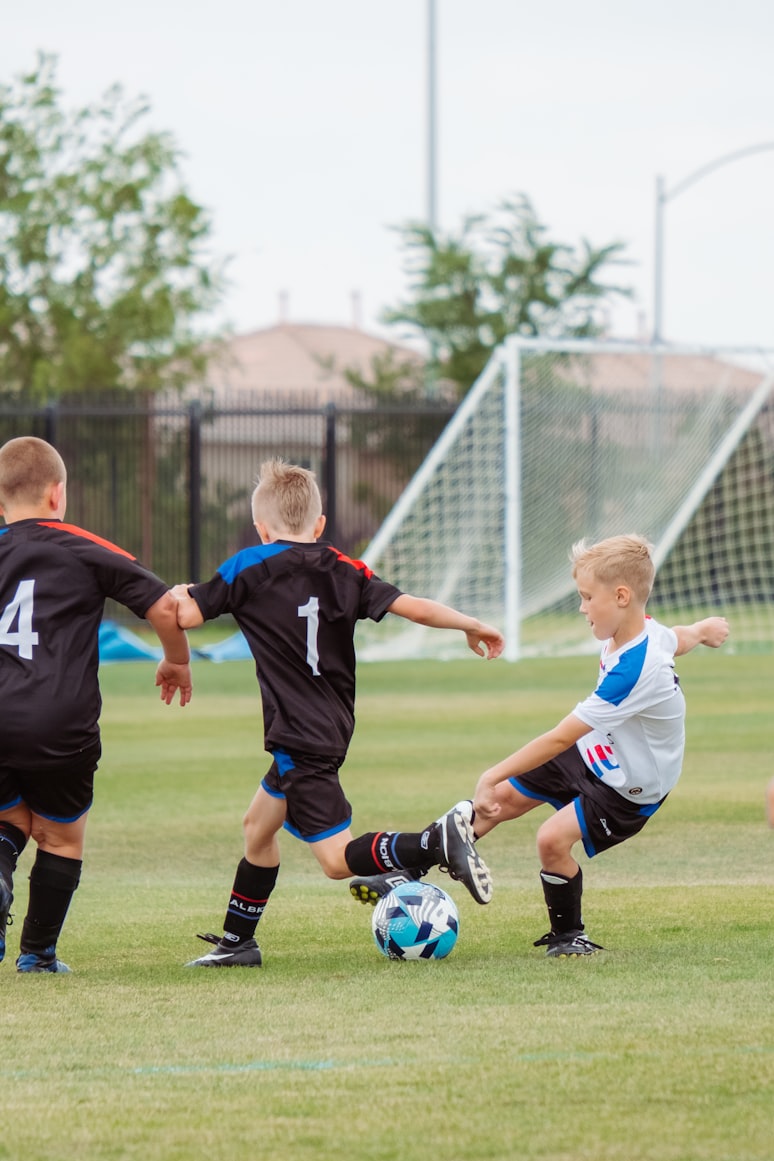

Protecting children is the fundamental responsibility of every grassroots football club. Whilst the joy of youth sport lies in developing skills, building friendships, and fostering healthy competition, none of this matters if young players aren't safe. Implementing robust youth football safety standards isn't merely about compliance - it's about creating environments where children flourish physically, emotionally, and socially without risk of harm. This guide provides practical steps for establishing and maintaining strong safeguarding systems that protect players whilst enabling clubs to operate with confidence.
Understanding Safeguarding in Grassroots Football
Effective safeguarding begins with understanding its full scope and the specific responsibilities clubs must fulfil.
What Youth Football Safety Encompasses
Physical safety includes injury prevention through proper warm-ups, age-appropriate training methods, and safe facilities. Coaches must understand child development stages to avoid overtraining, ensure adequate rest, and recognise when players require medical attention.
Emotional well-being protects children's mental health through positive coaching approaches, inclusive team cultures, and appropriate performance expectations. Young players should feel valued regardless of ability level, protected from excessive pressure, and supported through challenges.
Protection from abuse represents the safeguarding's core element. Clubs must prevent physical, emotional, and sexual abuse through rigorous volunteer vetting, clear boundaries, and vigilant monitoring. Every adult involved in grassroots football shares responsibility for recognising and responding to potential harm.
Safe environments extend beyond the pitch to changing facilities, transport arrangements, and social events. Risk assessments identify hazards, whilst appropriate supervision ensures children remain protected during all club activities.
Legal Requirements and FA Guidelines
DBS (Disclosure and Barring Service) checks are mandatory for anyone in a regulated activity with children. This includes coaches, assistant coaches, team managers, and volunteers with regular unsupervised access to young players. Enhanced DBS checks reveal criminal records and barred list information relevant to child protection.
Safeguarding training requirements vary by role. All coaches must complete FA Safeguarding Children courses before working with young players, with refresher training every three years. Club Welfare Officers require additional specialised training for their safeguarding coordination responsibilities.
Adult-to-child ratios ensure adequate supervision. FA guidelines recommend minimum ratios based on age groups, though clubs should exceed these minimums when possible. Higher ratios provide better supervision whilst reducing situations where adults have prolonged one-to-one contact with children.
Reporting obligations require clubs to act on safeguarding concerns immediately. Suspicions or allegations of abuse must be reported to the Club Welfare Officer and, where appropriate, to local authorities and the FA. Failure to report constitutes a serious breach of safeguarding responsibilities.
Common Safeguarding Risks
Inappropriate coach-player relationships develop when boundaries blur between professional coaching roles and personal friendships. Adults must maintain appropriate distance, avoid favouritism, and never engage in private communications or meetings that lack transparency.
Bullying and harassment occur between players when supervision lapses or negative behaviours aren't addressed promptly. Both overt aggression and subtle exclusion damage children's well-being and can escalate without intervention.
Unsafe facilities or equipment create injury risks that constitute safeguarding failures. Broken goals, inadequate lighting, or poorly maintained pitches represent preventable hazards requiring immediate attention.
Poor communication with parents leaves gaps where concerns go unreported and parents lack information about club safeguarding standards. Regular dialogue ensures families understand policies whilst creating channels for raising concerns.
Establishing Safeguarding Policies and Procedures
Written policies provide frameworks that guide decision-making and ensure consistent standards across the club.
Creating Comprehensive Club Policies
Codes of conduct for coaches and volunteers articulate expected behaviours and prohibited actions. These documents should address professional boundaries, appropriate language, physical contact guidelines, and procedures for one-to-one situations. Every adult signs acknowledging they've read and understood these standards.
Behaviour expectations for players establish safe, respectful environments. Clear rules about physical aggression, verbal abuse, and discriminatory language help children understand boundaries whilst providing coaches with frameworks for addressing misconduct.
Parent and spectator guidelines manage touchline behaviour and communication protocols. Policies should prohibit aggressive coaching from the sidelines, abuse directed at officials, and interference with coaching decisions. Clubs must be willing to enforce these standards through warnings and, if necessary, bans.
Clear reporting procedures ensure everyone knows how to raise safeguarding concerns. Accessible pathways, guaranteed responses, and protection for those reporting in good faith encourage vigilance whilst preventing concerns from being overlooked.
Appointing a Club Welfare Officer
Every club must appoint a designated Club Welfare Officer (CWO) serving as the first point of contact for safeguarding concerns. This individual coordinates safeguarding efforts, liaises with the FA, and ensures club compliance with child protection standards.
CWOs require enhanced DBS checks and must complete FA Safeguarding Children and Time to Listen courses. Additional FA support and resources help CWOs fulfil their responsibilities effectively, including access to the FA Safeguarding Team for advice on complex situations.
Being accessible and approachable is essential. CWOs should be visible at training and matches, introduce themselves to new families, and regularly remind members of their availability. Contact information should be prominently displayed and shared regularly.
Documentation and Record Keeping
Maintaining DBS certificates and training records demonstrates compliance whilst identifying when renewals are needed. Digital systems track expiry dates, send renewal reminders, and flag any volunteers lacking current clearance. Football coaching apps can streamline this administrative burden whilst ensuring nothing falls through the gaps.
Incident logging creates records of concerns raised, actions taken, and outcomes achieved. Even minor incidents should be documented, as patterns may emerge over time, revealing more serious issues. Secure storage protects confidentiality whilst ensuring information remains accessible if needed.
Registration and consent forms collect essential information, including emergency contacts, medical conditions, and photography permissions. Annual renewal ensures information remains current whilst providing regular opportunities to communicate safeguarding policies to parents.
Recruiting and Vetting Volunteers Safely
Preventing unsuitable individuals from accessing children begins with rigorous recruitment and vetting processes.
DBS Checks and Clearance Process
Anyone in a regulated activity with children requires enhanced DBS checks with barred list checks. Regulated activity includes coaching, supervising, or training children regularly (once per week or more) or intensively (four or more days in a 30-day period).
Different check levels serve different purposes. Basic DBS checks reveal unspent convictions, standard checks include spent convictions and cautions, whilst enhanced checks add relevant police information and barred list status. Child-facing roles always require enhanced checks.
Renewal timelines vary by organisation, though the FA recommends three-yearly renewals minimum. Some clubs adopt annual renewals for enhanced protection. The DBS Update Service allows volunteers to keep certificates current whilst enabling clubs to check status online with permission.
Interview and Reference Checking
DBS clearance alone doesn't guarantee suitability. Face-to-face conversations assess motivations, attitudes, and understanding of appropriate boundaries with children. Ask why they want to work with young people, what qualities make good youth coaches, and how they'd handle specific scenarios.
Following up on references thoroughly means actual conversations, not just reading written statements. Ask referees about the candidate's reliability, temperament, and suitability for working with children. Vague or hesitant responses warrant deeper investigation.
Previous involvement with youth organisations provides valuable insight. Gaps in employment or volunteering history, frequent role changes, or reluctance to discuss previous positions may indicate concerns requiring exploration before appointing individuals to child-facing roles.
Probationary Periods and Supervision
Supervised introduction to roles allows clubs to observe new volunteers before granting independent access to children. Assistant coaches work alongside experienced colleagues, matchday volunteers operate in the sight of others, and administrators work in shared spaces rather than isolation.
Ongoing monitoring continues beyond initial probation. Regular observations, feedback sessions, and informal check-ins help identify concerns early whilst supporting volunteer development. Performance issues addressed promptly prevent minor problems from becoming major safeguarding failures.
Support systems ensure new volunteers feel comfortable asking questions and raising concerns. Assigned mentors, accessible CWOs, and open cultures encourage communication that benefits both volunteers and the children they work with.
Training Coaches and Volunteers in Safeguarding
Knowledge enables adults to recognise risks, respond appropriately, and maintain standards that protect children.
Mandatory Safeguarding Courses
The FA Safeguarding Children course is mandatory for all coaches before they begin working with young players. This three-year certificated course covers recognising abuse, responding to concerns, safe practice guidelines, and legal responsibilities. Online delivery makes completion accessible, though in-person sessions offer valuable discussion opportunities.
Refresher training every three years ensures knowledge remains current as guidance evolves and individuals maintain awareness. Treating refreshers as mere formalities undermines their purpose - they provide opportunities to reinforce learning and address questions arising from real-world experience.
Recognising signs of abuse requires understanding physical indicators like unexplained injuries, behavioural changes including withdrawal or aggression, and concerning adult behaviours such as boundary violations. Training develops these recognition skills whilst acknowledging the complexity of identifying abuse in many situations.
Practical Safeguarding Scenarios
Handling disclosure from a child requires specific responses. Listen carefully without interrupting, believe what they say without judgment, reassure them they've done the right thing in telling someone, and explain you must share the information with someone who can help. Never promise to keep secrets or investigate allegations yourself.
Responding to concerning behaviour between children means intervening immediately to stop harmful actions, speaking privately with children involved, and reporting incidents to the CWO. Even seemingly minor conflicts can reflect or escalate into serious issues requiring documentation and potential intervention.
Managing parent complaints appropriately maintains professional boundaries whilst taking concerns seriously. Some complaints reflect legitimate safeguarding issues, whilst others stem from competitive pressures or misunderstandings. Every complaint deserves respectful consideration and proper investigation according to club procedures.
Creating Safeguarding-Aware Culture
Open communication about child protection normalises safeguarding discussions, making adults more comfortable raising concerns and children more likely to disclose problems. Regular conversations demonstrate that youth football safety is everyone's responsibility, not just the CWO's.
Encouraging questions and concerns creates cultures where people speak up rather than remaining silent due to uncertainty. "Better safe than sorry" should guide responses - clubs should welcome concerns even when they prove unfounded rather than criticising those who raise issues.
Regular safeguarding reminders maintain awareness without becoming white noise. Brief mentions at training sessions, periodic emails summarising key points, and visible posters in clubhouses keep safeguarding prominence without overwhelming volunteers with constant information.
Managing Training and Match Day Safety
Daily operations present numerous opportunities for safeguarding implementation through careful planning and attentive supervision.
Safe Session Planning and Supervision
Appropriate adult-to-child ratios ensure adequate supervision throughout sessions. FA minimum guidelines provide baselines, though clubs should consider factors like player ages, venue size, and activity complexity when determining actual ratios needed. Higher ratios enable better observation and quicker responses to incidents.
Risk assessments for activities identify potential hazards and mitigation measures. New drills, different locations, or unusual conditions all warrant evaluation. Simple assessments considering the likelihood and severity of potential harms guide decisions about whether activities proceed and what precautions are necessary.
First aid provision and emergency procedures ensure clubs respond effectively to injuries and medical situations. At least one qualified first aider should attend every session, first aid kits must be stocked and accessible, and emergency contact information should be immediately available. Regular practice of emergency procedures ensures smooth responses during actual incidents.
Facility Safety and Equipment Standards
Regular equipment inspections identify worn or damaged items requiring repair or replacement. Goals must be secured properly, balls should be age-appropriate, and training equipment like cones and bibs should be clean and functional. Responsibility for inspections should be clearly assigned, with documentation maintained.
Maintaining safe playing surfaces includes checking for hazards like holes, glass, or debris before sessions. Wet weather decisions balance player safety against cancellation disruptions. When conditions create unacceptable risks, postponement demonstrates appropriate prioritisation of youth football safety over competitive considerations.
Adequate lighting and security matter for sessions extending into darker hours. Well-lit facilities reduce injury risks whilst deterring unwanted individuals from accessing club premises. Secure perimeters and controlled access points help ensure only authorised adults interact with children during club activities.
Managing Photography and Social Media
Obtaining parental consent before photographing children respects privacy whilst enabling clubs to capture memories and promote activities. Consent forms should specify how images will be used, whether names will be published alongside photos, and parents' rights to withdraw consent.
Responsible image use policies prohibit inappropriate photography, including close-ups, changing room images, or photos focusing unnecessarily on individual children. Designated club photographers wearing identification help distinguish authorised picture-taking from concerning behaviour by unknown individuals.
Protecting children's online privacy means avoiding full names with images, not tagging children in social media posts, and restricting image sharing to closed groups rather than public platforms. Parents should understand their own responsibilities when sharing images that include other people's children.
Responding to Safeguarding Concerns
Despite preventative measures, concerns will arise requiring prompt, appropriate responses that prioritise child welfare.
Recognising Warning Signs
Physical indicators of abuse include unexplained injuries, frequent bruising in unusual locations, inappropriate clothing for the weather (potentially hiding injuries), or signs of neglect like persistent hunger or poor hygiene. Individual indicators rarely confirm abuse, but patterns or combinations warrant concern.
Behavioural changes in children may signal problems. Previously confident players becoming withdrawn, sudden aggression, avoiding specific adults, or age-inappropriate sexual knowledge all represent potential red flags requiring sensitive attention and possible reporting.
Concerning adult behaviour patterns, these include seeking private time with children, boundary violations like inappropriate touching or communication, showing favouritism, giving inappropriate gifts, or undermining club safeguarding policies. These behaviours may indicate grooming or other safeguarding risks.
Reporting Procedures and Responsibilities
Internal reporting to the Club Welfare Officer should occur immediately when concerns arise. CWOs assess situations, determine necessary actions, and maintain records. Even uncertainty about whether something constitutes a safeguarding concern warrants reporting - CWOs help evaluate situations and decide appropriate responses.
External reporting to the FA and authorities occurs when allegations meet thresholds for mandatory reporting. The FA Case Management Team provides guidance on reporting requirements whilst local authority children's services or police handle investigations. Clubs must never attempt their own investigations into allegations.
Confidentiality and information sharing require a careful balance. Information should be shared on a need-to-know basis to protect children whilst respecting privacy. However, confidentiality never prevents reporting genuine safeguarding concerns to appropriate authorities.
Supporting Children and Families
Appropriate responses to disclosures involve listening, believing, reassuring, and explaining that information must be shared with someone who can help. Avoid asking leading questions, promising confidentiality, or expressing shock that might inhibit the child from sharing fully.
Maintaining the child's welfare as a priority means making decisions in their best interest, even when this creates difficulties for adults involved or disrupts club operations. Suspension of volunteers under investigation, whilst potentially uncomfortable, demonstrates appropriate prioritisation of child protection.
Avoiding investigation or judgment respects professional boundaries. Clubs handle reporting and support, not investigation or determination of truth. Prejudging situations or attempting amateur investigations can contaminate official processes whilst causing additional harm.
Building Safe Communication Practices
How adults communicate with children and parents significantly impacts safeguarding standards and risk management.
Parent Communication Protocols
Using appropriate channels and platforms means relying on group communications through official club systems rather than private messaging between individual coaches and parents. Team management apps provide secure platforms for announcements, scheduling, and general communications that maintain transparency.
Group communications vs individual contact should be preferred whenever possible. Match information, training changes, and general updates belong in team groups where multiple adults have visibility. Individual communication should have legitimate reasons, documented purposes, and transparency.
Maintaining professional boundaries prevents relationships from becoming inappropriate. Coaches should avoid social relationships with players' families that might compromise objectivity, create conflicts of interest, or lead to perceptions of favouritism affecting team selection or playing time decisions.
Managing Private Contact with Children
Guidelines for messaging and calls should prohibit direct private communication between coaches and individual children. Legitimate contact should involve parents, use group channels, or occur with another adult copied. Emergency situations requiring direct contact should be documented and reported to the CWO.
Transparency in all communications protects both children and adults. Communication that couldn't be shared openly with parents or club officials likely violates appropriate boundaries. This transparency principle guides decisions about whether specific interactions are acceptable.
Avoiding one-to-one unsupervised contact means always having another adult present during coaching, transport, or other club activities. When unavoidable one-to-one situations arise, they should occur in open, visible spaces rather than private, secluded locations.
Using Technology Safely
Secure platforms for team management protect children's personal information whilst providing appropriate communication tools. Purpose-built systems designed for youth sports typically include safeguarding features like administrator oversight, no direct child-adult messaging, and data protection compliance.
Privacy settings and data protection ensure clubs comply with GDPR requirements when holding children's information. Data should be secured appropriately, retained only as long as necessary, and accessed only by authorised personnel for legitimate purposes.
Educating parents about digital safety extends safeguarding beyond direct club activities. Parents should understand risks around social media, online gaming, and digital communications whilst feeling equipped to protect their children's online experiences.
Conclusion
Implementing strong youth football safety standards represents the foundation upon which successful grassroots clubs are built. Whilst policies, procedures, and training requirements may seem burdensome, they create environments where children participate safely, parents feel confident, and volunteers operate with clear guidance, protecting both young players and adults working with them.
The most effective safeguarding systems become embedded in club culture rather than existing as separate compliance exercises. When every volunteer understands their responsibilities, feels supported in fulfilling them, and sees safeguarding as integral to quality youth football rather than a bureaucratic obstacle, clubs develop resilience that protects children whilst enabling sport to flourish.
Modern technology streamlines safeguarding administration without reducing its importance. Digital systems track DBS renewals, maintain training records, coordinate communications, and provide audit trails demonstrating compliance. These tools enable clubs to focus energy on building positive relationships and developing young players rather than drowning in paperwork. TeamStats helps clubs maintain safeguarding standards through secure communication platforms, comprehensive record keeping, and administrative tools designed specifically for grassroots football organisations. Strengthen your club's safeguarding practices whilst simplifying the compliance burden that ensures every child's safety remains paramount.
Remember that safeguarding is never complete - it requires ongoing vigilance, regular reviews, and continuous improvement. By prioritising youth football safety consistently, clubs demonstrate their commitment to the fundamental principle that childhood participation in sport should always enhance rather than endanger young people's wellbeing.
═══════════════════════════════════════════════════════════════