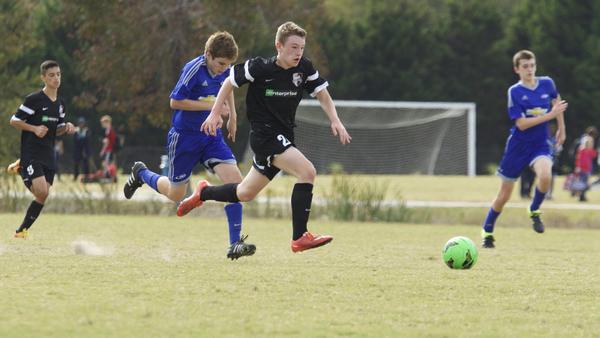

Teenagers bring energy, enthusiasm, and plenty of potential to the pitch. But when coaches start explaining concepts like pressing triggers, zonal marking, or positional rotations, it’s easy to lose them. Teaching tactics to teenage footballers requires patience, creativity, and the ability to make complex ideas simple without watering them down.
Done well, tactical education equips players with skills that last far beyond youth football. The aim is to develop game intelligence: the ability to read situations, make decisions, and understand how their role fits within the team.
Start With the Basics: Laying a Solid Foundation
Before you dive into complex patterns, make sure your players understand the building blocks. Fundamentals like formations, positional responsibilities, and basic defensive or attacking principles must be second nature before moving on.
Think of it like building a house. You don’t start with the roof, you start with the foundations. In football terms, that means:
Players know the roles of defenders, midfielders, and attackers.
They understand simple concepts like marking an opponent, passing lanes, and pressing.
They can execute basics under light pressure before adding complexity.
One coach described how his U15 squad struggled with pressing triggers. The breakthrough came only after he revisited basic pressing, when to close down, how to angle the run, and who provides cover. Once players had that base, advanced tactical layers clicked much faster.
Key Takeaways:
Ensure players understand basic formations and positional roles.
Build a solid foundation before introducing complex tactics.
Start simple and progress gradually.
Keep It Simple: Avoid Overloading Teenagers
Teenagers are balancing school, friends, part-time jobs, and distractions like social media. When teaching tactics teenage footballers, avoid drowning them in details. Introduce one or two concepts at a time and let those settle before adding more.
For example:
Week 1: Focus on defensive shape in a 4-4-2.
Week 2: Add pressing triggers for wide players.
Week 3: Introduce transition movements from defence to attack.
Breaking things into smaller chunks prevents overwhelm and increases retention.
Key Takeaways:
Introduce new concepts step by step.
Don’t overload teenagers with information.
Build progression into your training plan.
Use Visual Aids to Bring Ideas to Life
Not all players learn the same way. Some absorb information by listening, others by seeing, and many by doing. Visual tools help bridge those gaps.
Effective methods:
Whiteboards: Simple diagrams to show positioning.
Video Analysis: Clips of professional teams or previous matches.
Animations: Apps and tools to recreate scenarios.
Seeing tactics in action reinforces understanding far more than explanations alone. If you show teenagers a clip of Liverpool’s high press, they’ll grasp it faster than hearing a 10-minute explanation.
The TeamStats Analyse feature can be invaluable here. Upload match data, highlight tactical moments, and show players exactly how their decisions affected the team’s performance.
Key Takeaways:
Use visuals to explain tactical concepts clearly.
Videos of professional games help players connect ideas.
Cater to different learning styles with mixed methods.
Relate to Real-World Examples
Teenagers are passionate about football and already have role models. Linking tactics to players they admire makes ideas relatable.
Instead of saying: “We’re working on inverted wingers,” say:
“Think of how Phil Foden drifts inside to create overloads.”
“Remember when Salah pulled wide against Man City to stretch the defence?”
These references make abstract concepts concrete. Players see tactics not as instructions from a coach but as behaviours modelled by their heroes.
For younger teams, you can also use examples from grassroots leagues. Show how local teams in the Junior Premier League or Eastern Junior Alliance apply pressing or build-up play. This proves that tactics aren’t just for professionals.
Key Takeaways:
Relate tactics to professional players that teenagers admire.
Use recent games they’ve watched for examples.
Connect ideas to grassroots matches for realism.
Make Sessions Interactive
Nobody learns by sitting still for an hour-long lecture. The best way to teach is to let players experiment.
Practical approaches:
Ask Questions: “What could you have done differently?” prompts self-reflection.
Small-Sided Games: Set conditions that force the use of specific tactics.
Peer Coaching: Let players explain tactics to teammates, teaching reinforces learning.
Example: To teach overlapping runs, run a 4v4 game with the rule that a full-back must overlap before an attack is completed. Players will quickly see how overlaps create width and options.
Key Takeaways:
Get players actively involved in sessions.
Use conditioned small-sided games to reinforce tactics.
Encourage discussion and peer coaching.
Repetition Builds Instinct
Tactical understanding doesn’t stick after one session. It takes repetition in training and reinforcement during matches.
How to reinforce tactics:
Run the same concept across several weeks in different formats (games, drills, video).
Use matchday team talks to remind players of focus points.
Provide individual feedback during and after games.
Over time, movements become instinctive. For instance, after weeks of repeating pressing triggers, players will automatically close space without being told.
Key Takeaway: Repetition makes complex ideas second nature.
Positive Reinforcement Matters
Teenagers can be sensitive and self-conscious. If tactics are taught in an environment of criticism, confidence drops quickly. Instead, focus on encouragement.
Best practices:
Praise effort, not just outcomes.
Highlight small wins, “Great shape keeping the midfield compact.”
Frame mistakes as learning moments.
This approach keeps morale high and creates a supportive learning environment where teenagers aren’t afraid to try.
Key Takeaways:
Create a positive, encouraging atmosphere.
Praise progress as much as success.
Turn mistakes into teaching opportunities.
How TeamStats Can Support Tactical Coaching
Complex ideas require clear organisation and consistent tracking. That’s where TeamStats steps in.
Organise: Plan tactical sessions in advance and share agendas with players so they know what’s coming.
Analyse: Break down match footage and stats to highlight tactical successes or gaps.
Communicate: Share clips, tactical notes, and reminders instantly with the squad.
Match Reports: Provide post-game tactical analysis players can review at home.
This keeps teenagers engaged outside of training sessions and provides a professional feel to grassroots coaching.
Key Takeaways:
Organise sessions clearly with shared plans.
Analyse matches to track tactical application.
Use communication tools to reinforce learning.
Practical Drill Examples for Teenagers
To make this guide more actionable, here are sample drills you can run to teach tactics in fun, engaging ways:
Pressing Drill:
5 attackers try to keep the ball.
3 defenders press in a coordinated triangle.
Focus: triggers for pressing and covering angles.
Overload Game:
6v4 scenario in one half of the pitch.
The overload side learns to exploit space.
The smaller team practices compact defending.
Transition Drill:
4 attackers vs 2 defenders.
If defenders win the ball, they counter into mini-goals.
Teaches teenagers the importance of fast transitions.
Build-Up Play Drill:
Start with centre-backs in possession.
Require three passes before crossing halfway.
Reinforces patience and positional awareness.
Each drill links directly to match situations, making tactical learning practical and enjoyable.
Final Thoughts
Teaching tactics teenage footballers is one of the most rewarding challenges in coaching. It demands patience, creativity, and adaptability, but the payoff is enormous. Once teenagers grasp tactical ideas, their game intelligence skyrockets, and they become far more effective players.
By starting with fundamentals, breaking down complex ideas, using visuals, relating to real examples, and reinforcing through repetition, you can make tactics accessible and engaging. Combine that with tools like TeamStats to track and communicate, and you’ll create a culture where tactical learning becomes second nature.
Actionable Next Steps
Revisit tactical fundamentals with your squad.
Introduce one new concept at a time, keeping things manageable.
Use TeamStats to share match clips, highlight tactics, and track understanding.
Design small-sided games that reinforce your tactical focus.
Encourage effort, repetition, and positivity throughout.
With the right approach, you won’t just be teaching teenagers what to do on the pitch, you’ll be building the football intelligence that defines future leaders and game changers.