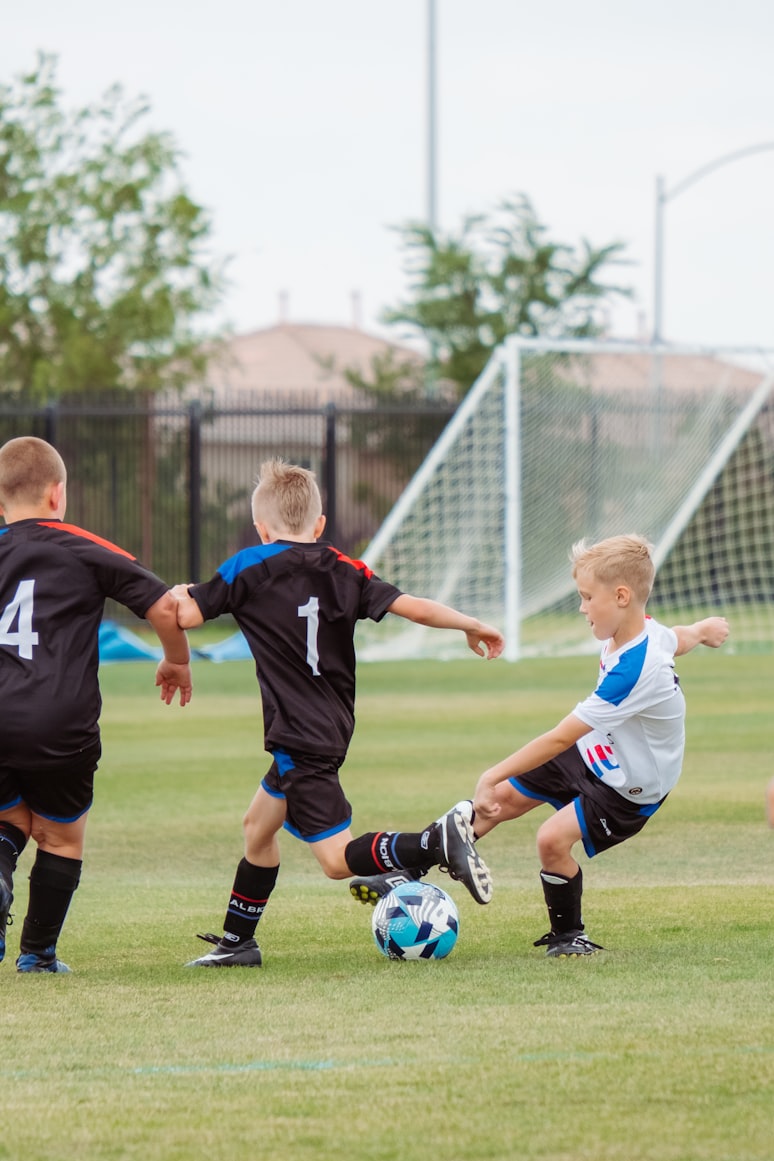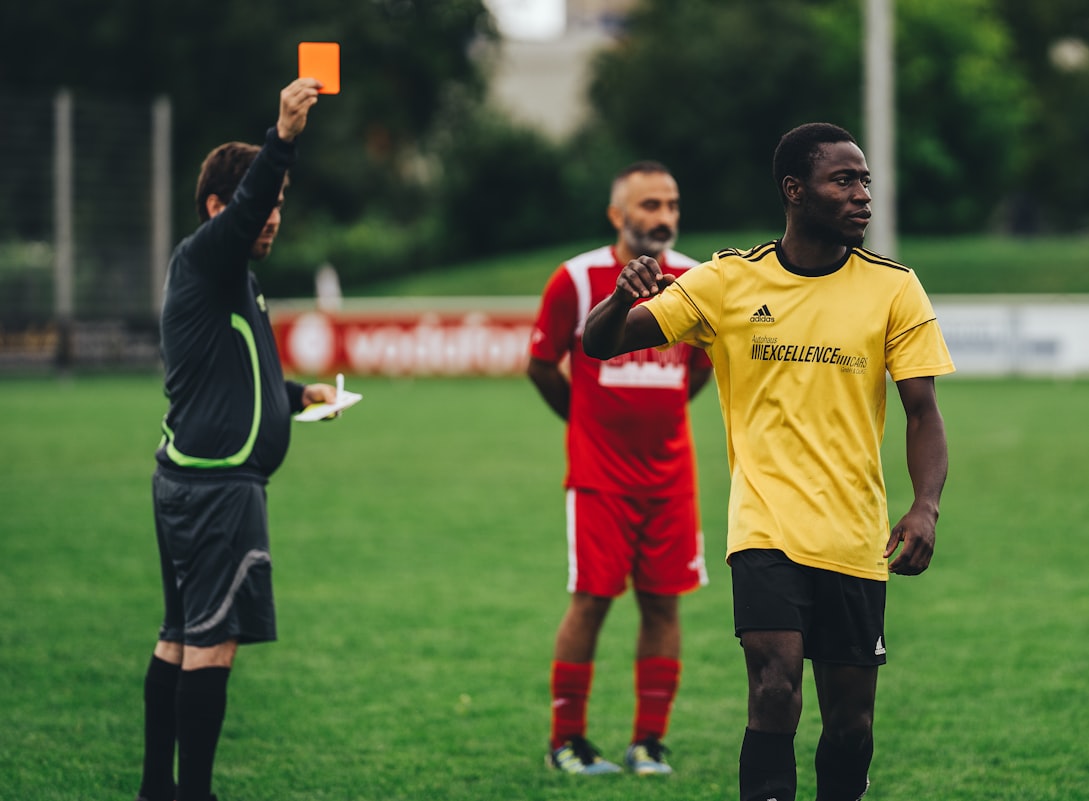

When a player goes down and doesn’t get up, the noise of the match disappears. Every coach, parent, and teammate feels the same tightening in their chest, the moment where routine turns into responsibility.
Knowing how to act during a medical emergency football match situation isn’t just good practice; it’s vital. The speed and clarity of your response can make all the difference between a scare and something far worse.
Whether you’re managing a grassroots side, running a youth academy, or volunteering as a touchline assistant, having a clear, structured plan can help you stay calm, organised, and effective when seconds count.
Why Preparation Saves Lives
In grassroots football, serious incidents are rare, but they happen. Concussions, cardiac arrests, severe fractures, heat exhaustion, and allergic reactions can all unfold within moments.
Preparation doesn’t just mean first-aid training; it means systems. Coaches should know exactly:
Who’s responsible for calling emergency services?
Where the nearest defibrillator is located.
Which players have known medical conditions.
How to record incidents accurately for league and insurance reporting.
The Team Management App helps clubs log medical details, contact numbers, and emergency plans, so when chaos strikes, everyone knows their role.
Step One: Recognise the Situation Quickly
In any medical emergency football match situation, the first step is awareness. Recognise when something isn’t normal. A player who collapses without contact, shows confusion, or doesn’t respond immediately needs attention, fast.
Use the STOP approach:
Stop play immediately.
Take control of the situation.
Observe the player’s condition.
Protect the area to give medics space.
Never assume it’s “just a knock.” If there’s doubt, err on the side of caution.
This awareness-first approach complements the same principle used in tactical management, reading the situation early, just as you would when adjusting formations like those in Best Football Formations.
Step Two: Ensure Player and Scene Safety
Before rushing in, make sure it’s safe to approach. Check for hazards, stray equipment, goalposts, or other players crowding the scene.
Once clear, only one designated first-aider should attend the player. Other players should move away and give space. Assign someone, usually an assistant or parent, to manage bystanders and maintain calm communication with the referee.
In matches governed by structured leagues like the Midland Junior Premier League or Eastern Junior Alliance, having these responsibilities pre-allocated before kick-off is now standard best practice.
Step Three: Call for Help Immediately
If the situation is clearly serious, unresponsiveness, heavy bleeding, breathing difficulty, or possible cardiac arrest, dial 999 immediately. While one person calls, another retrieves the first-aid kit and defibrillator (if available).
Clear communication is crucial:
Provide exact location (pitch number, school, or park entrance).
Describe what happened and current condition.
Mention if CPR or defibrillation has started.
You can log the event in TeamStats after the fact under medical or incident notes, vital for insurance, safeguarding, and continuity of care.
Step Four: Begin First Aid if Trained
If you’re trained in basic life support, act immediately. If not, delegate to someone who is, but stay nearby to assist.
Key first-aid principles:
CPR: 30 compressions, 2 breaths, repeat.
Defibrillator: Use as soon as it arrives, following voice prompts.
Concussion: Treat every head injury as potentially serious. Remove the player and do not return them to play.
Fractures or suspected spinal injury: Keep the player still, stabilise the head if necessary, and wait for medical professionals.
Your club’s emergency plan should clearly state who’s qualified to deliver first aid. Keeping that information stored within the Team Management App ensures everyone has immediate access.
Step Five: Protect the Team and the Player
The rest of the team will be frightened, especially younger players. Assign an assistant or responsible adult to gather them together away from the scene. Keep instructions calm, simple, and reassuring.
This approach maintains order and prevents panic. Use short statements like:
“The medics are helping. Your teammate is being looked after. Let’s stay calm.”
After the match, make sure players are given space to talk about what happened, support is as important as action. The What Is Grassroots Football? article explores exactly why emotional care is vital in local clubs.
Analogy: A Team’s Defensive Line
Handling a medical emergency in a football match is like organising a defensive wall under pressure. You can’t stop the free kick, but you can make sure everyone’s in position. The plan, not panic, is what matters.
Preparedness acts as your defensive structure: one person calls, another retrieves equipment, another handles communication. Everyone knows their role, and the team moves as one.
It’s coordination under stress, exactly what football teaches.
Step Six: Communicate With Parents and Officials
Once medical professionals take over, your responsibility shifts to communication. Inform parents or guardians immediately, provide honest details, and avoid speculation. If the player is taken to the hospital, ensure someone accompanies them if parents aren’t present.
Notify league officials as soon as possible. For structured competitions such as the Teesside Junior Football Alliance, incident reporting is often required within 24 hours.
Afterwards, log the full report in your TeamStats system, date, time, injury type, and response given. This documentation strengthens your safeguarding compliance and insurance protection.
Step Seven: Review and Debrief After the Incident
Once the immediate crisis is over, review what happened. Gather the coaching team and discuss:
What went well in your response.
What could be improved next time.
Whether all emergency roles were covered effectively.
If further training or first-aid kits are needed.
Documenting this review in your TeamStats admin area builds a lasting record that can help other teams learn. Some clubs even share anonymised case reviews during end-of-season planning sessions alongside awards and training discussions, a practice that promotes both learning and wellbeing.
Step Eight: Prepare for Future Emergencies
Preparation doesn’t stop after one incident. Regular first-aid refreshers, updated contact lists, and visible defibrillator locations all keep your team safer.
In addition, consider:
Including emergency scenarios during preseason meetings.
Keeping laminated copies of your response plan in every kit bag.
Ensuring substitutes and captains know the basic chain of command.
For broader operational safety and organisation tips, visit Best Tactics and Formations for 9-a-side Football, an article that, while tactical, reinforces the same principle of structure under pressure.
Real Story: Calm Heads in Crisis
A community club from the Northampton & District Youth Alliance League faced a serious moment when a player collapsed due to heat exhaustion. The assistant coach immediately followed their emergency plan, one called 999, another brought water and first-aid equipment, and a parent retrieved the defibrillator from the clubhouse.
The player recovered fully within minutes. Their calm, coordinated response wasn’t luck, it was planning. That’s what every coach should aim for.
Final Thoughts: Plan, Practise, Protect
Every coach hopes never to face a medical emergency football match scenario, but hoping isn’t planning. Preparation is the quiet strength behind confidence. It’s knowing that when panic hits others, you’ll already have your next move.
Football teaches discipline, teamwork, and anticipation, the same skills that save lives off the ball. So, make safety part of your training routine, not an afterthought.
Keep your information up to date, review your emergency roles, and ensure every coach, player, and parent knows the basics. The more you plan, the calmer you’ll be when it matters most.
Be Ready Before the Whistle
Organise your club’s emergency planning through the Team Management App. Record medical details, contact lists, and post-incident notes all in one secure place.
Need expert advice or help building your emergency response plan? Get in touch and discover how TeamStats supports safer, more organised grassroots football.