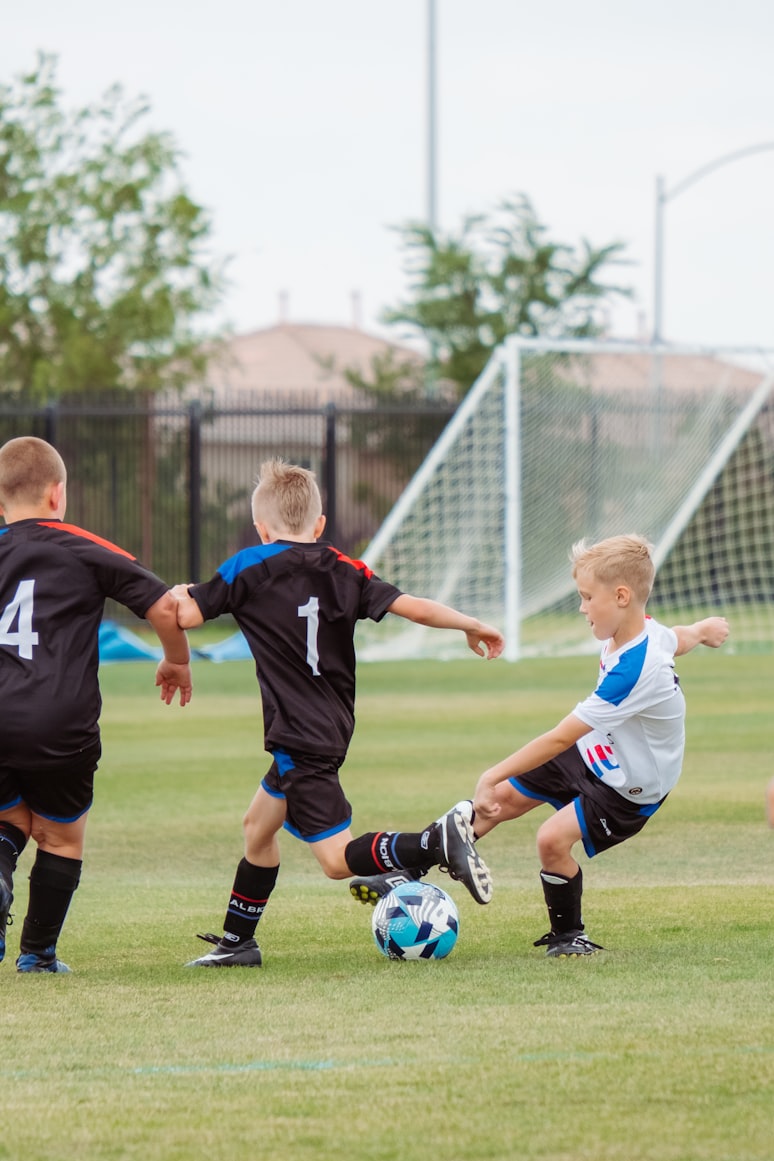
Grassroots sports and community organizations used to rely mostly on passion, intuition, and a few dedicated volunteers. In 2026, that’s changing fast. Even small teams are tapping into data to make smarter decisions, work more efficiently, and compete with groups that once seemed out of reach. It’s not about fancy software or huge budgets. It’s about learning to read the signals that are already there and using them to move faster and plan better.
Data Is Becoming the New Playbook
Grassroots teams have always collected data without realizing it. Game stats, attendance records, training notes, parent feedback, fundraising results. It was all there, just scattered across clipboards, emails, and random spreadsheets. Now teams are pulling that information together so they can actually use it. If you work with grassroots teams, data can be a game-changer. However, always remember to secure your projects with a dedicated IP to stay protected and safe.
So what does this shift look like in real life? It usually starts small. A coach tracks player workloads to reduce injuries, a club analyzes which outreach events lead to the most signups, or a community league studies weather, location, and timing to plan schedules that boost turnout. Before long, these small insights turn into bigger advantages.
Smarter Decisions With Simpler Tools
You don’t need complex dashboards to spot patterns that matter. Most grassroots teams are sticking to lightweight tools that help them answer a few core questions.
-
Which players are improving the fastest?
-
Which training plans lead to better consistency?
-
Which communications actually get parents to respond?
Once teams start looking for these patterns, they realize they can replace guesswork with evidence. A youth club might notice that players who track their weekly practice habits tend to perform better by midseason. A volunteer-driven sports team might discover that midweek events outperform weekends because families already have packed schedules.
Building Stronger, More Engaged Communities
Data isn’t just helping with performance. It’s also shaping how groups build their communities, grassroots teams are analyzing engagement to understand what keeps people involved and what pushes them away.
Think about all the touchpoints. Email replies, event turnout, feedback surveys, social interactions. Even small bits of information reveal what people care about. When teams notice that parents respond faster to short text updates than to long emails, communication improves overnight.
Turning Insights Into Competitive Advantages
A few years ago, “competitive edge” wasn’t a phrase most grassroots teams used. But in 2026, the gap between data-aware teams and everyone else is growing. The teams paying attention are:
-
Planning more realistic budgets
-
Getting better training results
-
Making smarter scheduling choices
-
Keeping members engaged for longer
-
Recruiting more effectively
In a space where most people are stretched thin, good information becomes a superpower.
Final Thoughts
The future is leaning toward teams that stay curious and pay attention to what their own numbers are telling them. Grassroots organizations don’t need big budgets to benefit from data. They just need a willingness to track what matters and adjust as they learn.