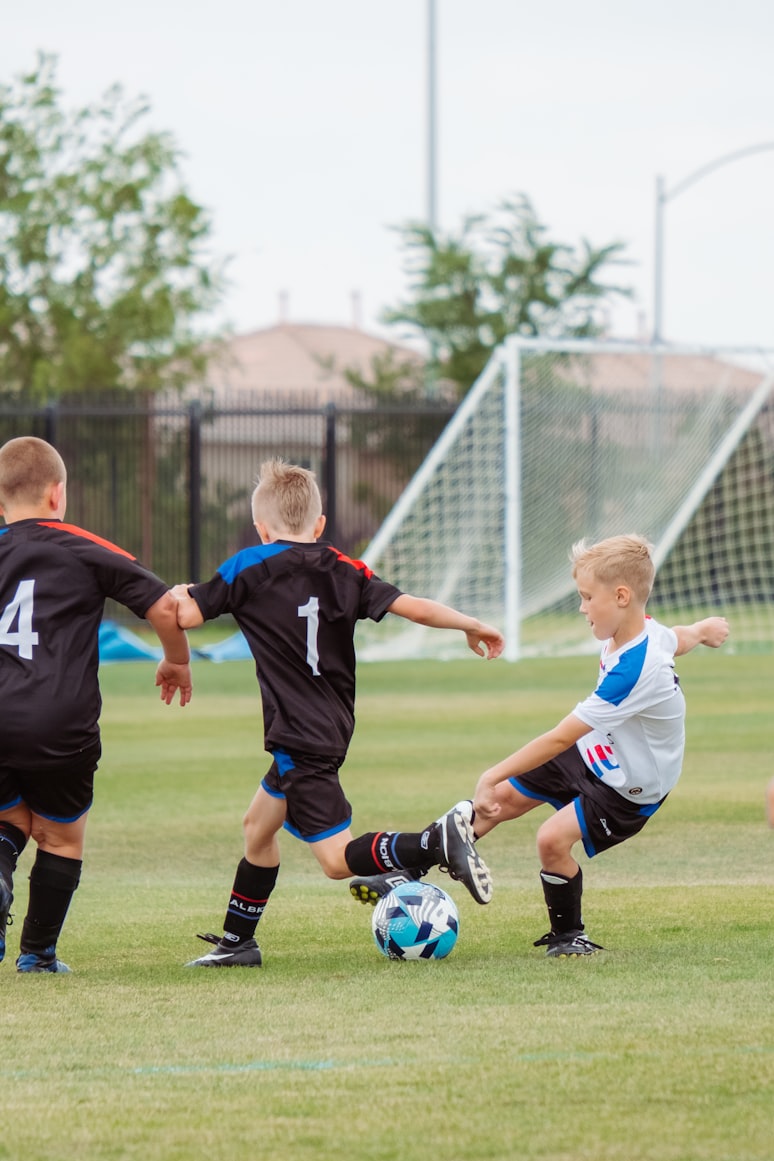

Parents play a vital role in shaping their child's football experience, yet finding the balance between supportive involvement and unhelpful pressure remains one of grassroots football's greatest challenges. The way parents engage with youth football directly impacts player development, team culture, and long-term participation rates. Understanding how to provide effective parent football support creates an environment where young players can thrive both on and off the pitch.
Research consistently shows that parental behaviour significantly influences children's sporting experiences. When parents approach grassroots football with the right mindset, they become powerful allies in their child's development. However, when support transforms into pressure or over-involvement, it can undermine confidence, reduce enjoyment, and even drive young players away from the sport they once loved.
This guide explores practical strategies for parents to support positive development in youth football. From sideline behaviour to home practice, communication with coaches to managing setbacks, these evidence-based approaches help parents become the supportive presence their children need throughout their football journey.
Understanding Your Role as a Football Parent
The foundation of effective parent football support begins with understanding what children actually need from their parents in youth football. Young players don't require tactical advice from the sidelines or constant performance critiques after matches. Instead, they need unconditional support, encouragement, and the freedom to make mistakes without fear of parental disappointment.
The Difference Between Support and Pressure
Support means being present at matches, celebrating effort regardless of outcome, and maintaining a positive attitude even when results don't go your child's way. Pressure manifests as over-emphasis on winning, criticism of performance, or displaying visible frustration when your child makes mistakes. The distinction seems simple, yet many well-intentioned parents inadvertently cross this line.
Children experience pressure when they feel their parents' happiness depends on their football performance. This creates anxiety that undermines natural ability and reduces enjoyment. Young players who sense parental disappointment after poor performances often develop performance anxiety, leading to tentative play and diminished confidence.
Conversely, children who receive consistent support focused on effort and improvement develop resilience, confidence, and a healthier relationship with competition. They learn that football is an opportunity for growth rather than a test they must pass to maintain parental approval.
What Young Players Need From Parents
Research into youth sports psychology reveals several core needs that children have from their parents in football settings. Emotional support ranks highest - knowing that parents are proud of them regardless of match outcomes or selection decisions. This unconditional support provides the psychological safety necessary for young players to take risks, try new skills, and recover from setbacks.
Consistency matters tremendously. Children need reliable attendance at matches and training sessions, dependable transport arrangements, and predictable emotional responses from parents. When parents oscillate between enthusiasm and disappointment based on results, children struggle to develop stable self-confidence.
Young players also need space to fail and learn independently. Overprotective parents who attempt to shield children from disappointment or negotiate with coaches on their behalf inadvertently prevent valuable learning experiences. Football teaches life skills, including resilience, problem-solving, and conflict resolution, but only when children navigate challenges themselves with parental support rather than intervention.
Creating a Positive Matchday Environment
Matchday behaviour significantly impacts how young players experience football. The sideline atmosphere created by parents influences not just individual children but entire teams and the broader club culture. Implementing best football formations matters little when negative sideline behaviour undermines player confidence and enjoyment.
Sideline Behaviour Best Practices
Effective sideline behaviour focuses on positive, general encouragement rather than specific instructions or criticism. Phrases like "well done," "great effort," and "good try" support confidence without contradicting coaching. Shouting tactical instructions confuses young players who should listen to their coach, not process conflicting advice from multiple sources.
Managing personal emotions during matches demonstrates maturity and respect for the game. When parents visibly display frustration, anger, or excessive celebration, children feel additional pressure and learn inappropriate emotional regulation. Remember that youth football exists primarily for player development and enjoyment, not parental entertainment or vicarious achievement.
Respecting match officials and coaches models appropriate behaviour for children. Questioning referee decisions, criticising coaching choices, or displaying hostility towards opposition parents creates toxic environments that damage the football experience for everyone involved. Young players internalise parental behaviour, and children whose parents demonstrate respect become more respectful players themselves.
Supporting All Players, Not Just Your Child
Quality parent football support extends beyond your own child to embrace the entire team. Encouraging all players, celebrating their successes, and offering supportive comments builds team cohesion and creates inclusive environments where everyone feels valued. This collective mentality strengthens team culture and teaches children important lessons about community and mutual support.
Avoiding comparison and competition between parents proves essential for healthy team dynamics. When parents compete over whose child receives more playing time, occupies preferred positions, or demonstrates superior ability, it creates divisive atmospheres that undermine team unity. Children absorb these tensions, and parent conflicts often manifest as player conflicts on the pitch.
Building genuine community spirit through positive interactions with other parents, volunteering when possible, and participating in club activities creates the supportive ecosystem that grassroots football requires. TeamStats facilitates this community building by providing platforms where parents can communicate effectively, coordinate logistics, and stay connected throughout the season.
Communication With Coaches and Clubs
Effective communication between parents and coaches forms the backbone of successful youth football programmes. However, navigating this relationship requires understanding boundaries, choosing appropriate timing, and maintaining respect for coaching expertise and decisions.
Building Constructive Relationships
Coaches dedicate significant time and energy to developing young players, often voluntarily or for minimal compensation. Approaching coaches with appreciation and respect establishes positive foundations for constructive dialogue. Understanding that coaches make decisions based on training observations, tactical requirements, and developmental priorities helps parents contextualise choices that might initially seem puzzling.
When questions or concerns arise, timing matters enormously. Approaching coaches immediately after matches, particularly following disappointments, rarely produces productive conversations. Instead, request scheduled discussions at appropriate times when both parties can engage calmly and thoughtfully. Most coaches appreciate parents who demonstrate respect for their time and approach conversations professionally.
Trust in the coaching process, even when it involves difficult decisions like reduced playing time or position changes, allows coaches to focus on long-term player development rather than managing parental concerns. Coaches who implement 9-a-side tactics or adjust formations consider multiple factors, including player development, team balance, and individual strengths that parents might not observe during limited match attendance.
Handling Concerns Appropriately
Legitimate concerns occasionally arise that warrant parental involvement. Safety issues, safeguarding concerns, or patterns of behaviour that negatively impact your child's wellbeing require prompt, appropriate communication with club officials. However, disagreements over playing time, position assignments, or tactical decisions generally don't constitute legitimate concerns requiring intervention.
When raising issues, focus on observable behaviours or patterns rather than assumptions about coaching motivations. Use "I've noticed" statements rather than accusatory language, and seek to understand coaching perspectives before advocating for specific outcomes. Remember that coaches typically possess greater football knowledge and understand team dynamics more completely than individual parents.
Working collaboratively with club staff rather than adversarially produces better outcomes for everyone involved. Coaches and administrators want young players to thrive, and approaching relationships as partnerships rather than conflicts creates environments where genuine concerns receive appropriate attention whilst maintaining mutual respect.
Supporting Development at Home
Parent football support extends far beyond matchdays and training sessions. The home environment significantly influences player development, and parents who create supportive conditions for growth without applying excessive pressure help children progress while maintaining healthy relationships with football.
Practice and Training Outside Club Sessions
Encouraging additional practice between club sessions can accelerate skill development, but only when approached appropriately. Children who feel pressured to practice often develop negative associations with football training. Instead, make additional practice fun, voluntary, and varied. Playing casual games in the garden, joining friends for kickabouts, or trying different skills keeps football enjoyable whilst building technical ability.
Avoid creating structured training regimens at home unless your child specifically requests this level of commitment. Youth football should remain primarily enjoyable, and excessive structure can transform a recreational activity into a burdensome obligation. Follow your child's lead - if they're enthusiastic about extra practice, support it; if they prefer other activities on rest days, respect that choice.
Balancing football with other interests, hobbies, and activities promotes healthy development and prevents burnout. Children who specialise too early in single sports face higher injury rates, increased burnout, and often plateau earlier than those who participate in varied activities. Encouraging diverse interests creates well-rounded individuals who approach football with fresh enthusiasm rather than fatigue.
Nutrition, Rest and Recovery
Age-appropriate guidance on nutrition, hydration, and rest supports physical development without creating anxiety around food or sleep. Young players need balanced diets, adequate hydration, and sufficient sleep, but rigid regimens or excessive focus on optimisation can prove counterproductive for children whose bodies and eating habits are still developing.
Building healthy habits gradually through family participation works more effectively than imposing strict rules on young players alone. When entire families prioritise nutritious meals, adequate sleep, and balanced lifestyles, children naturally adopt these habits without feeling singled out or pressured. Football provides excellent motivation for healthy choices, but these choices should support overall well-being rather than solely serving football performance.
Recognising signs of overtraining - persistent fatigue, decreased enthusiasm, frequent minor injuries, or mood changes - allows parents to intervene before burnout occurs. Children sometimes struggle to recognise their own limits, and parents must occasionally enforce rest even when young players resist. Using a team management app helps track training loads, matches, and rest periods to ensure an appropriate balance.
Managing Setbacks and Challenges
Every young footballer faces disappointments, setbacks, and challenges throughout their journey. How parents respond to these difficulties significantly impacts whether children develop resilience or fragility, maintain enthusiasm or lose motivation, and continue growing or stagnate.
When Your Child Faces Disappointment
Not being selected for matches represents one of the most common disappointments in youth football. Children who don't make starting lineups or receive limited playing time often feel frustrated, questioning their ability and commitment. Parents who respond by criticising coaches, suggesting the decision was unfair, or displaying visible disappointment compound their child's negative feelings.
Instead, effective parent football support involves acknowledging disappointment whilst maintaining perspective. Validate your child's feelings, discuss what they might work on to increase playing time, and emphasise that selection decisions reflect current form and tactical needs rather than permanent judgements on ability. Help children understand that every player experiences periods on the bench, and how they respond to these setbacks often determines their long-term success.
Making mistakes or losing games provides valuable learning opportunities when parents frame them appropriately. Children who fear parental disappointment after errors become risk-averse players who never reach their potential. Conversely, children who know their parents will focus on effort and learning regardless of outcomes develop the confidence to try ambitious plays, recover quickly from mistakes, and maintain composure under pressure.
Dealing with criticism or conflict, whether from coaches, teammates, or opponents, tests young players' emotional resilience. Parents who immediately defend their children or confront those who criticise them prevent valuable growth experiences. Unless situations involve bullying or genuine mistreatment, allowing children to navigate criticism themselves builds emotional intelligence and conflict resolution skills that benefit them throughout life.
Maintaining Perspective Through Difficult Times
Focusing on effort over outcome helps children develop growth mindsets that serve them far beyond football. When parents celebrate hard work, improvement, and positive attitudes regardless of results, children learn that success is within their control through dedication and persistence. This mindset transfers to academics, relationships, and future careers, making it one of football's most valuable lessons.
Learning opportunities exist in every setback when parents help children identify them. Lost matches reveal tactical weaknesses to address, missed chances highlight technical skills needing practice, and selection disappointments indicate areas for development. Children who learn to extract lessons from difficulties become resilient individuals who approach challenges as opportunities rather than threats.
Keeping football in the context of childhood ensures that sport enriches rather than dominates young lives. Children need time for family activities, friendships outside football, academic pursuits, and simple rest. Parents who allow football to consume family life risk burnout, social isolation, and academic struggles. Remember that the vast majority of young players won't pursue professional careers, and even those who do will eventually need identities beyond football.
Technology and Team Management Tools
Modern technology offers valuable resources for parents seeking to provide effective support whilst respecting coach autonomy and maintaining appropriate boundaries. Digital platforms like TeamStats transform how parents engage with grassroots football, streamlining communication and reducing the administrative friction that often complicates youth sports.
Using Apps to Stay Informed
Football coaching apps and team management platforms provide centralised access to schedules, venue changes, match results, and team communications. Parents who utilise these tools stay informed without requiring individual messages from coaches or administrators, reducing the communication burden that often overwhelms volunteer club staff.
Accessing accurate, up-to-date information through digital platforms reduces the confusion and missed information that creates stress for families. When match times change, training venues shift, or weather affects schedules, instant notifications ensure everyone receives timely updates. This reliability allows parents to plan effectively whilst minimising the last-minute panics that disrupt family life.
Supporting club organisation through active engagement with team management platforms demonstrates commitment to the broader programme beyond your individual child. When parents consistently update availability, confirm attendance, and engage with communications, it enables better planning from coaches and administrators. This collective participation creates more professional, organised environments where everyone benefits from improved coordination and reduced administrative chaos.
Conclusion
Providing effective parent football support requires balancing enthusiastic involvement with appropriate boundaries, celebrating effort whilst maintaining perspective, and understanding that your role is to support rather than direct your child's football journey. The principles outlined throughout this guide - positive sideline behaviour, constructive communication with coaches, appropriate home support, and resilient responses to setbacks - create environments where young players can develop skills, confidence, and a lifelong love for football.
Parents who embrace these approaches become invaluable assets to grassroots football communities. They model respect, demonstrate emotional maturity, build inclusive environments, and help create the positive cultures that make youth football rewarding for everyone involved. Your presence, encouragement, and unwavering support matter far more than any tactical advice or performance critique you might offer.
Remember that childhood passes quickly, and your child's youth football years represent precious opportunities to bond through shared experiences, teach life lessons through sport, and support their growth into confident, resilient individuals. Approach this responsibility with perspective, patience, and genuine enjoyment of watching your child discover their potential both as a player and as a person. Sign up to TeamStats to access tools that support positive involvement whilst respecting coaching expertise and maintaining healthy boundaries throughout your child's football journey.
═══════════════════════════════════════════════════════════════