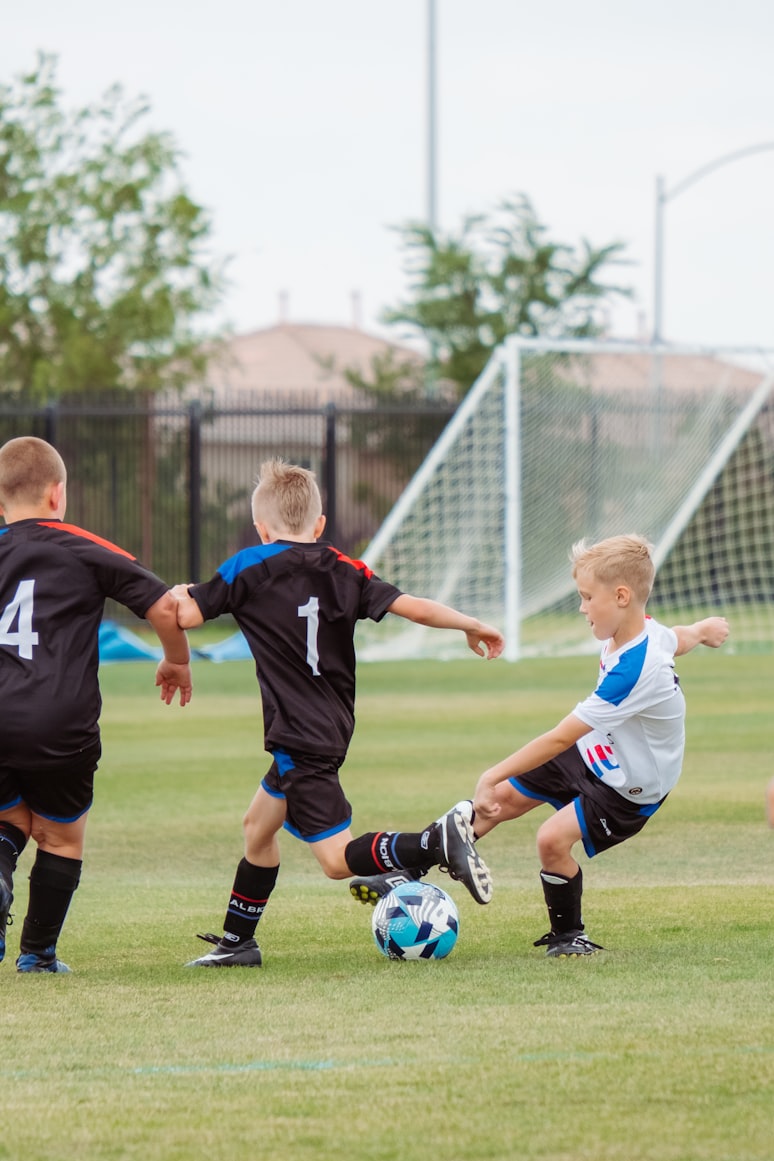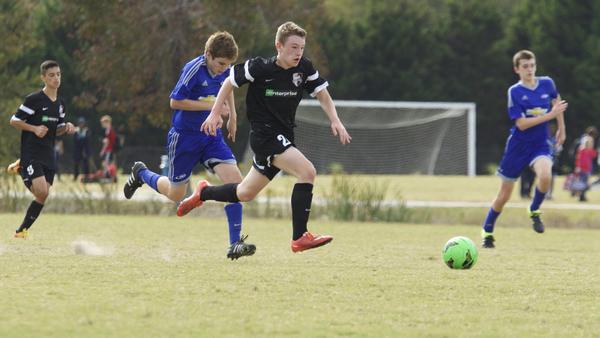

Grassroots football clubs face a challenge that professional clubs never encounter: their supporters are also their volunteers, their parents, and their players. When a Sunday league team posts a match report on social media and receives three likes - all from committee members - it's not a failure of content. It's a symptom of a disconnected digital strategy.
The question isn't whether digital channels matter for football fan engagement. They do. The question is how grassroots clubs can use them to build genuine loyalty without the marketing budgets, media teams, or professional content creators that elite clubs deploy.
The Reality of Grassroots Football Fan Engagement
The Fundamental Error
Most grassroots clubs approach digital channels backwards. They create a Facebook page, post sporadically about results, and wonder why engagement remains flat. The fundamental error is treating digital presence as broadcasting rather than community building.
A youth football club demonstrated this difference. Instead of posting match scores alone, they shared 30-second clips of training drills with captions explaining the coaching focus. Parents began sharing these videos with relatives. Players started tagging teammates. Engagement increased 340% in eight weeks - not because the content was professional, but because it was relevant to their specific community.
Spectacle vs Participation
The distinction matters. Professional clubs build fan loyalty through spectacle and success. Grassroots clubs build it through participation and belonging. Digital channels amplify whichever approach a club chooses.
Creating Content That Builds Connection
Three Core Principles
Content strategy at the grassroots level isn't about viral posts or polished graphics. It's about consistent communication that makes supporters feel informed and involved.
The most effective clubs structure their digital content around three principles:
Regular rhythm beats occasional excellence. A weekly update posted every Sunday evening at 7pm builds anticipation and habit. Followers know when to check for news. This predictability matters more than production quality. A smartphone photo with clear information outperforms a professionally shot image posted randomly.
Specificity creates engagement. Generic posts ("Great performance today!") generate polite likes. Specific posts ("Millie's defensive positioning in the second half showed everything we've practised about protecting space") start conversations. Parents screenshot these for relatives. Players remember them for years.
Behind-the-scenes content humanises the club. Showing coaches setting up cones before training, volunteers washing kits, or committee members planning next season's fixtures reminds everyone that grassroots football runs on dedication, not money.
Distributed Content Responsibility
Effective football fan engagement requires a distributed approach. One parent handles match day photos. Another shares training updates. A third post player development spotlights. This structure ensures consistency without overwhelming any single volunteer.
Platform Selection for Grassroots Clubs
Facebook for Parent Communication
Not all digital channels serve grassroots football equally. Choosing the right platforms prevents wasted effort.
Facebook remains dominant for parent communication. Most grassroots clubs find their core audience - parents aged 30-50 - actively uses Facebook daily. The platform's group functionality allows private team spaces for logistics while maintaining public pages for wider club updates. This dual structure separates operational communication from community building.
Instagram for Youth Engagement
Instagram works for youth engagement. Teenage players rarely check Facebook, but they scroll Instagram constantly. Clubs targeting older youth teams (U14-U18) gain traction by posting action shots, training highlights, and player achievements to Instagram. The visual format suits football naturally.
WhatsApp and Twitter
WhatsApp handles immediate coordination. Match day changes, weather updates, and urgent communications belong in WhatsApp groups, not social media. The distinction prevents important information from getting lost in content feeds.
Twitter serves a limited grassroots purpose. Unless a club specifically wants to engage with local media or other clubs, Twitter rarely justifies the effort for community-level teams.
Effective platform use demonstrates how clubs match content type to platform strength across grassroots leagues. Facebook shares weekly fixtures and results. Individual clubs maintain team-specific WhatsApp groups for logistics. Select clubs use Instagram for youth team content.
Building a Two-Way Conversation
Dialogue Over Broadcasting
The shift from broadcasting to dialogue separates clubs that build loyalty from those that merely inform.
Effective digital engagement requires asking questions, not just making statements. Instead of "We won 4-2 today," try "What was your moment of the match? Drop your thoughts below." The second version invites participation. It signals that supporter opinions matter.
Responding to comments and messages reinforces this signal. When a parent posts "Great team spirit today," a simple "Your support makes the difference" acknowledges their contribution. These micro-interactions accumulate into a community feeling.
Handling Negative Comments
Some clubs worry about negative comments. The concern is valid but often overstated. Grassroots football communities rarely generate the toxicity seen around professional clubs. When criticism does appear, responding with transparency usually resolves issues. "You're right that our communication about fixture changes needs improvement. We're implementing a new system next month," which turns complaints into opportunities for demonstrating responsiveness.
Using Match Day Content Strategically
Strategic Sequencing
Match days offer concentrated opportunities for football fan engagement that many clubs underutilise.
The traditional approach posts a team photo before kick-off and the result afterwards. This works but misses chances to build narrative and involvement.
A more strategic sequence might include:
Pre-match (2-3 hours before): Team news with context. "Three changes from last week, with Emma returning from injury and Jake moving to defensive midfield - a role we've been developing in training."
Live updates (during match): Brief score updates or key moments. "1-0 at half-time. Brilliant team pressing in the first 20 minutes." These keep supporters who can't attend connected to the action.
Post-match (within 2 hours): Result with specific highlights. "Final score 3-1. Outstanding defensive organisation in the second half, and three different goal scorers show the attacking threat across the team."
Next-day reflection (Sunday evening): Tactical analysis or coaching perspective. "Yesterday's match showed real progress in our defensive shape when opponents have possession. Here's what we focused on..."
Four Engagement Points
This sequence transforms a single match into four engagement points, each serving different purposes. Pre-match content builds anticipation. Live updates create immediacy. Post-match reaction celebrates achievement. Next-day reflection demonstrates development focus.
Leveraging Digital Tools for Deeper Engagement
Performance Tracking as Content
Technology amplifies engagement when used strategically. Football coaching apps and team management platforms offer features that strengthen supporter connection beyond social media.
Player statistics and performance tracking become shareable content. When clubs use platforms that generate individual player reports, sharing these (with permission) shows investment in personal development. Parents appreciate seeing their child's progress quantified. Players gain motivation from seeing improvement tracked over time.
Reducing Friction
Fixture and availability management reduce friction in the supporter experience. When parents can check upcoming matches, confirm attendance, and receive automatic reminders through digital platforms, they spend less time confused about logistics and more time engaged with actual football.
Data-Driven Match Reports
Match reports with embedded statistics add depth to digital content. Instead of "We played well," clubs can share "We completed 78% of passes in the final third, up from 64% last month." This data-driven approach appeals to analytically-minded supporters whilst demonstrating coaching effectiveness.
Integrating team management platforms with social media by automatically posting upcoming fixtures ensures consistent communication without requiring manual updates. Fixture visibility increases, and player availability improves as parents can see schedules further in advance.
Creating Supporter-Generated Content
Authentic Engagement Sources
The most authentic football fan engagement comes from supporters themselves, not club officials.
Encouraging parents, players, and volunteers to create and share content multiplies a club's digital presence while reducing workload on committee members.
This might include:
Player of the match nominations. Ask team captains or coaches to record 15-second videos explaining their selection. These personal endorsements mean more to recipients than official announcements.
Parent perspectives. Invite parents to write brief match reports from the touchline. Their observations differ from coaches' tactical analysis, offering alternative viewpoints that enrich the club narrative.
Player interviews. Let older youth players interview each other about their football journeys, favourite positions, or match experiences. Peer-to-peer content resonates strongly with youth audiences.
Volunteer spotlights. Feature the people who make grassroots football function - the kit washer, the groundskeeper, the treasurer. Recognition builds loyalty amongst the volunteer base whilst showing new families the community they're joining.
Making Contributions Easy
The key is making contributions easy. Provide simple prompts, accept smartphone quality, and publish quickly. Perfection kills participation. Accessibility creates it.
Building Year-Round Engagement
Pre-Season Content
Football fan engagement shouldn't hibernate during the off-season. Summer months offer opportunities to deepen loyalty before the next campaign begins.
Pre-season content might include:
Training camp updates. Share photos and brief reports from pre-season sessions. This maintains visibility and builds excitement for the coming season.
New player welcomes. Introduce new signings (even at the grassroots level) with short profiles. This helps integrate new families into the community before they attend their first match.
Fixture release reactions. When new season fixtures are published, share thoughts on key matches, local derbies, or challenging periods. This transforms an administrative update into a conversation starter.
Coaching development. Share what coaches are learning through summer courses or qualifications. This demonstrates continuous improvement and a professional approach.
Off-Season Audit
Off-season is also when clubs should audit their digital effectiveness. Which posts generated the most engagement? What content types fell flat? What feedback did supporters provide? This analysis informs the strategy for the coming season.
Measuring What Matters
Meaningful Metrics Over Vanity Numbers
Digital metrics can mislead if clubs track vanity numbers instead of meaningful engagement.
Follower count matters less than active participation. A Facebook page with 300 followers where 50 people regularly comment and share is more valuable than one with 1,000 followers and minimal interaction.
Relevant metrics for grassroots clubs include:
Engagement rate. The percentage of followers who interact with content through likes, comments, or shares. This indicates whether content resonates with the audience.
Response rate. How many messages and comments receive replies from club officials? This measures dialogue quality, not just broadcast reach.
Content diversity. Whether a club posts varied content types or relies on single formats. Variety prevents audience fatigue.
Peak engagement times. When supporters most actively interact with content. This informs optimal posting schedules.
Case Study: Adjusting Content Mix
A Sunday league team tracked these metrics monthly and discovered their most engaged content wasn't match reports but training drill explanations. They adjusted their content mix accordingly, increasing training content from 20% to 40% of posts. Overall engagement rose 150% over the following season.
Conclusion
Growing fan loyalty through digital channels at the grassroots level isn't about mimicking professional clubs with smaller budgets. It's about recognising that grassroots supporters want different things - connection over spectacle, participation over performance, community over celebrity.
The clubs that build the strongest digital engagement share common approaches: they post consistently rather than perfectly, they invite conversation instead of broadcasting announcements, they share specific details rather than generic updates, and they use technology to reduce friction whilst increasing involvement.
Digital channels work for grassroots football when they strengthen existing community bonds rather than trying to create artificial ones. The parent who shares a training video with grandparents, the player who comments on a teammate's achievement, the volunteer who feels recognised for their contribution - these interactions accumulate into loyalty that sustains clubs through difficult seasons and challenging circumstances.
TeamStats provides the digital infrastructure to support this community-building approach. The tools exist. The platforms are accessible. What separates effective digital engagement from wasted effort is strategic thinking about what grassroots supporters actually value and consistent execution of content that delivers it. Start with one platform, one content type, one consistent schedule. Build from there. Fan loyalty grows through accumulated small interactions, not occasional grand gestures. Team management apps help coordinate these interactions whilst preserving the authentic community spirit that makes grassroots football special.
═══════════════════════════════════════════════════════════════