
I was lucky enough to have a younger brother who went into professional football and chatting to a family friend of ours the other day, it was fascinating to hear what my brother had told him about how he believes he developed in football. Our Dad would teach me something to do with football and straight away my brother would want to be better at it than me which spurred on his progress and eventually this dynamic was enough to get him involved at pro level.
I’m sure that in every community where grassroots football thrives, there are countless stories of siblings who have grown up with the game as the background soundtrack to their childhood. From the earliest kickabouts in the back garden to heated matches played in the local park long after you should have been home, brothers and sisters often find themselves at the heart of each other’s football journey. While coaches, teachers and parents play their part in guiding young players, I now understand the role of siblings can be uniquely powerful. The influence can be subtle at times, obvious at others, but it is often the thread that ties together the love of the game, the drive to improve and the resilience needed to deal with both the highs and lows of our game.
The relationship between siblings in football is layered and multifaceted. At its most basic level, it is about companionship. A child with an older brother or sister already playing football will be exposed to the rhythms and routines of the sport long before they join a team themselves. Weekend mornings spent watching their sibling get themselves ready and out of the house, lace up their boots, attending training sessions or tagging along to matches give younger children an early and football education. They see first hand what it means to be part of a team, they absorb the vocabulary of the game and they learn about commitment through observation. For many, this creates an eagerness to follow in those footsteps, and grassroots clubs benefit from this natural pipeline of enthusiasm within families.
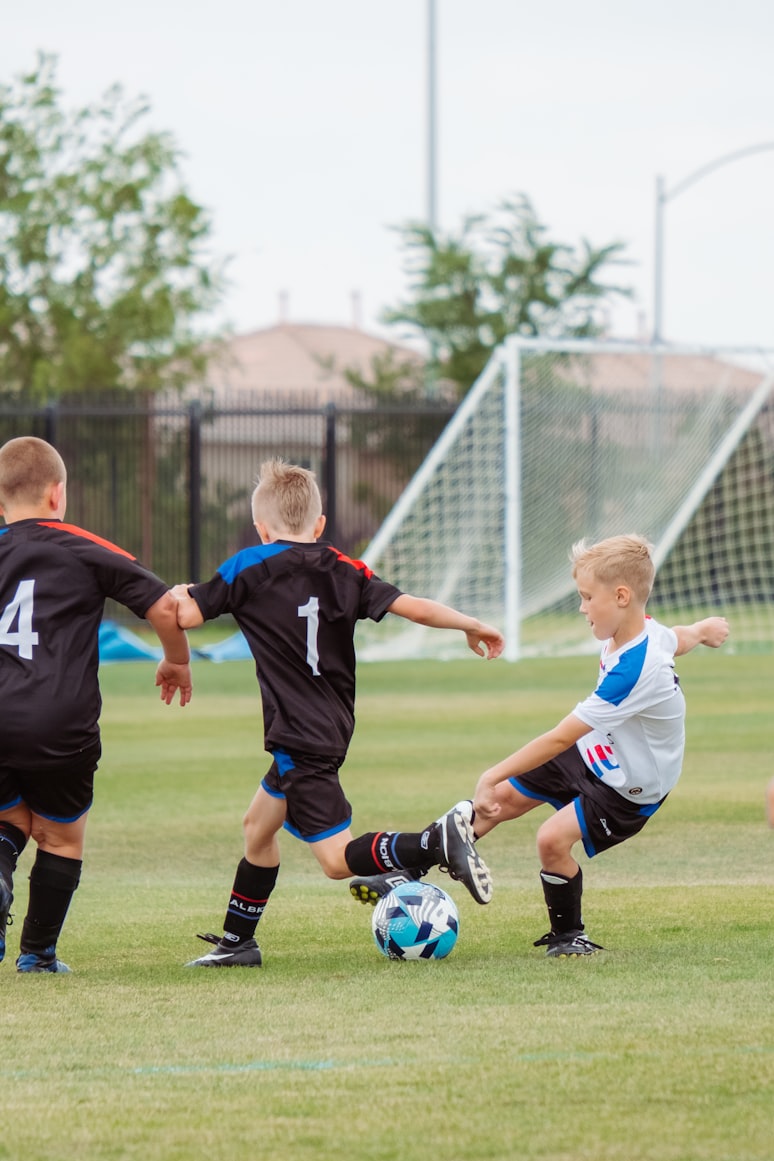
The ever present friendly rivalry is another dimension of sibling influence. Football at its core is a competitive pursuit, and nowhere is that more intensely felt than between brothers and sisters sharing the same household. Whether it is shooting practice against a wall or races to the ball in the park, siblings drive each other to higher standards through informal challenges. My experience would suggest the younger sibling often benefits the most, having to punch above their weight in order to keep up with the older one, developing technical skills and mental sharpness at a quicker rate.
Sports psychologists have long recognised that children who play with older siblings develop problem solving abilities earlier, because they are constantly pushed into situations that demand adaptation. This same principle applies in grassroots football, where younger brothers and sisters often accelerate their development through the pressure of sibling competition.
The example set by an older sibling can also serve as a form of role modelling that goes beyond technical skill. Behaviour around teammates, respect for coaches and the way a player handles victory or defeat are all observed closely by younger family members. A child who sees their brother or sister shaking hands with opponents regardless of the result, encouraging teammates rather than criticising or showing commitment by attending every session, internalises these behaviours without a lecture or a coaching drill. In this sense, siblings become an extension of the coaching staff, cascading values and habits through example rather than instruction.
On the other hand, the emotional side of sibling influence should not be overlooked. We know that Football is a sport where disappointment is inevitable, whether through lost matches, missed chances or time spent on the bench. Having a sibling who has gone through the same struggles can provide a unique form of support. Unlike parents, who may try to shield their child or offer advice from a position of authority, a sibling’s encouragement often carries a different weight. It is grounded in shared experience, in a sense of “I know what you are going through because I have been there myself.” This solidarity can make the difference between a young player giving up after a setback and finding the determination to keep trying.
Of course, the influence of siblings is not always positive, and acknowledging this reality is important to gaining a full picture. Rivalries that become too intense can create unnecessary pressure, and comparisons between siblings, whether made by parents, coaches or the children themselves, can erode confidence. Grassroots clubs often encounter families where one sibling excels while the other struggles, leading to difficult dynamics. Managing these situations requires sensitivity, ensuring that each child is valued for their individual qualities rather than being measured against their brother or sister. Coaches who are aware of these dynamics are better placed to provide encouragement tailored to each player’s needs, rather than assuming that siblings will naturally progress at the same pace.
Despite these potential challenges, the role of siblings in football has historically been a strong feature of our game at every level. From the Charlton brothers in England’s World Cup-winning team of 1966 to the Neville brothers at Manchester United, and more recently the Williams brothers at Athletic Bilbao, football history is littered with examples of siblings who developed together before making their mark in the professional game. These stories begin at grassroots level, with shared journeys through junior football, often fuelled by countless hours spent together on pitches long before crowds or cameras arrived. Even when siblings do not both reach the professional ranks, the influence they have on each other’s development is undeniable.
At grassroots level, this influence plays out in small but meaningful ways. Coaches often remark that players with footballing siblings arrive with an instinctive understanding of positioning or tactical awareness that seems beyond their years. This is not always the result of structured training but of the informal coaching that happens at home or on the street, where older siblings act as teachers without realising it. These early lessons can be invaluable in creating players who not only have technical ability but also an intuitive feel for the game.
Ultimately, the influence of siblings in grassroots football is one of the most natural and enduring forces shaping our young players. It encompasses challenge and support, rivalry and solidarity. It is not always straightforward, and it requires care to ensure that comparisons and pressures do not overshadow individual development. Yet when balanced effectively, sibling influence creates a unique environment in which children can grow as footballers and as people. For grassroots clubs and coaches, recognising and embracing this influence is key, as it provides opportunities to build on existing family dynamics in order to foster development, resilience, and love for the game. Football has always been a sport built on relationships, and among those, the bond between brothers and sisters may be one of the most important of all.