If you manage, coach or follow a football club closely, gambling sponsorship is no longer something happening at the edges of the game. It sits inside the everyday financial reality of modern football, especially for clubs operating without vast commercial cushions.
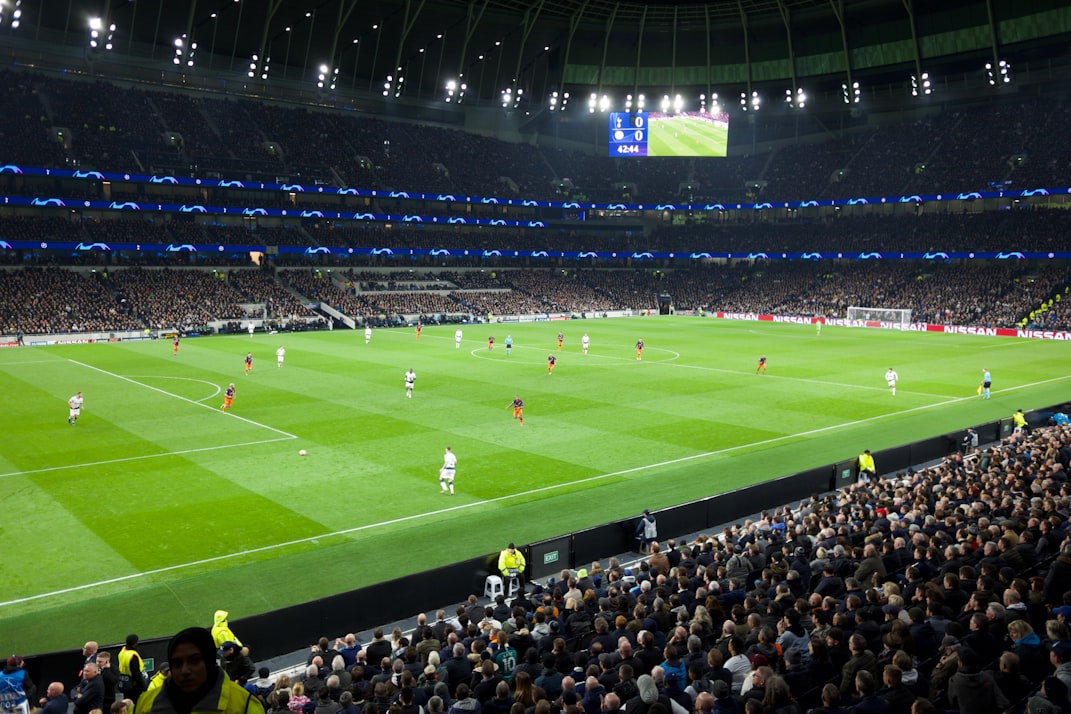
When you watch a Premier League match now, you are not just watching 22 players and a referee. You are also seeing a network of commercial decisions playing out in real time. Gambling brands appear around the pitch, on kits and across digital channels tied to the broadcast. For many clubs outside the financial elite, this presence is not about glamour or preference; it is about keeping pace with costs that rise season after season.
That situation developed gradually. As football’s audience expanded beyond domestic borders, sponsorship followed. Clubs became global products, even when their fanbase remained rooted locally. Gambling operators recognised that value early, particularly with teams whose matches travel widely on television but whose balance sheets remain modest.

Understanding the ecosystem behind modern football sponsorship
You can also see how that environment has encouraged different types of gambling-related platforms to grow alongside the sport. VegasSlotsOnline sits within that ecosystem, not as a betting operator but as a reference point for online slot games. It offers free demos, structured game information and independent casino reviews, allowing users to understand how games work before any real money decision is made. That approach reflects how many people now encounter gambling content through information and comparison first, rather than direct participation.
Against that broader context, attention has increasingly turned to the details. As scrutiny around gambling sponsorship grows, questions follow. Where does branding appear? Who is it aimed at? What alternatives exist for clubs that still need stable commercial income? To answer those questions properly, you need to understand how gambling sponsorship became embedded in football’s economic structure in the first place.
Why gambling sponsorship became financially hard to replace
For anyone responsible for a club outside the Premier League’s financial elite, sponsorship is not cosmetic. It is often the margin between consolidating at the top level and slipping back into the Championship. By the 2024–25 season, 11 of the 20 Premier League clubs carried a gambling brand on the front of their shirts.
According to industry analysis by GlobalData, those front-of-shirt gambling sponsorship deals were collectively worth $135.43 million, roughly £101.1 million, across a single campaign, highlighting just how concentrated that revenue stream had become.
That concentration is not accidental. Gambling brands have consistently been willing to pay above standard market rates for football’s one asset that cannot be manufactured or replicated elsewhere: weekly global attention delivered through live broadcast sport
The premium is measurable. Evidence presented during policy debate has put the gap between gambling and non-gambling shirt sponsors at around 40 per cent, with warnings that the loss of that income can amount to roughly 20 per cent of total commercial revenue for certain clubs. This is why the voluntary front-of-shirt ban scheduled to take effect before the 2026–27 season is not being framed internally as a symbolic reset. Inside club offices, it is being treated as a material financial event.
For some clubs, that pressure extends beyond the first team, influencing decisions around academy investment, community programmes and the resources available to support grassroots football further down the pyramid.
Reporting from The Athletic has pointed to a potential collective shortfall of around £100 million once those deals expire. That figure explains why the conversation has already moved beyond whether gambling sponsorship disappears at all. The real question is where it reappears once the most visible space on the shirt is no longer available, and how clubs recalibrate commercial strategies under tighter scrutiny.
How clubs are adapting as front-of-shirt deals disappear
The ban on front-of-shirt gambling sponsors does not remove gambling money from football. It forces it elsewhere. Across the Premier League, clubs are already reworking how sponsorship inventory is sold rather than searching for direct replacements.
EMBED YOUTUBE VIDEO ON SITE HERE: https://www.youtube.com/watch?v=MrEngf_4diA
With the shirt front closing, attention has moved to the remaining spaces clubs can still monetise. Sleeves, pitchside LED boards, training gear and broadcast backdrops now carry far more weight than they did even two seasons ago. Further reporting by The Athletic has shown that a sleeve deal for a mid-table Premier League side is usually priced in the £1 million to £2 million range. That sits well below the £8 million to £10 million per season some clubs have earned from gambling brands on the front of their shirts, but it remains one of the few sponsorship categories where betting firms can still secure meaningful exposure.
What has changed is not the presence of gambling brands but how visible they are to different audiences. Coverage from the Guardian has detailed how several clubs now promote betting partners primarily through perimeter advertising and international broadcast feeds, sometimes in ways that are barely noticeable to domestic supporters. In some cases, partnerships are aimed almost entirely at overseas markets, reflecting where commercial value now lies.
That logic is rooted in how the Premier League is consumed. Bloomberg’s long-term review of shirt sponsorships shows that gambling overtook every other industry as the league’s most common front-of-shirt category by the mid-2010s, tracking the league’s global expansion rather than its local fanbase. Removing the most prominent placement does not undo that commercial reality. It redistributes value across less obvious spaces that still travel worldwide on television.
Where the money goes when the front-of-shirt space goes dark
Once the Premier League’s voluntary front-of-shirt withdrawal bites at the end of the 2026–26 season, the commercial pressure does not vanish. It simply moves to the assets that still sit in the broadcast frame: sleeves, training wear, interview backdrops and LED perimeter boards. The league has been clear that the change is limited to the front of matchday shirts, not every other surface fans see across a weekend.
That is significant because the gap already outlined does not get patched by “nice to have” deals. Clubs will try to protect value by stacking secondary inventory and by leaning harder on international exposure. That is also where the grey areas start to matter. The UK Gambling Commission has warned clubs about the risks associated with promoting unlicensed, overseas-facing sponsors, stressing the need for due diligence and clarity over whether consumers in Great Britain can access those platforms.
Alongside that regulatory pressure, reporting from outlets such as the Guardian and The Athletic has described how some clubs have pursued sponsorship arrangements aimed primarily at international audiences, including partnerships designed to be less visible domestically.
How regulation is reshaping football’s commercial behaviour
The Premier League’s front-of-shirt withdrawal is often described as a ban, but it is a collective, voluntary agreement that starts in 2026–27 and applies to matchday shirt fronts only. That design choice shows what the league was trying to do: reduce the most unavoidable form of exposure while keeping commercial flexibility in the rest of the inventory. The league’s own announcement is explicit about the scope and the timeline.
At the same time, the UK’s broader gambling reform agenda has kept sponsorship under pressure. The government’s 2023 gambling white paper set out a package of regulatory changes aimed at the modern online market, which is the context in which clubs have been operating as scrutiny has risen.
Where this moves beyond theory is due diligence. In 2026, that regulatory oversight moved from principle to practice, with the Gambling Commission issuing warnings to several Premier League clubs over partnerships linked to unlicensed, overseas-facing sites. The message was clear: even where branding is aimed at international audiences, British consumers must not be able to transact with those platforms.
What the evidence shows about exposure, recall and normalisation
Research into gambling sponsorship in sport tends to blur three distinct concepts: exposure, recall and harm. Work commissioned by GambleAware has consistently found that football is a highly visible channel for gambling marketing, with audiences describing exposure through shirt sponsorship, pitch-side advertising and broadcast environments rather than isolated ad slots. That visibility carries weight in football, where repetition across matchdays is how brands become familiar
On recall, peer-reviewed work in the UK has shown that audiences report noticing gambling advertising and sponsorship in sport, including association with teams. The point is not that every viewer is persuaded; it is that sponsorship is noticed and remembered, which is exactly what sponsors pay for.
Alongside that commercial reality sits a regulatory dimension. The UK Gambling Commission, the Advertising Standards Authority (ASA) and the Committees of Advertising Practice (CAP) have previously issued reminders that gambling advertising and sponsorship placements must not appear in club environments where audience protections are expected to apply. This reflects a broader regulatory effort to limit marketing exposure in sensitive or non-transactional spaces, without removing gambling sponsorship from the sport altogether.
Why gambling sponsorship is unlikely to vanish from football
Even as the most prominent shirt placements tighten, the commercial logic behind gambling sponsorship has not disappeared. It has adjusted. The Premier League’s voluntary front-of-shirt withdrawal from the 2026–27 season removes one premium asset, but it does not dismantle the wider sponsorship economy that underpins elite football.
Deloitte’s Annual Review of Football Finance shows that Premier League clubs generated more than £1.5 billion in commercial revenue in the most recent reporting cycle, with sponsorship remaining a central pillar alongside broadcast income. For clubs outside the financial elite, that revenue is not incidental. It underwrites squad costs, long-term planning and in some cases, investment that reaches beyond the first team.
What has changed is visibility rather than dependence. As front-of-shirt inventory closes, clubs are reweighting how commercial value is distributed across remaining matchday and broadcast-facing assets, particularly those tied to international audiences. That change reflects where football’s commercial gravity now sits, not a retreat from sponsorship altogether.
In practice, gambling sponsorship has become less about prominence and more about positioning. Football has not removed gambling from its commercial ecosystem so much as it has learned to manage where it appears. For clubs operating under constant financial pressure, especially outside the very top tier, that distinction carries far more weight than the language used to describe change around it.